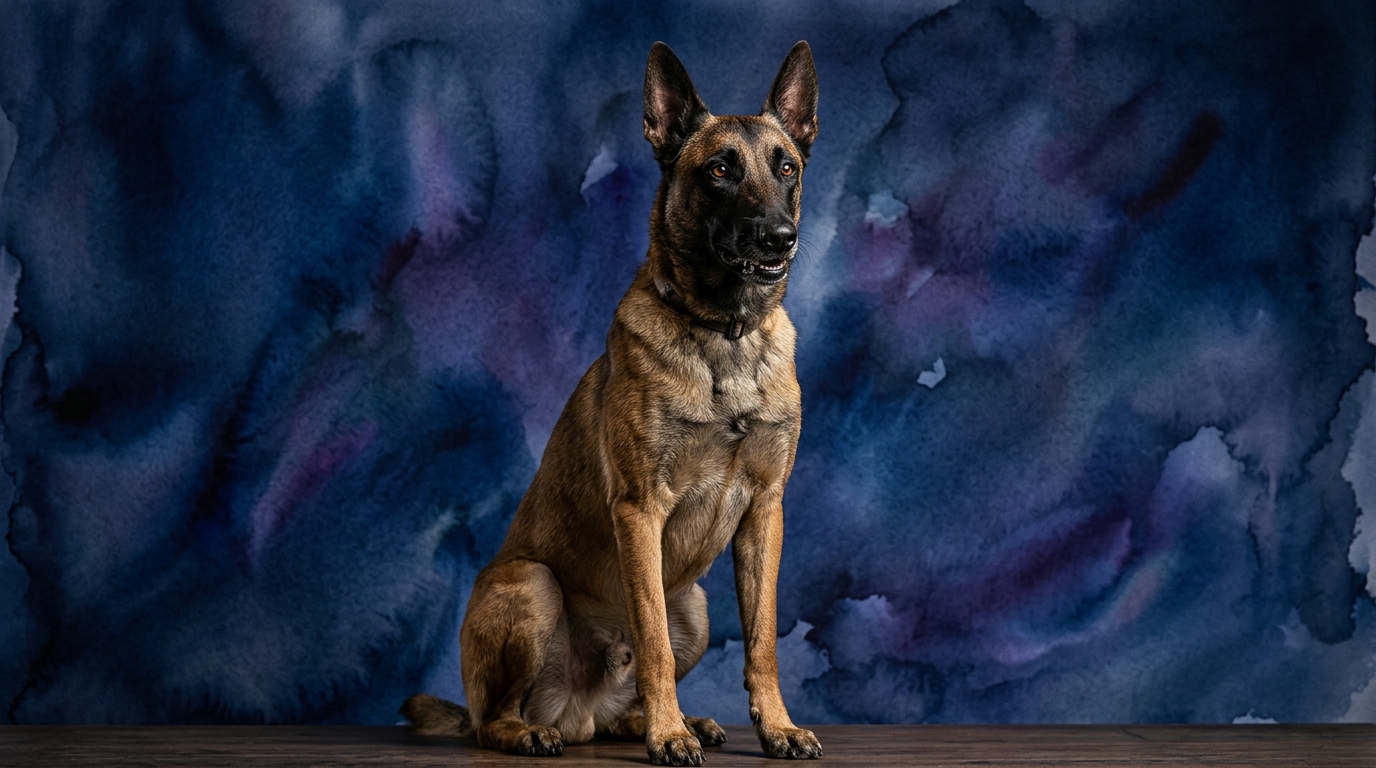
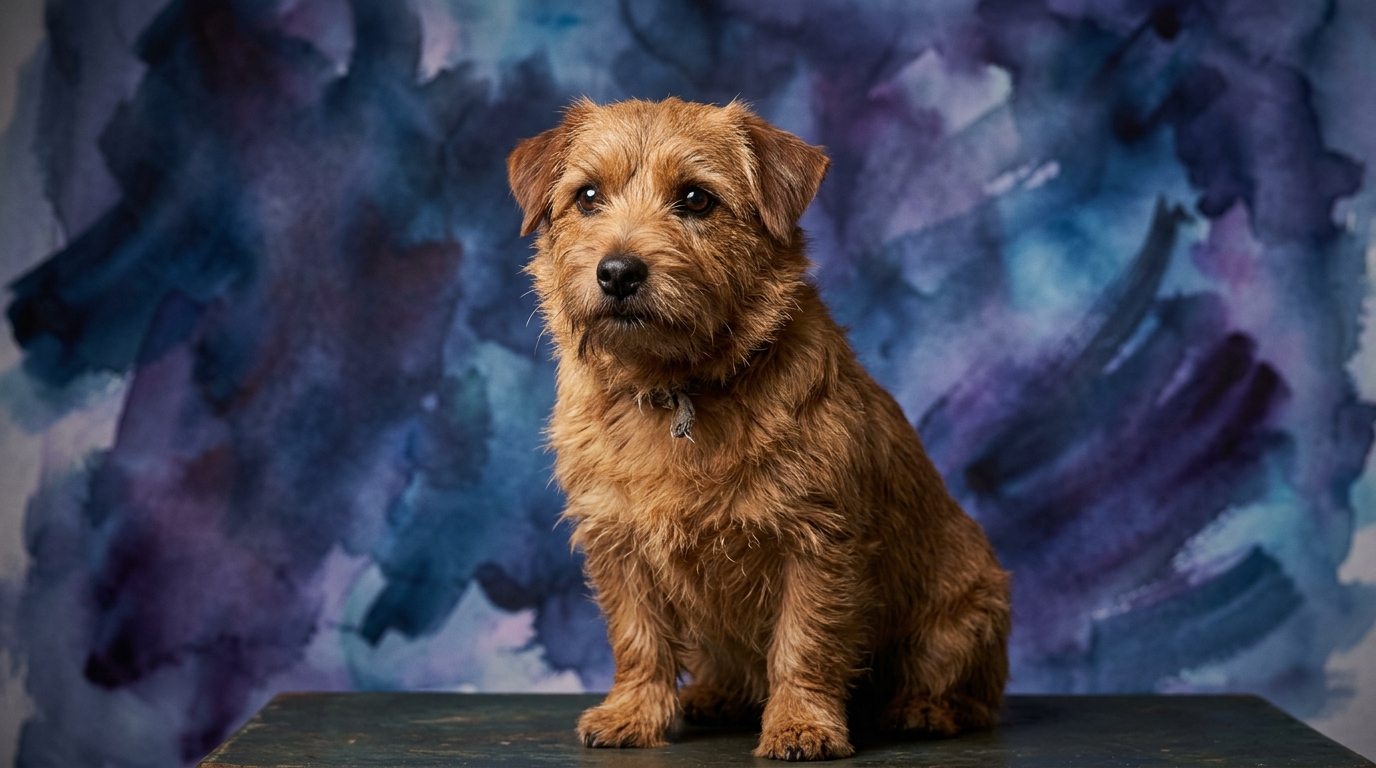
Side-by-Side IQ Profile: Malinois vs. Norfolk
The Cosmic Pet Pet IQ Lab provides a comprehensive framework to assess canine intelligence across five key dimensions. For the Belgian Malinois, a Herding breed ranked #22 by Coren, these scores paint a picture of exceptional cognitive prowess. Their Problem Solving is rated 5/5, indicating an extraordinary capacity to analyze complex situations, devise novel solutions, and adapt strategies in dynamic environments, often seen in their advanced protection or detection work. Training Speed also scores 5/5, reflecting their rapid acquisition of new commands and complex sequences, requiring minimal repetitions and demonstrating an eager responsiveness to instruction. Social Intelligence, at 4/5, suggests a strong ability to interpret human cues and social dynamics, though perhaps slightly less nuanced than some companion breeds, prioritizing task-oriented communication. Their Instinctive Drive is a commanding 5/5, signifying an intense, inherent motivation to work, patrol, or herd, requiring significant outlets for these deep-seated urges. Finally, Memory stands at 5/5, showcasing an impressive ability to retain vast amounts of information, including commands, routines, and experiences, over long periods.
In stark contrast, the Norfolk Terrier, a Terrier breed without a Coren ranking, presents a different cognitive profile, tailored to its historical role. Their Problem Solving is rated 3/5, indicating an ability to tackle straightforward challenges, particularly those involving scent work or navigating immediate environments, but perhaps less inclination for abstract or multi-step conceptual tasks. Training Speed also scores 3/5, meaning they learn at a moderate pace, requiring consistent and engaging repetition, and may exhibit a more independent streak that influences their compliance. Social Intelligence, at 3/5, suggests they form strong bonds within their immediate family circle and can read familiar people well, but might be less inclined to intensely analyze the intentions of strangers or complex group dynamics. Their Instinctive Drive, rated 3/5, points to a moderate but persistent drive for tasks like digging or chasing small prey, which, while present, is generally less overwhelming than that of a working Malinois. Memory, scoring 3/5, implies they retain essential information and routines adequately but may not possess the same expansive recall for intricate details or numerous commands as their higher-scoring counterparts.
Where the Belgian Malinois Wins Cognitively
The Belgian Malinois demonstrably excels in areas demanding intricate cognitive processing and sustained mental effort. Their 5/5 Problem Solving allows them to excel in roles requiring independent decision-making under pressure, such as navigating complex search-and-rescue scenarios or strategically neutralizing threats. This breed doesn't just follow orders; they actively process their environment to achieve objectives, often anticipating next steps. Their superior Training Speed (5/5) means they can master an extensive repertoire of commands and intricate routines with remarkable efficiency, making them ideal candidates for competitive obedience, agility, or specialized service work where precision and responsiveness are paramount. The combination of their high Instinctive Drive (5/5) and exceptional Memory (5/5) means they not only possess the inherent motivation for demanding tasks but also retain the vast knowledge base required to perform them flawlessly, making them unparalleled in fields requiring consistent, high-level performance.
Where the Norfolk Terrier Wins Cognitively
While not exhibiting the same intensity in traditional working dog metrics, the Norfolk Terrier possesses specific cognitive advantages suited to its purpose and lifestyle. Their 3/5 Instinctive Drive, while lower than a Malinois, translates into a more manageable persistence, making them tenacious in tasks like vermin control without the overwhelming need for constant, high-level stimulation. This more focused drive means they are excellent at single-minded pursuits within their domain, rather than requiring an entire lifestyle built around their cognitive engagement. Their 3/5 Problem Solving, though moderate, is perfectly adequate for navigating domestic environments and engaging in playful, object-oriented challenges, fostering a contentment that doesn't demand constant intellectual puzzles. Furthermore, their 3/5 Social Intelligence often manifests as a charming, straightforward demeanor, bonding deeply with their family without the intense scrutiny of novel social situations, which can be less demanding for owners and result in a more relaxed household dynamic.
Training Ease: Malinois vs. Norfolk
The difference in training ease between these two breeds is substantial, directly correlating with their IQ profiles. The Belgian Malinois, with its 5/5 Training Speed and 5/5 Memory, is remarkably responsive and eager to learn. They thrive on structured training, quickly grasping new concepts and retaining them, often seeking out opportunities to engage their minds. This means a Malinois will likely learn a new command in just a few repetitions and will perform it reliably. However, this ease of training also comes with a caveat: their high Instinctive Drive (5/5) and Problem Solving (5/5) mean they require consistent, stimulating, and challenging training to prevent them from applying their formidable intellect to undesirable behaviors. Without sufficient mental and physical engagement, a Malinois might 'train' themselves in ways that are inconvenient or destructive to their human companions.
Conversely, the Norfolk Terrier, with its 3/5 Training Speed and 3/5 Memory, requires a more patient and consistent approach. They will learn, but not with the same lightning speed or expansive retention as a Malinois. Their training often benefits from short, engaging sessions that tap into their terrier curiosity and prey drive. Their more moderate Instinctive Drive (3/5) means they are less likely to become restless or destructive if their cognitive needs aren't met with the same intensity as a Malinois, but their independent nature can sometimes be mistaken for stubbornness. Owners must be prepared for more repetitions and creative methods to keep a Norfolk engaged, often leveraging their natural inquisitiveness rather than expecting unwavering compliance.
Suitability for Active vs. Relaxed Owners
The cognitive profiles of these breeds clearly delineate their ideal ownership matches. Owners with highly active lifestyles, who thrive on structured challenges and dedicated engagement, will find the Belgian Malinois an unparalleled companion. This breed requires an owner who can consistently provide significant mental stimulation and physical exercise, channeling their 5/5 Instinctive Drive and 5/5 Problem Solving into productive outlets like advanced obedience, protection sports, or extensive outdoor activities. A Malinois is not a dog content with a few walks a day; they need a 'job' that engages their formidable cognitive abilities and immense energy. Their need for consistent mental input means they are best suited for individuals or families committed to an active, dog-centric lifestyle.
The Norfolk Terrier, on the other hand, is a better fit for owners who appreciate a more relaxed, yet still engaged, companionship. While they enjoy walks and playtime, their 3/5 Instinctive Drive and 3/5 Problem Solving mean their daily needs for mental and physical stimulation are considerably lower than a Malinois. They are content with moderate exercise, regular interaction, and the occasional puzzle toy, fitting seamlessly into a less demanding home environment. Their moderate social intelligence makes them charming family members without requiring constant, intense social management. A Norfolk thrives with owners who enjoy their quirky personality and can provide consistent, gentle guidance without needing to dedicate hours to intense training or high-octane activities.
The Verdict
Choose a Belgian Malinois if you are an experienced, active owner seeking a dedicated working partner for demanding sports, service, or protection roles, prepared to provide extensive mental and physical engagement daily.
Opt for a Norfolk Terrier if you desire a charming, tenacious companion for a moderately active household, appreciating their independent spirit and manageable cognitive needs without requiring a dog for intense working tasks.
🧠 Find Your Pet's IQ Score
Our Pet IQ Lab assessment covers 25+ tests across 5 cognitive dimensions — personalized to your breed.
Take the Full IQ Test →Frequently Asked Questions
Does a Malinois's high IQ make them suitable for first-time dog owners?
A Malinois's exceptional cognitive abilities and intense drives typically make them challenging for first-time dog owners. Their need for consistent, advanced training and significant mental stimulation requires an owner with experience and dedication to prevent behavioral issues.
Are Norfolk Terriers difficult to train due to their lower IQ scores?
Norfolk Terriers are not 'difficult' to train, but they require patience, consistency, and engaging methods due to their moderate training speed and independent terrier nature. Their cognitive profile means they respond well to positive reinforcement and shorter, fun sessions.
How do the instinctive drives of these breeds impact their daily lives?
The Malinois's 5/5 instinctive drive translates to an intense need for a 'job,' leading to restlessness or undesirable behaviors if not consistently engaged. The Norfolk's 3/5 drive manifests as a more manageable but persistent desire for digging or chasing, requiring outlets but not the same rigorous daily structure.