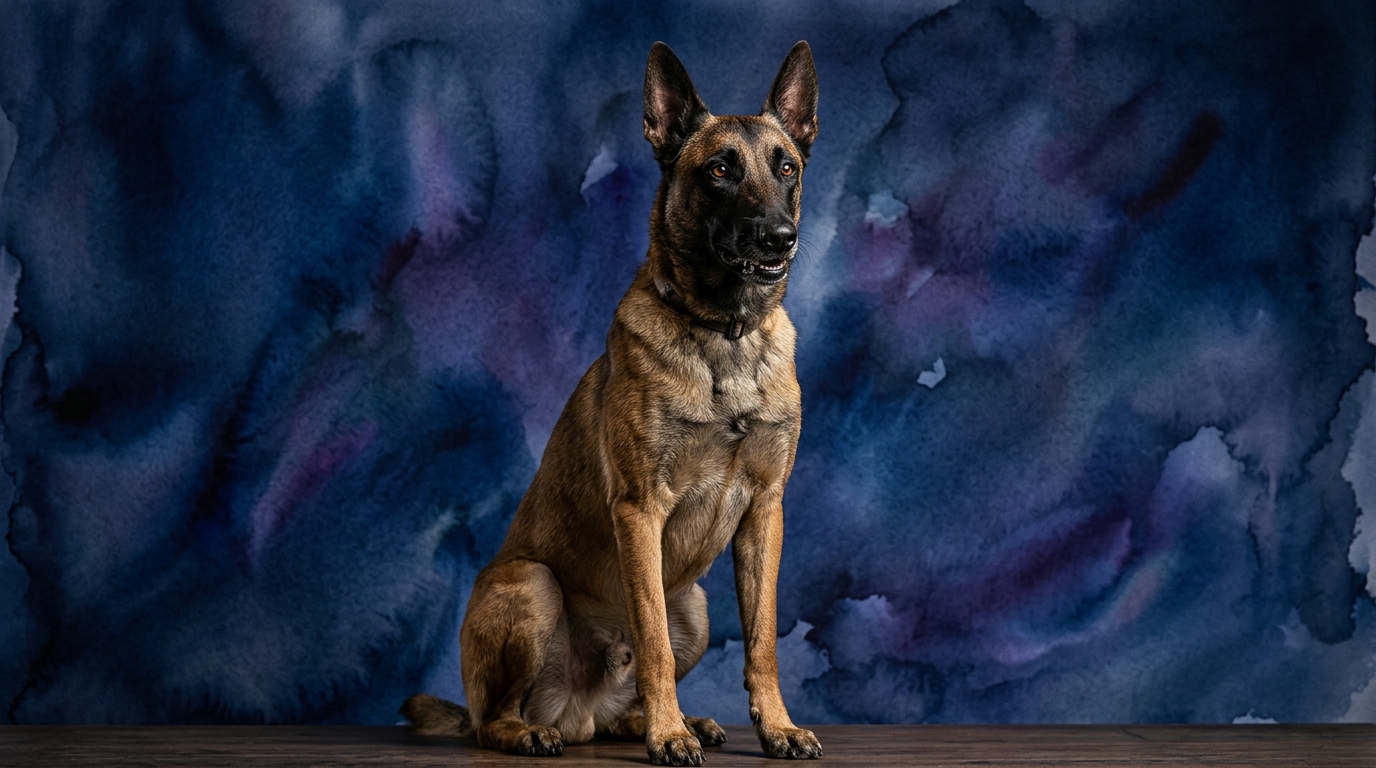
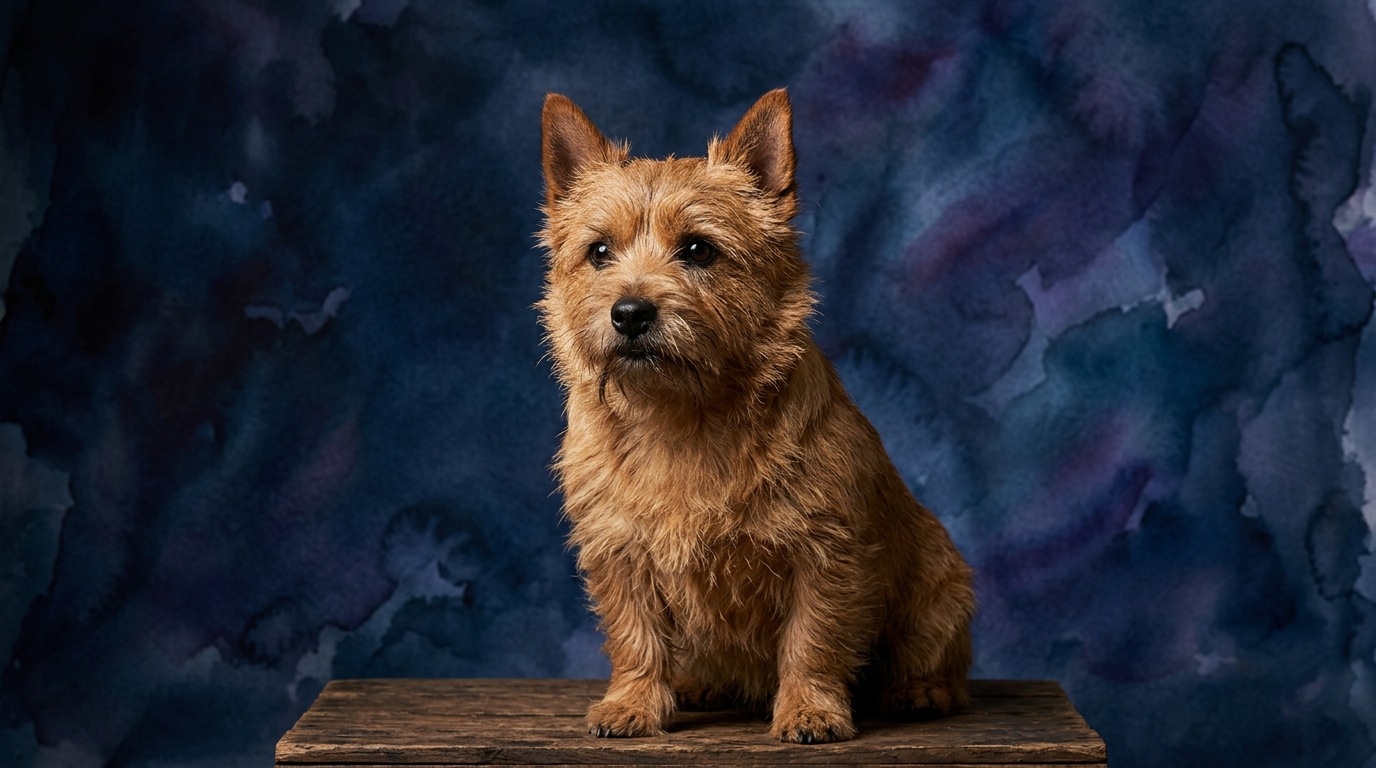
Side-by-Side IQ Profile: Belgian Malinois vs. Norwich Terrier
The Cosmic Pet Pet IQ Lab employs a five-dimensional framework to assess canine intelligence, offering a nuanced view beyond simple obedience. For the Belgian Malinois, a Herding breed, their profile reflects a formidable cognitive architecture optimized for demanding tasks. They achieve a Problem Solving score of 5/5, indicating an exceptional capacity for navigating complex scenarios and adapting strategies in real-time. Their Training Speed is also 5/5, meaning they acquire new commands with remarkable swiftness, often anticipating handler cues. Social Intelligence registers at 4/5, showing a strong attunement to their handler's intentions and emotional states, fostering deep working partnerships. An Instinctive Drive of 5/5 highlights their intense natural predispositions for herding, protection, and prey work, providing relentless focus and motivation. Finally, their Memory is rated 5/5, underscoring an outstanding retention of learned behaviors, sequences, and environmental details, crucial for consistent performance.
In contrast, the Norwich Terrier, a Terrier breed, presents a different cognitive blueprint, reflecting its heritage as a tenacious vermin hunter and companion. Their Problem Solving score is 3/5, indicating competence in practical, terrier-typical challenges like locating hidden objects or navigating familiar spaces, though less inclination for abstract problem-solving. Training Speed for the Norwich Terrier stands at 3/5; they learn at a moderate pace, often requiring more repetition and consistent reinforcement due to their independent nature. Their Social Intelligence is 3/5, signifying a solid connection with their family and an awareness of group dynamics, though their interactions with strangers or other animals can be more reserved or assertive. An Instinctive Drive of 3/5 points to their inherent terrier traits for digging, chasing, and asserting themselves, which are present but typically less intense or singularly directed than a Malinois's working drives. Lastly, their Memory is 3/5, demonstrating good recall for routines, key individuals, and basic commands within their established environment, though perhaps less for intricate or infrequently practiced tasks.
Where the Belgian Malinois Wins Cognitively
The Belgian Malinois demonstrably excels in areas requiring intricate cognitive processing and sustained mental effort. Their superior Problem Solving (5/5) allows them to strategize and adapt in dynamic, high-pressure situations, making them adept at complex tasks such as scent detection, search and rescue, or advanced obedience routines where multi-step solutions are required. This isn't merely about following commands, but about understanding the objective and devising methods to achieve it, even when conditions change. Their unparalleled Training Speed (5/5) means they absorb vast amounts of information quickly and precisely. They don't just learn a trick; they internalize a system of responses, enabling them to build an extensive repertoire of behaviors with minimal repetitions. This rapid acquisition of skills is crucial for roles demanding a broad and precise behavioral catalog.
Furthermore, the Malinois’s intense Instinctive Drive (5/5), when properly channeled, provides an unmatched work ethic and focus for specific jobs. This isn't a generalized restlessness but a powerful, directed motivation that allows them to push through fatigue and distractions to complete a task. Their advanced Memory (5/5) complements this, allowing them to retain complex sequences of commands, environmental cues, and even the subtle body language of their handler over long periods. This cognitive durability ensures consistent, high-level performance across diverse contexts, making them partners capable of performing under varying conditions and remembering intricate details crucial to their work.
Where the Norwich Terrier Wins Cognitively
While the Belgian Malinois shines in structured, high-stakes tasks, the Norwich Terrier brings a different, equally valuable set of cognitive strengths to the table, particularly in a companion role. Their Problem Solving (3/5), though not as abstract, is highly effective in practical, terrier-specific situations. They excel at independent decision-making in their immediate environment, such as figuring out how to retrieve a toy from under furniture or navigating a tricky garden path. This reflects a cognitive resilience in solving challenges relevant to their smaller scale and independent nature, often without needing direct human instruction.
The Norwich Terrier's Social Intelligence (3/5), while numerically lower, translates into a charming and less demanding social presence within a home. They form strong, affectionate bonds with their family, integrating smoothly into domestic life with a self-possessed demeanor. They don't require the intense, structured social engagement of a working dog, making them excellent companions who adapt to varied household rhythms. Their memory (3/5) for routines and key people, combined with their sturdy independence, means they are content and well-adjusted in their established environment, often showing a relaxed confidence that doesn't demand constant mental 'work' from their owners. They possess a practical intelligence focused on navigating their world with cheerful autonomy, a distinct advantage for a companion animal.
Which is Easier to Train and Why
Determining which breed is 'easier' to train depends heavily on the owner's experience and training goals. For complex, high-level tasks, the Belgian Malinois presents as significantly 'easier' due to their superior Training Speed (5/5) and profound desire to work in partnership. They grasp new concepts with minimal repetitions, often anticipating the handler's next move. This eagerness to engage and their drive to perform make them incredibly receptive to advanced training in areas like protection, agility, or obedience trials. However, their intense instinctive drives (5/5) and high energy mean that while they learn quickly, they require an equally intense and skilled handler to channel these traits productively. A Malinois not given a 'job' or consistent, structured mental stimulation can quickly become 'difficult' due to their undirected energy manifesting as destructive or anxious behaviors. They are easier to train for specific, demanding roles, but require a highly committed and competent trainer.
The Norwich Terrier, with a Training Speed of 3/5, is 'easier' for basic obedience and house manners for the average owner, provided consistency and patience. Their independent terrier spirit means they might test boundaries more frequently than a Malinois, requiring a more persistent and positive reinforcement-based approach. They learn at a moderate pace, but their needs are simpler to meet in terms of the *scope* of training required. They don't demand the same intensity of mental engagement or the vast repertoire of commands as a Malinois. While they may take more repetitions for a single command, their overall training demands are less overwhelming for someone seeking a well-mannered companion rather than a working partner. Their independence means they might not always be 'eager to please' in the same way, but their practical intelligence allows them to understand and comply with reasonable expectations over time.
Which Suits Active Owners vs. Relaxed Owners
The Belgian Malinois is unequivocally suited for highly active owners who integrate extensive physical exercise and rigorous mental engagement into their daily lives. Their profound instinctive drives (5/5), combined with exceptional problem-solving and memory, necessitate a lifestyle that actively channels these capacities. Owners must be prepared for long, vigorous walks, runs, or cycling alongside their dog, in addition to daily training sessions that challenge their intellect through advanced obedience, dog sports like Schutzhund or agility, or even simulated working tasks. Without these outlets, a Malinois can become restless, destructive, or develop behavioral issues stemming from boredom and unfulfilled drive. They thrive with owners who view dog ownership as an active partnership, a constant journey of learning and doing.
In contrast, the Norwich Terrier suits owners who are moderately active but also appreciate periods of relaxation and cozy companionship. They enjoy daily walks, playtime in a secure yard, and mental stimulation through puzzle toys or short training sessions, but they do not require the same intensity or duration of activity as a Malinois. Their instinctive drives (3/5) are present but typically more manageable, allowing them to be content with a good walk followed by curling up with their family on the couch. They are adaptable companions for those who enjoy regular outdoor activity but also value downtime, making them a suitable choice for families or individuals seeking a sturdy, spirited, yet ultimately comfortable companion without the overwhelming demands of a high-drive working breed.
The Verdict
Choose a Belgian Malinois if you are an experienced dog owner seeking an intense, highly trainable partner for advanced dog sports, protection work, or a demanding working role, and are prepared for a significant commitment to their physical and mental stimulation.
Opt for a Norwich Terrier if you desire a charming, independent companion who enjoys moderate activity, adapts well to family life, and offers a sturdy, self-possessed presence without the intense daily demands of a working breed.
🧠 Find Your Pet's IQ Score
Our Pet IQ Lab assessment covers 25+ tests across 5 cognitive dimensions — personalized to your breed.
Take the Full IQ Test →Frequently Asked Questions
Do Belgian Malinois require professional training?
While not strictly mandatory, professional guidance is highly recommended for Belgian Malinois due to their intense drives and cognitive capabilities. Expert trainers can help channel their problem-solving and instinctive drives productively, ensuring a well-adjusted companion. This breed thrives on structured learning and consistent direction.
Are Norwich Terriers good for first-time dog owners?
Norwich Terriers can be suitable for first-time dog owners who are prepared for their independent and spirited nature. They require consistent, positive reinforcement training and clear boundaries, but their moderate exercise needs and affectionate demeanor make them a manageable choice for someone committed to responsible ownership. Patience is key with their terrier traits.
How do their instinctive drives manifest differently in a home environment?
A Belgian Malinois's high instinctive drive often manifests as a need for a 'job,' potentially leading to herding family members, intense focus on perceived threats, or destructive chewing if not properly directed. A Norwich Terrier's instinctive drive, while present, typically appears as a keen interest in chasing small critters, digging, or vocal alerts, usually more manageable in a domestic setting without constant structured work.