
A Side-by-Side Cognitive Profile
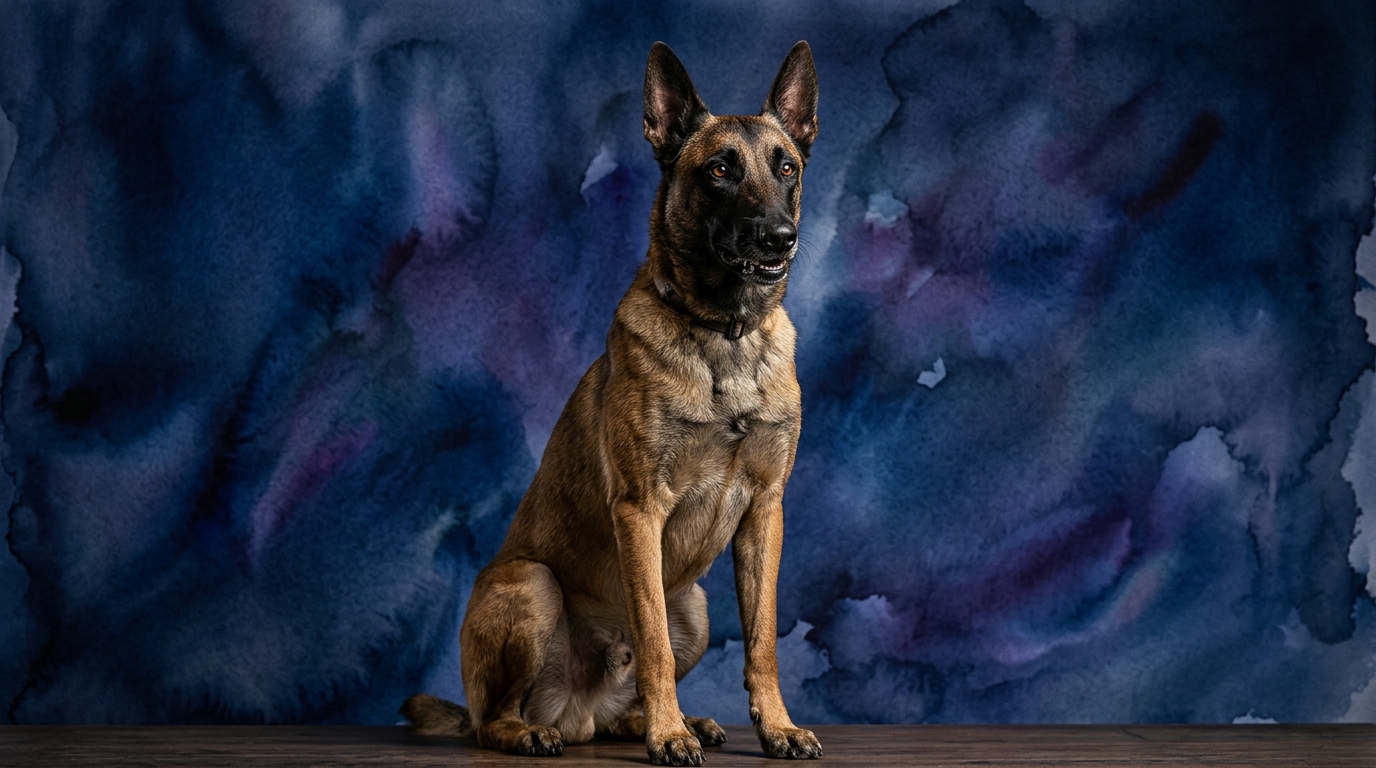
The Cosmic Pet Pet IQ Lab employs a five-dimensional framework to assess canine cognition, providing a granular view beyond general rankings. For the Belgian Malinois, a breed often seen in demanding roles, its profile reflects exceptional mental agility: Problem Solving 5/5, Training Speed 5/5, Social Intelligence 4/5, Instinctive Drive 5/5, and Memory 5/5. This places them at Coren rank #22, indicating a rapid capacity for learning and executing complex tasks.
In contrast, the Old English Sheepdog presents a more measured cognitive landscape. Its scores are Problem Solving 3/5, Training Speed 3/5, Social Intelligence 3/5, Instinctive Drive 3/5, and Memory 4/5. Positioned at Coren rank #44, these scores suggest a dog that processes information and learns at a more deliberate pace, with a strong memory being a particular asset within its profile.
These differing profiles highlight intrinsic predispositions. The Malinois exhibits a high-octane mental engine, designed for rapid processing and consistent output, while the Old English Sheepdog possesses a robust, albeit slower, intellectual framework, emphasizing retention and perhaps a more independent thought process. Understanding these foundational differences is key to appreciating their distinct behavioral expressions and learning styles.
Where the Belgian Malinois Excels Cognitively
The Belgian Malinois's cognitive strengths are clearly evident in its top marks across several dimensions. Its 5/5 Problem Solving score means it can quickly analyze novel situations and devise effective strategies, whether it's navigating an intricate agility course or figuring out how to open a complex puzzle toy. This isn't just about raw speed; it's about the depth of their analytical capacity.
Coupled with a 5/5 Training Speed, the Malinois absorbs new commands and sequences with remarkable efficiency. They don't just learn; they generalize concepts rapidly, applying learned behaviors to new contexts without extensive re-teaching. This cognitive fluidity allows them to progress through advanced training protocols, such as scent detection or protection work, at a pace few other breeds can match.
Their 5/5 Instinctive Drive fuels their intense focus and persistence, enabling them to sustain effort on tasks that might bore other dogs. This drive is not merely physical; it's a cognitive imperative to engage, work, and achieve a goal. Finally, a 5/5 Memory ensures that once a lesson is learned or an experience is registered, it remains firmly embedded, allowing for consistent performance and recall over long periods, which is critical for breeds performing high-stakes tasks.
Where the Old English Sheepdog Shows its Cognitive Strengths
While the Old English Sheepdog's cognitive scores are generally lower than the Malinois, its profile reveals strengths suited to its unique heritage and role. Its 4/5 Memory score is a notable asset, indicating a strong capacity to retain information and experiences over time. This isn't about rapid processing, but rather enduring recall, allowing them to remember routines, boundaries, and past interactions reliably.
The Old English Sheepdog's 3/5 in Problem Solving and Training Speed suggests a thoughtful approach rather than an impulsive one. They may take longer to grasp new concepts or solve puzzles, but once they do, their strong memory helps solidify that learning. This deliberate cognitive style means they are less likely to make hasty decisions and more likely to stick with what they know works, a trait valuable in a herding dog that must manage large flocks independently.
Their 3/5 Social Intelligence, while not as high as some breeds, indicates a sufficient capacity for understanding social cues, allowing them to integrate well into family dynamics and interact appropriately with familiar individuals. Their instinctive drive, also at 3/5, is geared towards a more steady, watchful herding style, rather than the high-intensity, precision work of a Malinois, requiring a different kind of cognitive endurance and focus.
Ease of Training: Malinois vs. Old English Sheepdog
When considering ease of training, the Belgian Malinois, with its 5/5 Training Speed and 5/5 Problem Solving, presents a picture of rapid assimilation and execution. These dogs are highly responsive to commands and eager to learn, often anticipating their handler's next instruction. Their intense focus and high drive mean they thrive on structured, consistent training that challenges their mental capabilities. Behavioral differences include their tendency to form strong working partnerships, seeking direction and validation from their handler, which translates into an almost instantaneous response to cues.
The Old English Sheepdog, with a 3/5 Training Speed, requires a more patient and consistent approach. They absorb information at a slower rate, and repetition is more crucial for solidifying new behaviors. Their problem-solving style is often more independent; they might ponder a situation before acting, rather than immediately seeking handler input. This can be interpreted as stubbornness if one expects Malinois-level responsiveness, but it's more accurately a reflection of their cognitive processing speed and historical role as independent livestock guardians.
Real behavioral differences manifest in their motivation and learning curves. A Malinois is often motivated by the sheer act of working and pleasing its handler, making positive reinforcement highly effective for rapid skill acquisition. An Old English Sheepdog, while also responsive to positive reinforcement, benefits from shorter, more engaging training sessions that don't overwhelm its processing capacity, and it may require more creative methods to maintain engagement due to its more relaxed drive. Their independent streak means they might question a command if they don't see its immediate purpose, requiring a handler who understands their thoughtful nature.
Suitability for Active vs. Relaxed Owners
The Belgian Malinois is undeniably suited for active owners who can provide substantial mental and physical engagement. Their 5/5 Instinctive Drive means they require a 'job' to feel fulfilled, whether it's competitive dog sports, advanced obedience, or working roles. An owner who doesn't meet this demand will likely encounter behavioral challenges stemming from boredom and unchanneled energy. These dogs thrive with daily high-intensity exercise and consistent cognitive challenges that tap into their problem-solving and memory skills, such as complex trick training or scent work.
Conversely, the Old English Sheepdog fits more comfortably with relaxed owners, though they still require regular, moderate exercise. Their 3/5 Instinctive Drive does not demand the same relentless pace or complex mental gymnastics as a Malinois. They enjoy leisurely walks, playtime in a secure yard, and being part of family activities. While they appreciate mental stimulation, it doesn't need to be as intense or constant. Their social intelligence and memory make them excellent companions in a home environment where their cognitive needs are met through consistent routines and gentle interaction rather than high-octane performance demands.
Owners must honestly assess their lifestyle. A Malinois will push an owner to be more active and engaged, demanding a partnership in rigorous pursuits. An Old English Sheepdog will integrate into a more placid home, offering companionship without the ceaseless demand for intense activity. The choice hinges on the owner's capacity and desire to provide either a working partner or a thoughtful, shaggy companion.
The Verdict
Choose a Belgian Malinois if you are an experienced, active owner seeking a highly driven, fast-learning partner for intense dog sports, working roles, or advanced obedience training. You must be prepared to provide daily, rigorous mental and physical challenges.
Choose an Old English Sheepdog if you are a more relaxed owner looking for a thoughtful, steady companion who enjoys moderate activity and consistent family routines, appreciating a dog with a strong memory and independent streak.
🧠 Find Your Pet's IQ Score
Our Pet IQ Lab assessment covers 25+ tests across 5 cognitive dimensions — personalized to your breed.
Take the Full IQ Test →Frequently Asked Questions
Do Belgian Malinois need professional training?
While not strictly mandatory, professional guidance is highly recommended for Belgian Malinois. Their intense drive and rapid learning mean they benefit immensely from expert trainers who can channel their abilities effectively and help owners manage their demanding cognitive and physical needs, preventing the development of undesirable behaviors.
Are Old English Sheepdogs difficult to train because of their lower scores?
Old English Sheepdogs are not difficult to train, but they require a different approach than breeds with higher training speed. Their 3/5 training speed means patience, consistency, and positive reinforcement are key. They respond well to clear, repetitive training sessions and thrive when they understand the purpose of a command, solidifying learned behaviors with their 4/5 memory.
Which breed is better for a first-time dog owner?
For a first-time dog owner, the Old English Sheepdog is generally a more suitable choice. Their more moderate instinctive drive and training speed make them less overwhelming than a Belgian Malinois, who requires an experienced hand to manage their intense energy and cognitive demands. The Old English Sheepdog's thoughtful nature allows for a more forgiving learning curve for both dog and owner.