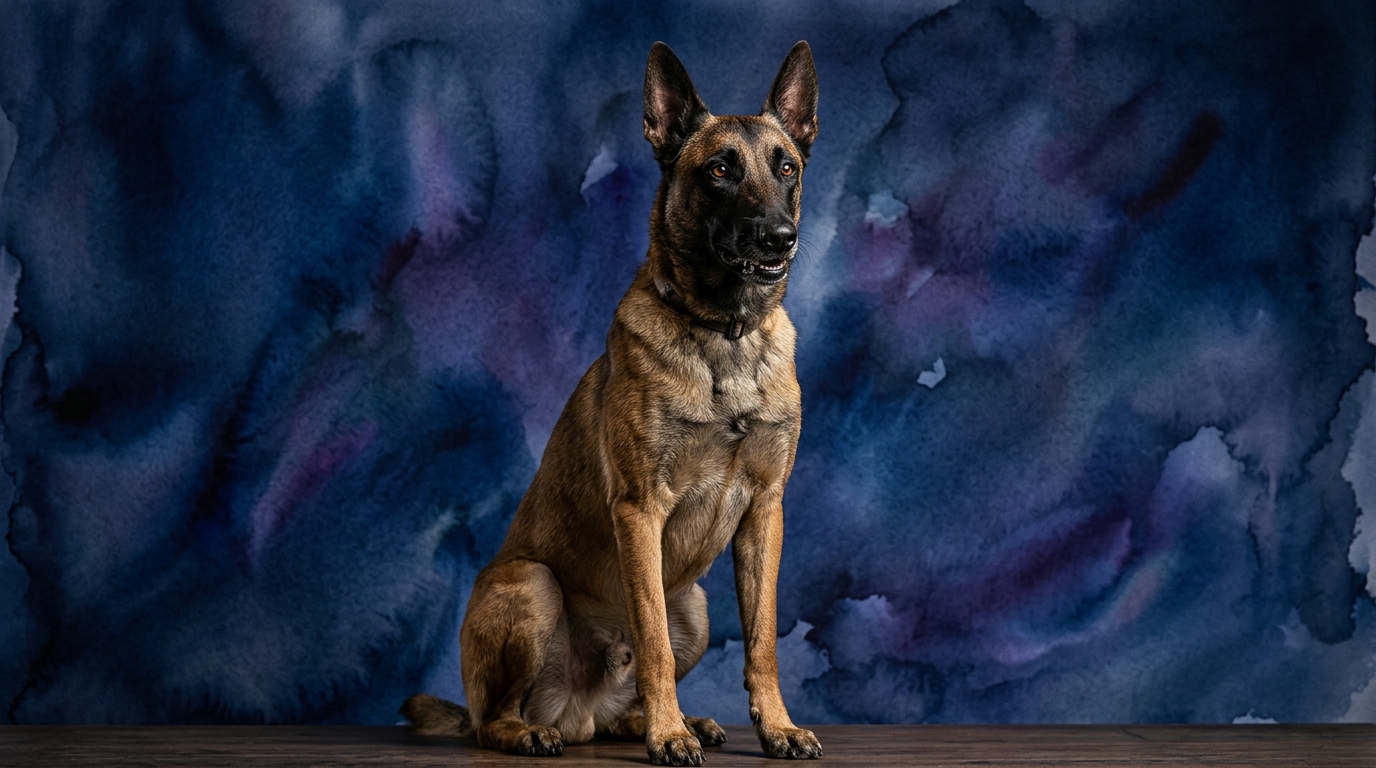
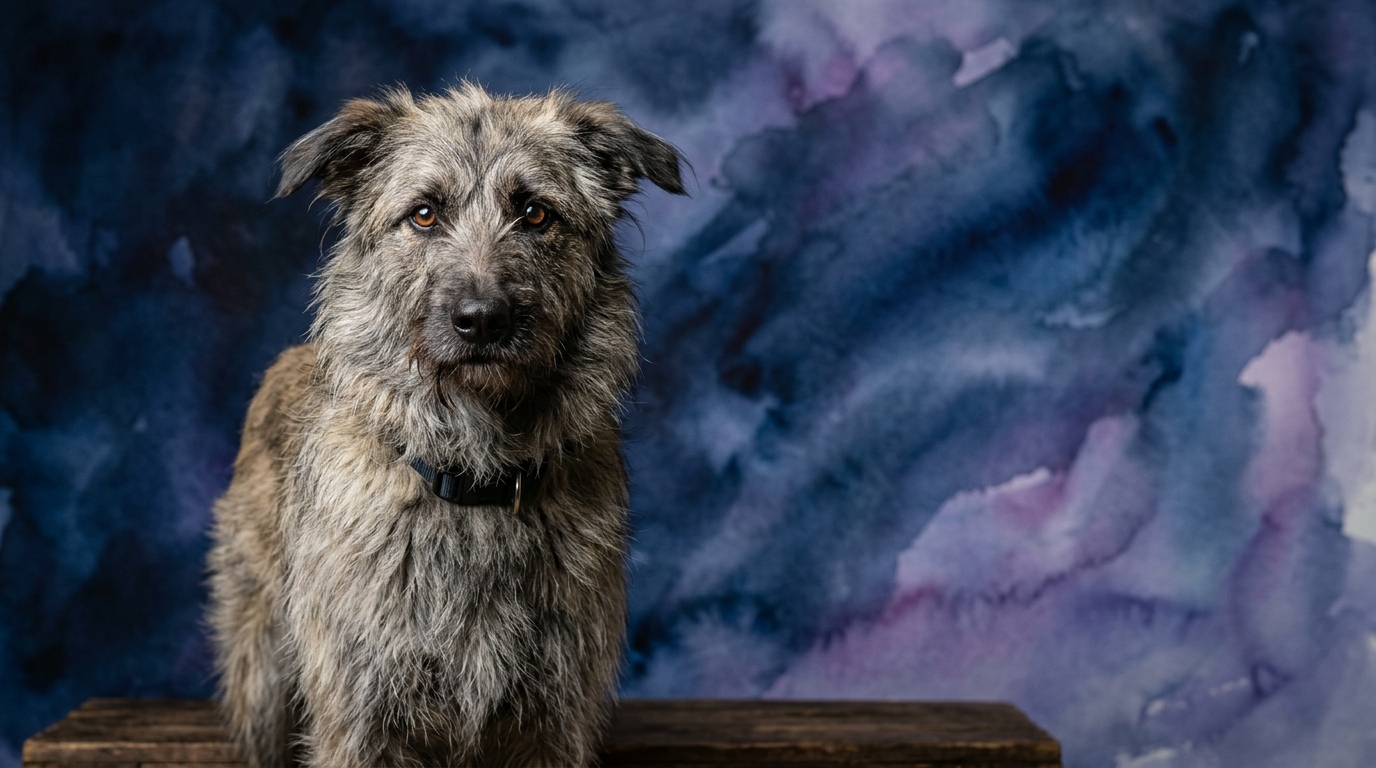
Side-by-Side Cognitive Profiles
The Cosmic Pet Pet IQ Lab employs a five-dimensional framework to assess canine intelligence, providing a nuanced understanding beyond simple obedience. For the Belgian Malinois, the scores paint a picture of extraordinary mental agility: Problem Solving 5/5, Training Speed 5/5, Social Intelligence 4/5, Instinctive Drive 5/5, and Memory 5/5. This profile suggests a dog engineered for complex tasks, capable of absorbing and retaining vast amounts of information with remarkable speed, while maintaining a strong connection to its handler and an unyielding drive to work. Their high social intelligence, combined with supreme memory, enables them to form deep, cooperative bonds crucial for advanced training and partnership.
In contrast, the Pyrenean Shepherd's profile showcases a different cognitive blueprint: Problem Solving 3/5, Training Speed 3/5, Social Intelligence 3/5, Instinctive Drive 3/5, and Memory 3/5. These scores indicate a breed that approaches challenges with thoughtful independence rather than lightning-fast processing. Their moderate training speed suggests a dog that learns at a more deliberate pace, requiring consistency and patience, while their social intelligence score points to a selective, often handler-focused, bond rather than a broad desire to please all. The instinctive drive, while present, is less overwhelming than that of the Malinois, allowing for a distinct type of working relationship and engagement.
Where the Belgian Malinois Wins Cognitively
The Belgian Malinois demonstrably excels across multiple cognitive domains, particularly in areas demanding rapid processing and retention. Their 5/5 Problem Solving score signifies an exceptional capacity to analyze novel situations and devise effective solutions quickly, making them adept at adapting to changing scenarios in real-time during complex operations. This isn't just about following commands; it's about making informed decisions under pressure, such as navigating an obstacle course or identifying a specific scent in a chaotic environment. The 5/5 Training Speed is a direct reflection of their neural efficiency, allowing them to grasp new commands, concepts, and intricate sequences almost instantly. This rapid acquisition means fewer repetitions are needed, freeing up training time for advanced skills and refinement.
Furthermore, the Malinois's 5/5 Memory score ensures that once a behavior or task is learned, it is deeply ingrained and readily recalled, even after long periods. This superior memory underpins their reliability in high-stakes roles, where forgetting a critical command or procedure could have severe consequences. Their 4/5 Social Intelligence, while not a perfect 5, means they are highly attuned to their handler's cues, intentions, and emotional state, fostering a cooperative partnership that is crucial for executing precise tasks. This combination of swift learning, enduring memory, and strong handler focus makes the Malinois a peerless performer in fields requiring intricate cognitive engagement and unwavering consistency.
Where the Pyrenean Shepherd Wins Cognitively
While the Pyrenean Shepherd's cognitive scores are generally lower, their strengths lie in a different, equally valuable set of traits, particularly those favoring independent action and self-reliance. Their 3/5 Problem Solving, though not as rapid as the Malinois, often manifests as thoughtful, autonomous decision-making, which can be a distinct advantage in specific working contexts. For instance, a Pyrenean Shepherd herding sheep in vast, remote pastures might need to make independent judgments about flock movement or predator deterrence without constant human direction, where a Malinois might wait for a command. This self-sufficiency is a hallmark of many traditional herding breeds, allowing them to effectively manage livestock over challenging terrain.
The Pyrenean Shepherd's 3/5 Social Intelligence, rather than indicating a lack of connection, often points to a more discerning and handler-centric bond. They are not necessarily eager to please every person but form a deep, focused partnership with their primary handler, valuing that relationship above broad social approval. This selective social focus can translate into a dog less distracted by external stimuli and more dedicated to its immediate task and companion. Their 3/5 Instinctive Drive, while not overwhelming, is robust enough to fuel their natural herding abilities without requiring the intense, constant outlet demanded by a higher-drive breed. This makes their working drive manageable for owners who seek a capable partner for active pursuits but not necessarily one that needs relentless, structured work every single day.
Which is Easier to Train and Why
Based on their cognitive profiles, the Belgian Malinois is unequivocally easier to train in terms of speed and precision. Their 5/5 Training Speed and 5/5 Memory mean they absorb new information with astonishing rapidity and retain it indefinitely. A Malinois learns a command or a complex sequence in far fewer repetitions than most breeds, often understanding the expectation after just a few attempts. Their strong instinctive drive (5/5) and high social intelligence (4/5) further contribute to their trainability, as they possess an inherent desire to work and please their handler, channeling their intense energy into structured tasks. This eagerness to engage and perform makes them a joy for experienced trainers who can provide consistent, stimulating, and challenging work.
The Pyrenean Shepherd, with its 3/5 Training Speed and 3/5 Memory, presents a more deliberate training experience. They are certainly trainable, but they require more patience, repetition, and creative motivation. Their independent problem-solving nature means they might ponder a command or try alternative solutions before complying, rather than instantly submitting. Their social intelligence, while strong with their chosen handler, doesn't translate to the same universal 'eagerness to please' seen in the Malinois; they might decide if a command is worth their effort. Training a Pyrenean Shepherd often involves understanding their independent spirit and finding ways to make training a collaborative, engaging experience rather than a strict command-and-response routine, acknowledging their inherent self-reliance and occasional stubborn streak.
Which Suits Active Owners vs. Relaxed Owners
For the highly active and experienced owner, the Belgian Malinois is an unparalleled match. Their extreme instinctive drive (5/5), coupled with their vast cognitive capabilities, necessitates a lifestyle filled with rigorous physical exercise and constant mental engagement. These dogs thrive when given a 'job' – be it protection work, advanced obedience, agility, or competitive sports. An owner who cannot provide several hours of structured activity and mental challenges daily will quickly find a Malinois becoming destructive or anxious. They are not dogs for casual walks; they require intense, purposeful activity that taps into their problem-solving and drive. This breed demands an owner who is as dedicated and energetic as they are, capable of channeling their formidable intellect and drive into productive outlets.
While not suited for truly 'relaxed' owners, the Pyrenean Shepherd offers a more manageable level of activity and intensity compared to the Malinois, making them suitable for active owners who appreciate a spirited companion for outdoor adventures rather than demanding structured work. Their 3/5 Instinctive Drive means they need regular exercise – hiking, running, or dog sports – but they might not require the same relentless, high-intensity 'work' every single day. They are excellent partners for owners who enjoy varied outdoor activities and can provide a consistent routine of physical and mental stimulation, but who might not be seeking a dog for advanced protection or competitive trials. The Pyrenean Shepherd will thrive with an owner who respects their independent nature and can engage them in activities that appeal to their natural herding instincts in a less formal setting.
The Verdict
Choose the Belgian Malinois if you are an experienced, highly active owner seeking a demanding working partner for intense sports, protection, or service roles, capable of providing constant mental and physical challenges.
Opt for the Pyrenean Shepherd if you appreciate an independent, spirited companion for varied outdoor activities and moderate dog sports, and are patient with training, valuing a dog with self-reliance.
🧠 Find Your Pet's IQ Score
Our Pet IQ Lab assessment covers 25+ tests across 5 cognitive dimensions — personalized to your breed.
Take the Full IQ Test →Frequently Asked Questions
Can a Belgian Malinois be a good family pet?
Yes, but with significant caveats. A Malinois can be a loyal family member if their intense physical and mental needs are met, typically requiring an experienced owner committed to rigorous training and daily engagement. They are not a suitable choice for novice owners or those with a sedentary lifestyle, as their high drive can lead to destructive behaviors if not properly channeled.
Are Pyrenean Shepherds good with children or other pets?
Pyrenean Shepherds can be good with children and other pets, especially if raised with them from a young age and properly socialized. However, their herding instincts may lead them to 'herd' children or smaller animals, so supervision and clear boundaries are essential. Their independent nature also means they might not tolerate constant handling from young children.
Which breed requires more grooming?
The Pyrenean Shepherd, with its medium-length, often shaggy or corded coat, generally requires more grooming than the short-coated Belgian Malinois. Regular brushing is essential for the Pyrenean Shepherd to prevent matting and to manage shedding, while the Malinois typically only needs occasional brushing to maintain coat health.