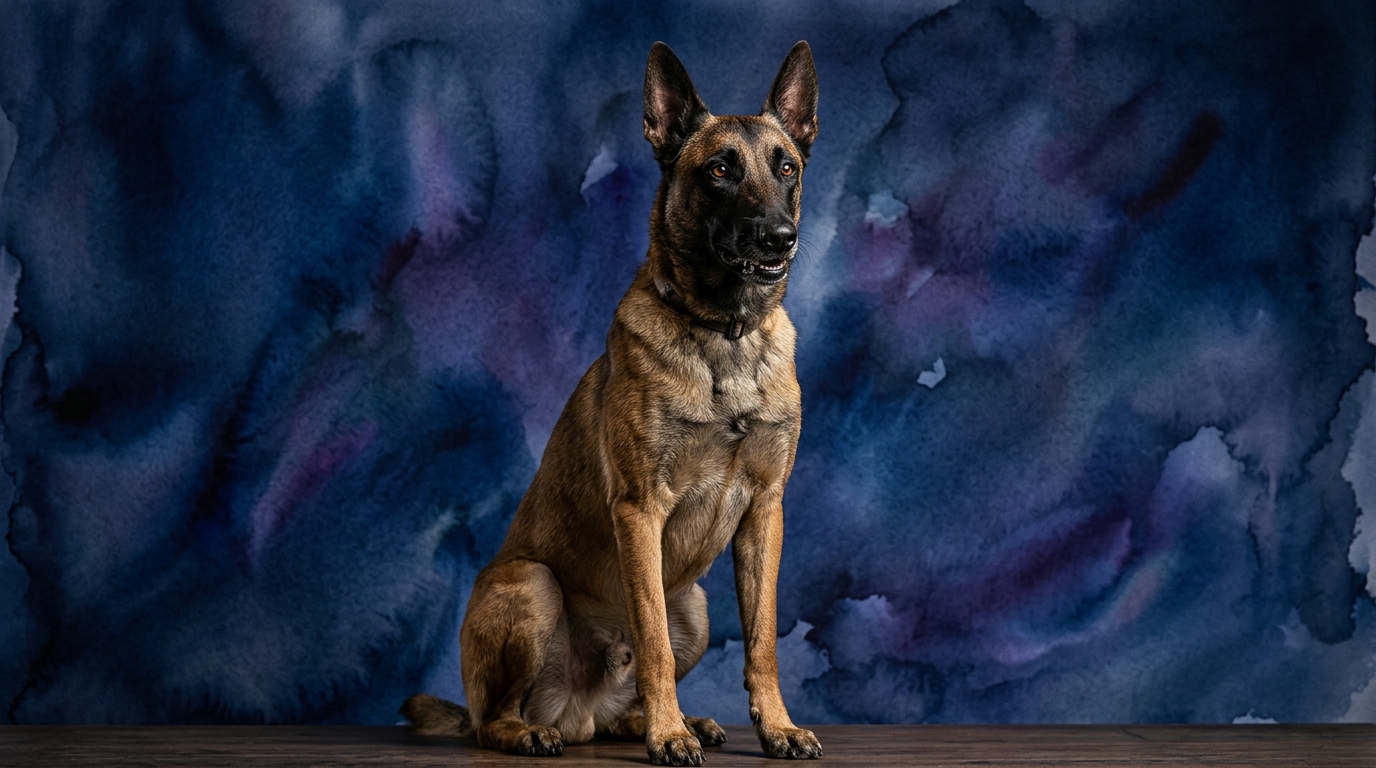
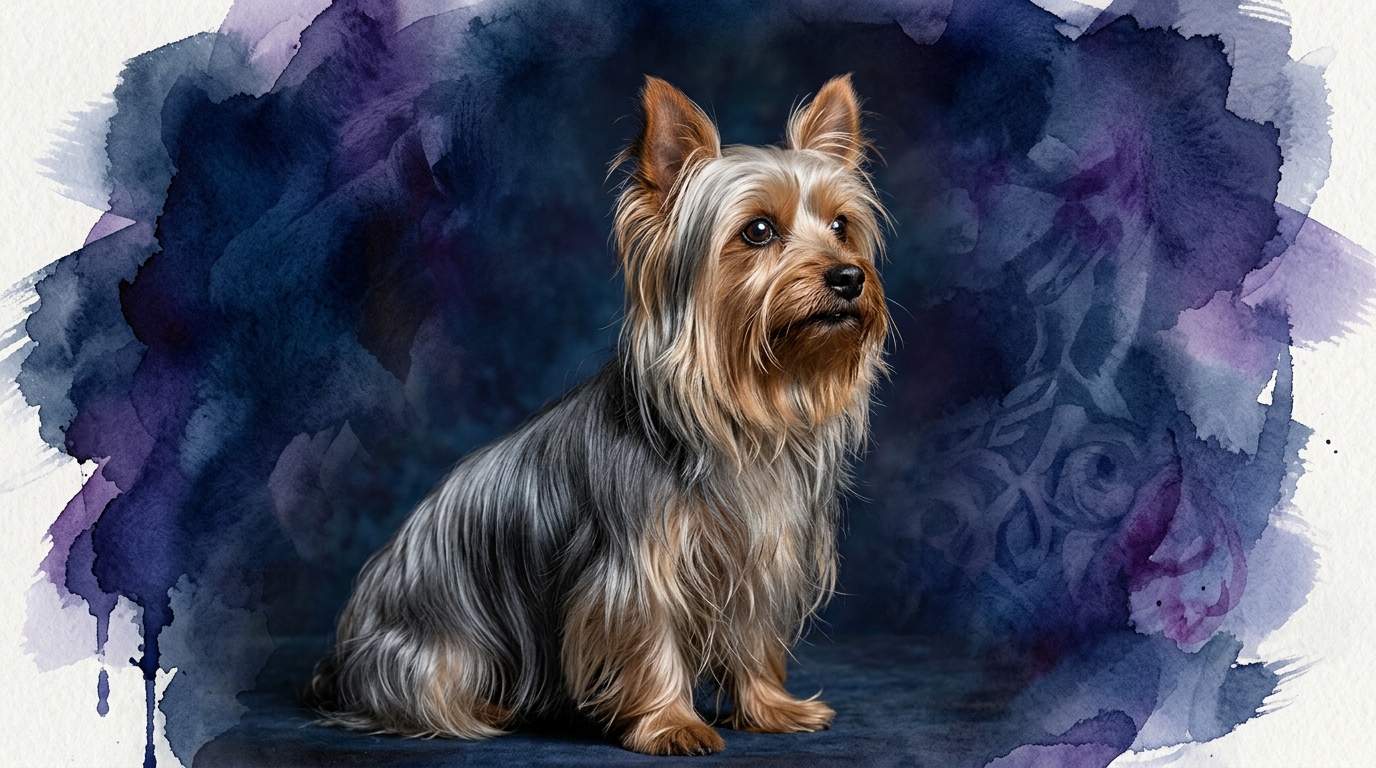
Side-by-Side IQ Profile: Belgian Malinois vs. Silky Terrier
At The Cosmic Pet Pet IQ Lab, we assess canine intelligence across five key dimensions. The Belgian Malinois, ranked #22 by Coren, presents a profile geared for demanding work, while the Silky Terrier, unranked by Coren, offers a companion-focused set of cognitive strengths.
For the **Belgian Malinois (Herding Group)**, their IQ profile is as follows:
**Problem Solving (5/5):** This breed excels at dissecting complex scenarios and formulating effective solutions, a critical trait for tasks like search and rescue, detection work, or advanced obedience routines. They don't just follow commands; they understand the objective and can adapt their approach in dynamic situations.
**Training Speed (5/5):** Malinois absorb new commands and behaviors with remarkable speed, often grasping concepts in just a few repetitions. Their inherent desire to work, strong focus, and drive to please contribute significantly to this rapid acquisition of skills.
**Social Intelligence (4/5):** While intensely focused on their primary handler, Malinois possess a keen awareness of social cues within their working environment. They can read intentions and respond appropriately in high-stakes situations, though their social interactions outside of work can be more reserved than some other breeds.
**Instinctive Drive (5/5):** Their drive is profound and multifaceted, encompassing strong prey drive, territorial instincts, and an unyielding desire to perform a job. This intrinsic motivation fuels their relentless pursuit of tasks and makes them incredibly tenacious and persistent.
**Memory (5/5):** Malinois demonstrate exceptional long-term memory for commands, learned behaviors, and even specific environmental triggers. Once a skill is learned, it is retained with remarkable fidelity, allowing for complex, multi-stage tasks to be performed reliably over time.
For the **Silky Terrier (Toy Group)**, their IQ profile is characterized by:
**Problem Solving (3/5):** Silky Terriers exhibit practical, terrier-typical problem-solving, often focused on navigating their immediate environment, finding interesting objects, or figuring out how to get attention. Their solutions are often driven by curiosity and independent thought rather than complex task analysis.
**Training Speed (3/5):** While capable of learning, Silky Terriers approach training with a more independent spirit. They can learn commands at a moderate pace, but their willingness to comply often depends on their motivation and whether they perceive the task as worthwhile, requiring patience and engaging methods from their trainer.
**Social Intelligence (3/5):** Silky Terriers are generally attuned to their human companions' moods and social dynamics within the home. They can be quite adept at soliciting affection or attention, but their social intelligence is typically applied within a smaller, more personal sphere compared to a working breed.
**Instinctive Drive (3/5):** They possess a characteristic terrier drive, including a desire to dig, chase small critters, and alert their household to perceived intrusions. This drive, while present, is typically less intense and channeled differently than the all-consuming work drive of a Malinois.
**Memory (3/5):** Silky Terriers can remember commands and routines, particularly those that are consistent and rewarding. Their memory serves them well in navigating their domestic lives and remembering preferred human interactions, though they might not retain long sequences of complex instructions with the same precision as a working breed.
Where the Belgian Malinois Wins Cognitively
The Belgian Malinois demonstrably excels in areas demanding sustained mental rigor and precision, a hallmark of their working heritage. Their superior Problem Solving (5/5) allows them to process intricate patterns in detection work or strategize during agility courses, adapting to unforeseen obstacles with fluid, rapid thought. The breed's Training Speed (5/5) means they can master new, multi-stage commands in a fraction of the time it takes many other breeds, building a vast repertoire of learned behaviors rapidly and efficiently. Furthermore, their perfect Memory (5/5) ensures these complex skills and situational awareness are retained for extended periods, making them incredibly dependable in roles where consistency is paramount, such as police or military service. This cognitive architecture is purpose-built for executing demanding, high-stakes tasks with unwavering focus, precision, and the capacity to adapt to dynamic environments.
Where the Silky Terrier Wins Cognitively
While not designed for large-scale working tasks, the Silky Terrier possesses a distinctive cognitive strength rooted in its terrier heritage, particularly within its domestic sphere. Their Problem Solving (3/5) manifests as cleverness in navigating household dynamics, often figuring out how to access forbidden treats, or subtly manipulating situations for extra cuddles and attention. This breed demonstrates a keen observational capacity within their home environment, quickly learning the routines, preferences, and emotional states of their human family members. Their Instinctive Drive (3/5), though less intense than a Malinois, translates into a tenacious persistence for tasks they deem important, like investigating a suspicious sound or digging for an imagined critter, showcasing a focused determination that can be harnessed for engaging games or trick training. They are adept at thriving in a companion role, using their wits to integrate seamlessly into family life and become masters of domestic diplomacy.
Which is Easier to Train and Why
Determining 'easier' depends heavily on the trainer's experience and goals. The Belgian Malinois, with its 5/5 Training Speed and 5/5 Instinctive Drive, is an exceptionally fast learner and eager to work. They thrive on clear direction and consistent challenges, absorbing complex commands with few repetitions. However, their profound drive and intensity mean they require a highly skilled, confident handler who can provide structure, channel their energy productively, and manage their strong instincts. A novice owner might find their relentless drive overwhelming without proper guidance, potentially leading to behavioral issues if their needs aren't met.
In contrast, the Silky Terrier, with a 3/5 Training Speed and 3/5 Instinctive Drive, learns at a more moderate pace and possesses a more independent streak typical of terriers. They respond best to positive reinforcement, short, engaging sessions, and a trainer who understands their potential for stubbornness. While they may not achieve the same level of complex obedience as a Malinois, their training journey is often more manageable for a first-time dog owner seeking a well-mannered companion, provided consistency and patience are applied to overcome their independent nature and focus their attention.
Which Suits Active Owners vs. Relaxed Owners
The choice between these breeds fundamentally comes down to lifestyle. The Belgian Malinois is unequivocally suited for highly active owners who embrace a demanding, structured routine. Their immense physical stamina and insatiable cognitive appetite demand daily vigorous exercise, such as long runs, advanced obedience, agility, or bite work, coupled with extensive mental stimulation. Without sufficient outlets for their 5/5 Instinctive Drive and 5/5 Problem Solving, a Malinois can become frustrated, destructive, or develop undesirable behaviors due to boredom and pent-up energy.
Conversely, the Silky Terrier offers a more adaptable companionship, appealing to owners who enjoy moderate activity. While they benefit from regular walks and playtime, their needs are less intense than a Malinois. A Silky Terrier can happily thrive with a relaxed owner who provides consistent daily walks, engages in indoor games, and offers plenty of affectionate interaction, making them a suitable choice for those seeking a lively but less demanding canine presence in their home. They are perfectly content to curl up on the couch after a good walk, a stark contrast to the Malinois's continuous readiness for action.
The Verdict
Select a Belgian Malinois if you are an experienced, active owner committed to providing extensive physical exertion and rigorous mental challenges, seeking a highly capable working partner or a performance dog in advanced sports.
Opt for a Silky Terrier if you desire a spirited, affectionate companion who thrives on moderate activity and close family interaction, suitable for owners seeking a lively presence without the extreme demands of a working breed.
🧠 Find Your Pet's IQ Score
Our Pet IQ Lab assessment covers 25+ tests across 5 cognitive dimensions — personalized to your breed.
Take the Full IQ Test →Frequently Asked Questions
Are Belgian Malinois good family dogs?
Belgian Malinois can be loyal family members, but their intense drive and protective instincts mean they require early socialization, consistent training, and active engagement from all family members. They are best suited for families with older children who understand how to interact respectfully with a powerful, driven dog and can participate in their care and training.
Do Silky Terriers bark a lot?
Silky Terriers often have a tendency to bark, particularly as a way to alert their owners to perceived intruders or unusual sounds, reflecting their terrier watchfulness. Consistent training from a young age can help manage excessive barking, but their vocal nature is a common breed trait that owners should be prepared to address with patience and positive reinforcement.
Can a Silky Terrier live in an apartment?
Yes, Silky Terriers can adapt well to apartment living due to their smaller size, provided they receive adequate daily exercise and mental stimulation. Regular walks, indoor play, and opportunities for social interaction are crucial to keep them content and prevent boredom in a smaller living space, ensuring they remain well-adjusted companions.