Side-by-Side Cognitive Profiles
Our assessment at The Cosmic Pet Pet IQ Lab measures canine intelligence across five key dimensions: problem-solving, training speed, social intelligence, instinctive drive, and memory. Examining these metrics for the Belgian Malinois and the Wirehaired Pointing Griffon illuminates their inherent differences.
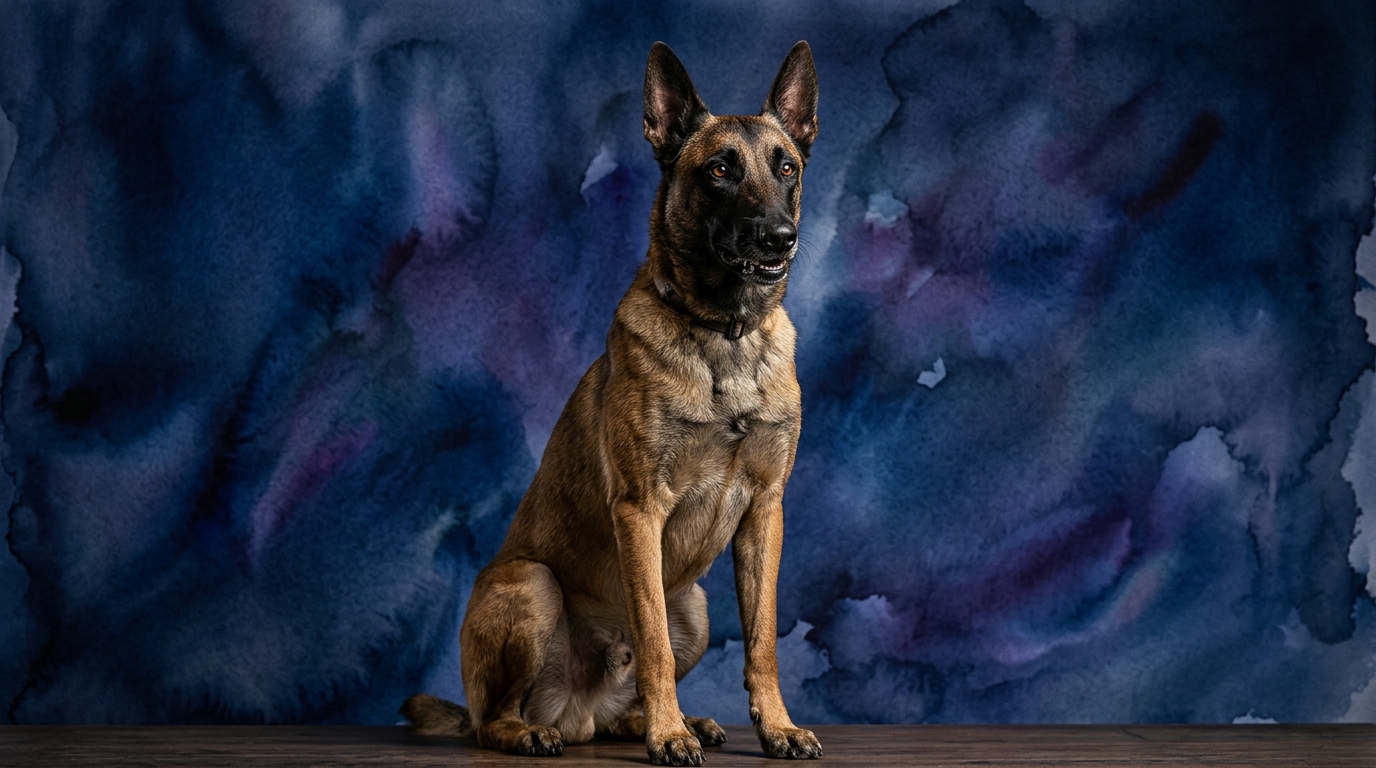
The Belgian Malinois, a Herding group dog, consistently demonstrates exceptional cognitive faculties, earning a Coren rank of #22. Its Problem Solving is rated 5/5, indicating an outstanding capacity to analyze and navigate complex situations, from intricate detection work to advanced obedience courses. Training Speed also registers a perfect 5/5, meaning these dogs absorb new commands and multi-step routines with remarkable alacrity, often requiring only a few repetitions. Social Intelligence stands at 4/5; while attuned to human cues and pack dynamics, their focus is often on task execution rather than purely emotional connection. Their Instinctive Drive is a profound 5/5, manifesting as an intense desire to work, chase, and guard, which fuels their engagement in demanding roles. Finally, Memory is an impressive 5/5, allowing them to retain vast repertoires of commands, intricate sequences, and environmental details over extended periods.
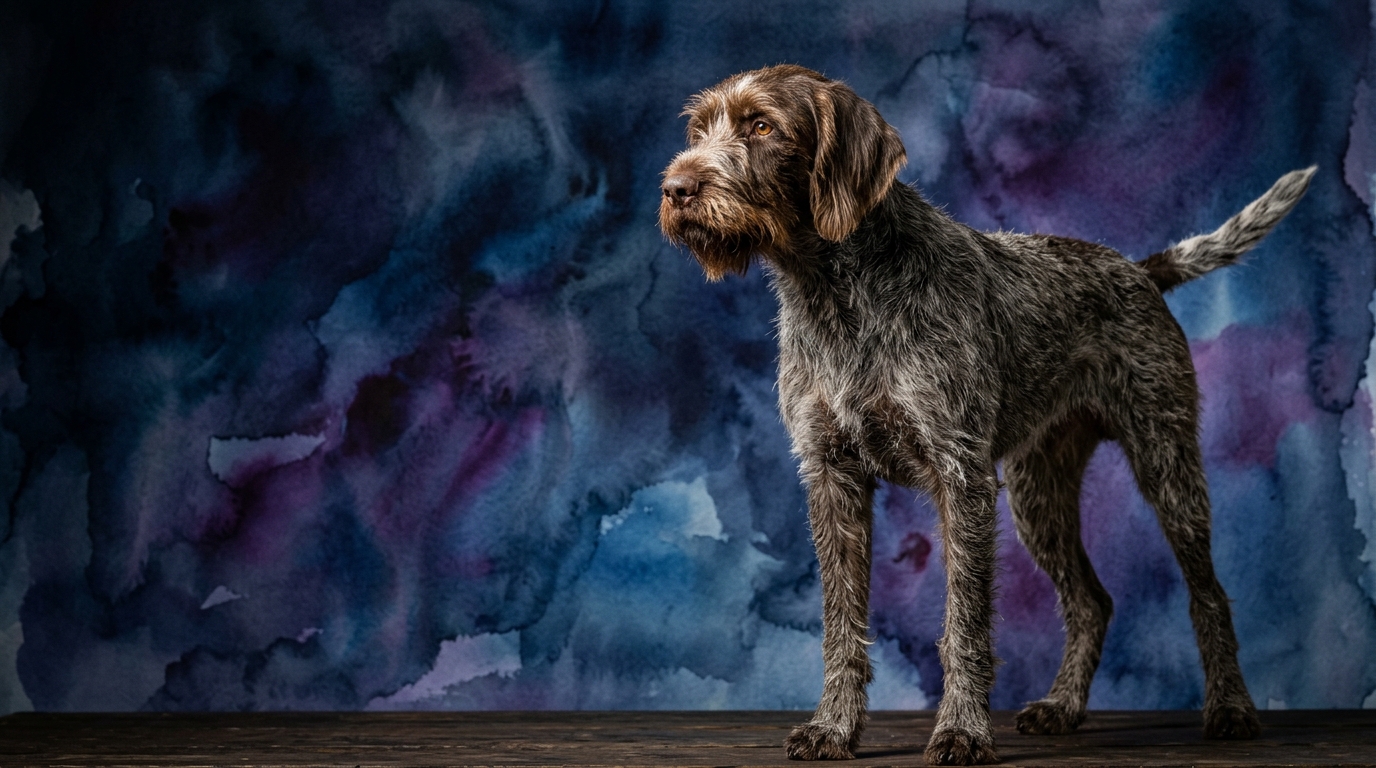
In contrast, the Wirehaired Pointing Griffon, a Sporting group dog and not Coren-ranked, presents a more moderate, yet equally purposeful, cognitive profile. Its Problem Solving is rated 3/5, indicating proficiency in practical, task-specific challenges like scent tracking and navigating varied terrain during a hunt, rather than abstract puzzles. Training Speed is 3/5, suggesting these dogs require consistent, patient reinforcement to solidify new behaviors and longer practice sessions compared to a Malinois. Social Intelligence is 3/5; they form strong bonds with their families and appreciate companionship, though they may be less acutely sensitive to subtle handler micro-expressions during complex training. Instinctive Drive is 3/5, driven by a strong desire to hunt, point, and retrieve, but generally lacking the intense guarding or protection instincts seen in a Malinois. Memory is also 3/5, enabling them to remember hunting grounds and basic commands effectively, though perhaps not the intricate, multi-layered information a Malinois might retain.
Where the Belgian Malinois Excels Cognitively
The Belgian Malinois's cognitive strengths are profound and multifaceted, making them particularly suited for demanding roles. Their 5/5 rating in Problem Solving means they rapidly assess and adapt to novel or evolving situations, a critical asset in police, military, or search-and-rescue operations. For instance, a Malinois can quickly deduce the optimal path through an agility course or identify the source of a complex scent in a dynamic environment, demonstrating mental agility far beyond many breeds. This isn't merely about speed, but about an intrinsic capacity for strategic thought and independent decision-making under pressure.
Furthermore, their perfect 5/5 Training Speed and Memory combine to create an unparalleled learning machine. A Malinois can master a new command or a complex sequence of behaviors in a fraction of the time it takes most other dogs. This rapid assimilation allows for advanced training in disciplines like protection sports, competitive obedience, or specialized detection work, where precision and intricate command chains are essential. They don't just learn quickly; they retain that knowledge with exceptional reliability, making them incredibly consistent performers once a task is ingrained. Their 5/5 Instinctive Drive fuels this learning, providing an unwavering motivation to engage and perform the 'job' asked of them, transforming learning into an intense, rewarding pursuit.
Where the Wirehaired Pointing Griffon Excels Cognitively
While the Wirehaired Pointing Griffon's cognitive scores are generally lower than the Malinois, their strengths lie in a different, equally valuable domain, perfectly aligned with their sporting heritage. Their 3/5 Problem Solving, for example, is ideally suited for methodical, persistent work in the field. A Griffon excels at independently navigating dense cover, meticulously quartering a field, and solving the puzzle of a scent trail to locate game. This isn't about rapid-fire, abstract problem-solving, but rather a focused, enduring application of practical intelligence necessary for effective hunting and retrieving.
The Griffon's 3/5 Instinctive Drive, while not as intense as a Malinois, is perfectly calibrated for its purpose: a strong, unwavering desire to hunt, point, and retrieve without the overwhelming protective or guarding instincts that require constant management in other breeds. This drive is collaborative, focused on working *with* the handler in the field. Their Social Intelligence (3/5) ensures they are devoted companions who enjoy family interaction, forming strong bonds without the demanding need for constant 'work' that a Malinois exhibits. This balance allows them to transition from a focused hunting dog to a relaxed family member more readily, appreciating companionship and affection alongside purposeful activity.
Ease of Training: Malinois vs. Griffon
When considering ease of training, the Belgian Malinois stands apart due to its exceptional Training Speed (5/5) and Memory (5/5). These dogs are often described as 'velcro dogs' due to their intense focus on their handler and their eagerness to please. They thrive on precision, structure, and consistent direction, picking up complex commands and sequences with astonishing rapidity. Their high Instinctive Drive (5/5) means they are intrinsically motivated to work, making them highly responsive to reward-based training that channels their energy and focus into productive behaviors. For an experienced handler, a Malinois can be molded into a highly skilled working dog with relative ease, provided their cognitive needs for challenge and engagement are met.
The Wirehaired Pointing Griffon, with its 3/5 Training Speed and Memory, requires a different approach. While certainly trainable, they are not as quick to assimilate new concepts and often need more repetitions and consistent reinforcement to solidify behaviors. They possess an independent streak, especially when following a scent, which can sometimes be mistaken for stubbornness. Training a Griffon demands patience, positive reinforcement, and engaging methods that respect their natural hunting instincts. Their social intelligence allows them to connect well, but their focus can be more on the environment than the handler during certain tasks. Successful training with a Griffon means understanding their methodical nature and working with their inherent drives rather than against them, making them a reliable, albeit slower, learner compared to the Malinois.
Matching Breeds to Owner Lifestyles
The cognitive profiles of these two breeds dictate vastly different ideal owner lifestyles. The Belgian Malinois is unequivocally suited for highly active, experienced owners who can provide constant mental stimulation and rigorous physical exercise. Their profound Instinctive Drive and Problem Solving capacity mean they require a 'job' to do, whether it's competitive dog sports, professional working roles, or advanced obedience training for several hours daily. Owners must be prepared for a dog that needs consistent direction, boundaries, and engagement to prevent their formidable cognitive energy from being misdirected into destructive or anxious behaviors. This is not a breed for a relaxed home; they thrive in an environment where their cognitive and physical prowess is consistently challenged and utilized.
The Wirehaired Pointing Griffon, conversely, is an excellent choice for active owners who enjoy outdoor pursuits like hunting, hiking, or long walks, but also appreciate a calmer companion indoors. While they possess a strong hunting drive, their overall cognitive intensity is lower than a Malinois, allowing them to transition more easily from focused activity to relaxed family time. They still require regular exercise and mental engagement, particularly scent work or retrieving games, but their needs are less demanding and less prone to extreme behavioral issues if not constantly stimulated. A Griffon fits well into a family that values companionship and outdoor adventure without the need for constant, high-level structured work.
The Verdict
Choose a Belgian Malinois if you are an experienced, highly active individual or family seeking a dedicated working partner for demanding tasks, competitive sports, or professional roles, ready to invest significant time in training and mental enrichment.
Opt for a Wirehaired Pointing Griffon if you are an active owner who enjoys outdoor activities like hunting or hiking, desires a devoted family companion, and can provide consistent, patient training tailored to their methodical, sporting intelligence.
🧠 Find Your Pet's IQ Score
Our Pet IQ Lab assessment covers 25+ tests across 5 cognitive dimensions — personalized to your breed.
Take the Full IQ Test →Frequently Asked Questions
What kind of mental stimulation does a Belgian Malinois need?
A Belgian Malinois requires intensive and varied mental stimulation, including complex obedience routines, puzzle toys, scent work, agility training, and problem-solving tasks. Daily engagement that challenges their 5/5 problem-solving and memory is crucial to prevent boredom and behavioral issues.
Are Wirehaired Pointing Griffons good family dogs?
Yes, Wirehaired Pointing Griffons are generally considered good family dogs due to their 3/5 social intelligence, which allows them to form strong bonds and enjoy companionship. They are typically affectionate and patient with children, provided they receive adequate exercise and socialization.
Do Griffons tend to wander off during walks due to their instinctive drive?
A Griffon's 3/5 instinctive drive is primarily focused on scenting and hunting, which can make them prone to following interesting smells. While they generally stay closer than some independent hunting breeds, they should always be walked on a leash or in securely fenced areas to prevent them from pursuing a scent trail.