Side-by-Side Cognitive Profiles
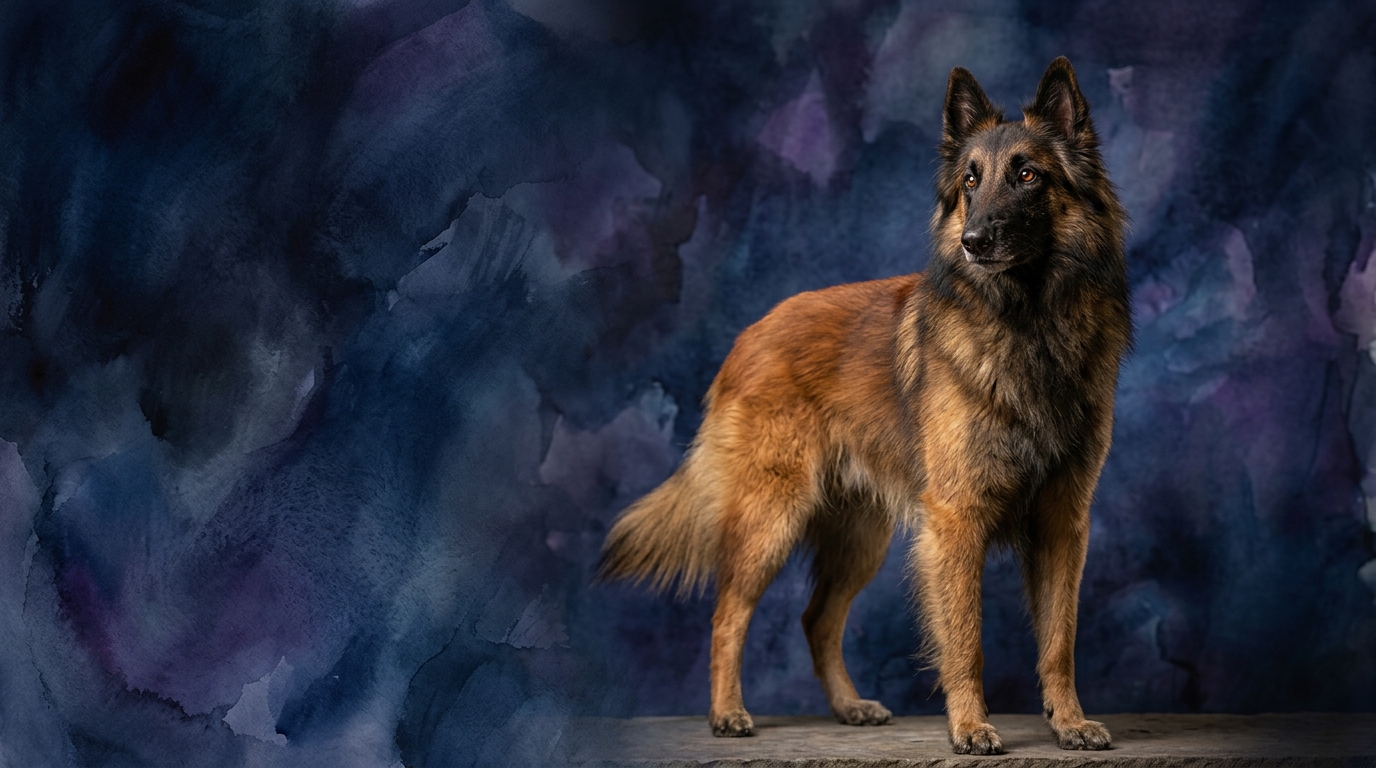
The Belgian Tervuren, ranking #14 on the Coren scale, demonstrates a formidable cognitive profile. Its problem-solving ability is rated 5/5, indicating an exceptional capacity for complex thought and novel solutions. Training speed also achieves a 5/5, reflecting rapid acquisition of new commands and routines. Social intelligence and instinctive drive both score 3/5, suggesting a moderate understanding of human cues and a balanced expression of natural herding behaviors. Memory is an outstanding 5/5, signifying superior retention of learned information and experiences.
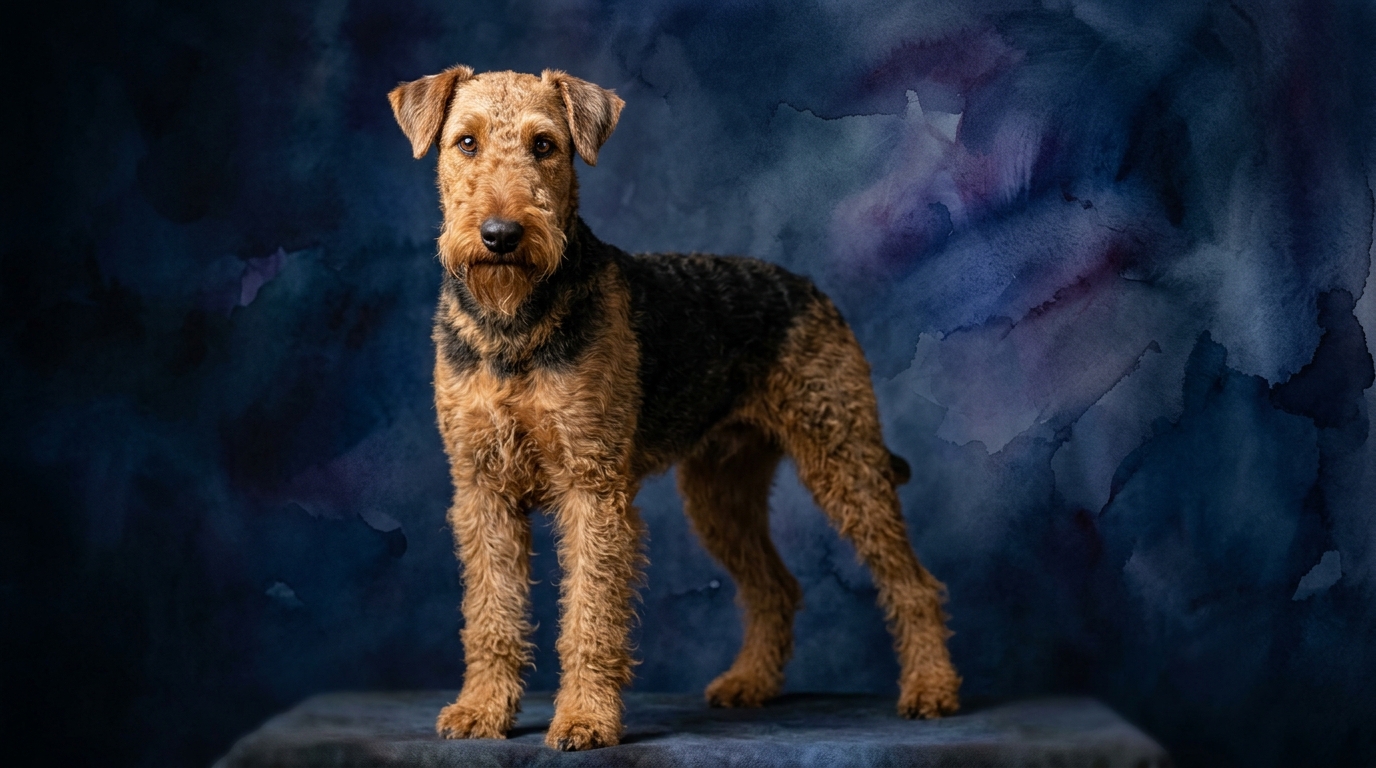
The Airedale Terrier, positioned at #29 on the Coren scale, presents a robust yet distinct set of cognitive strengths. Its problem-solving is rated 4/5, showcasing a strong capability for practical, often persistent, solutions. Training speed stands at 4/5, indicating a good pace for learning, though it may require more repetition than some breeds. Social intelligence and instinctive drive mirror the Tervuren at 3/5, suggesting a similar moderate ability to interpret human intentions and express traditional terrier hunting instincts. Memory is a solid 4/5, allowing for reliable recall of commands and past events.
Where the Belgian Tervuren Excels Cognitively
The Belgian Tervuren's 5/5 rating in problem-solving means these dogs exhibit an exceptional ability to analyze novel situations and devise effective solutions with remarkable speed. This isn't just about mastering tricks; it extends to understanding complex, multi-step tasks, navigating new environments efficiently, or creatively overcoming obstacles to reach a desired goal. Their cognitive flexibility allows them to adapt strategies on the fly, making them adept at advanced obedience, agility, or search and rescue work where dynamic decision-making is paramount.
Furthermore, the Tervuren's perfect 5/5 in training speed translates into rapid assimilation of new information and commands, requiring minimal repetitions to internalize new cues and transition to reliable execution. This swift learning curve allows for progression to intricate sequences or specialized tasks much faster than many other breeds. Coupled with an outstanding 5/5 memory, learned behaviors tend to stick, requiring less frequent refreshing and ensuring consistent, reliable performance over time, which is invaluable in competitive dog sports or demanding working roles.
Where the Airedale Terrier Demonstrates Unique Strengths
While rated slightly lower in sheer speed than the Tervuren, the Airedale Terrier's 4/5 in problem-solving reflects a distinctly robust and tenacious approach. Their problem-solving isn't always about the quickest solution but often involves persistent, independent thought to overcome challenges, a hallmark of their terrier heritage. This manifests in their ability to methodically work through a puzzle toy or find a way around an obstacle, often relying on their own initiative rather than immediately seeking handler guidance, showcasing a resilient cognitive style.
The Airedale Terrier also demonstrates parity with the Belgian Tervuren in both social intelligence (3/5) and instinctive drive (3/5). This equality indicates that Airedales possess a comparable capacity to interpret human social cues and exhibit their inherent breed behaviors. While not as intensely handler-focused as some herding breeds, their social intelligence allows for effective communication with their human companions. Their instinctive drive, equally moderate, means they possess a foundational inclination towards their original purpose, requiring appropriate outlets without being overwhelming or overly demanding in these specific cognitive domains compared to the Tervuren.
Training Dynamics: Ease and Behavioral Differences
When evaluating ease of training, the Belgian Tervuren generally presents a more straightforward experience due to its 5/5 training speed. Rooted in a herding lineage, Tervurens are typically bred to work in close cooperation with a handler, displaying an inherent desire to please and a high level of focus on human direction. This means they are often eager to learn and quick to respond to cues, making the initial stages of training, and even advanced obedience, progress rapidly. Their swift cognitive processing allows them to connect actions with consequences and commands with behaviors with minimal repetition, fostering a responsive and compliant training partner. The Tervuren's strong memory further solidifies learned behaviors, ensuring consistency once training is established.
Conversely, the Airedale Terrier, with its 4/5 training speed, brings a different dynamic to the training arena. As a member of the terrier group, Airedales were developed for independent hunting and vermin control, fostering a spirit of self-reliance and a sometimes stubborn streak. While certainly capable of learning and excelling in training, they may require more patience and creative motivation to maintain engagement. Their problem-solving often leans towards figuring things out for themselves, which can manifest as a delightful independence or a challenging refusal if they don't see the immediate value in a command. Trainers often find success by making sessions fun, varied, and emphasizing positive reinforcement to tap into their robust intelligence without battling their inherent self-determination.
Matching Breeds to Owner Lifestyles
Considering their cognitive profiles, the Belgian Tervuren is undeniably better suited for active owners who can provide consistent, high-level engagement. Their exceptional problem-solving, rapid training speed, and outstanding memory demand a lifestyle rich in mental stimulation and physical activity. A Tervuren thrives on having a job, whether it’s advanced obedience, agility, herding trials, or complex interactive games that challenge their intellect. Owners who enjoy structured training, dog sports, or lengthy, varied outdoor adventures will find a Tervuren to be an incredibly rewarding and engaged partner. A lack of sufficient mental and physical outlets can lead to boredom, which a Tervuren's active mind will often redirect into less desirable behaviors, highlighting their need for a stimulating environment.
The Airedale Terrier also requires an active lifestyle, but their intelligence manifests in a way that might suit a slightly different kind of active owner. While energetic and needing regular exercise, their independent problem-solving and moderate social intelligence mean they might not demand the same intensity of constant, handler-focused mental work as a Tervuren. An Airedale appreciates varied activities, long walks, and opportunities to explore and investigate, leveraging their instinctive drive. Owners who enjoy outdoor adventures, hiking, or even just robust play sessions in a secure yard will find a good match. A more relaxed owner, defined as someone seeking a couch potato companion with minimal exercise or mental stimulation needs, would likely find both breeds overwhelming, as both possess a spirited intellect that requires an outlet.
The Verdict
Choose the Belgian Tervuren if you are an experienced, active owner dedicated to consistent, advanced training and seeking a highly responsive, cooperative partner for demanding dog sports or working roles. Their exceptional cognitive abilities thrive with continuous mental and physical challenges, making them ideal for individuals who want to push the boundaries of canine potential.
Opt for the Airedale Terrier if you are an active owner who appreciates a robust, independent, and tenacious companion with a strong sense of self, capable of both athletic pursuits and independent problem-solving. They are a good fit for those who enjoy outdoor activities and can provide consistent, engaging training that respects their self-reliant terrier spirit.
🧠 Find Your Pet's IQ Score
Our Pet IQ Lab assessment covers 25+ tests across 5 cognitive dimensions — personalized to your breed.
Take the Full IQ Test →Frequently Asked Questions
Are Belgian Tervurens or Airedale Terriers good for first-time owners?
Both breeds possess significant intelligence and energy, making them generally less suitable for first-time dog owners. Their cognitive needs demand consistent training, socialization, and an understanding of their specific breed traits to prevent behavioral challenges. An experienced owner who can dedicate substantial time to their development will find them rewarding companions.
Do these breeds get along with other pets?
With proper early socialization, both Belgian Tervurens and Airedale Terriers can coexist with other pets. However, the Tervuren's herding instinct might lead to nipping at smaller, faster-moving animals, while the Airedale's terrier drive might express itself as prey drive towards small furry creatures. Careful introductions and supervision are always recommended.
What kind of mental exercise do these breeds need?
The Belgian Tervuren thrives on complex obedience, agility, trick training, and puzzle toys that leverage its high problem-solving and memory skills. The Airedale Terrier benefits from scent work, interactive games, and varied training sessions that engage its independent problem-solving and tenacious nature. Both require daily mental engagement beyond physical exercise.