Decoding Their Minds: A Side-by-Side IQ Profile
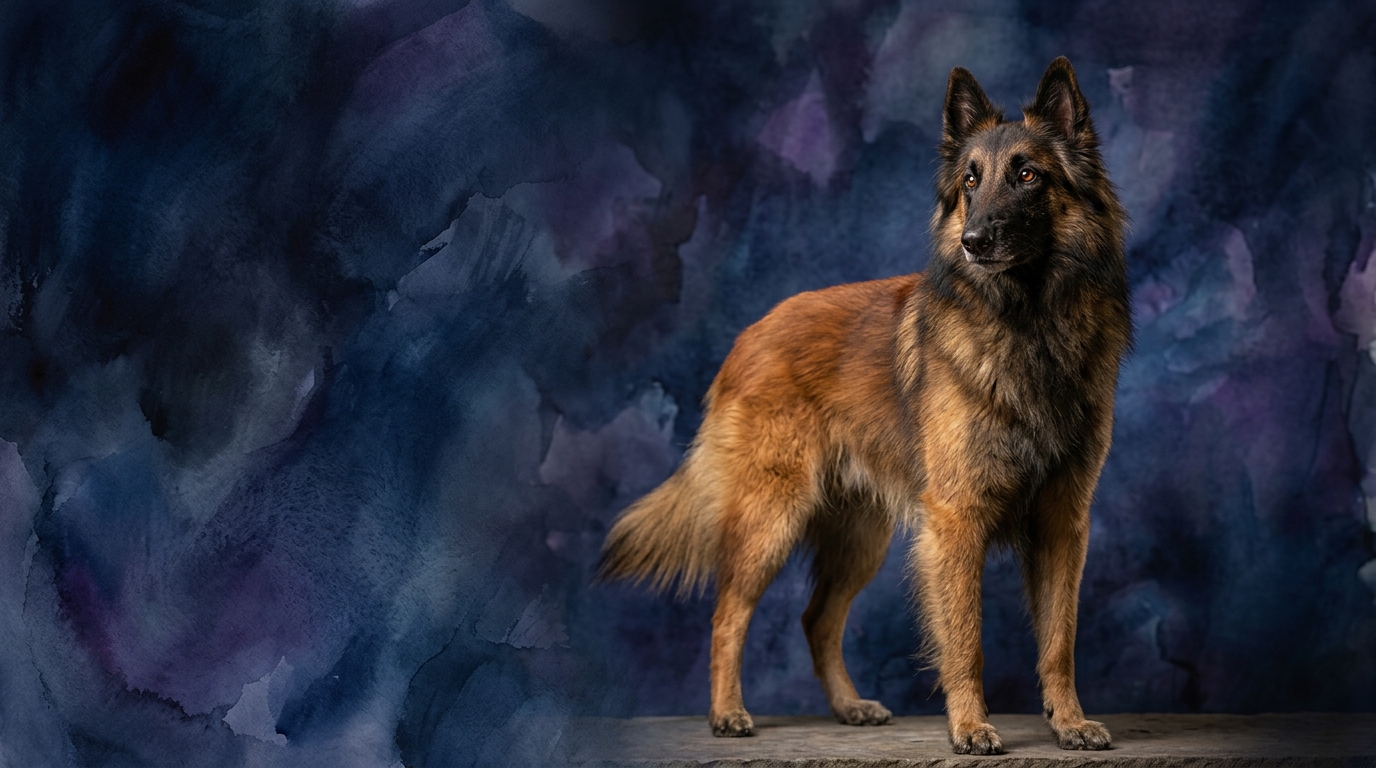
The Cosmic Pet Pet IQ Lab assesses canine intelligence across five dimensions. The Belgian Tervuren, a Herding Group member ranked #14 by Coren, demonstrates exceptional cognitive prowess: a 5/5 in Problem Solving for understanding complex tasks, and a 5/5 in Training Speed for rapid command assimilation. Their Memory, crucial for retention, also scores 5/5. Social Intelligence, reflecting their aptitude for interpreting cues, is 3/5, as is their Instinctive Drive, indicating moderate motivation for work.
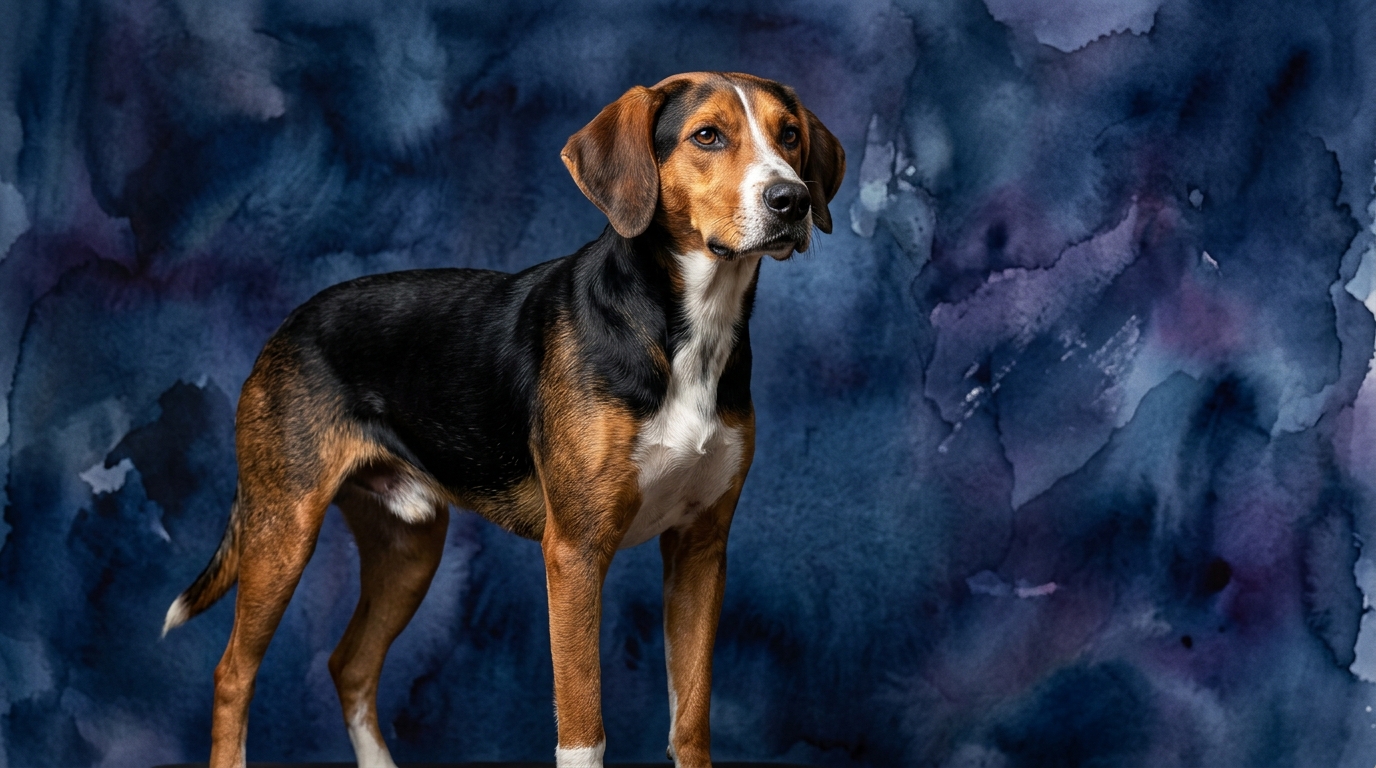
In contrast, the American Foxhound, a Hound Group member not included in Coren's rankings, presents a different cognitive blueprint. Across all five dimensions—Problem Solving, Training Speed, Social Intelligence, Instinctive Drive, and Memory—they consistently score 3/5. This uniform scoring suggests a balanced, less specialized cognitive approach compared to the Tervuren, with their intelligence primarily geared towards their ancestral purpose of tracking game over long distances. Their 3/5 Instinctive Drive points to a moderate but persistent motivation, likely centered around scent-driven pursuits, shaping their overall learning and interaction style.
Belgian Tervuren's Cognitive Edge
The Belgian Tervuren unequivocally excels in areas demanding intricate mental engagement and rapid learning. Their perfect 5/5 in Problem Solving means they are adept at navigating novel situations, figuring out how to approach challenges, or understanding multi-step commands without extensive repetition. This translates into a dog that can be taught complex sequences for obedience, agility, or even service work, demonstrating an impressive ability to connect cause and effect and adapt strategies swiftly.
Their 5/5 Training Speed score signifies an extraordinary capacity for acquiring new skills with minimal instruction. A Tervuren often grasps a command after just a few repetitions, making them highly responsive to consistent training efforts. Coupled with their 5/5 Memory, they not only learn quickly but also retain that knowledge over time, allowing for the building of an extensive repertoire of behaviors and the reliable execution of tasks even after a break. This combination of swift acquisition and robust retention positions the Tervuren as a prime candidate for roles requiring continuous learning and precision.
American Foxhound's Unique Cognitive Strengths
While the American Foxhound's cognitive scores are consistently 3/5, their unique strengths manifest differently, often tied to their primary function as scent hounds. Their 3/5 Instinctive Drive, intensely focused on olfactory pursuits, means their cognitive processing is exceptionally geared towards interpreting complex scent trails. They demonstrate an ability to differentiate subtle odors and maintain focus on a specific scent over varied terrains and distractions for extended periods. This is a specialized form of problem-solving, where the 'problem' is finding a hidden scent, and the 'solution' involves intricate sensory analysis and persistent tracking.
Their moderate scores in Problem Solving, Training Speed, and Memory, at 3/5 each, do not imply a lack of mental capacity but rather a different prioritization. An American Foxhound's cognitive energy is largely consumed by processing environmental cues through their nose, leading to a distinct type of 'social intelligence' that prioritizes communication within a pack and independent decision-making during a hunt rather than strict human-centric obedience. This breed's intelligence shines in scenarios where self-reliance, endurance, and an unwavering commitment to a scent trail are paramount, showcasing a robust, albeit specific, cognitive framework.
Training Dynamics: Tervuren's Tractability vs. Foxhound's Focus
Based on their IQ profiles, the Belgian Tervuren is unequivocally easier to train for general obedience and complex tasks. Their 5/5 Training Speed means they absorb commands quickly, often anticipating what is expected of them. This is complemented by their 5/5 Memory, ensuring that once a behavior is learned, it tends to stick. Tervurens thrive on mental stimulation and respond well to positive reinforcement, eager to engage with their handlers and understand new concepts. Their drive to work collaboratively makes them highly biddable.
The American Foxhound, with a Training Speed of 3/5 and Memory of 3/5, presents a different training challenge. Their strong Instinctive Drive, primarily focused on scent, means their attention can be easily diverted by interesting smells. A Foxhound is less inclined to perform repetitive tasks purely for human approval if a more compelling scent stimulus is present. While capable of learning, their independent nature and single-minded pursuit of a scent trail often require more patience, consistency, and creative motivation during training, making their training a test of the owner's persistence and ability to make training more rewarding than a captivating odor.
Lifestyle Compatibility: Active Engagement vs. Independent Exploration
The Belgian Tervuren is an ideal companion for active owners prepared to provide significant mental and physical engagement. Their high Problem Solving and Training Speed scores mean they require constant mental challenges—puzzles, advanced obedience, agility, or herding sports—to prevent boredom and potential destructive behaviors. Physically, their herding heritage demands ample exercise, including long runs, interactive play, and structured training sessions. A Tervuren thrives with an owner who views their relationship as a partnership in learning and activity, someone who can channel their considerable cognitive and physical energy productively.
The American Foxhound, while requiring substantial physical exercise to satisfy their endurance and scenting instincts, might suit a different type of active owner, perhaps one who enjoys long, meandering walks or runs where the dog can follow a scent. They are not necessarily suited for 'relaxed' owners in terms of physical activity, but their independent nature and lower scores in structured training suggest they may not thrive on the same level of *controlled* mental engagement as a Tervuren. Their idea of a fulfilling day often involves exploring the environment with their nose, which demands a different kind of owner patience and understanding than one focused on competitive dog sports.
The Verdict
Opt for a Belgian Tervuren if you seek an intensely trainable, mentally agile partner eager to learn complex tasks and participate in high-level activities. They thrive with dedicated owners who can channel their sharp mind and abundant energy into structured challenges.
Choose an American Foxhound if you appreciate an independent, scent-driven companion who excels at long, exploratory outings and whose unique intelligence lies in tracking and endurance. They suit owners who understand and respect their primal instincts.
🧠 Find Your Pet's IQ Score
Our Pet IQ Lab assessment covers 25+ tests across 5 cognitive dimensions — personalized to your breed.
Take the Full IQ Test →Frequently Asked Questions
Are Belgian Tervurens good family dogs despite their intense drive?
Yes, with proper socialization, training, and sufficient mental and physical stimulation, Belgian Tervurens can be devoted family members. Their cognitive needs mean they require consistent engagement to prevent boredom, which can manifest as undesirable behaviors if not addressed.
Can an American Foxhound be trained for advanced obedience or dog sports?
While capable of learning, their 3/5 Training Speed and strong independent, scent-driven Instinctive Drive mean advanced obedience or precision dog sports will require significant patience, consistency, and high-value motivation. They excel more in activities that leverage their natural scenting abilities, such as scent work or endurance events.
How does the 'Instinctive Drive' score impact daily life for these breeds?
For the Belgian Tervuren (3/5), their drive often translates into a desire to work and herd, needing outlets for this energy. For the American Foxhound (3/5), their drive is primarily focused on scent, meaning they are compelled to follow interesting odors, which can impact off-leash reliability and require secure containment.