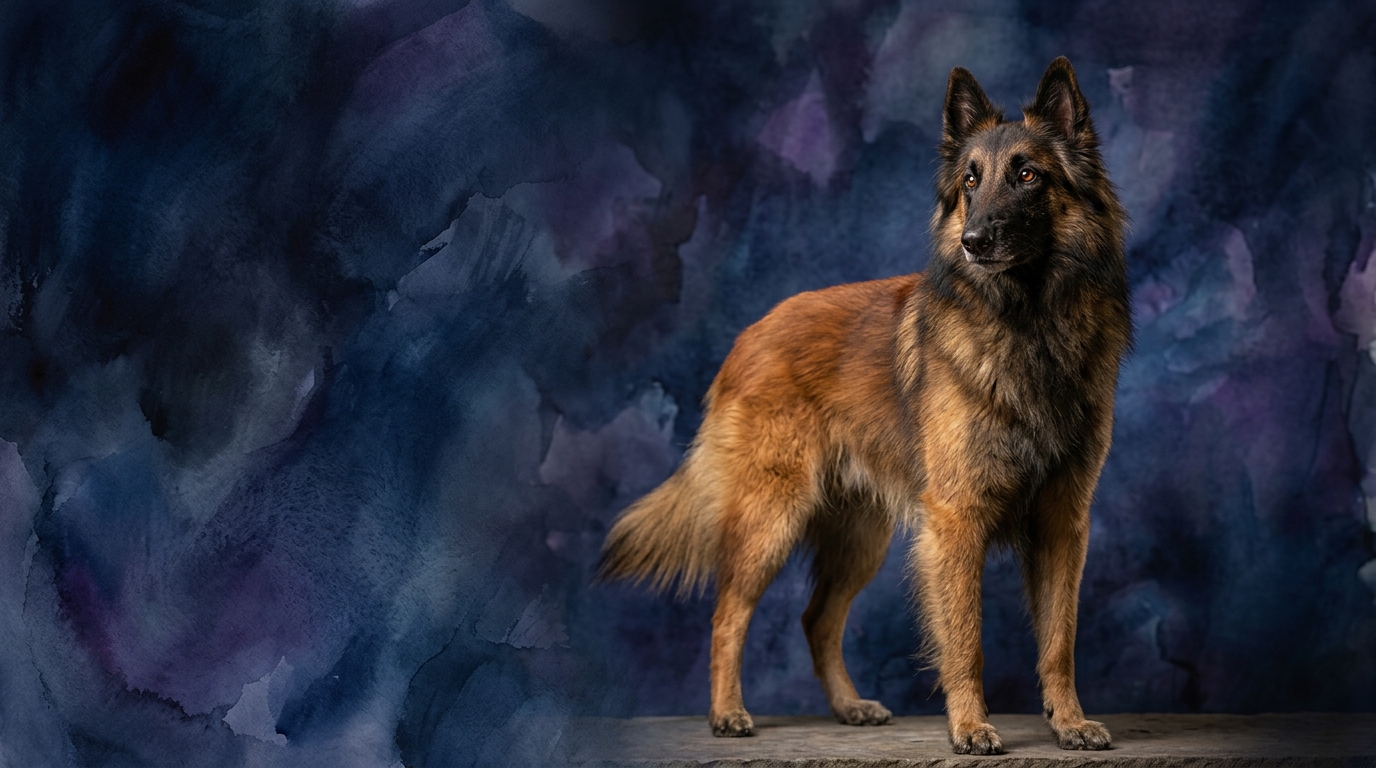
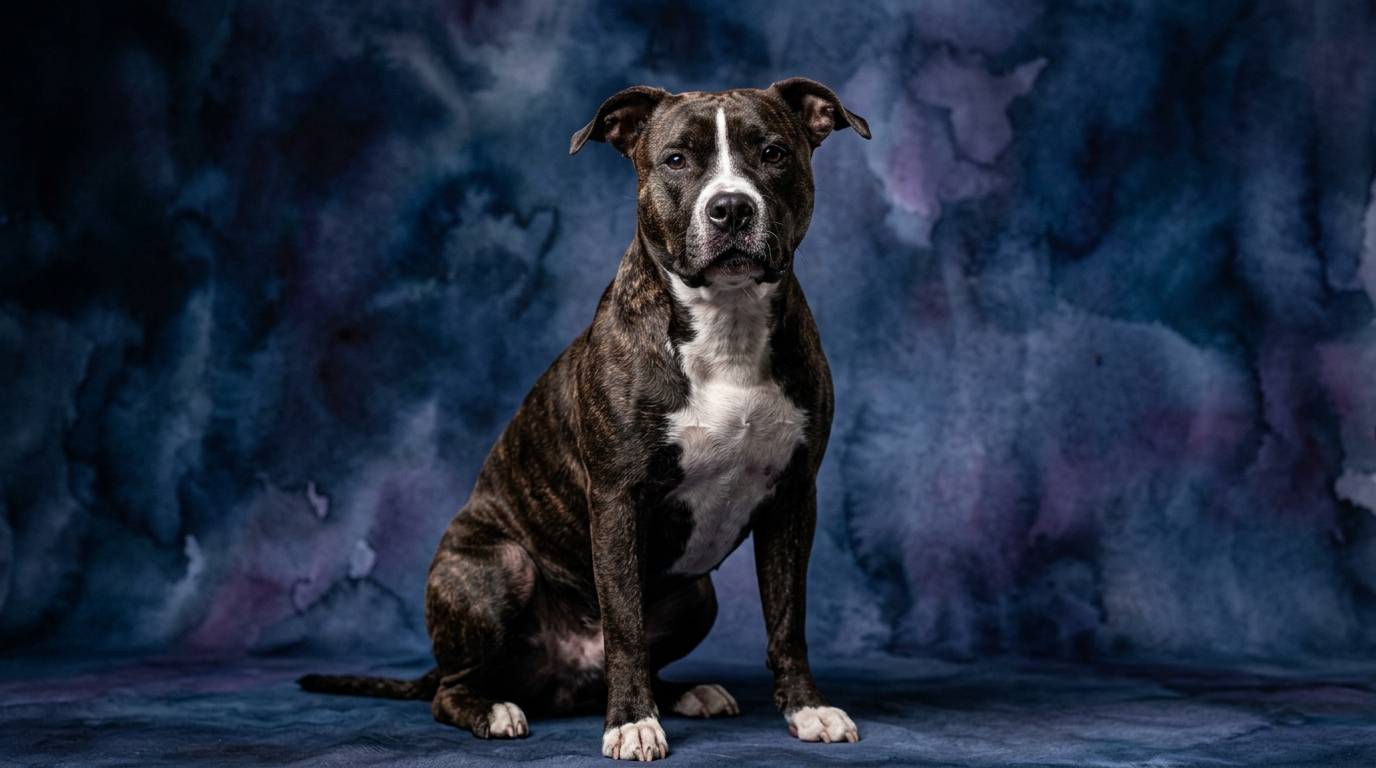
Side-by-Side IQ Profile: Tervuren vs. AmStaff
The Belgian Tervuren, a Herding group dog ranked #14 by Coren, presents a formidable cognitive profile. Its Problem Solving is rated 5/5, indicating an exceptional capacity for complex, multi-step reasoning and adaptive strategy formulation. Training Speed also scores 5/5, reflecting their rapid acquisition of new commands and concepts with minimal repetition. Social Intelligence is 3/5, suggesting they are observant and discerning in social interactions, often preferring a close bond with their handler over broad social engagement. Their Instinctive Drive is 3/5, channeled primarily into purposeful herding behaviors and a strong work ethic. Finally, their Memory is a perfect 5/5, demonstrating superior long-term retention of complex sequences and experiences.
In contrast, the American Staffordshire Terrier, a Terrier group dog ranked #48 by Coren, displays a different set of cognitive strengths. Its Problem Solving is 3/5, characterized by a more direct, often physically tenacious approach rather than intricate strategic planning. Training Speed is likewise 3/5, meaning they learn reliably but require more consistent repetition and varied motivation to solidify behaviors. Social Intelligence is 3/5, indicating a strong loyalty to their immediate family and a reserved nature with strangers, similar to the Tervuren's focused social circle. Instinctive Drive is 3/5, manifesting as classic terrier grit, a robust play drive, and determined engagement with tasks. Their Memory is a strong 4/5, showing good recall for associations, people, and routines, though perhaps not the same depth for complex sequences as the Tervuren.
Where the Belgian Tervuren Wins Cognitively
The Belgian Tervuren's cognitive superiority is most evident in domains requiring advanced executive function and adaptive reasoning. Their problem-solving score of 5/5 highlights an exceptional ability to process complex information, make rapid decisions, and execute multi-stage plans, making them standouts in intricate dog sports like competitive obedience, Schutzhund, or advanced agility courses where precise sequencing and quick modifications are paramount. This breed doesn't just learn commands; they often grasp the underlying intent, allowing them to generalize solutions to novel situations with impressive fluidity. Their 5/5 training speed means they require significantly fewer repetitions to embed new behaviors, freeing up more training time for advanced concepts rather than basic reinforcement. Furthermore, their superior memory (5/5) ensures that these complex learned patterns and solutions are retained long-term, building a rich cognitive library they can draw upon for future challenges. This combination of rapid learning, deep understanding, and robust recall positions the Tervuren as a true intellectual athlete, capable of anticipating and responding to nuanced cues in dynamic environments.
Where the American Staffordshire Terrier Wins Cognitively
While the AmStaff's cognitive profile differs, their strengths lie in areas of task persistence, emotional resilience, and a focused engagement that can be incredibly effective. Their problem-solving at 3/5, while not as complex as the Tervuren's, reflects a practical, determined approach; they may not devise the most elegant solution, but they will often see a task through using sheer resolve and physical application, a valuable trait in working roles or challenging play scenarios. Their instinctive drive (3/5), rooted in terrier tenacity, fuels an impressive stamina and willingness to push through discomfort or frustration to achieve a goal. This unwavering focus, once engaged, can make them formidable partners in activities requiring sustained effort or a robust physical presence. The AmStaff's strong memory (4/5) for positive and negative associations also means they learn deeply from experience, cementing appropriate behaviors through consistent reinforcement and building strong, reliable bonds with their handlers. Their cognitive architecture supports a steadfast devotion and a robust, determined approach to life's challenges, making them exceptionally loyal and resilient companions.
Which is Easier to Train and Why
Based on their respective IQ profiles, the Belgian Tervuren is unequivocally easier to train, especially regarding the rapid acquisition of complex tasks. Their 5/5 training speed means they can pick up new commands and routines with just a few repetitions, often showing an eager anticipation for learning and problem-solving. This inherent drive to engage their intellect, coupled with their superior memory, means that once a concept is taught, it's generally retained and can be built upon quickly. Tervurens thrive on mental stimulation and are often described as having an 'on switch' for learning, making them highly responsive to structured training environments. In contrast, the American Staffordshire Terrier, with a training speed of 3/5, requires a more patient, consistent, and often more physically engaging approach. While intelligent and capable of learning a wide array of commands, AmStaffs can exhibit a characteristic terrier independence or stubbornness. Their learning often benefits from shorter, more frequent sessions, a variety of positive reinforcement techniques, and a clear demonstration of the desired behavior. They may take longer to generalize learned behaviors and might test boundaries more frequently, demanding a handler who understands their motivational drivers and can maintain unwavering consistency.
Which Suits Active Owners vs. Relaxed Owners
The choice between a Belgian Tervuren and an American Staffordshire Terrier largely hinges on an owner's lifestyle and their capacity for canine engagement. The Belgian Tervuren, with its demanding cognitive and physical needs, is best suited for highly active owners who are prepared to provide extensive mental stimulation and vigorous exercise daily. This breed thrives with a handler who can channel their problem-solving prowess and intense instinctive drive into demanding activities like advanced obedience, agility, herding trials, or protection work. They need a job to do and can become destructive or anxious if under-stimulated. Their intelligent nature means they require an owner who enjoys continuous training and can appreciate a dog that is always 'on' and ready for the next challenge. Conversely, the American Staffordshire Terrier can suit active owners, but perhaps those seeking a more balanced energy level. While they certainly require regular exercise, playtime, and consistent training to thrive, their off-switch is often more pronounced indoors. They enjoy robust physical activity but are often content to relax with their family once their needs are met. AmStaffs are ideal for owners who enjoy daily walks, engaging play, and consistent training, but who might not be seeking a dog that demands a full-time 'job' in the same way a Tervuren does. They appreciate a routine and a strong bond with their human companions, making them excellent family dogs for those who can provide clear leadership and appropriate outlets for their energy.
The Verdict
Choose a Belgian Tervuren if you are an experienced, highly active owner eager for a canine partner in advanced dog sports or demanding work, valuing a dog with exceptional problem-solving and rapid learning capabilities.
Opt for an American Staffordshire Terrier if you're an active owner seeking a loyal, resilient, and devoted companion who thrives on consistent training, engaging play, and a strong family bond, appreciating their determined nature.
🧠 Find Your Pet's IQ Score
Our Pet IQ Lab assessment covers 25+ tests across 5 cognitive dimensions — personalized to your breed.
Take the Full IQ Test →Frequently Asked Questions
Are Belgian Tervurens good for first-time dog owners?
Generally, no. Their high intelligence, intense drive, and need for extensive mental and physical stimulation can be overwhelming for inexperienced owners. They thrive with handlers who understand their specific cognitive and behavioral requirements.
Do American Staffordshire Terriers get along with other pets?
With proper early socialization and consistent training, many AmStaffs can learn to coexist peacefully with other pets. However, their strong instinctive drive and potential for dog-on-dog aggression mean careful introductions and supervision are crucial, especially with smaller animals.
How much exercise does each breed need daily?
Belgian Tervurens require at least 60-90 minutes of vigorous exercise combined with significant mental work daily. American Staffordshire Terriers need 45-60 minutes of moderate to vigorous exercise, alongside consistent training and engaging playtime, to maintain their well-being.