Side-by-Side Cognitive Profile
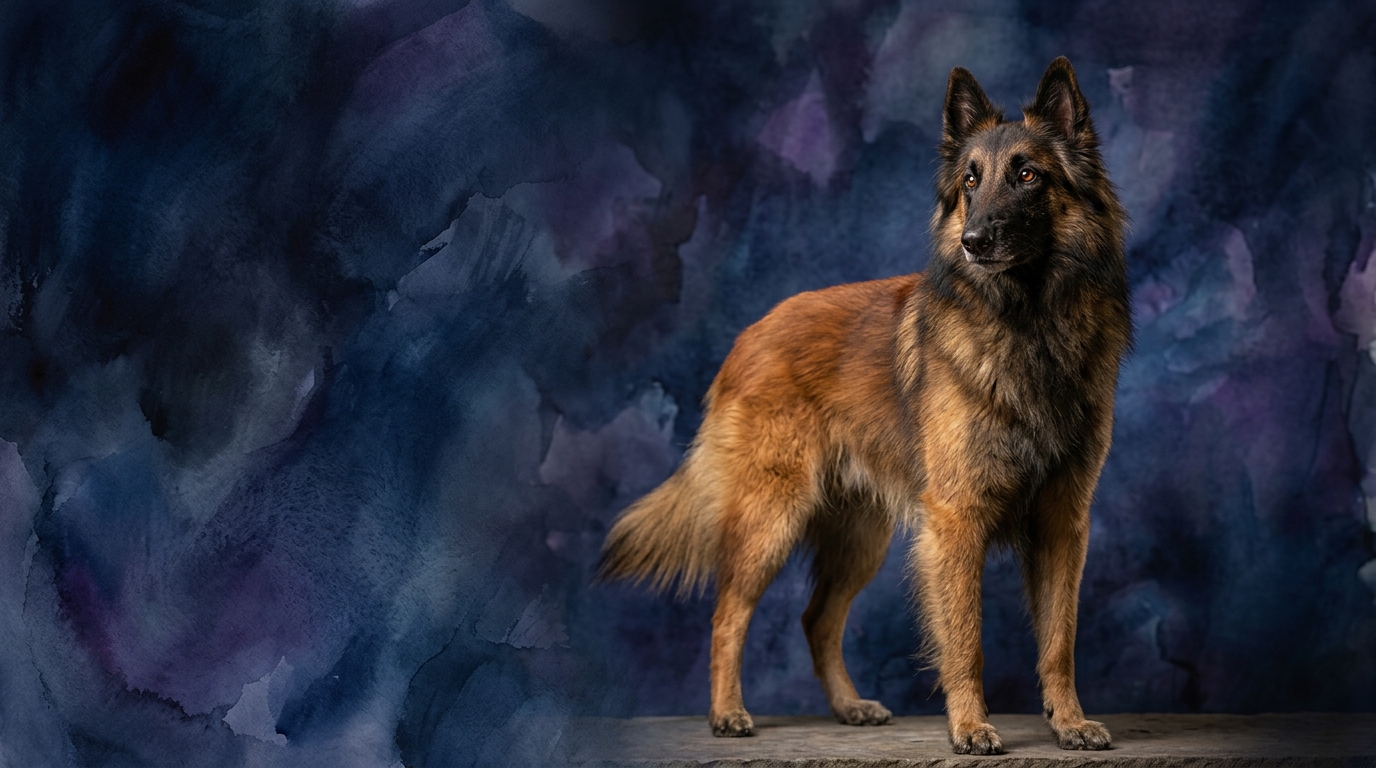
**Belgian Tervuren:** This breed presents a sharp, highly capable cognitive profile. Its Problem Solving (5/5) signifies exceptional capacity to analyze situations, devise novel solutions, and adapt quickly. Training Speed also scores 5/5, reflecting an eagerness and ability to grasp new commands and concepts with remarkable rapidity, often requiring minimal repetition. Memory stands at a perfect 5/5, suggesting a superior ability to retain complex sequences, commands, and experiences over long periods, making learned behaviors deeply ingrained. Social Intelligence, rated 3/5, indicates a generally appropriate understanding of social cues and interactions, though perhaps not always prioritizing human emotional nuances over task orientation. Instinctive Drive, also 3/5, points to a moderate but present genetic inclination for traditional herding behaviors and a drive to fulfill purpose, without being overwhelmingly intense.
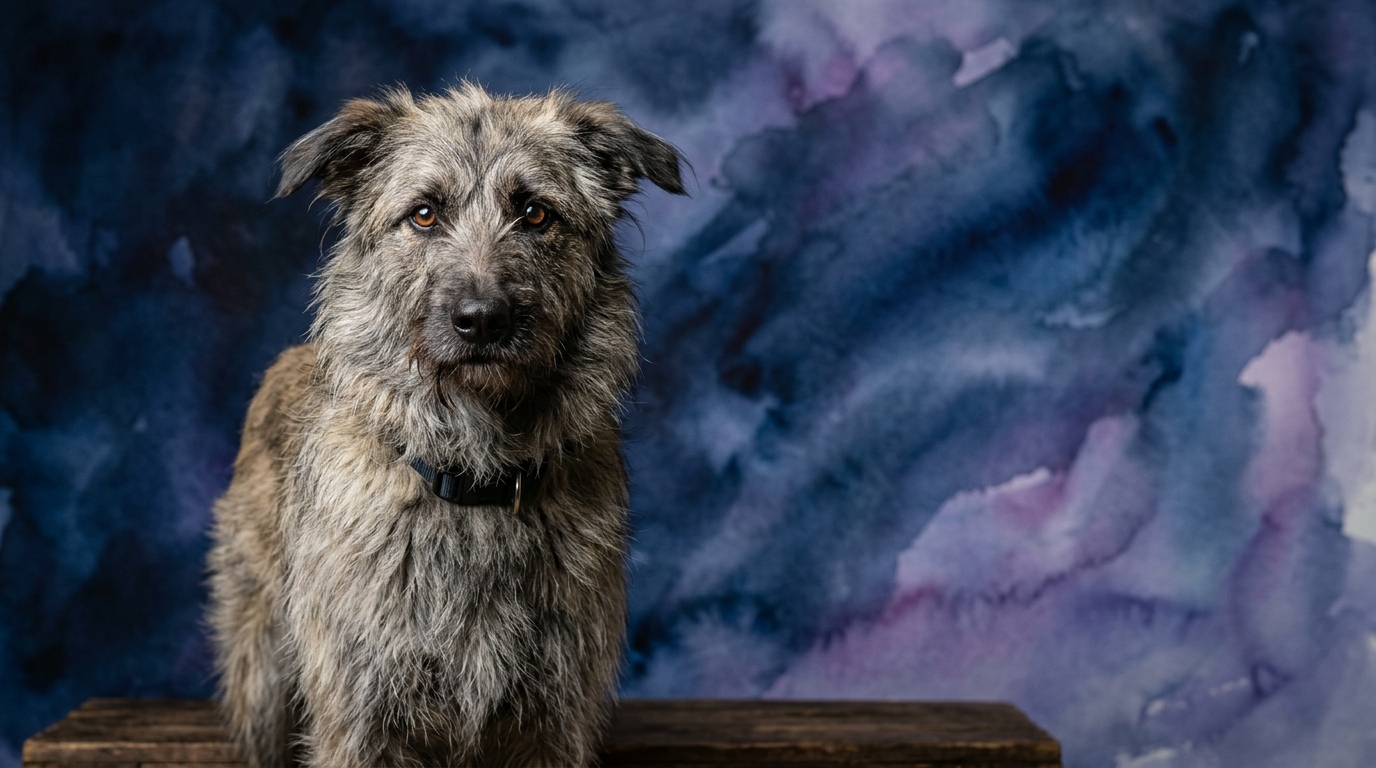
**Pyrenean Shepherd:** The Pyrenean Shepherd exhibits a balanced and practical cognitive makeup, tailored to its historical role. Its Problem Solving (3/5) signifies a competent ability to navigate daily challenges and learn from experience, less inclined toward intricate, abstract problem-solving. Training Speed also sits at 3/5, meaning it learns effectively with consistent, clear instruction, but may require more repetition to solidify new commands. Memory is rated 3/5, indicating a solid capacity to recall learned behaviors and experiences, forming a reliable foundation for training and daily routines. Social Intelligence, at 3/5, suggests a perceptive understanding of its social environment and interactions, typically forming strong bonds with its immediate family while being discerning with strangers. Instinctive Drive, also 3/5, highlights a functional and appropriate level of herding instinct, providing motivation for work without being excessively intense or difficult to manage.
Where Belgian Tervuren Wins Cognitively
The Belgian Tervuren demonstrates clear cognitive advantages in several key areas, largely due to its exceptional scores in Problem Solving, Training Speed, and Memory. Its 5/5 Problem Solving means a Tervuren can independently assess complex situations, such as figuring out how to open a child-proof gate or strategizing to retrieve a toy from an inaccessible spot, often with minimal human intervention. This makes them superb candidates for advanced dog sports like agility, obedience, and protection work, where quick, innovative thinking is paramount. A 5/5 in Training Speed translates to an astonishing ability to acquire new commands, tricks, and routines with very few repetitions; owners often report their Tervurens understanding a new cue after just a handful of trials, making the learning process highly efficient and rewarding. Furthermore, its 5/5 Memory ensures that once a lesson is learned, it is deeply etched, allowing for long-term retention of a vast repertoire of skills and commands, crucial for intricate multi-step tasks or complex sequences in competitive environments. These strengths make the Tervuren ideal for owners seeking a dog capable of mastering sophisticated cognitive challenges.
Where Pyrenean Shepherd Wins Cognitively
While the Pyrenean Shepherd's individual cognitive scores might not reach the Tervuren's peaks, its unique profile offers distinct advantages for specific owners and lifestyles. Its 3/5 in Problem Solving, for instance, means the Pyrenean Shepherd is perfectly capable of navigating its environment and performing its duties, yet it may be less prone to overthinking or independently devising elaborate, potentially mischievous solutions to boredom that a 5/5 problem-solver might. This can translate to a more straightforward and less cognitively demanding companion in a home setting. Similarly, its 3/5 Training Speed, while requiring more consistent repetition, can lead to exceptionally deep and reliable retention once a behavior is mastered; these dogs often exhibit a tenacious adherence to learned patterns, which can be a significant 'win' for owners prioritizing unwavering consistency in working roles or daily routines over lightning-fast acquisition. The Pyrenean Shepherd’s consistent 3/5 across all cognitive dimensions suggests a balanced, predictable mental disposition, less overwhelming for owners who appreciate a solid, adaptable intelligence that doesn't constantly demand novel, high-intensity mental challenges.
Which Is Easier to Train and Why
Based on the IQ profiles, the Belgian Tervuren is demonstrably easier and faster to train due to its 5/5 Training Speed compared to the Pyrenean Shepherd’s 3/5. A Tervuren can pick up a new command in just a few repetitions, making initial training sessions remarkably efficient and often very exciting for both dog and owner. They thrive on learning new things quickly and enjoy the mental stimulation of rapidly acquiring skills. In contrast, the Pyrenean Shepherd, while absolutely trainable, requires more consistent and patient repetition to solidify new behaviors. Owners of Pyrenean Shepherds will find that while the initial learning phase might take longer, the behaviors, once ingrained, are often deeply held and reliable. The Tervuren's rapid learning means they bore quickly if not continuously challenged, while the Pyrenean Shepherd's slower acquisition often leads to enduring engagement with consistent, positive training.
Which Suits Active Owners vs. Relaxed Owners
Both breeds are herding dogs and inherently require active lifestyles, but their cognitive profiles suggest different intensities of activity. The Belgian Tervuren, with its 5/5 Problem Solving and Memory, is best suited for highly active owners who can provide not just physical exercise but also extensive, complex mental stimulation. These dogs thrive on activities like advanced obedience, agility, scent work, or protection sports that engage their superior problem-solving abilities and memory. A Tervuren with insufficient mental challenge can become bored and potentially destructive. The Pyrenean Shepherd, while also needing significant physical activity, might be a better fit for active owners who appreciate a dog with a more balanced and perhaps less intensely demanding cognitive presence. Its 3/5 scores mean it benefits from consistent training and engagement, but it might not require the same level of constant novel intellectual challenges as a Tervuren. They excel in activities like herding or hiking where their instinctive drive and reliable memory are engaged, without necessarily needing to solve complex puzzles daily. Neither breed is suitable for truly 'relaxed' owners who cannot commit to substantial daily physical and mental engagement.
The Verdict
Choose the Belgian Tervuren if you seek an exceptionally sharp, fast-learning companion eager for complex mental challenges and advanced dog sports.
Opt for the Pyrenean Shepherd if you desire a reliable, consistent working partner with a balanced cognitive profile, thriving on purposeful activity and robust companionship.
🧠 Find Your Pet's IQ Score
Our Pet IQ Lab assessment covers 25+ tests across 5 cognitive dimensions — personalized to your breed.
Take the Full IQ Test →Frequently Asked Questions
Do Belgian Tervurens require more mental stimulation than Pyrenean Shepherds?
Yes, the Belgian Tervuren's 5/5 Problem Solving and Memory indicate a higher demand for complex mental engagement to prevent boredom and destructive behaviors. The Pyrenean Shepherd, with 3/5 scores, still needs stimulation but may not require the same intensity of novel intellectual challenges.
Can a Pyrenean Shepherd participate in advanced dog sports despite lower IQ scores?
Absolutely. While their training speed may be slower, a Pyrenean Shepherd's solid memory and instinctive drive, combined with consistent training, enable them to excel in various dog sports, particularly those leveraging their herding instincts and agility.
How does social intelligence differ between these two breeds?
Both breeds share a 3/5 rating for Social Intelligence, suggesting they are generally aware of social cues and interactions. This means both will typically form strong bonds with their families but may exhibit reserved or discerning behavior towards strangers, prioritizing their familiar pack.