Side-by-Side Cognitive Profile
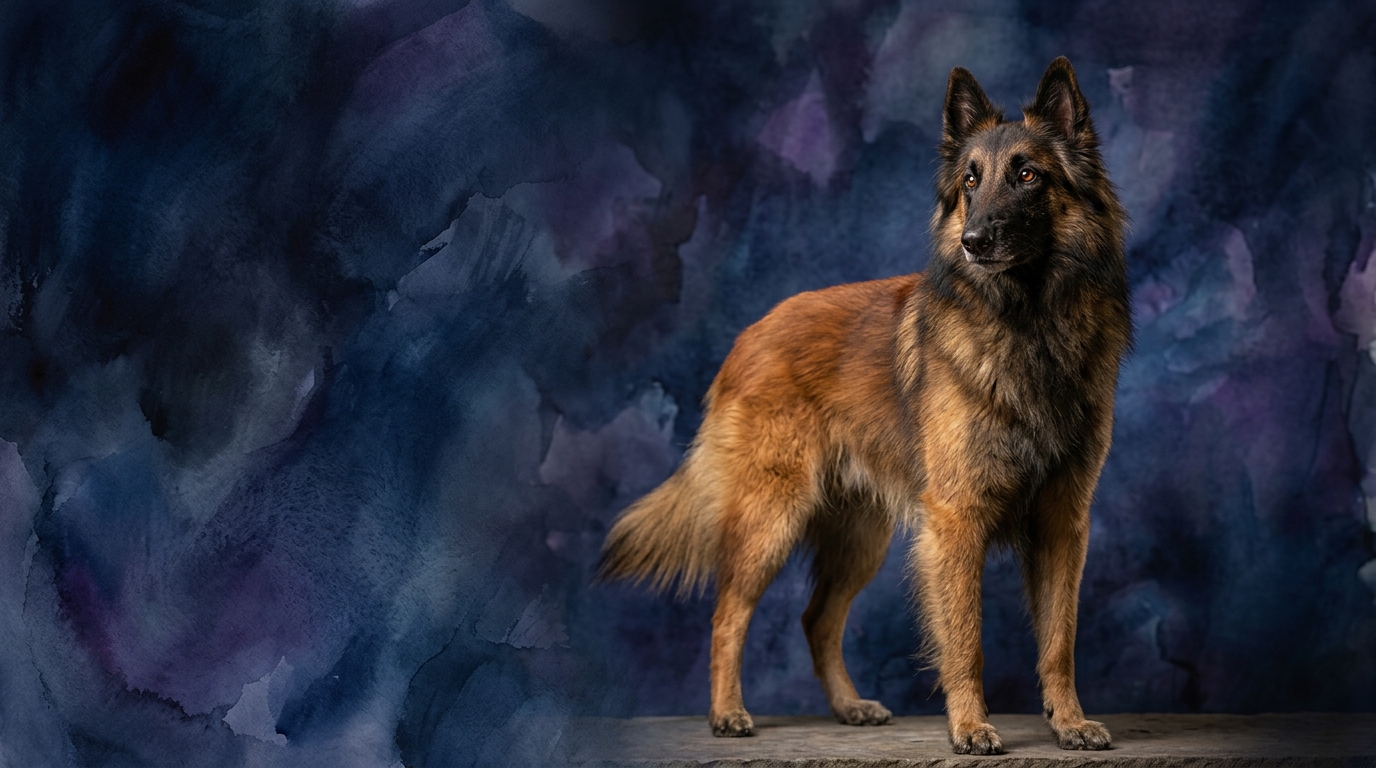
The Belgian Tervuren, a Herding group member ranking #14 on Coren's list, presents a cognitive blueprint optimized for complex collaboration. Their Problem Solving is a perfect 5/5, signifying an exceptional capacity for intricate, multi-step tasks, often involving anticipation and strategic thinking. Training Speed also scores 5/5, highlighting their rapid acquisition of new commands and routines, eager to engage. Social Intelligence at 3/5 indicates an understanding of human cues, though their focus might lean more towards task execution. Instinctive Drive, rated 3/5, is present but typically channeled into controlled herding behaviors rather than undirected pursuit. Finally, Memory at 5/5 ensures they retain vast amounts of information, from complex sequences to specific commands, over extended periods.
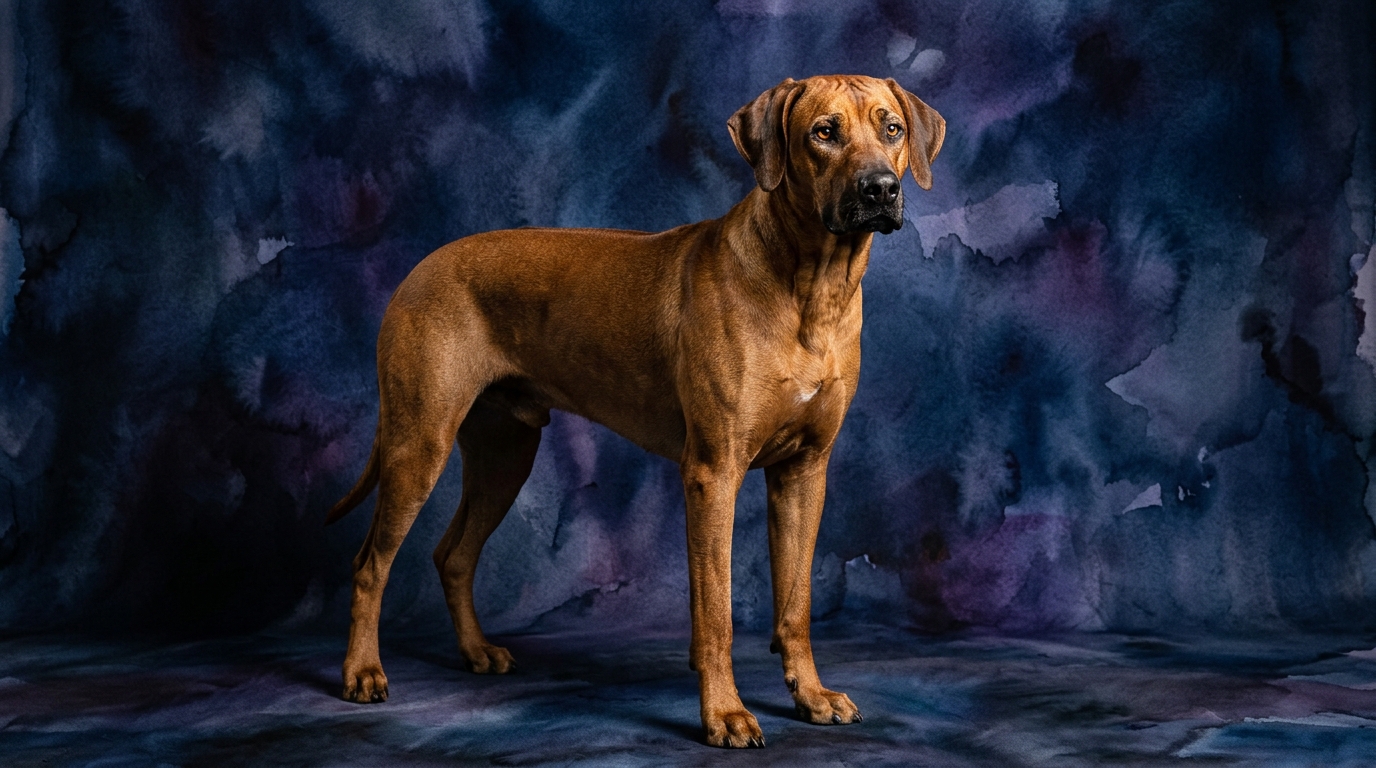
In contrast, the Rhodesian Ridgeback, a Hound group member with a Coren rank of #52, possesses a cognitive profile reflecting its independent hunting heritage. Their Problem Solving is 3/5, reflecting a practical, often autonomous approach to overcoming obstacles, particularly in pursuit or tracking scenarios. Training Speed, also 3/5, suggests a moderate learning curve, where consistency and motivation are key to navigating their inherent self-reliance. Social Intelligence at 3/5 points to an awareness of their human companions, though their responses might be more reserved or discerning. Instinctive Drive, rated 3/5, is evident in their powerful pursuit instincts, a focused, enduring drive for specific prey or scent. Memory at 3/5 allows them to recall practical knowledge, such as routes, specific scents, or established household routines, proving reliable in contexts relevant to their natural inclinations.
Where the Belgian Tervuren Wins Cognitively
The Belgian Tervuren's cognitive strengths are pronounced, particularly in areas demanding complex mental processing and rapid assimilation of information. Their perfect 5/5 score in Problem Solving means they excel at tasks requiring strategic thinking, such as navigating intricate agility courses, understanding nuanced verbal cues for herding livestock, or deciphering novel puzzles. This isn't just about rote memorization; it's about applying learned principles to new situations. Their 5/5 Training Speed is a direct consequence of this problem-solving prowess and an innate desire to engage, allowing them to master new commands and behaviors with remarkable alacrity. A Tervuren doesn't just learn a trick; it learns the *concept* behind it, making generalization of skills much easier. Furthermore, their 5/5 Memory ensures that these complex lessons and vast repertoires of commands are retained with exceptional fidelity, allowing for consistent performance and the continuous building of advanced skills without frequent refreshers. For owners seeking a partner in intricate dog sports or demanding working roles, these cognitive advantages translate directly into a highly capable and adaptable companion.
Where the Rhodesian Ridgeback Wins Cognitively
While the Rhodesian Ridgeback's scores might not reach the Tervuren's peaks in all categories, their cognitive profile represents a triumph of independent, purpose-driven intelligence. Their 3/5 in Problem Solving, while not a 5/5, signifies a practical, self-reliant approach. Ridgebacks are adept at assessing situations in the field and making swift, autonomous decisions, a critical trait for a breed originally tasked with tracking and holding dangerous game without constant human direction. This isn't about solving an abstract puzzle for human amusement, but about navigating a complex environment to achieve a goal. Their 3/5 Social Intelligence manifests as a discerning observation of their environment and human companions, often leading to a reserved yet deeply loyal bond forged on mutual respect rather than eager compliance. They are astute judges of character and situation. The 3/5 Instinctive Drive, while moderate, is a highly focused and enduring persistence crucial for long hunts, showing a sustained mental tenacity when engaged in activities that align with their inherent motivations, such as scent work or long-distance running. Their 3/5 Memory, though not photographic, is highly functional for recalling important practical information like established territories, the scent trails of specific animals, or the routines of their household, proving reliable in contexts relevant to their natural inclinations.
Training Ease: Tervuren's Eagerness vs. Ridgeback's Independence
When it comes to ease of training, the Belgian Tervuren holds a distinct advantage, primarily due to its exceptional 5/5 Training Speed and 5/5 Problem Solving. Their herding lineage instilled a deep desire to work cooperatively with humans, responding quickly to commands to manage livestock effectively. This translates into a dog that actively seeks to understand and comply, making them highly receptive to instruction. They grasp new concepts rapidly, often requiring fewer repetitions than many other breeds, and their impressive memory ensures that once a lesson is learned, it's retained. A Tervuren thrives on mental engagement and structured learning, viewing training as a collaborative activity and an opportunity to excel.
In contrast, the Rhodesian Ridgeback, with its 3/5 Training Speed and a history rooted in independent hunting, presents a different training dynamic. Ridgebacks were bred to make their own decisions in dangerous situations, leading to a natural self-reliance that can sometimes be perceived as stubbornness. They will learn, but often at their own pace, and require more patience, consistency, and motivational techniques. Their problem-solving is often internally directed, meaning they may weigh a command against their own perceived best interest. Training a Ridgeback necessitates understanding their independent spirit, focusing on positive reinforcement, and making training feel like a partnership rather than a command-and-control scenario. While both breeds are capable of learning, the Tervuren's innate biddability and cognitive architecture make the training journey significantly smoother and faster for most owners.
Suitability for Active vs. Relaxed Owners
The Belgian Tervuren is unequivocally suited for active owners who are prepared for significant daily engagement. Their 5/5 Problem Solving and Training Speed, combined with a working dog ethos, mean they require substantial mental and physical stimulation to prevent boredom and destructive behaviors. Owners must be committed to structured activities like advanced obedience, agility, tracking, or even protection sports. A Tervuren thrives when given a 'job' to do, and an owner who can provide consistent training, mental puzzles, and vigorous exercise will find an incredibly rewarding partner. For a truly relaxed owner, a Tervuren would likely become a source of frustration, as their unmet cognitive and physical needs would manifest as hyperactivity, anxiety, or destructive tendencies.
The Rhodesian Ridgeback, while also requiring an active lifestyle, presents a different profile. They need considerable physical exercise to be content, including long walks, runs, or opportunities for free-running in secure areas. However, their independent nature means that once their physical needs are met, they can be more content to relax alongside their owners, often displaying a calm, dignified presence indoors. They are not typically 'go-go-go' in the same relentless way a Tervuren might be, but their mental stimulation often comes from exploration, scent work, or observing their environment rather than constant human-directed tasks. Therefore, while both demand active involvement, the Ridgeback might suit an owner who values a strong, resilient companion for outdoor adventures and appreciates a more self-possessed demeanor indoors, rather than a dog that constantly seeks direction and complex mental tasks from its human.
The Verdict
Choose the Belgian Tervuren if you are an owner seeking a highly engaged, biddable, and mentally agile partner for advanced dog sports, demanding obedience, or a working role, capable of thriving with extensive, consistent training and intellectual challenges.
Choose the Rhodesian Ridgeback if you appreciate an independent, discerning, and resilient companion for outdoor adventures, and are prepared for patient, consistent training that respects their self-reliant nature, providing ample physical exertion and opportunities for exploration.
🧠 Find Your Pet's IQ Score
Our Pet IQ Lab assessment covers 25+ tests across 5 cognitive dimensions — personalized to your breed.
Take the Full IQ Test →Frequently Asked Questions
Is the Belgian Tervuren difficult for a first-time dog owner?
A Belgian Tervuren's intense cognitive needs and high energy can be challenging for a first-time owner. Their requirement for consistent mental stimulation and structured training demands a significant commitment, making them better suited for experienced individuals prepared for an active partnership.
Do Rhodesian Ridgebacks need a lot of space?
Rhodesian Ridgebacks benefit from ample space, particularly a securely fenced yard, to satisfy their need for physical activity and exploration. While they can adapt to smaller living spaces if their exercise requirements are consistently met, their athletic build and independent nature thrive with room to move.
Which breed is more prone to separation anxiety?
Both breeds can develop separation anxiety if their needs for exercise, mental stimulation, and companionship are not adequately met. However, the Tervuren's strong bond and desire for interaction, combined with higher cognitive demands, might make them more susceptible to distress when left alone without sufficient preparation or enrichment.