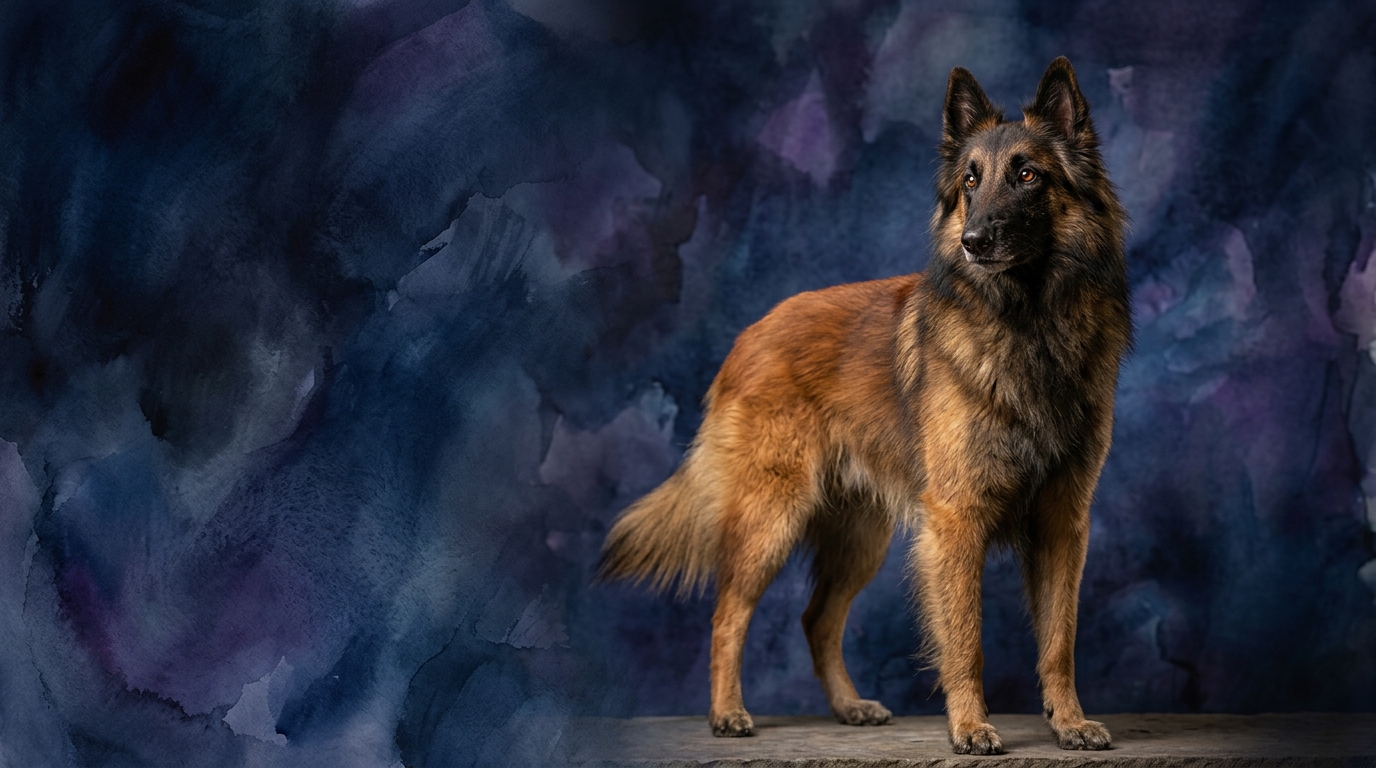
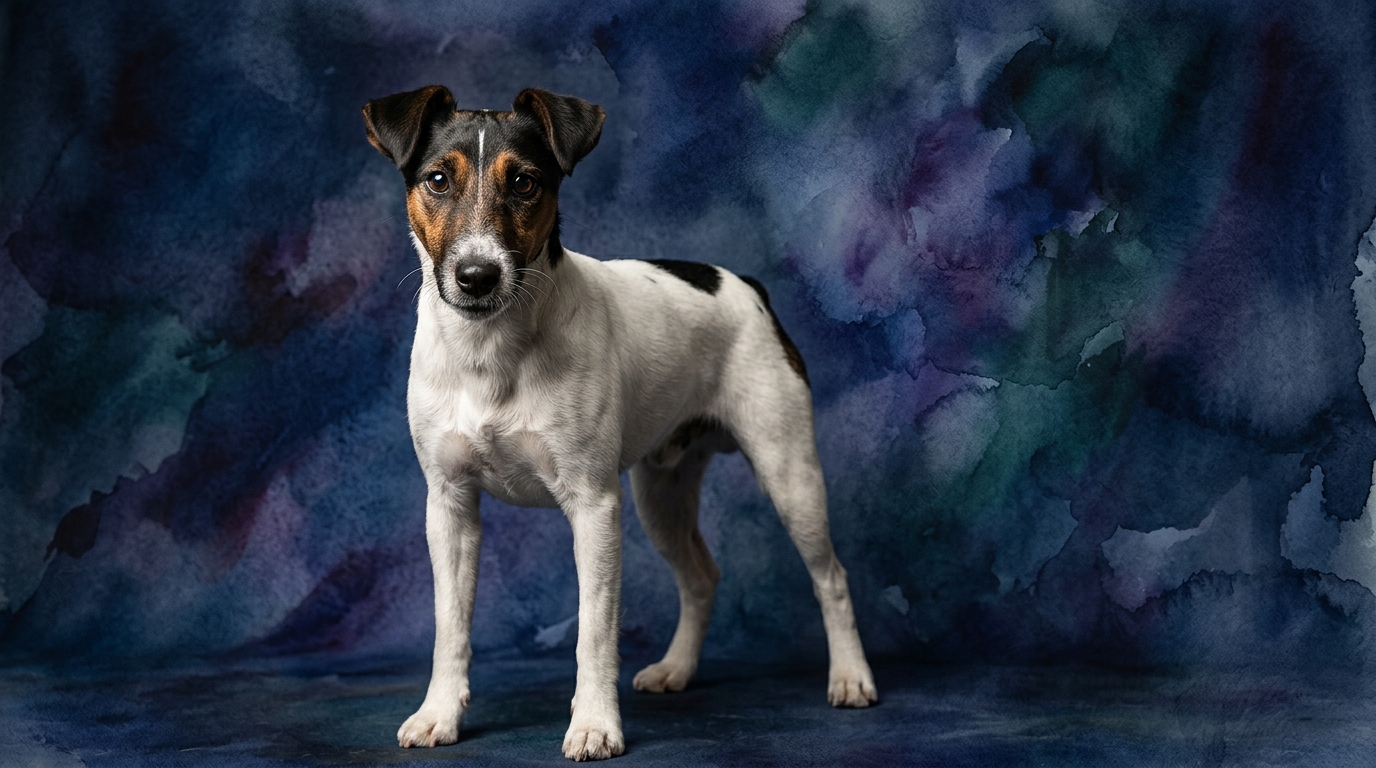
Side-by-Side IQ Profile: Tervuren vs. Fox Terrier
The Cosmic Pet Pet IQ Lab provides a standardized framework to assess canine cognitive dimensions, offering a clear comparative lens for these two breeds.
**Belgian Tervuren (Herding Group, Coren rank #14):** This breed consistently demonstrates strong capabilities in areas demanding complex mental engagement. Their Problem Solving is rated 5/5, reflecting an aptitude for intricate, multi-step tasks and strategic thinking. Training Speed also scores 5/5, indicating rapid comprehension and retention of new commands. Social Intelligence is 3/5, suggesting they are deeply attuned to their primary human but can be reserved with strangers. Instinctive Drive, at 3/5, primarily manifests as a strong herding impulse and protective nature. Their Memory is exceptional, earning a 5/5, allowing them to retain vast amounts of information over extended periods.
**Smooth Fox Terrier (Terrier Group, Not Coren-ranked):** The Smooth Fox Terrier exhibits a different cognitive emphasis, rooted in their independent hunting heritage. Their Problem Solving is 3/5, often characterized by tenacity and direct, instinct-driven solutions rather than abstract strategy. Training Speed is 3/5, meaning they are capable learners but may require more motivation and repetition due to their independent streak. Social Intelligence is 3/5, indicating a confident, self-assured approach to navigating their social environment. Instinctive Drive is 3/5, predominantly expressed as a strong prey drive, digging propensity, and alertness. Their Memory is 3/5, sufficient for daily routines and essential commands, but less geared towards complex sequences.
Where the Belgian Tervuren Excels Cognitively
The Belgian Tervuren clearly demonstrates superior cognitive capacities in areas demanding complex planning and sustained mental effort. Their 5/5 score in problem-solving reflects an aptitude for tasks that require anticipation, strategic sequencing, and adaptive execution—qualities honed by generations of herding work. For instance, a Tervuren can master intricate agility courses, learn multi-stage obedience routines, or excel in protection work that demands nuanced decision-making beyond simple command adherence.
Their exceptional memory (5/5) allows them to store and recall vast amounts of information, making them adept at remembering elaborate command chains or navigating complex environments with precision, even after long periods. This breed's training speed (5/5) further underscores their cognitive advantage, as they rapidly form associations and integrate new behaviors into their repertoire, a testament to their processing efficiency and eagerness to collaborate on challenging mental exercises. This collective cognitive strength positions the Tervuren as a formidable partner for demanding intellectual pursuits.
Where the Smooth Fox Terrier Excels Cognitively
While the Smooth Fox Terrier might not match the Tervuren's capacity for abstract, multi-stage problem-solving, they excel in a different cognitive domain: tenacious, independent action driven by immediate environmental cues. Their problem-solving (3/5) is particularly effective in scenarios requiring quick, instinctive responses, such as identifying and pursuing a scent trail or navigating obstacles with determined resourcefulness.
This breed's strength lies in their self-reliance and the ability to operate effectively without constant human direction, a cognitive trait valued in their original role of flushing out quarry from challenging terrain. They display a robust mental fortitude when pursuing a goal, often demonstrating an unwavering focus on their objective despite distractions. Their social intelligence (3/5), while not centered on deep human emotional interpretation, allows them to confidently assert themselves and navigate their immediate social and physical environment with a spirited independence, making rapid assessments of situations and reacting decisively.
Training Dynamics: Which Breed is Easier?
Without question, the Belgian Tervuren presents a significantly smoother training experience for most owners. Their top scores in training speed (5/5) and memory (5/5), combined with a strong desire to engage with their handler, mean they grasp new concepts quickly and retain them over time. A Tervuren often needs only a few repetitions to understand a command, and they are motivated by the opportunity to work and please. This translates into rapid progress in obedience, advanced tricks, and specialized tasks.
In contrast, the Smooth Fox Terrier's training speed (3/5) and problem-solving approach (3/5), coupled with their inherent independence and strong instinctive drives, require a more patient and persistent trainer. A Smooth Fox Terrier is less driven by a desire to please and more by what is inherently rewarding to them, meaning trainers must be creative and consistent, often employing shorter, highly engaging sessions to maintain focus against their tendency to follow their nose or chase. Their independence means they might question the purpose of a command if it doesn't align with their immediate interest, demanding more persuasive and consistent reinforcement strategies.
Matching Breeds to Owner Lifestyles
The Belgian Tervuren is unequivocally suited for highly active owners who can provide consistent mental and physical engagement. An owner interested in dog sports like agility, obedience, protection work, or even search and rescue would find an ideal partner in a Tervuren. Their high cognitive needs for problem-solving and memory mean they thrive on structured activities that challenge their intellect daily. A relaxed owner who cannot commit to significant daily mental stimulation and physical exercise would likely find a Tervuren to be an overwhelming companion, potentially leading to boredom-induced behaviors.
The Smooth Fox Terrier also requires an active owner, but the *nature* of that activity differs. While they need regular exercise to burn off energy, their mental stimulation often revolves around channeling their strong prey drive and keen senses. Owners who enjoy brisk walks, interactive games of fetch, earthdog trials, or consistent training that acknowledges their independent spirit would be a good match. They are less suited for owners seeking a purely relaxed, low-maintenance companion, but their needs are perhaps less intensely structured than the Tervuren's, allowing for more spontaneous, instinct-driven play rather than complex, multi-stage work.
The Verdict
Select a Belgian Tervuren if you are an experienced, active owner seeking a highly trainable, cognitively demanding companion for advanced dog sports, working roles, or complex obedience, appreciating their exceptional memory and rapid learning.
Opt for a Smooth Fox Terrier if you appreciate a spirited, independent companion with a tenacious problem-solving approach, are prepared to manage a strong prey drive, and can provide consistent, engaging activity that caters to their energetic and self-reliant nature.
🧠 Find Your Pet's IQ Score
Our Pet IQ Lab assessment covers 25+ tests across 5 cognitive dimensions — personalized to your breed.
Take the Full IQ Test →Frequently Asked Questions
Are Belgian Tervurens good for first-time dog owners?
Generally, Belgian Tervurens are not recommended for first-time dog owners due to their significant cognitive needs, high energy levels, and sensitive nature, which require experienced handling and consistent, structured training to thrive. Their high problem-solving and memory capacities mean they need an owner who can consistently challenge them mentally.
How much exercise does a Smooth Fox Terrier need daily?
Smooth Fox Terriers require a good amount of daily exercise, typically around an hour of vigorous activity, including brisk walks, playtime, and opportunities for off-leash running in a secure area. This helps manage their strong instinctive drive and prevents boredom.
Can a Smooth Fox Terrier live harmoniously with other small pets?
Due to their strong prey drive, Smooth Fox Terriers may not be the best choice for homes with small pets like hamsters, birds, or even cats, unless introduced carefully from a very young age and constantly supervised. Their instinctive drive to chase and hunt can be challenging to overcome.