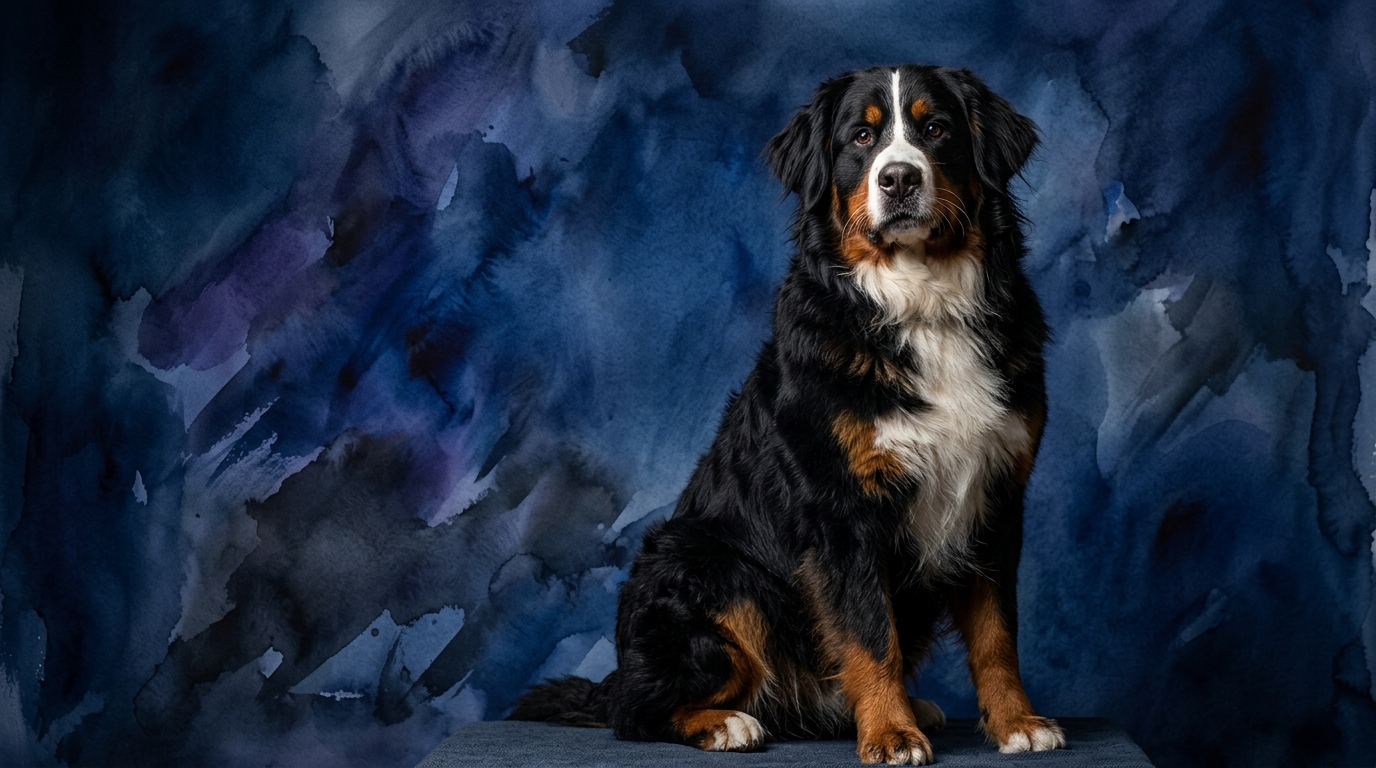
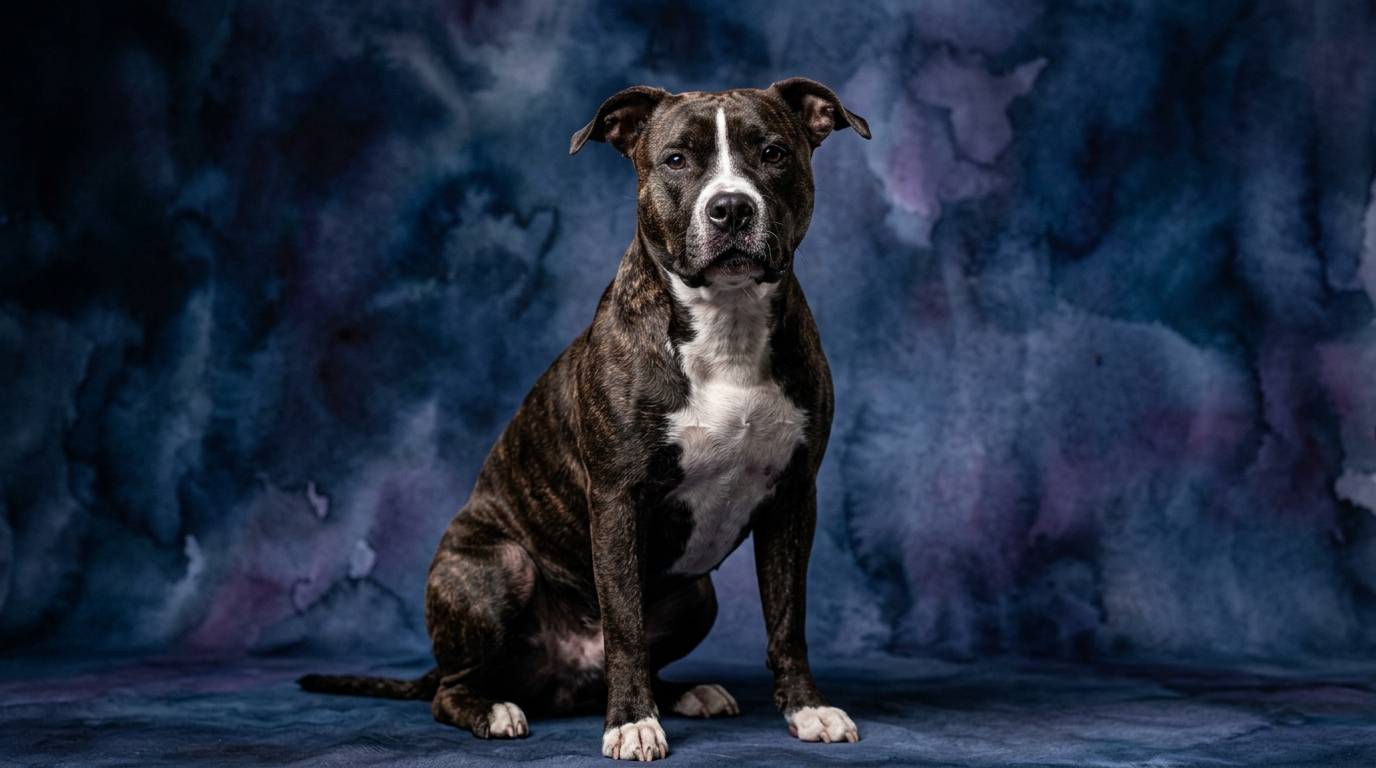
Side-by-side IQ profile
The Cosmic Pet Pet IQ Lab employs a multi-dimensional approach to assess canine cognition, moving beyond simple obedience scores to evaluate problem-solving, training speed, social intelligence, instinctive drive, and memory. For the Bernese Mountain Dog, a Coren rank of #27 places it firmly within the working category, reflecting its heritage as a farm dog. Its Problem Solving score of 3/5 suggests a capability for understanding routines and navigating familiar environments efficiently, though it might not be the quickest to devise novel solutions to complex, unfamiliar puzzles without human guidance. The Training Speed of 4/5 highlights its cooperative nature and eagerness to engage with human instruction, making it a responsive pupil. A remarkable Social Intelligence score of 5/5 underscores its deep empathy and intuitive understanding of human emotions and family dynamics, fostering strong, responsive bonds. Its Instinctive Drive at 4/5 reflects a strong inclination for partnership and purpose, often manifesting as a desire to participate in family activities or 'work' alongside its people, such as pulling carts or guarding. Finally, its Memory at 3/5 indicates a solid recall for learned commands and established routines, though perhaps less emphasis on retaining every minute detail of past interactions.
Conversely, the American Staffordshire Terrier, ranking #48 on the Coren scale, brings a distinct terrier intellect to the forefront. Its Problem Solving also scores 3/5, but this manifests differently; AmStaffs are known for their tenacious, independent approach to figuring things out, often driven by their strong will to achieve a desired outcome, which can lead to resourceful and sometimes mischievous strategies. The Training Speed of 3/5 suggests they are capable learners, but their independent spirit means training requires more consistent, engaging, and patient methods to maintain focus and compliance compared to a more overtly cooperative breed. Their Social Intelligence is rated 3/5, indicating they form profound attachments within their immediate family, yet may be more reserved or discerning when encountering strangers or new social situations, requiring careful socialization. The Instinctive Drive at 3/5 speaks to a persistent, focused energy, often directed towards vigorous play, focused tasks, or interaction, rather than the broad working roles of a Bernese. A notable strength is their Memory, scoring 4/5, which means they retain experiences, both positive and negative, over a considerable period. This strong recall makes consistent, positive reinforcement crucial for shaping their behavior effectively.
Where Bernese Mountain Dog wins cognitively
The Bernese Mountain Dog truly excels in social intelligence, scoring a perfect 5/5, significantly surpassing the American Staffordshire Terrier's 3/5. This dimension reflects their exceptional capacity to read and respond to human emotions, body language, and subtle cues, making them extraordinarily empathetic and attuned companions. Their deep understanding of social dynamics allows them to integrate seamlessly into family life, often anticipating needs and offering comfort without direct command. This profound social acumen makes them particularly suitable for roles where emotional responsiveness and gentle interaction are paramount.
Another clear advantage for the Bernese Mountain Dog lies in its Training Speed, rated at 4/5 compared to the AmStaff's 3/5. This higher score indicates a more immediate willingness to learn and a greater responsiveness to instruction. Their desire to please and cooperative nature mean they generally pick up new commands and routines more quickly, making initial obedience training and complex behavioral adjustments smoother. This responsiveness stems from their strong social bond and inherent drive to work alongside their human partners, fostering a rewarding training experience.
Where American Staffordshire Terrier wins cognitively
While both breeds score 3/5 in Problem Solving, the American Staffordshire Terrier's approach often involves a tenacious, independent drive that gives it a distinct edge in certain scenarios. Unlike the Bernese, which might look to its handler for guidance, the AmStaff can be incredibly resourceful in figuring out how to achieve its goals, whether it’s retrieving a hidden toy or navigating a complex environment. This persistence, combined with their substantial physical capabilities, means they are often adept at overcoming physical obstacles or figuring out how to manipulate objects to their advantage. Their problem-solving isn't always about cooperative learning but often about self-directed ingenuity.
The American Staffordshire Terrier also boasts a superior Memory score of 4/5, outranking the Bernese Mountain Dog's 3/5. This robust memory means that once an AmStaff learns something, whether it's a command, a routine, or an experience, it tends to stick. This strong recall is a powerful tool in training, as consistent positive reinforcement builds lasting behavioral patterns. However, it also means that negative experiences or inconsistent training can leave a more persistent impression, underscoring the importance of early, positive socialization and a stable environment.
Which is easier to train and why
When considering ease of training, the Bernese Mountain Dog generally presents a more straightforward experience for the average owner. Their higher Training Speed (4/5) and exceptional Social Intelligence (5/5) mean they are inherently more inclined to cooperate and seek to understand human directives. They thrive on positive reinforcement, praise, and the strong bond they share with their family, making them eager to learn and responsive to commands. Their cooperative nature means they are less likely to exhibit resistance or stubbornness, and they generally adapt well to structured training environments, viewing it as an opportunity for interaction and partnership.
The American Staffordshire Terrier, with a Training Speed of 3/5 and a more independent Problem Solving approach, often requires a different strategy. While they possess a strong Memory (4/5) which aids retention, their inherent tenacity and sometimes strong-willed nature mean that training demands more patience, consistency, and engaging methods. Owners must establish clear leadership and make training sessions fun and rewarding to maintain their focus. Real behavioral differences include the AmStaff's potential for being easily distracted by environmental stimuli or their own independent agenda, whereas the Bernese is often more focused on its handler. Early and extensive socialization is crucial for the AmStaff to channel its natural drives constructively.
Which suits active owners vs relaxed owners
For owners seeking a companion that can blend both activity and periods of calm, the Bernese Mountain Dog is often a suitable choice. While they appreciate regular walks, hikes, and opportunities to engage in family activities, their moderate instinctive drive (4/5) and desire for close companionship mean they are equally content to relax indoors with their family. They require consistent, but not necessarily intense, physical activity to maintain health and well-being. Their high social intelligence means they thrive on being an integral part of family life, whether it's an outdoor adventure or a quiet evening at home, making them adaptable to a moderately active, family-focused lifestyle.
The American Staffordshire Terrier, however, generally thrives with more active and engaged owners. Their instinctive drive (3/5), combined with their tenacious problem-solving and robust memory, means they benefit significantly from consistent physical exercise and mental stimulation. They excel in activities like agility, obedience trials, vigorous fetch, or long, structured walks and runs. An AmStaff needs outlets for its energy and focus; without adequate engagement, their ingenuity and drive can lead to boredom and potentially undesirable behaviors. They are best suited for owners who can dedicate time daily to structured exercise, training games, and mental challenges, providing the stimulation a terrier mind often craves.
The Verdict
Choose a Bernese Mountain Dog if you value deep social connection, an empathetic companion, and a generally cooperative partner in training and daily life. They integrate smoothly into family routines and respond well to gentle guidance.
Opt for an American Staffordshire Terrier if you are an active, committed owner prepared to provide consistent, engaging mental and physical stimulation for a loyal, tenacious, and memorable companion. Their strong memory and independent spirit require dedicated effort to flourish.
🧠 Find Your Pet's IQ Score
Our Pet IQ Lab assessment covers 25+ tests across 5 cognitive dimensions — personalized to your breed.
Take the Full IQ Test →Frequently Asked Questions
Do Bernese Mountain Dogs get along with other pets?
Yes, their high social intelligence generally makes them adaptable to other animals within the family structure, especially with proper introductions and socialization. They often display a gentle temperament and can form harmonious relationships with other household pets.
What kind of mental stimulation do American Staffordshire Terriers need?
They benefit greatly from puzzle toys, scent work, advanced obedience training, and agility exercises. Their tenacious problem-solving and robust memory respond well to consistent mental challenges that keep them engaged and prevent boredom, channeling their energy constructively.
Is either breed prone to destructive behavior if bored?
Any dog can exhibit destructive behaviors if under-stimulated, but the manifestation differs. A Bernese Mountain Dog might become withdrawn or vocal, whereas an American Staffordshire Terrier, with its independent drive, might resort to more physical outlets like chewing, digging, or trying to escape if its mental and physical needs aren't met.