Side-by-Side Cognitive Profiles
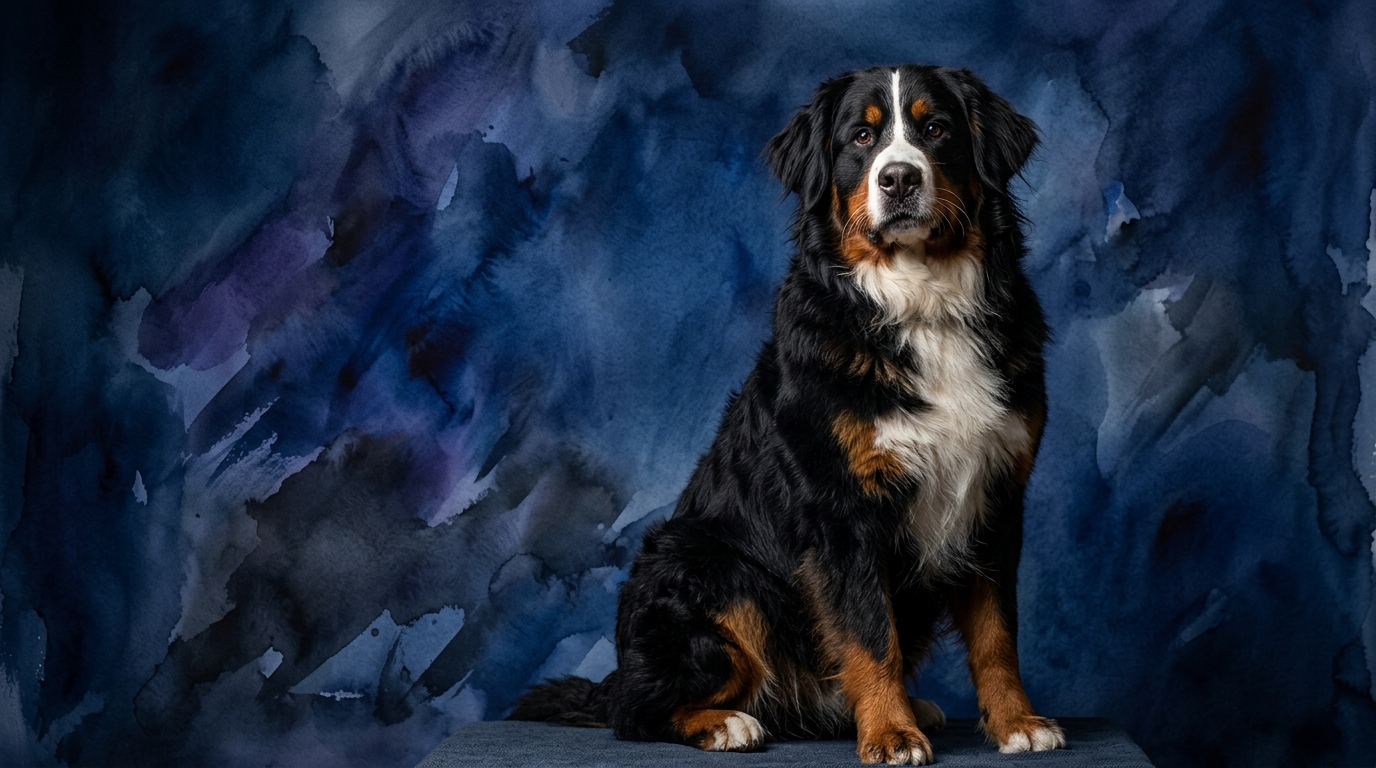
To understand these two impressive breeds, we examine their cognitive abilities across five key dimensions. The Bernese Mountain Dog, a robust working breed, exhibits a problem-solving capacity rated at 3/5, indicating they can navigate new situations and figure out solutions with moderate effort. Their training speed is a commendable 4/5, reflecting a willingness to learn and respond to guidance. Where they truly shine is in social intelligence, scoring a perfect 5/5, demonstrating an exceptional ability to read human emotions and cues, fostering deep connections. Their instinctive drive sits at 4/5, signifying a strong inherent desire for purposeful activity, while their memory is a solid 3/5, allowing them to retain learned behaviors and experiences effectively.
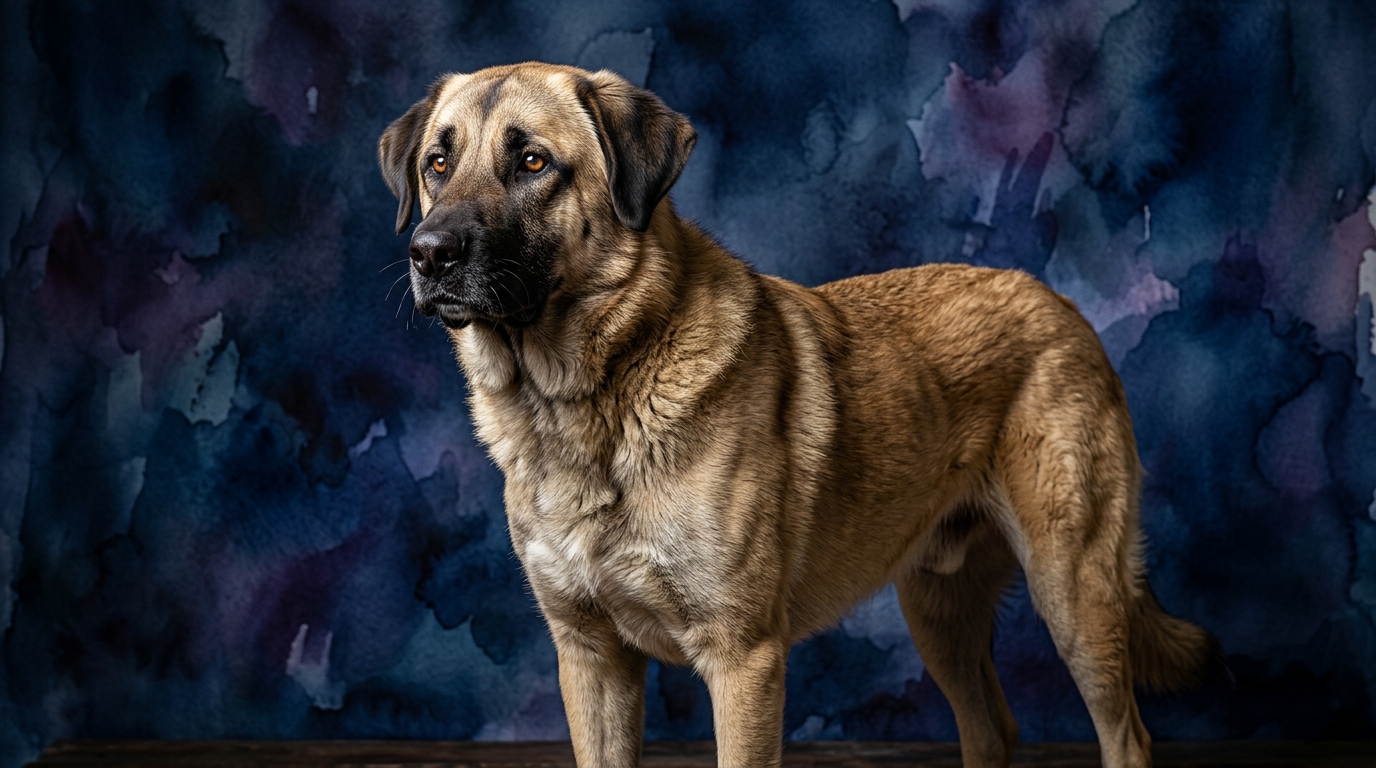
The Anatolian Shepherd Dog, a formidable livestock guardian, shares a similar problem-solving score of 3/5, capable of independent thought to address challenges within their environment. However, their training speed is rated at 3/5, suggesting a more deliberate and independent learning process that requires consistent, patient instruction. Their social intelligence is 3/5, indicating they form strong, albeit often reserved, bonds with their trusted circle, but may not be as overtly expressive or universally engaging as the Bernese. The Anatolian’s instinctive drive, also 3/5, is powerfully geared towards protection and vigilance, rather than a general desire for varied tasks. Their memory is likewise 3/5, adept at recalling important territorial boundaries, threats, and the routines essential to their guarding duties.
Where the Bernese Mountain Dog Excels Cognitively
The Bernese Mountain Dog's cognitive strengths distinctly lie in their social intelligence and training speed. With a perfect 5/5 in social intelligence, these dogs possess an innate ability to interpret human body language, vocal tones, and emotional states with remarkable accuracy. This profound understanding allows them to integrate seamlessly into family dynamics, anticipate needs, and offer comfort or companionship. Their historical role as multi-purpose farm dogs, working closely alongside humans in a variety of tasks from pulling carts to herding and guarding, fostered this exceptional capacity for cooperative interaction and attunement to human signals. This makes them highly responsive to praise and correction, driven by a desire to maintain harmony within their human pack.
Furthermore, their training speed of 4/5 is a direct beneficiary of this high social intelligence. A Bernese is generally eager to please and finds satisfaction in cooperative learning, which translates into a quicker grasp of commands and routines. They thrive on positive reinforcement and consistent guidance, often demonstrating a cheerful willingness to engage in training sessions. This cognitive trait makes them particularly adaptable to various dog sports, obedience trials, and therapy work, where understanding and responding to human direction is paramount. Their memory, at 3/5, capably supports this, allowing them to build a robust repertoire of learned behaviors and social cues over time, making subsequent training and social interactions more fluid.
Where the Anatolian Shepherd Dog Demonstrates Unique Cognitive Strengths
While the Anatolian Shepherd Dog's scores might appear lower in some metrics compared to the Bernese, their cognitive strengths are uniquely tailored to their ancient purpose: independent livestock guarding. Their problem-solving ability, rated 3/5, combined with their strong instinctive drive (3/5, specifically for protection), means they excel at independent judgment and decision-making in complex, dynamic environments without constant human instruction. Unlike breeds bred for direct human partnership in every task, the Anatolian's cognitive framework prioritizes vigilance, threat assessment, and self-reliance. They must evaluate situations, often in remote settings, and determine the appropriate response to protect their flock, whether it's a subtle deterrent or a more assertive confrontation.
Their social intelligence, at 3/5, reflects a selective and deeply bonded loyalty rather than universal affability. This breed forms profound connections with their 'flock' – be it sheep, other animals, or their human family – and their cognitive processing is geared towards safeguarding this inner circle. Their memory (3/5) is particularly effective for retaining territorial boundaries, identifying potential threats, and understanding the routines of their charges. This isn't about remembering tricks, but about recalling complex environmental patterns and predator behaviors. Their training speed of 3/5 also stems from this independence; they learn, but they often require owners to understand their intrinsic motivations and work with, rather than against, their natural self-sufficiency and protective instincts. This makes them adept at discerning genuine threats from harmless occurrences, a critical cognitive skill for their role.
Training Dynamics: Bernese Mountain Dog vs. Anatolian Shepherd Dog
When considering ease of training, the Bernese Mountain Dog generally presents a more straightforward experience for many owners, largely due to their higher social intelligence and training speed. A Bernese often actively seeks to understand and comply with human directives, finding satisfaction in cooperative tasks. Their behavioral inclination is to engage with their human companions, making them receptive to positive reinforcement methods and consistent, gentle guidance. They tend to pick up new commands relatively quickly, and their eagerness to please translates into a more enthusiastic participation in training sessions. This makes early socialization and obedience training often a rewarding and less challenging endeavor.
The Anatolian Shepherd Dog, in contrast, requires a different approach to training, stemming from their inherent independence and guarding instincts. Their 3/5 training speed is not a deficit in learning capacity, but rather a reflection of their selective motivation; they are less driven by a desire to please and more by their own assessment of a situation's utility. An Anatolian might understand a command but choose not to execute it if it conflicts with their perceived duty or independent judgment. Effective training involves building a strong foundation of trust and respect, using calm, consistent methods, and understanding that their primary role is not complex obedience but vigilant protection. Owners must be prepared for a dog that will question, assess, and sometimes make its own decisions, requiring patience and a deep understanding of their unique behavioral drivers rather than expecting immediate, unquestioning compliance.
Suitability for Active vs. Relaxed Owners
For owners seeking a companion that balances activity with relaxed family time, the Bernese Mountain Dog is often a fitting choice. While they do require regular exercise to maintain their physical and mental well-being—including walks, playtime, and engaging in activities like carting or hiking—they are also content to settle down with their family. Their social intelligence means they thrive on interaction and being an integral part of daily household life. They enjoy cooperative activities and are generally adaptable to various household rhythms, making them suitable for active owners who want a dog to join them on adventures, as well as those who appreciate a loyal, calm presence during downtime.
The Anatolian Shepherd Dog, however, suits a more specific type of owner, often one with experience in working breeds or a clear understanding of their guarding nature. While not necessarily requiring high-intensity, structured exercise in the same way a retriever might, they need purpose and space. Their 'activity' often manifests as patrolling a large yard or property, observing, and being vigilant. A relaxed owner in a small urban setting might find the Anatolian's strong instinctive drive for protection and independence challenging to manage. They are best suited for active owners who can provide ample secure space, understand the nuances of a guardian breed, and appreciate a dog that operates with a high degree of self-sufficiency. They are not dogs that will thrive being left alone in a small backyard without a perceived job; their mental engagement comes from their role as a protector.
The Verdict
Choose the Bernese Mountain Dog if you seek a highly social, cooperative companion eager to engage in family activities and respond readily to training, thriving on close human connection. They are well-suited for owners desiring a loyal presence that balances active engagement with relaxed companionship.
Opt for the Anatolian Shepherd Dog if you are an experienced owner prepared for an independent, protective guardian with a strong sense of purpose, requiring specific management of their territorial instincts. They are ideal for those with ample space and a deep understanding of their self-reliant nature and need for a 'job'.
🧠 Find Your Pet's IQ Score
Our Pet IQ Lab assessment covers 25+ tests across 5 cognitive dimensions — personalized to your breed.
Take the Full IQ Test →Frequently Asked Questions
Is the Bernese Mountain Dog prone to separation anxiety due to their high social intelligence?
The Bernese Mountain Dog's exceptional social intelligence means they deeply value human companionship, which can indeed make them susceptible to separation anxiety if not properly socialized and trained for alone time. Consistent early training and mental stimulation can help mitigate this, teaching them to be confident when their family is away.
How does the Anatolian Shepherd Dog's independence impact its ability to live in a family home?
The Anatolian Shepherd Dog's independence means they might not constantly seek human interaction, preferring to observe and patrol. While they form strong bonds with their family, they require clear leadership and early socialization to ensure they differentiate family members from perceived threats, integrating well into a structured home environment.
Can an Anatolian Shepherd Dog be trained for complex obedience tasks despite its lower training speed score?
Yes, an Anatolian Shepherd Dog can learn complex obedience, but it will likely require more patience, consistency, and a deep understanding of their independent motivations. Their training isn't about speed or eagerness to please, but about building trust and demonstrating the value of cooperation, often requiring creative approaches to keep them engaged.