
Side-by-Side Cognitive Profiles
The Cosmic Pet Pet IQ Lab provides a fascinating framework for understanding canine cognition across five distinct dimensions. For the Bernese Mountain Dog, ranked #27 by Coren, its profile highlights a problem-solving score of 3/5, indicating they often prefer structured guidance over independent ingenuity. Their training speed is a robust 4/5, reflecting their willingness to learn, while their social intelligence truly shines at 5/5, showcasing an exceptional capacity for reading human emotions and intentions. An instinctive drive of 4/5 speaks to their working heritage, and a memory score of 3/5 suggests they retain routines and commands effectively but might not recall complex sequences with the same precision as some other breeds.
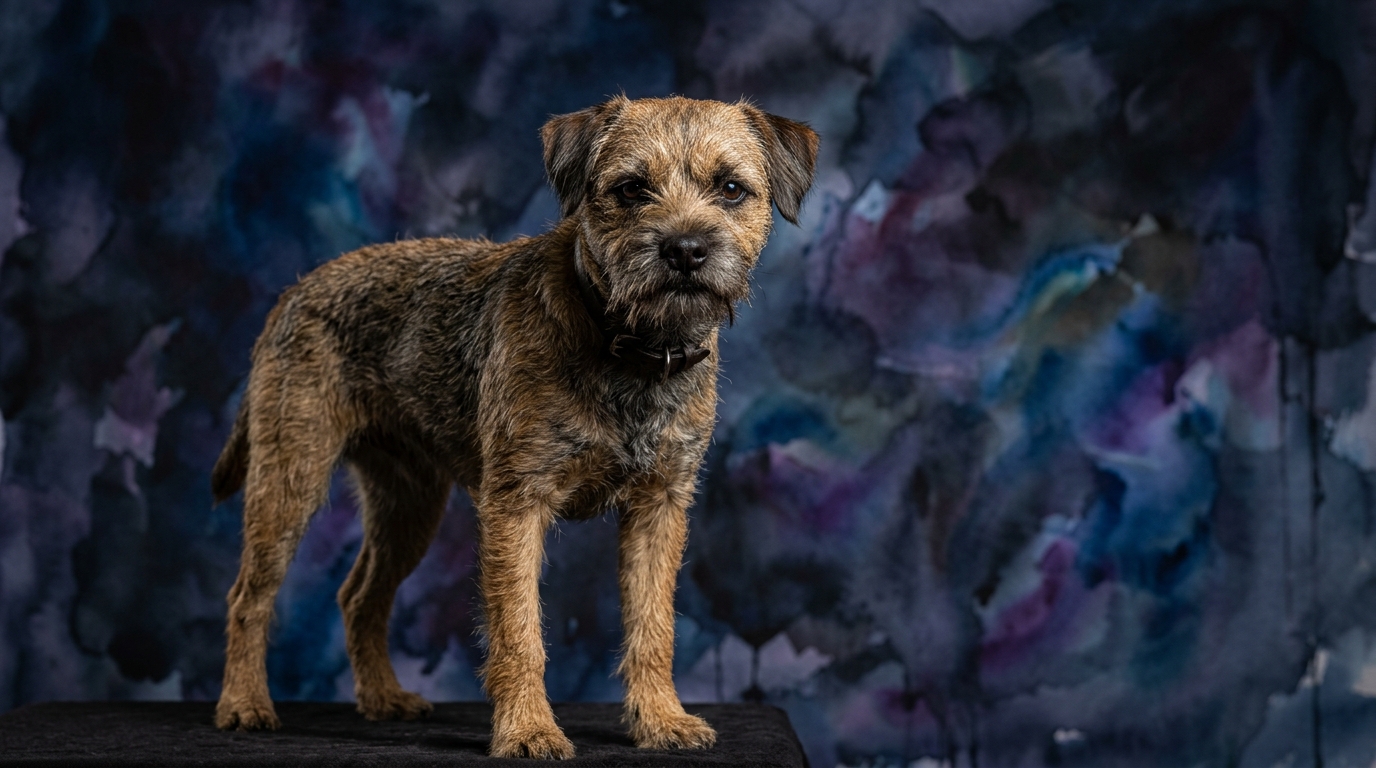
In contrast, the Border Terrier, Coren ranked #30, presents a different cognitive blueprint. Their problem-solving ability scores 4/5, suggesting a more resourceful and independent approach to obstacles. Training speed matches the Bernese at 4/5, indicating quick learning, though their application can sometimes be influenced by their independent streak. Social intelligence for the Border Terrier is 3/5, meaning they form strong bonds but might be less attuned to subtle human emotional shifts, often prioritizing their own investigative agenda. Their instinctive drive is 3/5, primarily focused on prey and exploration, while their memory stands at an impressive 4/5, supporting their independent navigation and learning from past experiences.
Where the Bernese Mountain Dog Excels Cognitively
The Bernese Mountain Dog's cognitive strengths are deeply rooted in their social intelligence, scoring an exceptional 5/5. This dimension isn't just about being friendly; it reflects a profound capacity to understand and respond to human emotions, intentions, and social cues. A Bernese will often sense a shift in an owner's mood, offering comfort or space without explicit instruction. This empathetic connection fosters an almost intuitive partnership, making them incredibly attuned family members and exceptional candidates for roles requiring a gentle, responsive presence, such as therapy or emotional support animals. Their problem-solving score of 3/5 means they are less likely to independently devise complex plans, preferring to engage with their human companions for guidance. This preference for cooperative effort over solitary ingenuity makes them highly receptive to joint activities and structured learning.
Furthermore, their training speed of 4/5 is significantly amplified by their high social intelligence. A Bernese is often motivated by the desire to please and maintain harmony within their human pack. This intrinsic motivation means they readily absorb commands and routines, not just for a treat, but for the positive social reinforcement and approval they receive. For example, when teaching a new trick, a Bernese might focus intently on your body language and tone, quickly understanding what is expected because they are deeply invested in the social interaction. This cooperative spirit makes the training journey a shared, bonding experience, rather than a battle of wills, contrasting sharply with breeds that prioritize independent thought and action.
Where the Border Terrier Demonstrates Unique Cognitive Strengths
The Border Terrier's cognitive prowess shines in its problem-solving ability, scoring a robust 4/5, and its impressive memory, also 4/5. Unlike the cooperative problem-solving style of the Bernese, the Border Terrier often approaches challenges with an independent, resourceful mindset. This means they are more inclined to experiment, observe, and devise their own solutions to obstacles, whether it's figuring out how to retrieve a toy from an awkward spot, navigating a complex new environment, or even subtly manipulating situations to their advantage. Their terrier heritage imbues them with a persistent curiosity and a drive to investigate, making them adept at processing information from their surroundings and applying past learning to new scenarios.
Their superior memory (4/5) is a critical component of this problem-solving ability. A Border Terrier remembers not just commands, but also the layout of places, the sequence of events, and the outcomes of their previous attempts to overcome challenges. This allows them to build a mental map of their world and refine their strategies over time. For instance, if they tried one method to open a gate and it failed, they are likely to recall that experience and try a different approach next time. This combination of independent thought and strong recall means they are constantly learning from their environment and experiences, often without direct human instruction, making them incredibly adaptable and often surprisingly cunning in their pursuits.
Ease of Training: Bernese Mountain Dog vs. Border Terrier
When it comes to ease of training, the Bernese Mountain Dog generally presents a more straightforward experience for most owners. With a training speed of 4/5 and an outstanding social intelligence of 5/5, they are inherently predisposed to cooperation. Their strong desire to please their human companions means they are highly motivated by praise, affection, and positive reinforcement. They thrive on clear, consistent instructions and will often eagerly comply to maintain the harmonious social bond they cherish. Their lower problem-solving score (3/5) means they are less inclined to question commands or independently pursue an alternative agenda, making them generally more predictable and receptive during training sessions. This breed's cooperative nature means they often learn quickly and apply commands reliably, making them a joy to train for those who appreciate a willing partner.
The Border Terrier, while also having a training speed of 4/5, presents a different set of considerations due to its independent problem-solving (4/5) and lower social intelligence (3/5) compared to the Bernese. They are quick to grasp new concepts, but their innate tenacity and strong instinctive drives, particularly their prey drive and desire to explore, can sometimes override their willingness to comply. A Border Terrier might understand a command perfectly but choose to prioritize an interesting scent, a perceived 'job,' or an opportunity for independent investigation. This independent streak means training often requires more patience, creativity, and high-value rewards to consistently capture and maintain their focus. Owners must work to make training more engaging and rewarding than the distractions of the environment, often needing to outsmart their clever terrier to ensure consistent obedience. While capable of learning a great deal, their application of commands can be less consistent without strong, ongoing motivation tailored to their independent spirit.
Lifestyle Match: Active vs. Relaxed Owners
For owners who prefer a more relaxed pace and a deeply empathetic companion, the Bernese Mountain Dog is often an ideal match. Their high social intelligence (5/5) means they thrive on close companionship and family interaction, often content to be near their people without constant demands for vigorous activity. While they certainly require moderate daily exercise to maintain their health and happiness, such as walks and gentle play, their instinctive drive (4/5) is primarily geared towards companionship and structured tasks rather than independent exploration or high-energy pursuits. They are generally not a breed that will constantly seek out 'trouble' or invent their own entertainment if left to their own devices, preferring to settle with their family. This makes them suitable for owners who are present and enjoy a calm, affectionate presence in the home, without necessarily needing a dog for high-octane adventures.
Conversely, the Border Terrier is better suited for active, engaged owners who appreciate a resourceful and tenacious canine partner. Their strong problem-solving ability (4/5) and memory (4/5), combined with their instinctive drive (3/5) for exploration and hunting, mean they require significant mental and physical stimulation. A Border Terrier thrives on opportunities to investigate, dig, and engage in activities that challenge their intellect and utilize their natural instincts. They are not content to simply lounge; they need a 'job' or an outlet for their energy and curiosity, whether it's through earthdog trials, agility, long hikes with opportunities for investigation, or engaging puzzle toys. Owners who can provide consistent mental enrichment and ample physical activity will find the Border Terrier to be a rewarding and engaging companion, perfectly suited for an adventurous lifestyle.
The Verdict: When to Choose Each Breed
The Verdict
Choose the Bernese Mountain Dog if you seek a deeply empathetic, cooperative companion who thrives on social connection and responds well to positive reinforcement, appreciating a more relaxed, gentle presence in your home.
Choose the Border Terrier if you are an active, adventurous owner who enjoys a resourceful, independent canine partner, capable of solving puzzles and exploring with tenacity, and can provide consistent mental and physical stimulation.
🧠 Find Your Pet's IQ Score
Our Pet IQ Lab assessment covers 25+ tests across 5 cognitive dimensions — personalized to your breed.
Take the Full IQ Test →Frequently Asked Questions
Do Bernese Mountain Dogs need a lot of exercise?
Bernese Mountain Dogs require moderate, regular exercise to maintain their health and prevent boredom, but they are not typically hyperactive. Daily walks and opportunities for gentle play with their family are usually sufficient for this large, cooperative breed.
Are Border Terriers good with other pets?
Border Terriers can coexist with other pets, especially if introduced early, but their strong prey drive means careful supervision is essential with smaller animals. Their independent nature often means they'll tolerate, rather than deeply bond with, other household pets.
What's the biggest training challenge for a Border Terrier?
The biggest training challenge for a Border Terrier often stems from their independent problem-solving and instinctive drive, which can lead them to prioritize their own agenda over commands. Consistent, engaging, and highly rewarding training methods are crucial to maintain their focus.