Side-by-Side Cognitive Profiles
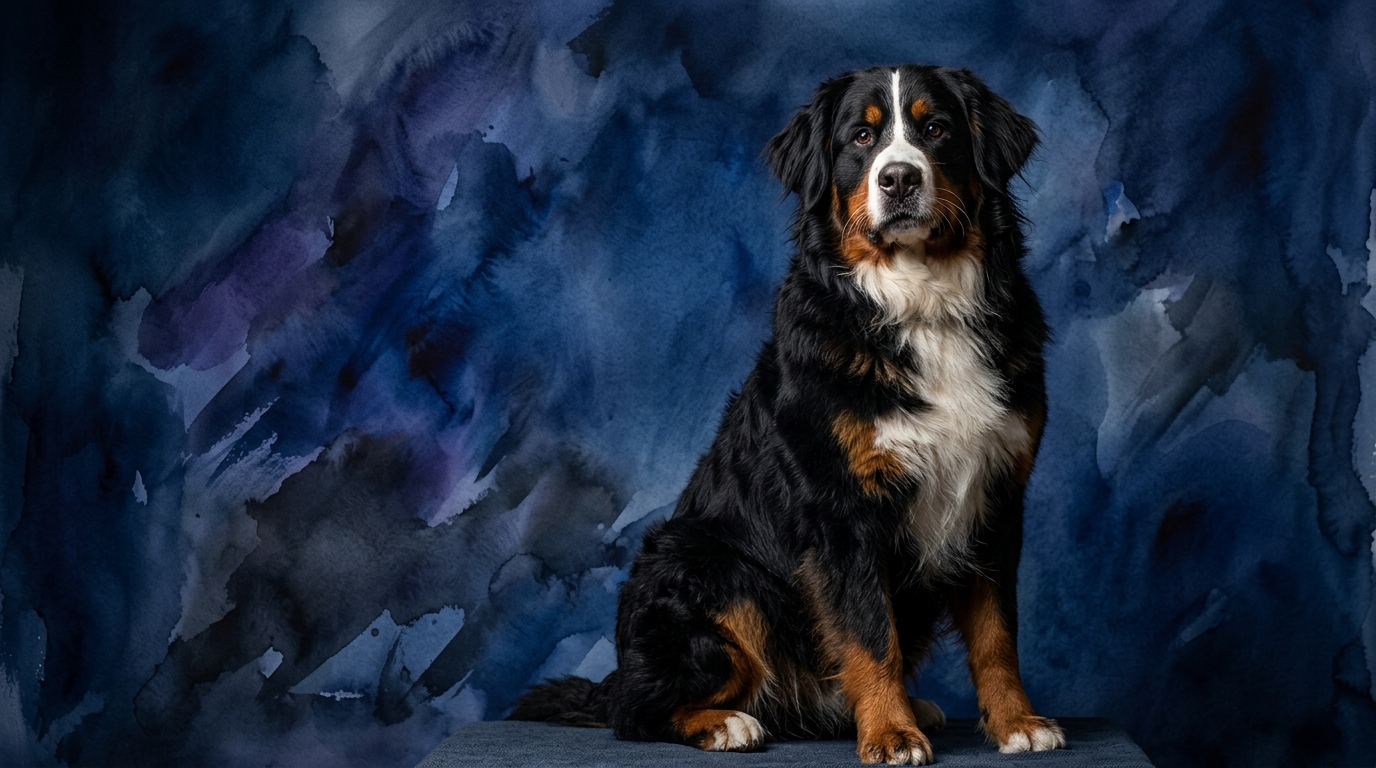
The Bernese Mountain Dog, a Working breed ranking #27 on Coren's scale, presents a profile marked by strong social attunement and a cooperative spirit. Their problem-solving ability is rated 3/5, indicating competence in navigating moderately complex situations, often relying on established patterns. Training speed registers an impressive 4/5, reflecting their quick grasp of new commands and eagerness to engage. Social intelligence is a standout at 5/5, showcasing an exceptional capacity to interpret human emotions and cues, fostering deep bonds. An instinctive drive of 4/5 points to their historical roles in companionship and protection, while memory is a functional 3/5.
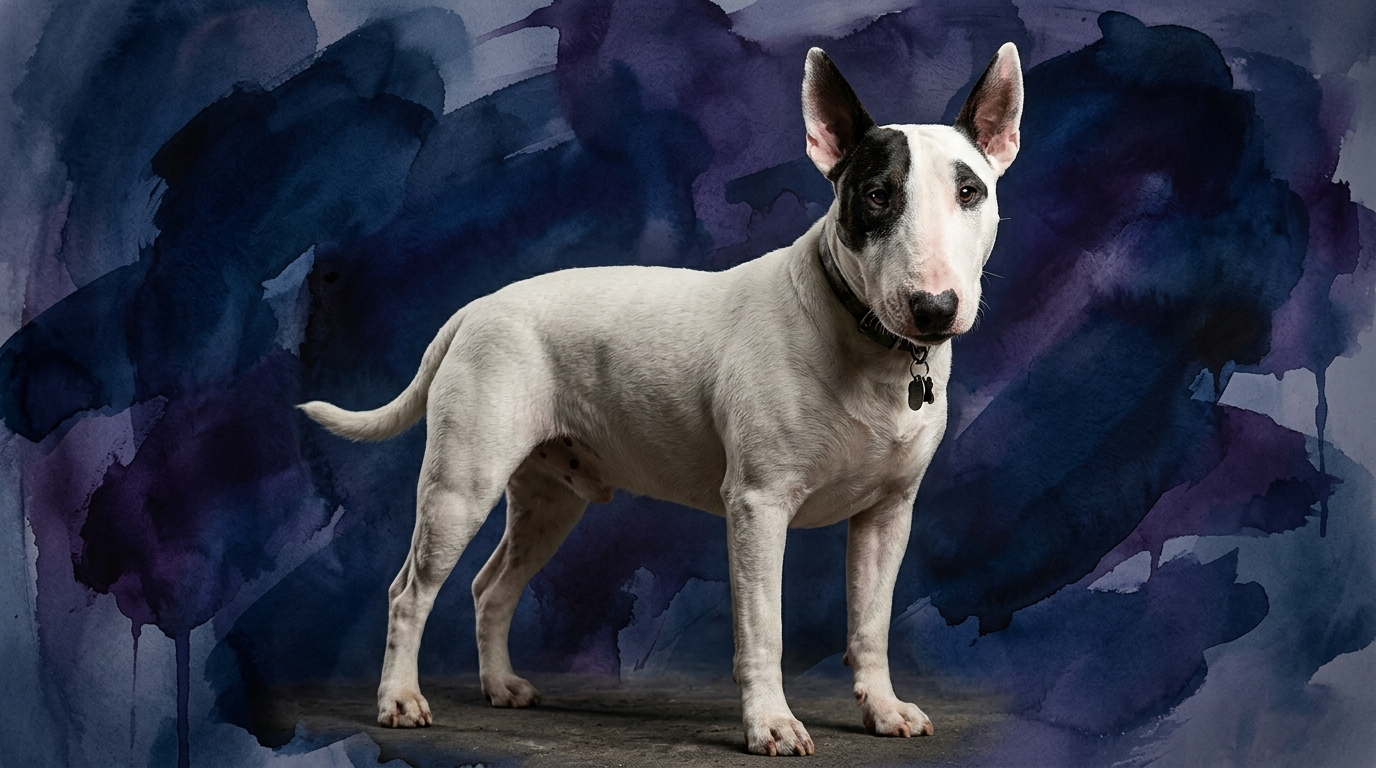
In contrast, the Bull Terrier, a Terrier breed with a Coren ranking of #66, exhibits a more independent and tenacious cognitive makeup. Their problem-solving score mirrors the Bernese at 3/5, though their approach is often characterized by determined, self-directed exploration. Training speed is rated 3/5, suggesting a steady learning pace but one that benefits from consistent, engaging methods. Social intelligence stands at 3/5, meaning they understand social dynamics but often process them through a lens of independent play rather than profound empathy. Their instinctive drive is 3/5, reflecting a moderate terrier inclination for digging, chasing, and individual pursuits, and their memory is also a functional 3/5.
Where the Bernese Mountain Dog Excels Cognitively
The Bernese Mountain Dog distinguishes itself primarily through its superior social intelligence, scoring a perfect 5/5 compared to the Bull Terrier's 3/5. This dimension signifies an extraordinary capacity to perceive and respond to human emotions, subtle body language, and the nuances of social structures within a household. A Bernese often appears to anticipate needs, offering comfort or seeking interaction with an intuitive understanding of their human companions' states, making them exceptionally empathetic and attuned members of a family unit.
Furthermore, their training speed, rated at 4/5 against the Bull Terrier's 3/5, highlights their quicker assimilation of new instructions and routines. This cognitive advantage stems from a combination of their eagerness to please and their robust social understanding. They are motivated by positive human interaction and the desire for cooperative engagement, making them more receptive to learning and more consistent in applying learned behaviors in varied contexts.
Distinct Strengths of the Bull Terrier
While the Bull Terrier's individual scores might not surpass the Bernese, their unique blend of cognitive traits offers distinct advantages, particularly in areas of independence and focused determination. Their problem-solving score of 3/5, combined with a moderate instinctive drive (3/5) and social intelligence (3/5), fosters a certain cognitive resilience. They are less reliant on constant human direction for emotional regulation or task initiation, often finding self-entertainment and navigating novel situations with a robust, self-assured approach.
This independent streak can manifest as a tenacious, unwavering focus when engaged in a task or pursuit that captures their interest. Whether it's deciphering a puzzle toy or following a scent, a Bull Terrier's determination, while sometimes perceived as stubbornness, is a testament to their singular cognitive engagement. They possess a spirited persistence that allows them to pursue goals with remarkable dedication, often undeterred by minor setbacks.
Trainability: A Tale of Two Approaches
When it comes to training, the Bernese Mountain Dog generally presents a more straightforward experience due to their higher social intelligence and training speed. Their inherent desire to cooperate and strong bond with their owners means they actively seek to understand and comply with human directives. Positive reinforcement, coupled with consistent, gentle guidance, yields rapid and reliable results, as they are motivated by praise and the strengthening of their social connection.
The Bull Terrier, on the other hand, requires a more nuanced and patient training approach. Their moderate training speed and independent social intelligence mean they learn at their own pace and might prioritize their own interests over immediate compliance. Training sessions need to be engaging, varied, and fun to maintain their focus, as their spirited independence can lead to selective listening if not properly motivated. Consistency and a good sense of humor are essential to channel their distinctive terrier drive effectively.
Matching Breeds to Lifestyles
Owners seeking a companion that thrives on deep social connection and cooperative activities will find the Bernese Mountain Dog a fitting choice. Their instinctive drive of 4/5, rooted in their working heritage, means they benefit from structured mental and physical engagement, though they are not extreme athletes. They are content with moderate daily exercise, companionship, and opportunities to participate in family life, making them suitable for moderately active households that value an intuitive, present companion.
The Bull Terrier appeals to owners who appreciate a spirited, playful, and somewhat independent companion. Their instinctive drive (3/5) for exploration and focused play, combined with their tenacity, means they thrive with owners who enjoy interactive games, regular walks, and mental challenges that cater to their determined nature. They are well-suited for active households that can provide consistent engagement and appreciate a dog with a distinct personality and a robust approach to life.
The Verdict
Choose the Bernese Mountain Dog if you prioritize a deeply empathetic, highly trainable companion who thrives on close social bonds and collaborative activities within a family setting. They are ideal for those seeking an intuitive presence and are willing to engage in consistent, positive reinforcement training.
Opt for the Bull Terrier if you appreciate a spirited, independent companion with a unique sense of humor and a determined approach to life. They suit owners who are patient, enjoy engaging in playful challenges, and can provide consistent, creative training to channel their distinctive terrier drive.
🧠 Find Your Pet's IQ Score
Our Pet IQ Lab assessment covers 25+ tests across 5 cognitive dimensions — personalized to your breed.
Take the Full IQ Test →Frequently Asked Questions
Are Bernese Mountain Dogs generally good with other pets?
With their high social intelligence and typically gentle disposition, Bernese Mountain Dogs often integrate well with other pets, especially if introduced thoughtfully. Their cooperative nature and lower prey drive compared to some breeds contribute to harmonious multi-pet households, though individual personalities always play a role.
Do Bull Terriers require a lot of physical exercise daily?
Bull Terriers possess a moderate instinctive drive and require regular, engaging physical activity to stay content and healthy. While they aren't marathon runners, they thrive on daily walks, interactive play sessions, and opportunities to explore, channeling their energy and determination in positive ways rather than sustained endurance.
How do the breeds' similar memory scores (3/5) impact their daily lives and training?
Both breeds having a memory score of 3/5 means they possess a functional capacity to retain learned behaviors and experiences. For training, this implies that consistent repetition and reinforcement are effective, but neither breed will necessarily 'never forget' a command after a single instance, emphasizing the importance of ongoing practice for reliable recall and habit formation.