Side-by-Side IQ Profile: Bernese Mountain Dog vs. Cesky Terrier
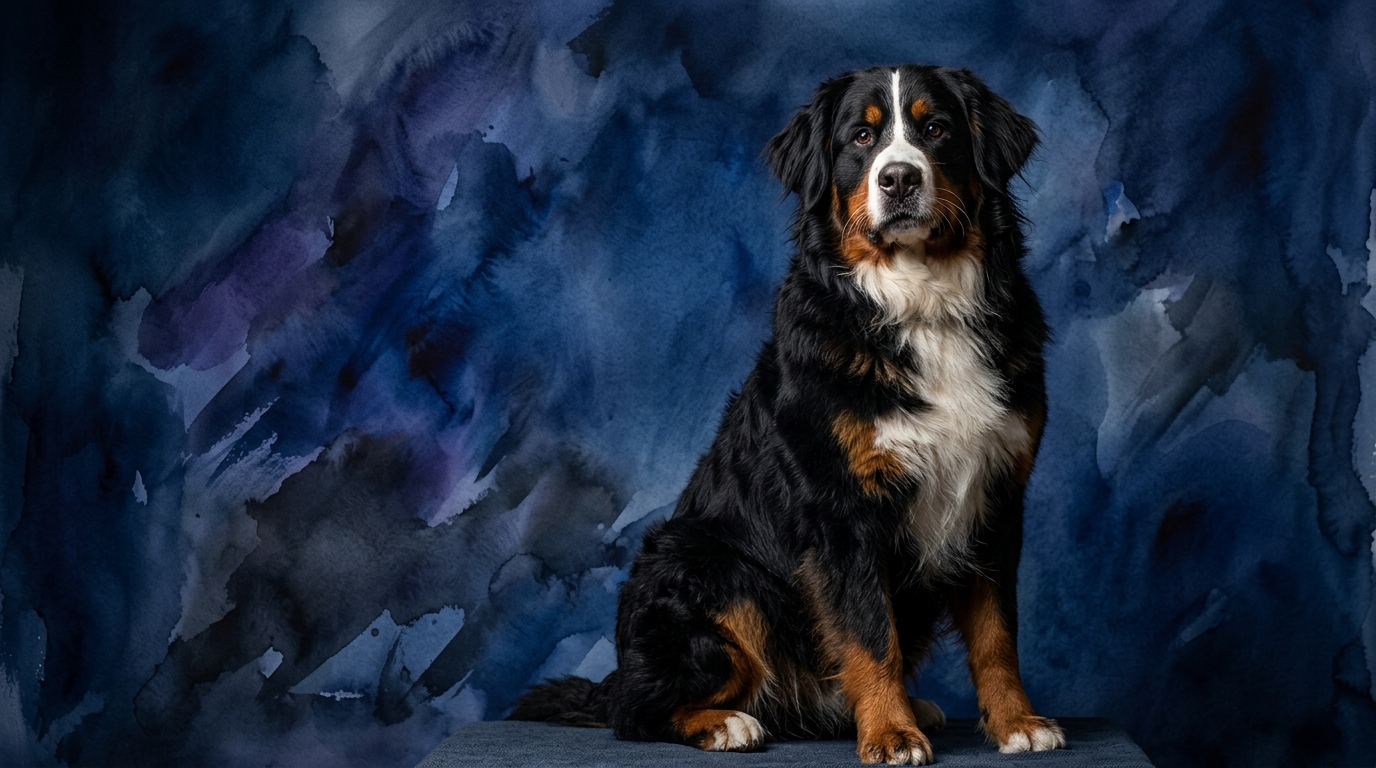
At The Cosmic Pet Pet IQ Lab, we evaluate canine cognition across five key dimensions, providing a granular view of how different breeds process information and interact with their world. The Bernese Mountain Dog, a robust working breed, holds a respectable Coren rank of #27, indicating a solid capacity for adaptive intelligence and obedience. Its IQ profile includes Problem Solving at 3/5, Training Speed at 4/5, Social Intelligence at a remarkable 5/5, Instinctive Drive at 4/5, and Memory at 3/5. This suggests a dog that is generally receptive to learning, deeply connected to its human family, and capable of purposeful action.
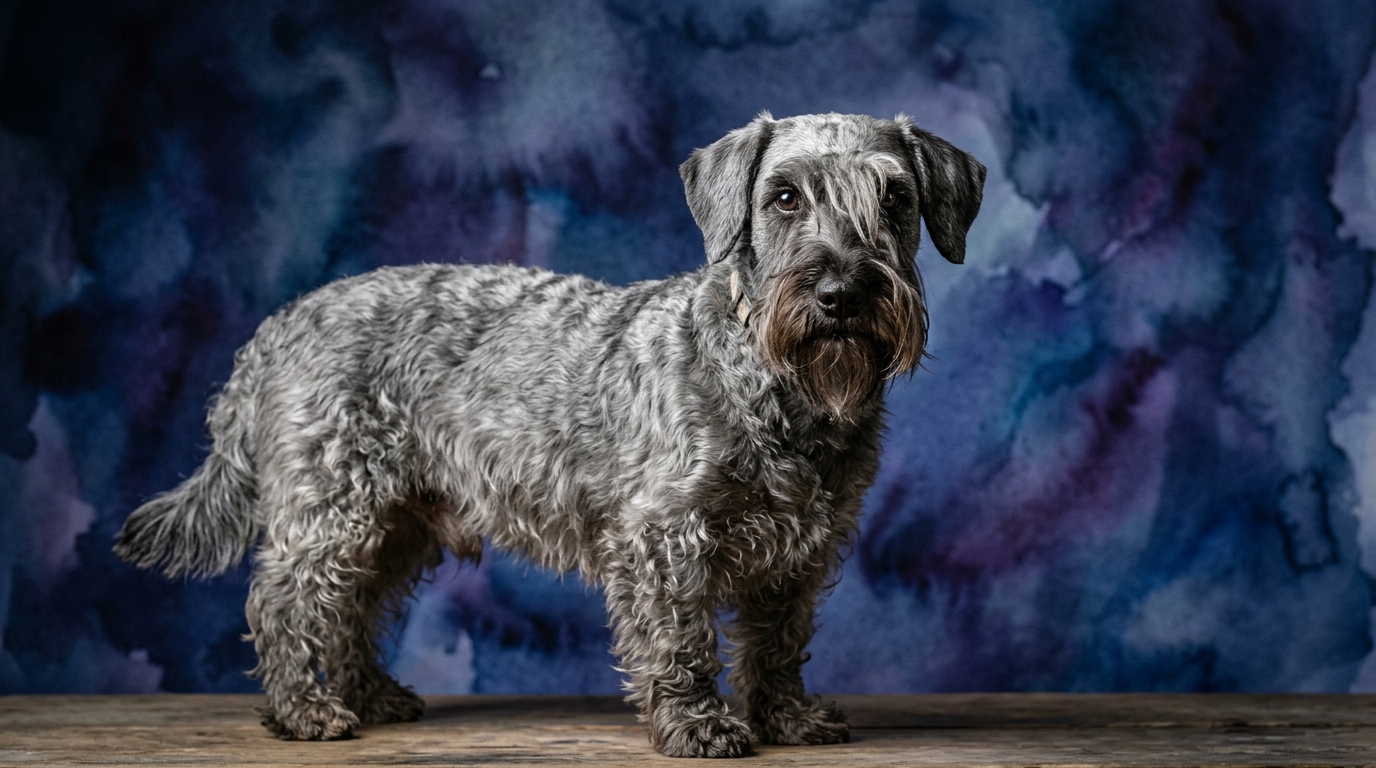
In contrast, the Cesky Terrier, a smaller, tenacious terrier breed, is not Coren-ranked, which often reflects its specialized working origins rather than any deficit in mental capacity. Its IQ scores present a more balanced, albeit slightly lower, profile across the board: Problem Solving at 3/5, Training Speed at 3/5, Social Intelligence at 3/5, Instinctive Drive at 3/5, and Memory at 3/5. This distribution points to a canine that approaches the world with independence, persistence, and a focused drive stemming from its heritage.
For the Bernese Mountain Dog, a Problem Solving score of 3/5 means they exhibit a moderate aptitude for navigating novel situations or figuring out how to achieve a goal independently, often leaning towards practical application. Their Training Speed of 4/5 indicates a readiness to grasp new cues and routines quickly, responding well to consistent, positive reinforcement. The standout 5/5 in Social Intelligence highlights their profound capacity for understanding and responding to human emotions and social cues, driving their empathetic interactions. An Instinctive Drive of 4/5 reflects their heritage as farm dogs, showing a desire to be useful and protective, while their 3/5 Memory allows for solid recall of learned commands and routines.
The Cesky Terrier's Problem Solving at 3/5 suggests they will work at an obstacle or puzzle with determination, often using persistence rather than an immediate intellectual leap, characteristic of their terrier tenacity. Their Training Speed of 3/5 means they learn at a moderate pace, possibly requiring more repetition due to their independent spirit. A Social Intelligence of 3/5 indicates they form strong bonds with their immediate family but might be more reserved with strangers, preferring a smaller, familiar social circle. Their Instinctive Drive of 3/5 is pronounced in areas of hunting and digging, reflecting their original purpose, and their 3/5 Memory is practical for daily routines and established expectations.
Where the Bernese Mountain Dog Wins Cognitively
The Bernese Mountain Dog’s remarkable 5/5 score in Social Intelligence is a clear cognitive advantage. They demonstrate an exceptional ability to interpret human emotions and social cues, often anticipating their family’s needs or mood. This translates into a profound capacity for empathetic companionship, making them highly responsive partners in emotional support and family dynamics. Their desire to integrate seamlessly into the family unit drives this cognitive strength, creating an almost intuitive bond with their people. This deep social resonance is a hallmark of the breed's mental makeup.
Furthermore, with a Training Speed of 4/5, Berners generally grasp new concepts and commands more quickly than Ceskys. Their inherent desire to please, coupled with their working heritage, means they are often more focused and cooperative during training sessions. This cognitive trait translates into faster acquisition of complex behaviors and a more fluid learning curve, making them particularly receptive students in various forms of canine education, from basic obedience to advanced tasks like carting or therapy work.
Where the Cesky Terrier Wins Cognitively
While both breeds score 3/5 in Problem Solving, the Cesky Terrier's approach to it often involves a unique tenacity and independent thought, characteristic of their terrier lineage. Faced with an obstacle, a Cesky is more likely to experiment with different approaches and persist in finding a solution, driven by their inherent curiosity and sometimes stubborn determination, especially if it involves investigating a scent or accessing a forbidden area. This persistence, while potentially challenging in training, reflects a strong, self-directed cognitive drive that allows them to navigate complex environments with single-minded focus.
The Cesky Terrier's Instinctive Drive, rated 3/5, is geared towards independent action and self-reliance in a way distinct from the Bernese. Their heritage as hunters means they are cognitively primed to make decisions and pursue tasks without constant human direction, particularly when engaged in activities aligned with their natural instincts, like exploring or tracking. This cognitive independence, though requiring careful management and clear boundaries, allows them to navigate situations with a certain self-assuredness and resourcefulness.
Which is Easier to Train and Why
The Bernese Mountain Dog is generally easier to train due to their higher scores in Training Speed (4/5 vs. 3/5 for Cesky) and significantly higher Social Intelligence (5/5 vs. 3/5). Berners possess a strong intrinsic desire to please their human companions, making them highly motivated to learn and cooperate. Their ability to quickly understand cues and their attunement to human expressions mean they often respond enthusiastically to positive reinforcement and clear instructions. They are less likely to become easily distracted by their environment or their own independent agenda during training sessions, readily engaging with their handler.
The Cesky Terrier, while capable of learning, presents more of a challenge due to their distinct terrier traits. Their moderate training speed means new commands might require more repetition and patience. Furthermore, their lower social intelligence score suggests they might not be as inherently driven by pleasing humans, sometimes prioritizing their own interests, like an intriguing scent or a desire to explore, over immediate compliance. Their independent nature often requires creative, engaging training methods to maintain focus and consistency, as they can be prone to selective hearing if a task doesn't immediately appeal to them. Consistency and positive reinforcement are key, but handlers should be prepared for their independent streak to surface.
Which Suits Active Owners vs. Relaxed Owners
The Bernese Mountain Dog, despite its working heritage, is generally well-suited for owners who enjoy a moderate level of activity and also appreciate periods of relaxed companionship. While they thrive on regular walks, playtime, and mental stimulation, their substantial size often limits their suitability for high-impact, continuous athletic endeavors. They are content with family-centric activities, enjoying hikes, leisurely strolls, and ample cuddle time. Their high social intelligence means they are deeply integrated into family life, making them ideal for owners who want a constant, calm, and emotionally responsive presence that is content to be near their people.
The Cesky Terrier, though smaller, often requires a more active and engaged owner, particularly one who understands and can channel their terrier instincts. Their moderate instinctive drive, combined with a persistent problem-solving approach, means they benefit greatly from consistent mental and physical challenges. Owners who enjoy activities like structured walks, earthdog trials, agility, or extensive puzzle play will find a willing participant in the Cesky. Their independent streak also means they need an owner who can provide consistent training and boundaries to prevent them from developing their own 'rules,' thriving with owners prepared to actively manage their curiosity and energy.
The Verdict
Opt for the Bernese Mountain Dog if you seek a deeply empathetic, highly socially attuned companion that integrates seamlessly into family life, offering a relatively straightforward training experience and thriving on consistent, affectionate interaction.
Select the Cesky Terrier if you appreciate an independent, tenacious companion with a unique terrier spirit, are prepared for more creative and consistent training, and enjoy engaging in activities that satisfy their curious and active nature.
🧠 Find Your Pet's IQ Score
Our Pet IQ Lab assessment covers 25+ tests across 5 cognitive dimensions — personalized to your breed.
Take the Full IQ Test →Frequently Asked Questions
Do Bernese Mountain Dogs bark a lot?
Bernese Mountain Dogs are not typically excessive barkers; they tend to use their voice purposefully, often as an alert to unfamiliar visitors or situations. Their social intelligence means they are usually responsive to cues to cease barking once a situation is assessed as safe.
Are Cesky Terriers good with children?
Cesky Terriers can be good with respectful children, especially if raised with them, but their terrier independence means they might not tolerate rough play as readily as some more placid breeds. Supervision is always recommended, and teaching children how to interact gently is crucial for a harmonious household.
How much exercise does a Bernese Mountain Dog need daily?
A Bernese Mountain Dog generally requires 30-60 minutes of moderate exercise daily, which can include walks, supervised playtime in a secure yard, or short hikes. While they appreciate activity, their large size and proneness to joint issues mean high-impact, prolonged strenuous exercise should be approached cautiously.