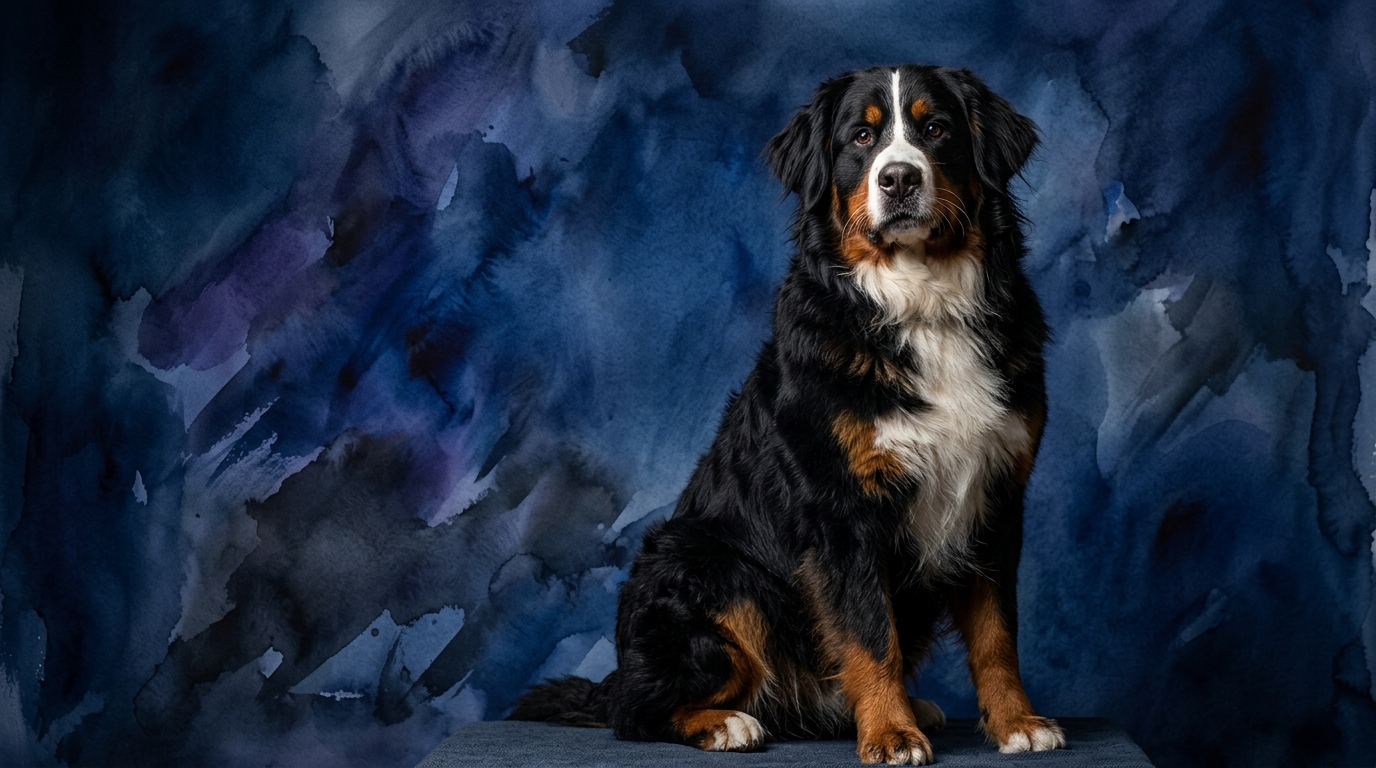
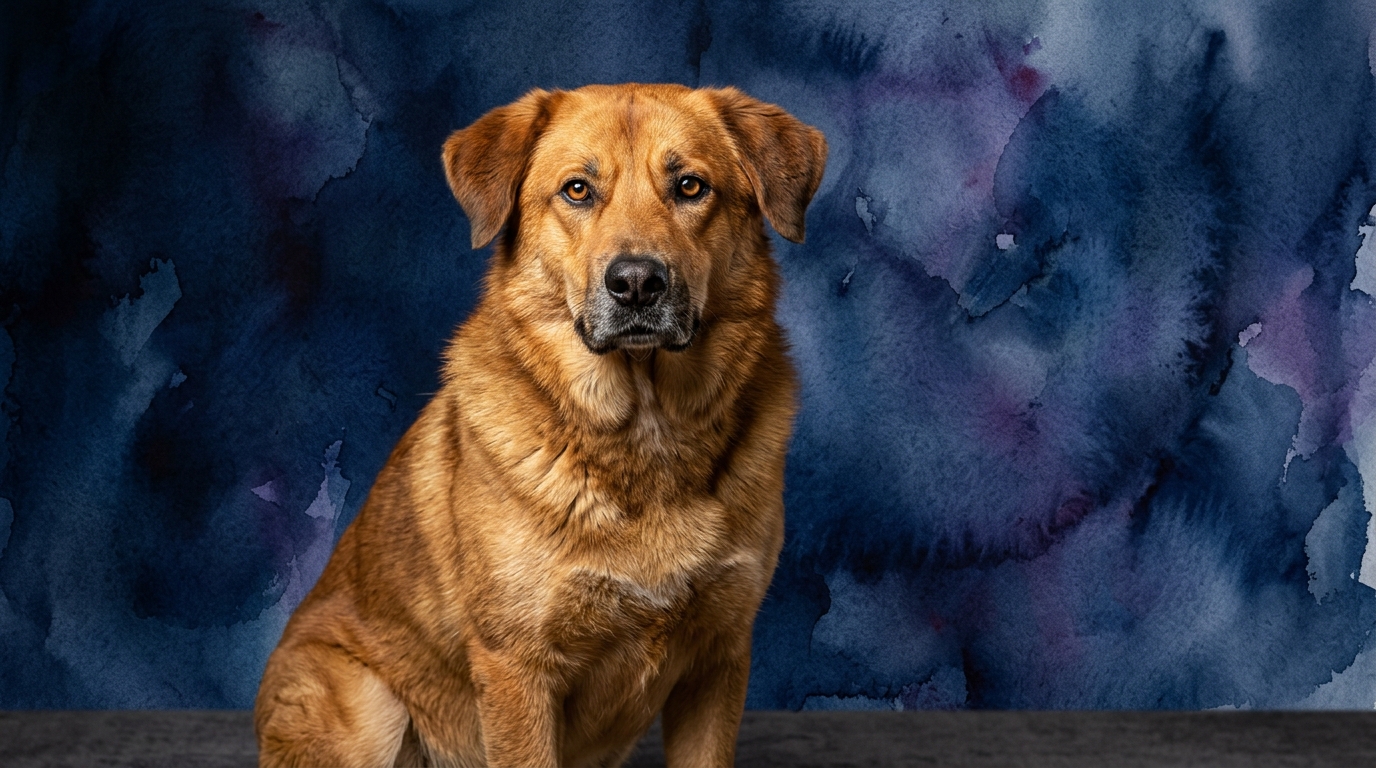
Side-by-Side Cognitive Profiles
The Cosmic Pet Pet IQ Lab employs a unique five-dimensional framework to assess canine cognition. For the Bernese Mountain Dog and the Chinook, both working breeds, these scores illuminate their distinct approaches to understanding and interacting with their world.
Bernese Mountain Dog (Coren rank #27): Problem Solving 3/5, Training Speed 4/5, Social Intelligence 5/5, Instinctive Drive 4/5, Memory 3/5.
Chinook (Not Coren-ranked): Problem Solving 3/5, Training Speed 3/5, Social Intelligence 3/5, Instinctive Drive 3/5, Memory 3/5.
Looking closer at the Bernese Mountain Dog, their moderate Problem Solving (3/5) indicates a capacity for navigating familiar challenges methodically, though they may not always devise innovative solutions independently. Their Training Speed (4/5) is notable, reflecting a readiness to absorb and apply new commands, often driven by a strong desire to cooperate. Where they truly shine is Social Intelligence (5/5), excelling in understanding human cues and emotional dynamics, making them highly attuned companions. A robust Instinctive Drive (4/5) points to a natural inclination towards working roles like drafting, manifesting as purposeful engagement. Their Memory (3/5) for commands and routines is solid, allowing for consistent retention.
The Chinook's profile reveals a consistent set of scores across the board. Their Problem Solving (3/5) suggests a competent ability to tackle obstacles, often through learned strategies rather than spontaneous innovation. Training Speed (3/5) is average, meaning they learn new behaviors at a steady pace, requiring clear and consistent instruction. Social Intelligence (3/5) is moderate; they form strong family bonds and understand basic cues but might not display the same nuanced emotional sensitivity as the Bernese, often being more reserved with strangers. An Instinctive Drive (3/5), rooted in their sledding heritage, is present but perhaps less intense than some working breeds, showing purpose in focused, consistent activities. Their Memory (3/5) for learned commands and routines is reliable, allowing them to perform tasks consistently once mastered.
Where the Bernese Mountain Dog Excels Cognitively
The Bernese Mountain Dog shines distinctly in its social intelligence, scoring a perfect 5/5 compared to the Chinook's 3/5. This translates into a profound capacity for emotional attunement; a Bernese often senses a shift in a family member's mood, offering comfort or space without explicit instruction. Their remarkable ability to interpret subtle human body language and vocal tones makes them exceptionally responsive and empathetic companions, fostering deep, intuitive bonds. This superior social acumen also contributes to their higher training speed (4/5 vs. Chinook's 3/5). A Bernese is often more motivated by human interaction and praise, eager to please and quick to understand expectations. Their instinctive drive (4/5 vs. 3/5) also manifests as a pronounced willingness to engage in purposeful tasks, whether carting, obedience, or "helping," driven by a natural inclination for utility and companionship. This combination of heightened social understanding and strong engagement gives the Bernese a cognitive edge in cooperative learning and relationship building.
Where the Chinook Offers Unique Strengths
While the Chinook's individual cognitive scores do not surpass those of the Bernese in any specific dimension, their balanced and consistent profile across problem-solving, training speed, social intelligence, instinctive drive, and memory (all 3/5) presents a unique cognitive advantage in terms of predictable steadiness. Unlike breeds with extreme highs and lows, the Chinook offers a reliable, even-keeled mental approach to tasks and interactions. This consistent moderate drive means they are generally less prone to overwhelming bursts of energy or overly complex social demands, making them a more straightforward and perhaps less emotionally intense companion for some owners. Their 3/5 instinctive drive, while not as high as the Bernese, is specifically geared towards endurance and consistent effort, reflecting their sledding heritage. This can manifest as a determined focus on repetitive tasks without excessive distraction, ideal for sustained activities like long hikes or consistent training drills where flashy speed isn't the primary goal.
Training Ease: Bernese Mountain Dog vs. Chinook
Based on The Cosmic Pet Pet IQ Lab data, the Bernese Mountain Dog is generally easier to train than the Chinook, primarily due to its higher training speed (4/5 vs. 3/5) and superior social intelligence (5/5 vs. 3/5). The Bernese's pronounced desire to cooperate with humans means they often pick up new commands and routines more quickly, driven by an inherent eagerness to please and receive positive affirmation. Their exceptional social intelligence allows them to better read and interpret human intentions, making communication during training sessions remarkably fluid. They are more likely to anticipate what is desired and respond positively to subtle cues, which can significantly accelerate the learning process. In contrast, the Chinook, with its competent but less effusive social intelligence, requires more consistent and perhaps more explicit instruction. While capable learners, they might not display the same immediate enthusiasm or intuitive grasp of human expectations, necessitating a patient and methodical training approach. Behavioral differences manifest as the Bernese often volunteering behaviors they think will earn praise, whereas a Chinook might wait for clearer direction before acting.
Matching Canine Cognition to Owner Lifestyles
The choice between a Bernese Mountain Dog and a Chinook regarding owner activity levels hinges on the type of engagement desired. The Bernese (4/5 instinctive drive) thrives on structured, purposeful activity engaging both body and mind, like carting, hiking, or obedience. Their high social intelligence means they excel as companions for active owners who want a dog deeply involved in shared adventures, though their physical structure can limit high-impact activities. For relaxed owners, a Bernese still requires consistent mental stimulation and daily walks to prevent boredom. The Chinook (3/5 instinctive drive) is built for endurance and consistent effort. They suit active owners who enjoy long, steady hikes, jogging, or activities like skijoring, where their moderate drive and robust build are consistently applied. Their slightly more independent social intelligence means they might tolerate periods of independent activity better than a Bernese. For relaxed owners, a Chinook still needs daily exercise to prevent restlessness, but their less intense social demands might make them a slightly more manageable choice if the owner prioritizes a strong, loyal presence over constant, highly interactive engagement.
The Verdict
Opt for a Bernese Mountain Dog if you seek a highly socially attuned companion eager to cooperate in training and deeply integrate into family life, offering intuitive emotional support and a strong desire to engage in shared activities.
Select a Chinook if you prefer a steady, consistent companion with a balanced cognitive profile, suited for endurance activities and a more independent disposition, requiring clear, patient training and rewarding loyalty.
🧠 Find Your Pet's IQ Score
Our Pet IQ Lab assessment covers 25+ tests across 5 cognitive dimensions — personalized to your breed.
Take the Full IQ Test →Frequently Asked Questions
Does the Bernese Mountain Dog's high social intelligence make them prone to separation anxiety?
Their 5/5 social intelligence means Bernese Mountain Dogs form deep attachments and thrive on companionship, which can indeed make them more susceptible to separation distress if not properly accustomed to alone time from a young age. Consistent training and gradual desensitization are crucial.
Are Chinooks suitable for first-time dog owners given their intelligence scores?
Chinooks, with their balanced 3/5 scores across most cognitive dimensions, are competent learners, but their moderate training speed means they benefit significantly from owners who are consistent, patient, and clear in their communication, making them a good fit for dedicated first-time owners willing to invest in training.
How does instinctive drive affect daily life for these two breeds?
The Bernese's 4/5 instinctive drive often translates into a desire for purposeful tasks, like carrying items or participating in structured activities, making them engaged partners. The Chinook's 3/5 drive, rooted in endurance, means they excel in sustained activities like long walks or jogs, providing a steady, reliable companion for consistent routines.