Side-by-Side Cognitive Profiles
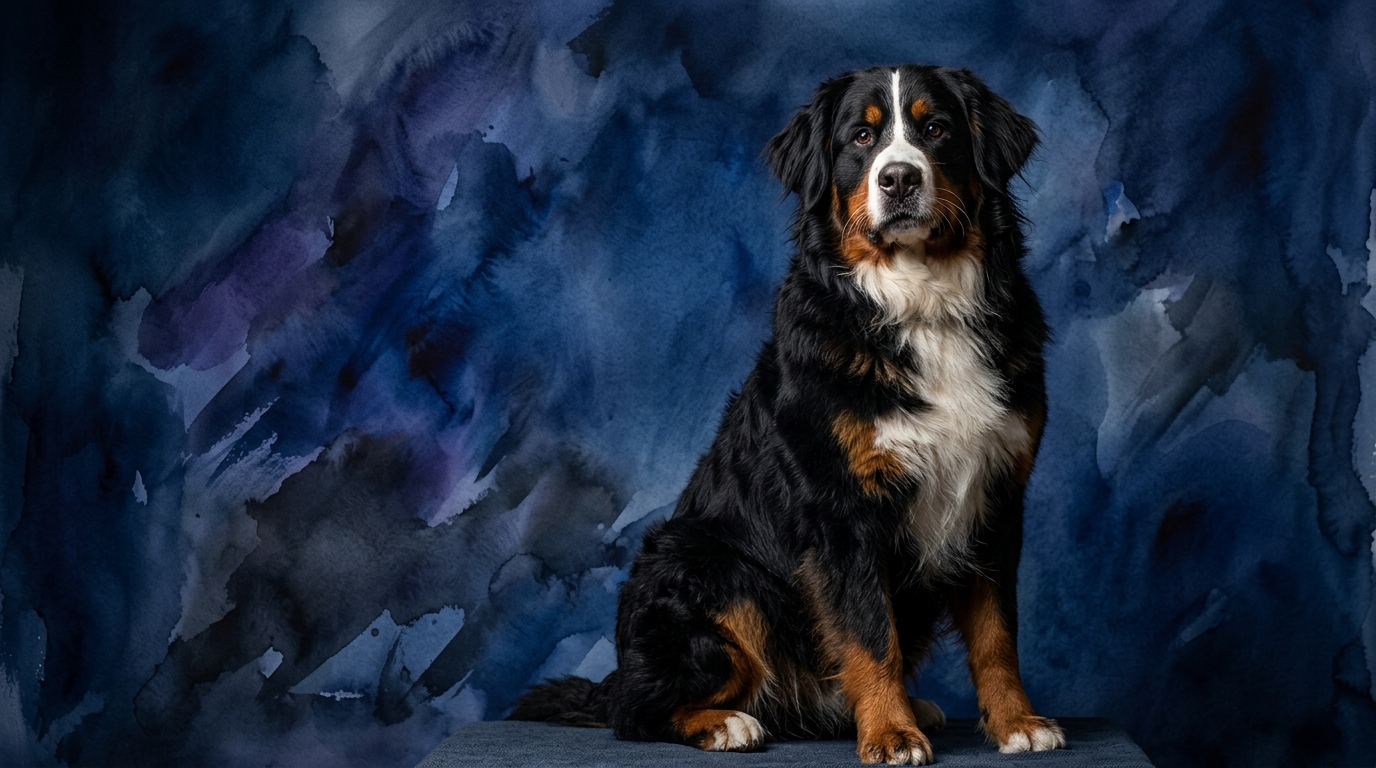
The Cosmic Pet Pet IQ Lab employs a five-dimensional framework to assess canine cognition, offering a granular view beyond general breed classifications. For the Bernese Mountain Dog, a Working breed, we observe a Coren rank of #27, indicating a solid foundation in obedience and working intelligence. Their Problem Solving is rated 3/5, suggesting they might prefer established routines over devising novel solutions. Training Speed stands at 4/5, showing a readiness to learn new cues. Social Intelligence is exceptional at 5/5, reflecting their deep attunement to human companionship and emotional states. An Instinctive Drive of 4/5 points to their historical role in collaborative work, while Memory at 3/5 means they retain core information but might not excel at intricate sequences.
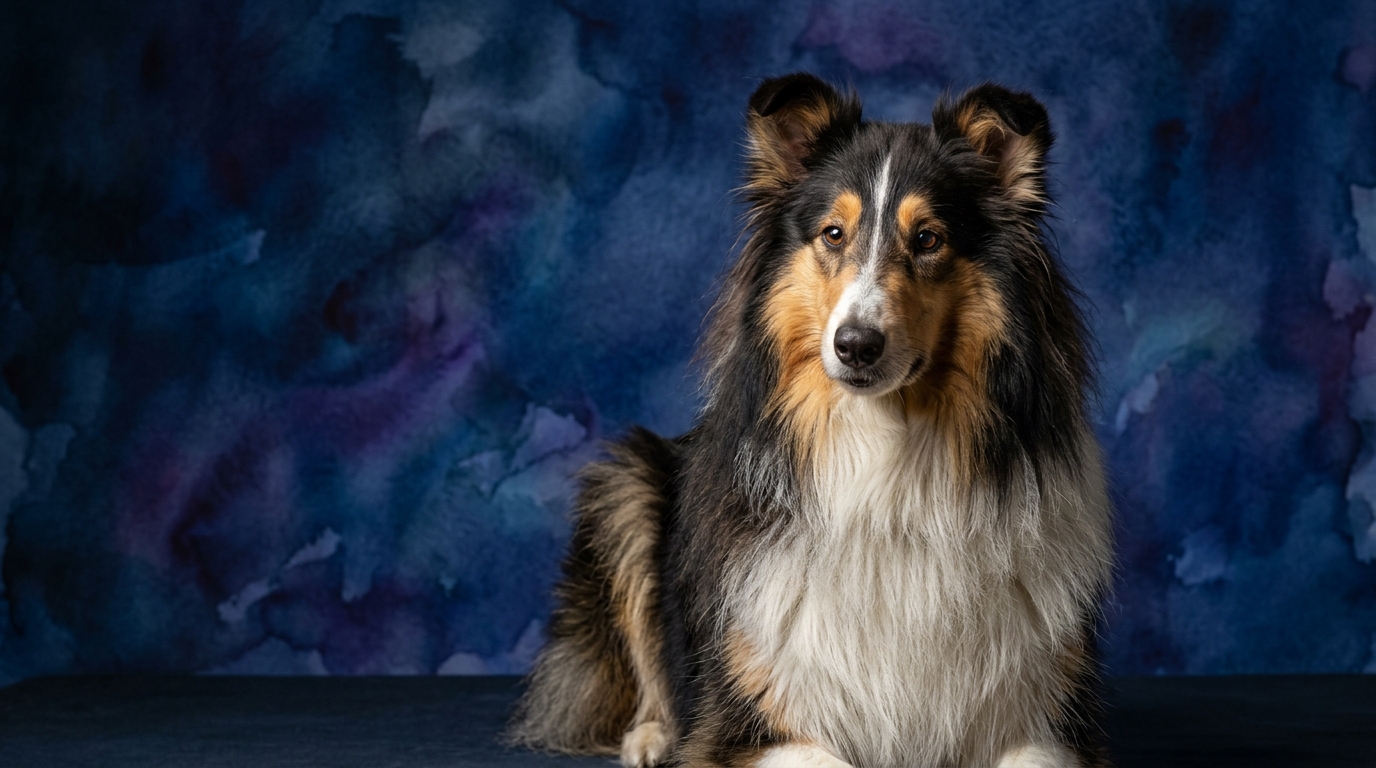
Conversely, the Collie (Rough), a Herding breed, holds a more elevated Coren rank of #16, signaling a quicker grasp of obedience commands and consistent execution. Their Problem Solving scores 4/5, indicating a stronger capacity for independent thought and navigating complex situations. Training Speed matches the Bernese at 4/5, demonstrating similar initial learning aptitude. However, their Social Intelligence is 3/5, suggesting they can be affectionate but might be less overtly attuned to subtle human cues or seeking constant validation. An Instinctive Drive of 3/5 highlights their herding background, often manifesting as a desire to keep their family unit together. Their Memory, at an impressive 5/5, is a standout trait, enabling them to recall complex sequences and experiences with remarkable fidelity.
Where the Bernese Mountain Dog Excels Cognitively
The Bernese Mountain Dog truly shines in social intelligence, scoring a perfect 5/5. This means they possess an extraordinary ability to read and respond to human emotions, intentions, and body language. They form exceptionally strong, almost empathetic bonds with their human companions, often anticipating needs and offering comfort without direct prompting. This profound social awareness makes them highly responsive in family settings, fostering a deep sense of connection and cooperation. Their 4/5 instinctive drive further supports this, translating into a desire for purposeful, collaborative activities, such as accompanying their owners on errands or participating in carting, where their physical strength and willingness to work alongside people are utilized. They are less about independent problem-solving and more about harmonious partnership, thriving in environments where their social contributions are valued and reciprocated.
Where the Collie (Rough) Excels Cognitively
The Collie (Rough) demonstrates clear cognitive advantages in areas requiring independent thought and retention. With a 4/5 in Problem Solving, they are more inclined to analyze novel situations and devise effective strategies, whether it's navigating an unfamiliar obstacle course or figuring out how to retrieve a toy from a tricky spot. This independent reasoning sets them apart, making them adept at tasks that require more than just rote learning. Their most striking cognitive strength, however, is their 5/5 Memory. This exceptional recall allows them to master and retain complex command sequences, intricate agility courses, and long-term routines with impressive accuracy and consistency. This superior memory is a significant contributor to their higher Coren rank, as it underpins their reliability and precision in executing learned behaviors over extended periods, making them excellent candidates for advanced obedience or performance sports.
Training Dynamics: Bernese Mountain Dog vs. Collie (Rough)
While both breeds share a 4/5 Training Speed score, their approaches to learning new commands and long-term retention differ significantly, impacting the training experience. The Bernese Mountain Dog's high social intelligence means they are often highly motivated by praise, affection, and the desire to please their human companions. They grasp new cues readily because they are deeply invested in the social interaction of training. Their learning is often a cooperative endeavor, built on mutual understanding and emotional connection. However, their 3/5 memory suggests that while they learn quickly, consistent repetition and reinforcement are crucial to solidify complex behaviors over time, preventing skills from fading without regular practice.
The Collie (Rough), despite the same initial training speed, leverages its superior 5/5 memory and 4/5 problem-solving to achieve a higher level of mastery and reliability in training. They can assimilate multi-step commands and intricate routines with fewer repetitions and retain them for longer periods. This means a Collie might progress more swiftly through advanced obedience or agility sequences, building upon previously learned skills with greater ease. While perhaps less driven by overt social validation than a Bernese, their capacity for independent thought means they can generalize learned behaviors to new situations and troubleshoot minor variations in commands. Training a Collie often involves presenting mental challenges that engage their problem-solving abilities, leading to a deeply ingrained understanding rather than just rote memorization.
Matching Canine Cognition to Lifestyle
The cognitive profiles of these two breeds naturally align with different owner lifestyles. The Bernese Mountain Dog, with its profound social intelligence and cooperative drive, is an ideal companion for owners who seek a deeply bonded, emotionally responsive family member. They thrive in environments where they are integral to daily family life, participating in shared activities and receiving ample affection and interaction. Owners who enjoy gentle, collaborative activities like leisurely walks, supervised outdoor play, or even carting will find a Bernese eager to engage. Their lower problem-solving score means they are less likely to seek out independent mischief, preferring instead to stay close and participate in human-led endeavors, making them suitable for owners who appreciate a steadfast, affectionate presence.
The Collie (Rough), with its exceptional memory and problem-solving skills, is better suited for owners who are prepared to provide consistent mental stimulation and engage in structured training or canine sports. Active owners who enjoy activities like agility, obedience trials, herding games, or even complex trick training will find a Collie eager to learn and excel. Their capacity to remember intricate sequences and solve novel puzzles means they require an outlet for their cognitive abilities to prevent boredom and potential behavioral issues. While affectionate, their social intelligence is less demanding than a Bernese's, allowing them to be content with a balance of focused work and family time. They are excellent for individuals or families who value a dog that can master complex tasks and enjoys intellectual engagement.
The Verdict
Choose the Bernese Mountain Dog if you prioritize profound social bonding, an emotionally responsive companion, and a cooperative partner for family-centered activities.
Opt for the Collie (Rough) if you seek a dog capable of mastering complex tasks, excelling in canine sports, and thriving on consistent mental challenges and independent problem-solving.
🧠 Find Your Pet's IQ Score
Our Pet IQ Lab assessment covers 25+ tests across 5 cognitive dimensions — personalized to your breed.
Take the Full IQ Test →Frequently Asked Questions
Are Bernese Mountain Dogs difficult to train given their memory score?
Bernese Mountain Dogs have a 4/5 training speed, meaning they grasp new commands readily. While their 3/5 memory suggests complex sequences might require more consistent reinforcement, their high social intelligence makes them eager to please and responsive to positive, relationship-based training methods.
Do Rough Collies need a lot of mental stimulation?
Yes, Rough Collies benefit significantly from mental stimulation due to their 4/5 problem-solving and 5/5 memory. Engaging them in activities like obedience, agility, puzzle toys, or learning new tricks helps fulfill their cognitive needs and prevents boredom.
Which breed is better for a first-time dog owner?
Both breeds can be suitable, but their needs differ. A Bernese Mountain Dog's social intelligence and desire to please can make them forgiving, while a Collie (Rough)'s need for consistent mental engagement might be more demanding. A first-time owner should assess their commitment to training and enrichment.