Side-by-Side Cognitive Profiles
The Cosmic Pet Pet IQ Lab utilizes a five-dimensional framework to assess canine cognition, providing a nuanced understanding beyond simple ranking. For context, the Bernese Mountain Dog, a member of the Working Group, holds a Coren rank of #27, indicating a solid capacity for learning and obedience within its cohort. The Flat-Coated Retriever, from the Sporting Group, places higher at Coren rank #17, suggesting a quicker grasp of new commands and a strong aptitude for working and obedience intelligence.
Delving into their individual IQ dimensions offers a clearer picture:
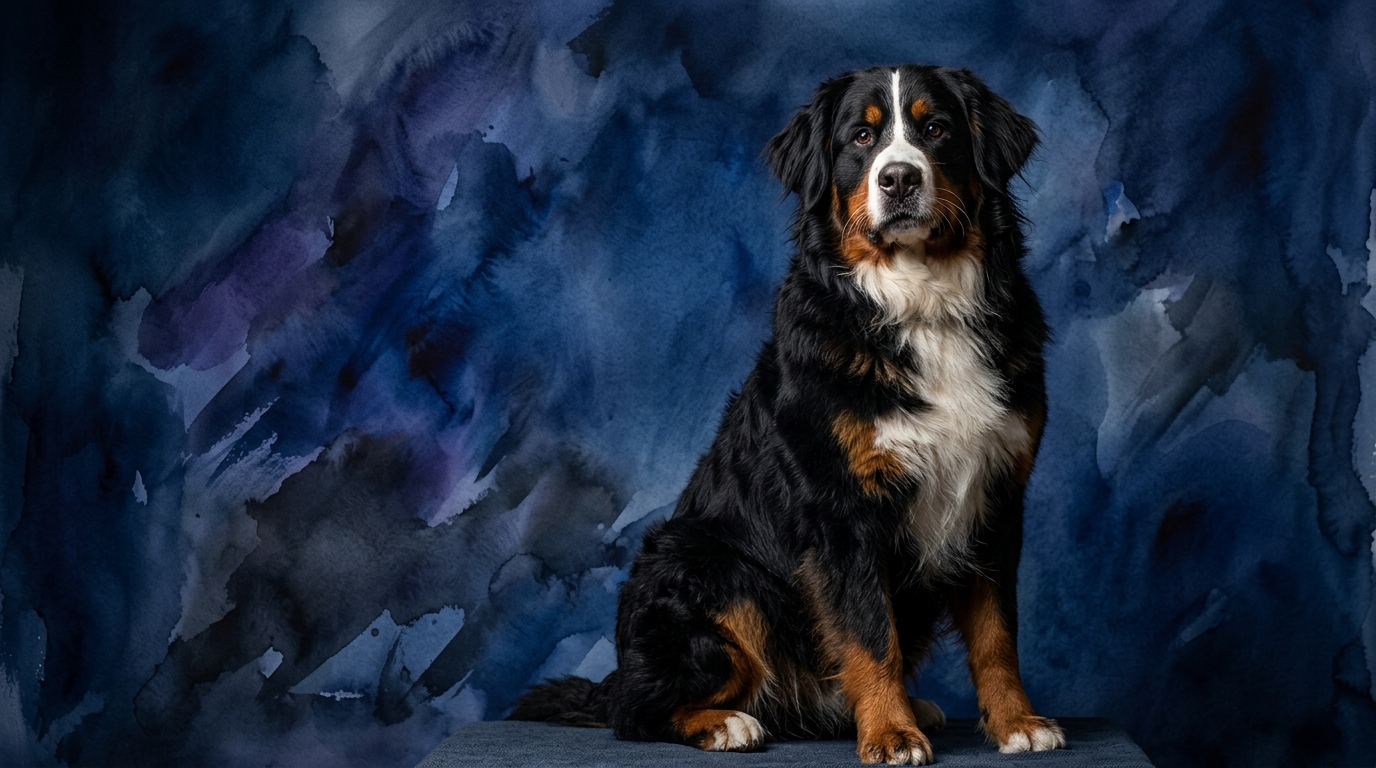
Bernese Mountain Dog (Working, Coren rank #27): Problem Solving 3/5, Training Speed 4/5, Social Intelligence 5/5, Instinctive Drive 4/5, Memory 3/5
Problem Solving (3/5): This breed approaches novel situations with a steady, rather than overtly innovative, mindset. They are capable of learning routines and applying learned solutions but may not spontaneously devise complex new strategies for overcoming obstacles. Their strength lies more in consistent execution once a solution is shown.
Training Speed (4/5): Bernese Mountain Dogs generally learn new commands and behaviors quite readily. Their desire to please and their stable temperament contribute to a relatively smooth training process, especially when positive reinforcement is consistently applied. They can pick up complex sequences with repetition.
Social Intelligence (5/5): This is a standout trait for the Bernese. They excel at understanding human cues, intentions, and emotional states, making them exceptionally attuned companions. This high social acumen allows them to integrate seamlessly into family dynamics and respond empathetically to their human counterparts.
Instinctive Drive (4/5): Originating as farm dogs, their instinctive drive manifests in a strong desire for companionship, a protective instinct towards their family, and an inclination towards tasks involving hauling or guarding. This drive translates into a willingness to engage in purposeful activities alongside their owners.
Memory (3/5): The Bernese possesses a functional memory for learned commands and routines. While they remember important people and places, their recall for intricate sequences or less frequently reinforced information might require more consistent refreshers compared to breeds with higher memory scores.
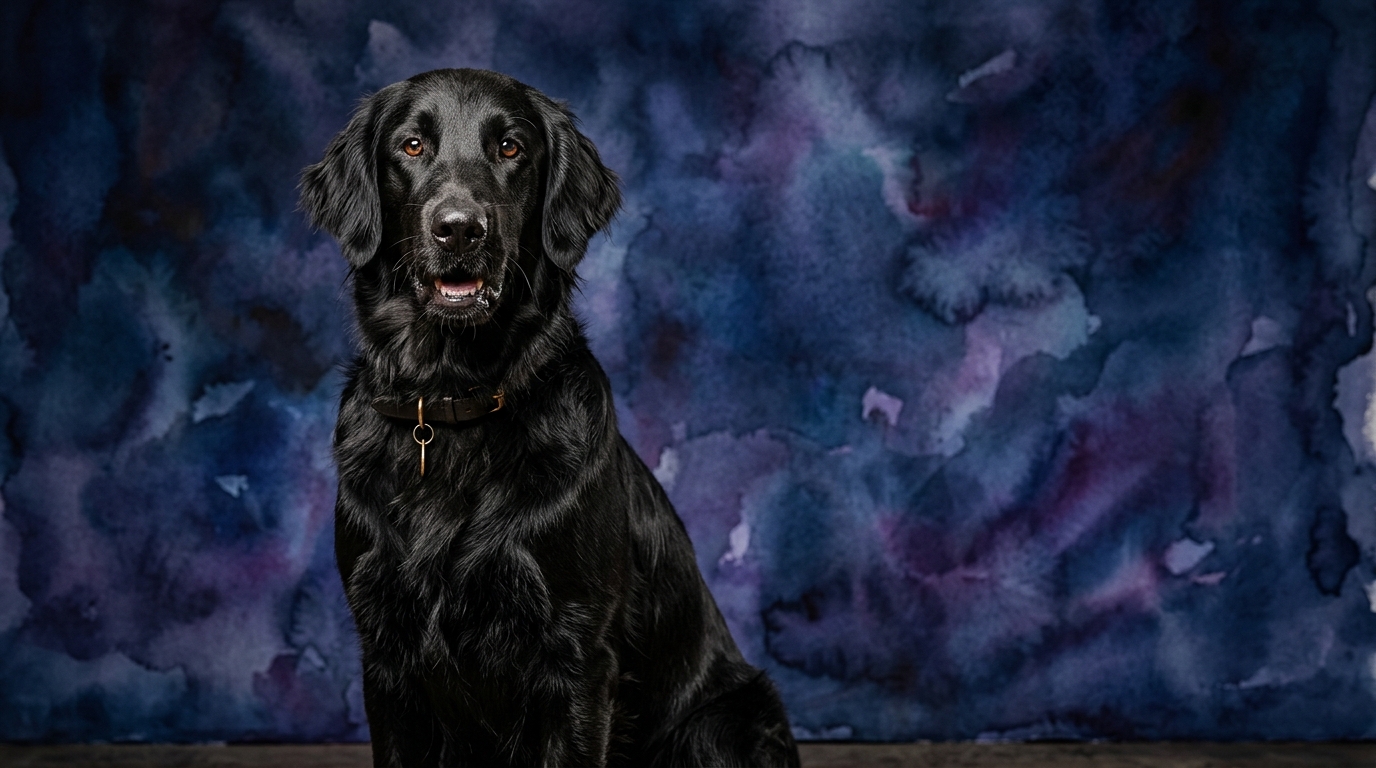
Flat-Coated Retriever (Sporting, Coren rank #17): Problem Solving 4/5, Training Speed 4/5, Social Intelligence 3/5, Instinctive Drive 3/5, Memory 5/5
Problem Solving (4/5): Flat-Coats exhibit a more creative and persistent approach to challenges. They are more inclined to experiment with different actions to achieve a goal, demonstrating a higher capacity for independent thought and adapting to new situations without constant guidance. This makes them adept at navigating complex environments.
Training Speed (4/5): Similar to the Bernese, Flat-Coated Retrievers demonstrate a commendable ability to learn new commands and behaviors efficiently. Their eager-to-please nature and enthusiasm contribute to a swift uptake of training, although their playful exuberance might require a firmer, consistent hand.
Social Intelligence (3/5): While affectionate and friendly, the Flat-Coat's social intelligence score suggests they are more focused on playful interaction than deep emotional attunement. They understand basic human cues but might not interpret subtle emotional shifts with the same nuance as a breed with a higher social intelligence rating. Their social interactions are often driven by their joyful disposition.
Instinctive Drive (3/5): As retrievers, their primary instinctive drive revolves around fetching and carrying, coupled with a general exuberance for activity. This drive is less about guarding or deep companionship and more about engaging in playful, object-oriented tasks. Their enthusiasm can sometimes override other considerations.
Memory (5/5): This is a significant strength for the Flat-Coated Retriever. They possess an exceptional capacity for retaining information, whether it's learned commands, the location of hidden objects, or complex scent trails. This robust memory makes them highly consistent performers once a behavior is established.
Where the Bernese Mountain Dog Wins Cognitively
The Bernese Mountain Dog's exceptional Social Intelligence (5/5) allows them to form incredibly deep and intuitive bonds with their human families. They are masters at reading subtle emotional cues, offering comfort when needed, and understanding unspoken intentions, which fosters a profound sense of companionship. This breed often anticipates needs or reactions, showcasing a nuanced understanding of their environment and the people within it. Their strong Instinctive Drive (4/5) also means they are inherently inclined towards partnership and purposeful work alongside their owners, making them reliable participants in family life and structured activities.
Where the Flat-Coated Retriever Wins Cognitively
The Flat-Coated Retriever shines with its superior Memory (5/5) and Problem Solving (4/5) abilities. Their capacity to recall intricate sequences of commands, remember the precise location of objects, or retain complex scent information is outstanding, making them highly effective in field work or advanced obedience. When faced with a new challenge, a Flat-Coat is more likely to devise a novel solution independently, rather than waiting for instruction, demonstrating a creative and persistent mental approach. This combination allows them to adapt quickly and maintain proficiency in diverse tasks over time.
Which is Easier to Train, and Why?
Both breeds score a 4/5 in Training Speed, indicating a generally quick uptake of new commands. However, the ease of training can differ based on the owner's approach and the dog's inherent cognitive profile. The Bernese Mountain Dog's high Social Intelligence (5/5) and strong desire for companionship often translate into an eagerness to cooperate and please, making them highly responsive to positive reinforcement and praise. They are motivated by the bond with their owner and the social interaction inherent in training. Their stable temperament also contributes to fewer distractions and a more focused learning environment.
Conversely, the Flat-Coated Retriever's impressive Memory (5/5) means that once a command is learned, it is retained exceptionally well, leading to consistent performance. Their Problem Solving (4/5) can also make them good at figuring out what's expected. However, their lower Social Intelligence (3/5) compared to the Bernese, combined with a higher exuberance and more independent Problem Solving, can mean they are occasionally more easily distracted by environmental stimuli or their own playful impulses. While they learn quickly, maintaining their focus might require more engaging and varied training methods to prevent boredom, and their strong retrieving drive can sometimes take precedence over other commands if not managed carefully. In essence, the Bernese is easier to motivate through social connection, while the Flat-Coat, though quick to learn and remember, might require more structured engagement to harness its energy effectively.
Matching Breeds to Lifestyles: Active vs. Relaxed Owners
For active owners, the Flat-Coated Retriever is often a more natural fit. Their enthusiastic nature, combined with their strong Memory (5/5) and Problem Solving (4/5) skills, makes them excellent candidates for dog sports like agility, flyball, or advanced obedience, where quick thinking and retention are paramount. They thrive on regular, vigorous exercise and mental challenges that engage their problem-solving capabilities, requiring owners who can commit to consistent physical and mental stimulation. Their lower social intelligence score suggests they might be less concerned with constant human emotional attunement and more focused on the activity itself.
Relaxed owners who seek a deeply connected and emotionally responsive companion will find the Bernese Mountain Dog more suitable. Their exceptional Social Intelligence (5/5) means they are content with being part of the family's daily routines, offering gentle companionship and comfort. While they still require moderate exercise, their needs are less about high-intensity activity and more about shared experiences and a stable, loving home environment. Their higher Instinctive Drive (4/5) for companionship and lower Problem Solving (3/5) means they are generally less inclined to seek out independent mischief and more likely to follow their owner's lead in a relaxed setting.
The Verdict
Opt for a Bernese Mountain Dog if you prioritize a deeply empathetic, socially attuned companion who thrives on close family bonds and offers unwavering loyalty and comfort in a stable home environment.
Select a Flat-Coated Retriever if you are an active individual or family seeking an enthusiastic, quick-witted partner for dog sports, outdoor adventures, and engaging mental challenges, appreciating their independent problem-solving and excellent memory.
🧠 Find Your Pet's IQ Score
Our Pet IQ Lab assessment covers 25+ tests across 5 cognitive dimensions — personalized to your breed.
Take the Full IQ Test →Frequently Asked Questions
Do Bernese Mountain Dogs need a lot of mental stimulation?
While not scoring highest in problem-solving, Bernese Mountain Dogs benefit greatly from consistent, gentle training and social interaction. Their high social intelligence means enrichment often comes from being involved in family activities and having their desire for companionship fulfilled, rather than complex puzzle toys.
Is a Flat-Coated Retriever a good choice for first-time dog owners?
Flat-Coated Retrievers can be a good choice for active first-time owners who are prepared for their energetic nature and commitment to consistent, engaging training. Their quick learning and strong memory are advantageous, but their exuberance and need for structured activity require dedication to prevent boredom.
How do their instinctive drives impact their daily behavior?
The Bernese Mountain Dog's instinctive drive leans towards companionship and gentle guardianship, making them naturally inclined to stay close to their family and be a reliable presence. The Flat-Coated Retriever's drive is more geared towards retrieving and energetic play, meaning they will often seek out opportunities to fetch, carry, and engage in vigorous activity, requiring outlets for this enthusiasm.