Side-by-Side Cognitive Profiles
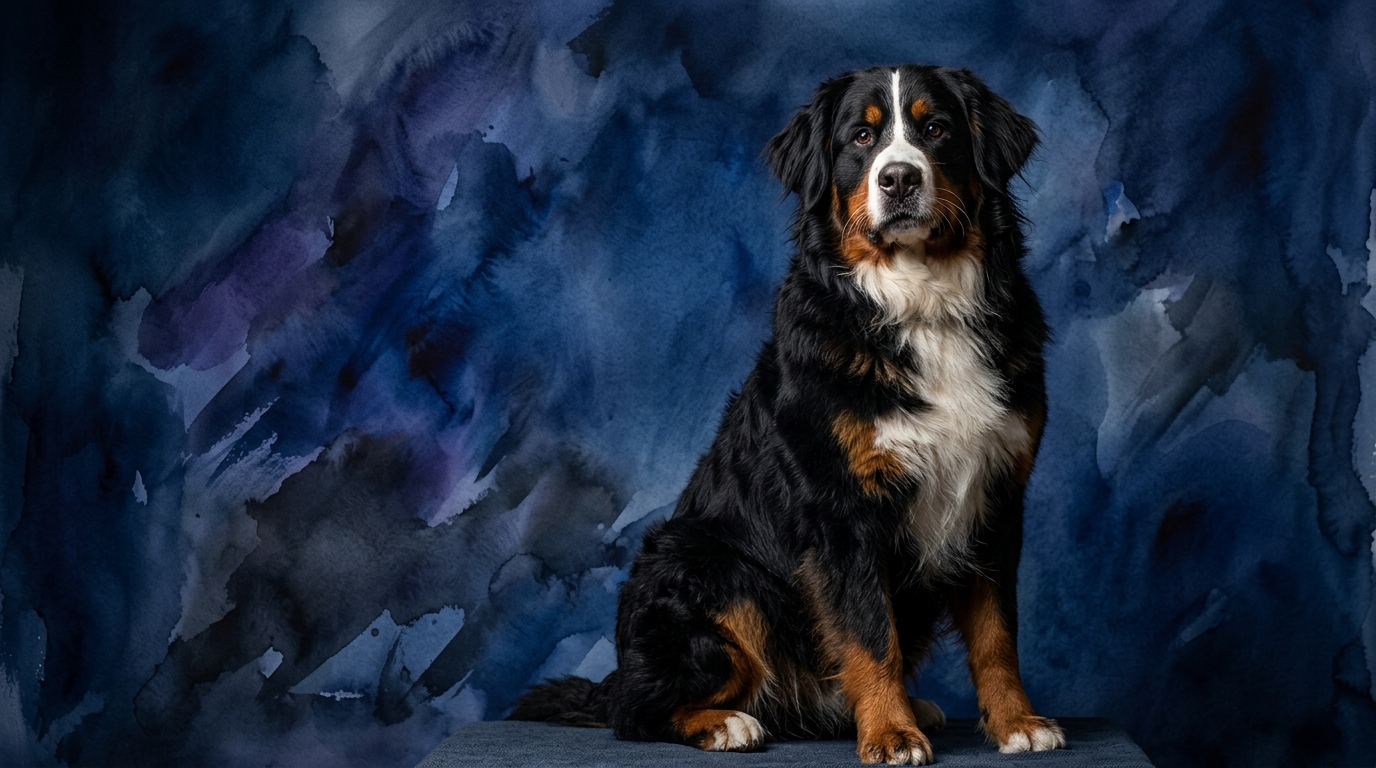
The Cosmic Pet Pet IQ Lab employs a five-dimensional framework to assess canine intelligence, offering a nuanced view beyond simple rankings. For the Bernese Mountain Dog, a Working breed ranked #27 by Coren, its profile shows specific strengths. Its Problem Solving is rated 3/5, indicating competence in navigating common challenges but perhaps less innovation in novel situations. Training Speed is 4/5, reflecting a good capacity to absorb new commands. Social Intelligence stands out at 5/5, highlighting exceptional sensitivity to human cues. Instinctive Drive is 4/5, aligning with its historical roles, and Memory is 3/5, suggesting adequate retention of learned behaviors.
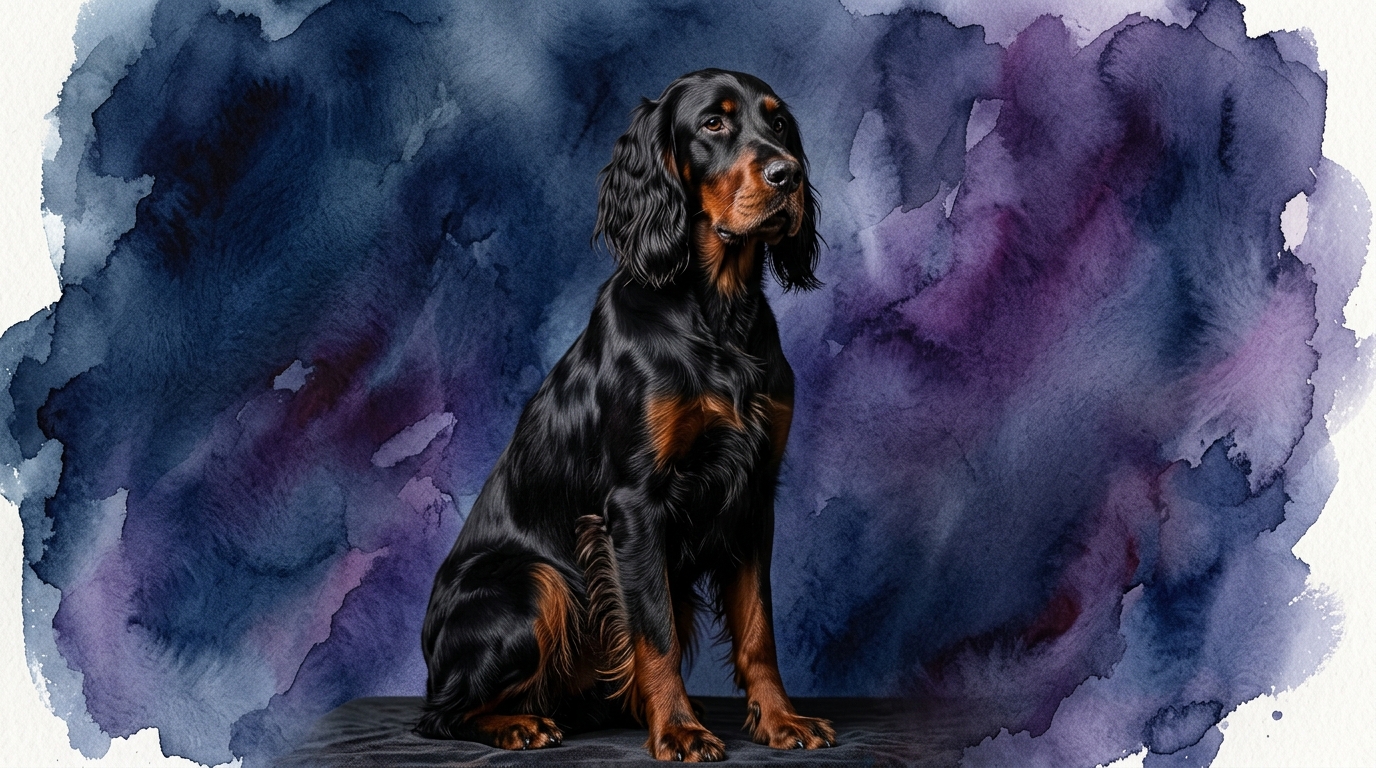
In contrast, the Gordon Setter, a Sporting breed ranked #39, presents a different cognitive signature. Its Problem Solving is a robust 4/5, demonstrating a strong aptitude for figuring out puzzles and complex scenarios. Training Speed matches the Bernese at 4/5, showing a similar pace of learning. Social Intelligence is 3/5, indicating a more independent demeanor compared to the Bernese. Instinctive Drive is 3/5, rooted primarily in its hunting heritage, and Memory is a solid 4/5, suggesting a reliable recall of past experiences and training.
Where the Bernese Mountain Dog Excels Cognitively
The Bernese Mountain Dog's cognitive triumphs are most apparent in its profound social intelligence, scoring a perfect 5/5. This breed is remarkably attuned to human emotions and social dynamics, often anticipating needs or moods without explicit commands. This makes them exceptional companions for families, therapy roles, or any environment where deep emotional connection and empathetic responses are valued. Their capacity to understand subtle shifts in tone or body language fosters an almost intuitive bond with their people, making them incredibly responsive to social cues.
Furthermore, their 4/5 Instinctive Drive, deeply rooted in their historical roles as farm dogs for drafting and herding, translates into a purposeful approach to tasks. They possess a natural inclination to be useful and to collaborate, which, when channeled, can make them highly cooperative partners in structured activities. While their Training Speed is shared with the Gordon Setter, the Bernese's high social intelligence often means they approach training not just as learning, but as a valued interaction and an opportunity to please their human, which can enhance their willingness and consistency in learning.
Where the Gordon Setter Shows Cognitive Superiority
The Gordon Setter’s cognitive strengths shine in areas demanding independent thought and robust recall. With a Problem Solving score of 4/5, they demonstrate a notable ability to navigate complex environments and figure out solutions to challenges. This might manifest as cleverly opening a gate, retrieving a hidden toy using deduction, or finding their way through an unfamiliar trail. Their ingenuity suggests a dog that enjoys mental challenges and can adapt effectively to novel situations, often employing their own strategies.
Complementing this problem-solving prowess is their strong Memory, rated at 4/5. Gordon Setters reliably retain learned behaviors, complex sequences of commands, and specific locations or scent trails over extended periods. This makes them consistent performers once a skill is mastered, and particularly valuable in activities requiring precise recall and adherence to routines, such as advanced obedience, agility, or fieldwork where remembering specific marks or patterns is crucial. Their ability to hold onto information makes them highly dependable once trained thoroughly.
Training Aptitude: Which is Easier and Why?
Both the Bernese Mountain Dog and the Gordon Setter share a Training Speed score of 4/5, indicating that both breeds are capable of learning new commands and routines effectively. However, the 'ease' of training can differ significantly due to their other cognitive dimensions. The Bernese Mountain Dog's exceptional Social Intelligence (5/5) means they are often highly motivated by human interaction and approval. They tend to be eager to please and view training as a valuable bonding experience, making them generally more compliant and receptive to instruction, especially with positive reinforcement.
The Gordon Setter, while equally quick to learn, possesses a lower Social Intelligence (3/5) and higher Problem Solving (4/5), which can translate into a more independent and sometimes wilful approach to training. They might be more inclined to follow their instincts or try to 'figure out' a command on their own terms rather than simply complying for human affirmation. Training a Gordon Setter requires engaging methods, consistency, and patience to capture their attention and leverage their good memory, rather than relying solely on their desire to please. Their hunting drive can also present distractions that need to be managed during training sessions.
Matching Breeds to Lifestyles: Active vs. Relaxed Owners
When considering an owner's lifestyle, the cognitive and inherent drives of these breeds guide the best match. The Bernese Mountain Dog, despite its size, is often suited for owners who can provide consistent, moderate activity and significant social engagement. Their 4/5 Instinctive Drive for purposeful work, combined with their 5/5 Social Intelligence, means they thrive when they have a 'job' within the family, whether it's accompanying owners on walks, participating in structured training, or simply being a constant, integrated presence. They can adapt to more relaxed owners provided their need for companionship and a sense of belonging is met, preventing boredom-driven behaviors.
The Gordon Setter, with its 4/5 Problem Solving and 4/5 Memory, combined with its sporting heritage, is generally a better fit for active owners. These dogs require substantial physical exercise and mental stimulation to prevent boredom and channel their natural drives. Long hikes, scent work, dog sports like agility or obedience, or even fieldwork are excellent outlets for their energy and intellect. A relaxed owner might find the Gordon Setter's need for engagement and activity overwhelming, as their independent problem-solving nature, if not adequately stimulated, can lead to creative but undesirable behaviors.
The Verdict
Choose the Bernese Mountain Dog for a deeply connected companion who thrives on social interaction, collaboration, and a sense of purpose within the family, capable of moderate activity and highly responsive to empathetic training.
Choose the Gordon Setter for active owners who enjoy engaging with a clever, independent dog in outdoor pursuits, scent work, or dog sports, valuing a partner with strong problem-solving skills and a robust memory for complex tasks.
🧠 Find Your Pet's IQ Score
Our Pet IQ Lab assessment covers 25+ tests across 5 cognitive dimensions — personalized to your breed.
Take the Full IQ Test →Frequently Asked Questions
Are Bernese Mountain Dogs good apartment dogs?
While adaptable to various living situations, their large size and strong need for interaction mean Bernese Mountain Dogs do best with ample space and consistent engagement. Daily walks and mental tasks are crucial to prevent boredom and ensure their well-being in smaller living environments.
Do Gordon Setters bark a lot?
Gordon Setters can be vocal, especially if bored, under-exercised, or left alone for extended periods due to their independent nature and hunting instincts. They often use barking to alert or express themselves, so consistent training and enrichment are key.
Which breed is better with children?
Bernese Mountain Dogs often excel with children due to their high social intelligence and gentle nature, forming strong, patient bonds within the family. Gordon Setters can be good with respectful children but their energy and independence might require more supervision with very young ones.