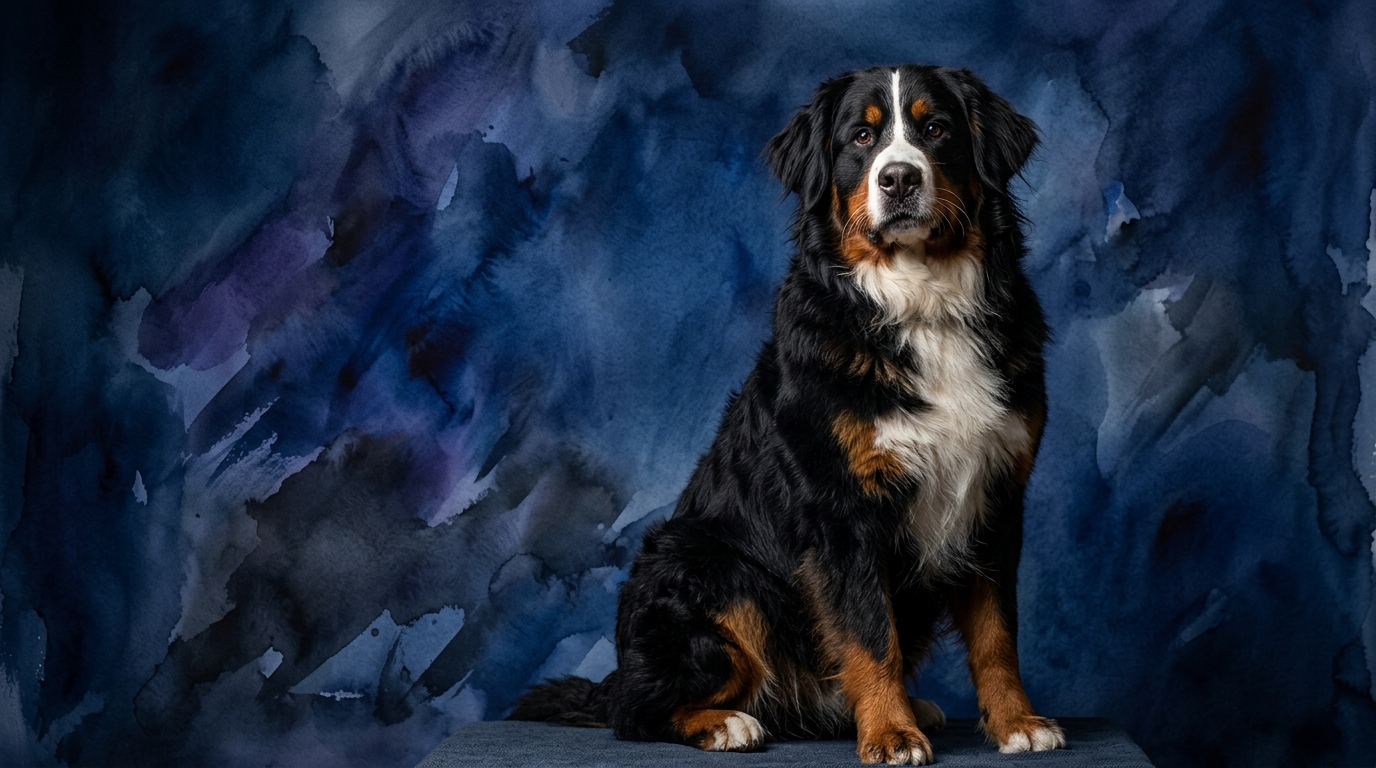
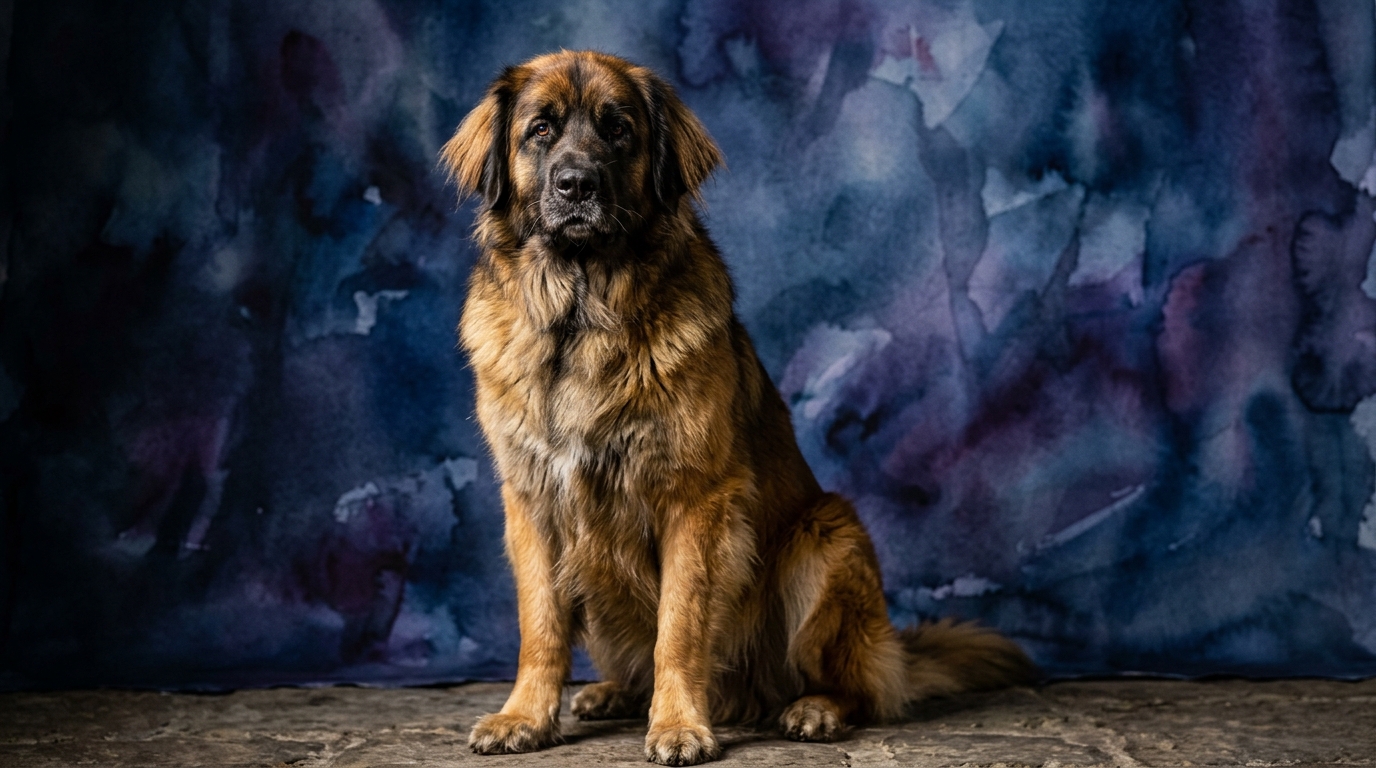
Side-by-Side Cognitive Profiles: Bernese Mountain Dog vs. Leonberger
At The Cosmic Pet Pet IQ Lab, we delve beyond superficial traits to analyze the core cognitive dimensions that shape a dog's interaction with the world. For the Bernese Mountain Dog, a Coren-ranked #27 breed, and the Leonberger, a working breed without a specific Coren rank, their IQ profiles reveal both commonalities and nuanced distinctions.
The Bernese Mountain Dog exhibits a Problem Solving score of 3/5, indicating an ability to navigate moderately complex situations and learn routines with guidance, though they aren't typically independent strategists. Their Training Speed is a commendable 4/5, showing a good aptitude for quickly grasping new commands and behaviors, often driven by an eagerness to please. Where the Berner truly shines is in Social Intelligence, scoring a perfect 5/5, demonstrating exceptional empathy and understanding of human cues and emotions. An Instinctive Drive of 4/5 means they possess a strong working heritage and a desire for purpose, while their Memory stands at 3/5, solid for learned routines but benefiting from reinforcement.
The Leonberger presents a balanced cognitive profile across the board. Their Problem Solving is rated 3/5, meaning they can tackle moderate challenges but generally benefit from clear, consistent guidance rather than inventive solutions. Training Speed for the Leonberger is 3/5, indicating a steady learning pace that requires patience and consistent methods, potentially more repetitions than some faster learners. Their Social Intelligence also scores 3/5, suggesting a good capacity for bonding and understanding interactions, but perhaps not the profound emotional attunement seen in the Bernese. An Instinctive Drive of 3/5 points to a working heritage that is present but less overtly expressed, content with companionship and moderate activity. Finally, their Memory is 3/5, retaining information and routines reasonably well with ongoing practice.
Where the Bernese Mountain Dog Leads Cognitively
The Bernese Mountain Dog truly distinguishes itself in two key cognitive dimensions: social intelligence and training speed. With a remarkable Social Intelligence score of 5/5, Berners possess an unparalleled ability to understand and respond to human emotions, body language, and subtle social cues. This profound empathy allows them to form exceptionally deep, intuitive bonds with their families, often anticipating needs and reacting sensitively to the mood of the household. This high social attunement makes communication with a Berner feel almost telepathic at times, fostering a remarkably harmonious relationship.
Coupled with their superior Training Speed of 4/5, this social acumen makes the Bernese Mountain Dog particularly receptive to learning. They tend to grasp new commands and behaviors more quickly, often requiring fewer repetitions to solidify understanding. Their desire to please their human companions, fueled by their social sensitivity, acts as a powerful motivator in training. This cognitive combination means Berners are often more pliable and enthusiastic learners, making them excellent candidates for various dog sports, therapy work, or simply becoming a well-mannered family member with relative ease. Their Instinctive Drive of 4/5 further supports this, as they generally appreciate having tasks or roles within the family, channeling their natural working inclinations into cooperative activities.
Where the Leonberger Shows Its Strengths
While the data suggests a more balanced profile without a clear-cut 'win' in a single cognitive dimension over the Bernese, the Leonberger's strength lies in its steadfast consistency and balanced approach across all cognitive areas. With Problem Solving, Training Speed, Social Intelligence, Instinctive Drive, and Memory all rated at 3/5, the Leonberger offers a highly predictable and reliable cognitive experience. This consistency means owners can expect a dog that, with patient and persistent guidance, will gradually master tasks, form strong bonds, and adapt to routines without significant cognitive hurdles or extreme behavioral fluctuations.
Their moderate Instinctive Drive (3/5) is a particular advantage for owners seeking a substantial companion who is content with a more balanced lifestyle, rather than demanding constant, intense mental stimulation or high-energy output. Leonbergers are less likely to become restless or destructive if not provided with a continuous stream of complex challenges, making them well-suited for families who appreciate a calm, observant presence. This cognitive stability translates into a generally easygoing temperament, allowing the Leonberger to integrate smoothly into various home environments, providing a loyal and steady companionship that doesn't rely on being the 'smartest' but rather the most consistently reliable and adaptable.
Trainability: Bernese Mountain Dog vs. Leonberger
Based on their respective IQ profiles, the Bernese Mountain Dog generally presents as the easier breed to train. Their Training Speed of 4/5 indicates a quicker uptake of new commands and behaviors, often requiring fewer repetitions to solidify learning. This is significantly aided by their exceptional Social Intelligence (5/5); Berners are deeply attuned to human intentions and emotions, making them highly responsive to their trainers' cues and feedback. They possess a strong desire to please their human companions, which intrinsically motivates them during training sessions. For instance, a Berner is more likely to pick up a 'stay' command efficiently due to their quick comprehension and desire to comply with their owner's emotional state, absorbing not just the command but the intent behind it.
In contrast, the Leonberger, with a Training Speed of 3/5, learns at a steady pace, but might require more patience and consistent positive reinforcement to achieve the same level of mastery. Their moderate social intelligence (3/5) means they are less likely to 'read' their owner's subtle cues as readily, necessitating clearer, more direct instructions and a consistent training methodology. While both breeds are capable learners and benefit from positive reinforcement, the Bernese often offers a smoother, faster training journey due to its combined cognitive strengths, making them particularly rewarding for novice trainers or those seeking a highly responsive partner. The Leonberger will get there, but often on its own more deliberate timeline, requiring a trainer who values consistency above speed.
Lifestyle Match: Active vs. Relaxed Owners
For active owners, the Bernese Mountain Dog often aligns more closely with their lifestyle. With an Instinctive Drive of 4/5, Berners thrive on having a purpose and participating in activities. They genuinely enjoy structured walks, hiking on varied terrains, engaging in carting, or even participating in various dog sports like obedience or rally. Their higher training speed and social intelligence also make them excellent candidates for advanced obedience, agility, or therapy work, where their cognitive engagement is consistently challenged. They appreciate being integral to family outings and benefit immensely from regular physical and mental stimulation to prevent boredom and channel their natural working inclinations. An owner who loves to be out and about, incorporating their dog into daily adventures, will find a willing and enthusiastic partner in a Berner.
Relaxed owners might find the Leonberger to be a more suitable companion. While they are large dogs that require daily exercise, their Instinctive Drive of 3/5 suggests they are generally content with moderate activity levels rather than constant high-intensity engagement. They enjoy leisurely walks, playtime in the yard, and being a calm, observant presence in the home. Their balanced cognitive profile means they adapt well to a consistent, predictable routine without demanding excessive mental gymnastics or constant novel experiences. They are often described as 'gentle giants' who are happy to relax by their owner's side after a good walk, making them an excellent fit for families who appreciate a loyal, steady presence without the need for an intensely active canine partner. They are quite content to be a loving, mellow presence in the home once their moderate exercise needs are met.
The Verdict
Choose the Bernese Mountain Dog if you seek a highly empathetic companion who learns quickly and thrives on being deeply involved in family activities and structured tasks. Their exceptional social intelligence makes for an incredibly intuitive and responsive bond.
Opt for the Leonberger if you prefer a steady, dependable companion with a balanced temperament, content with moderate activity and consistent routines, offering a calm and loyal presence without demanding intense cognitive engagement.
🧠 Find Your Pet's IQ Score
Our Pet IQ Lab assessment covers 25+ tests across 5 cognitive dimensions — personalized to your breed.
Take the Full IQ Test →Frequently Asked Questions
Are Bernese Mountain Dogs good with children?
Yes, Bernese Mountain Dogs, with their high social intelligence (5/5), are typically very patient and gentle with children, understanding social cues well. Supervision is always recommended due to their size, but their empathetic nature makes them wonderful family companions.
Do Leonbergers require a lot of grooming?
Yes, Leonbergers possess a thick, double coat that requires regular grooming to prevent matting and manage shedding. While not directly related to IQ, their moderate instinctive drive means they generally tolerate grooming sessions well, especially if introduced early.
Which breed is more prone to separation anxiety?
Bernese Mountain Dogs, due to their profound social intelligence and deep emotional bonds, can be more prone to separation anxiety if not properly socialized or left alone for extended periods. Leonbergers, while affectionate, tend to be a bit more independent, though still thriving on companionship.