Side-by-side IQ profile
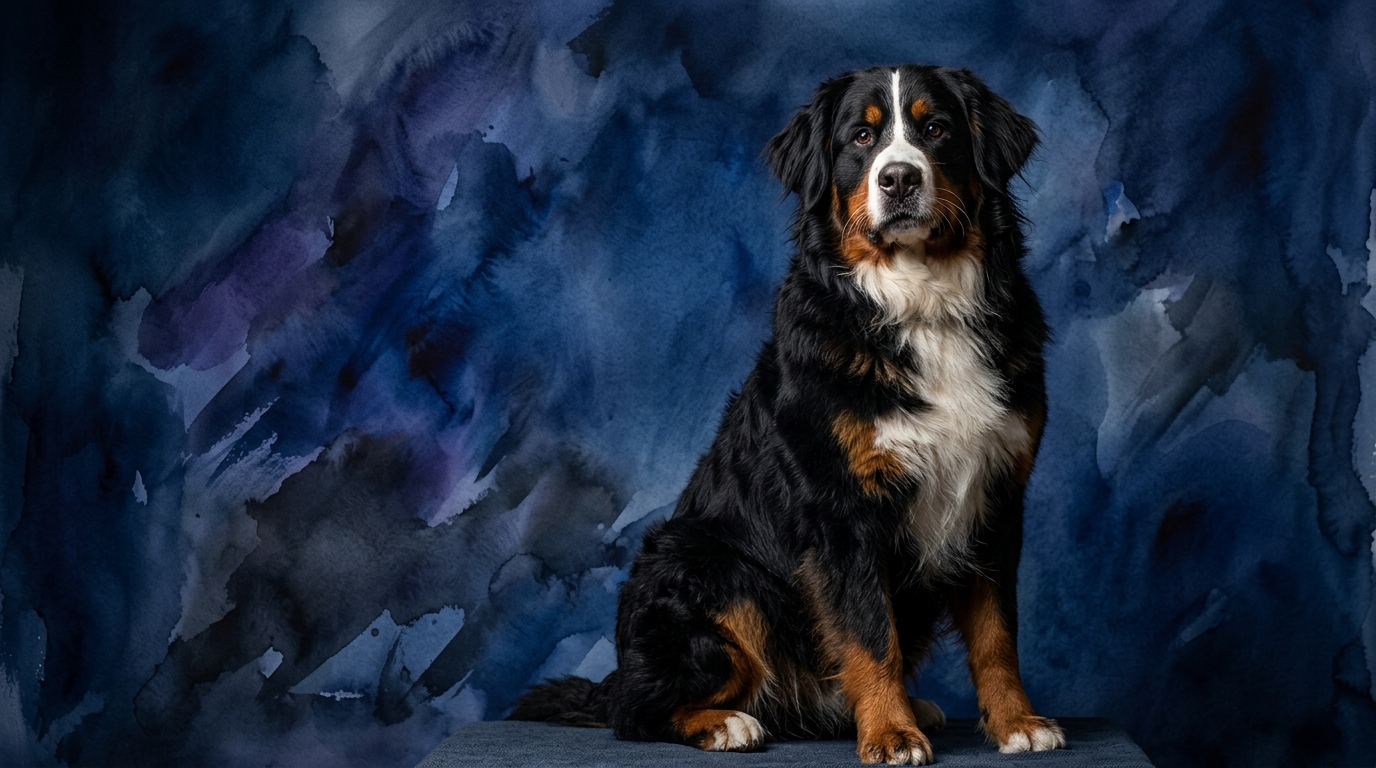
The Bernese Mountain Dog, a breed from the Working group, holds a respectable Coren rank of #27, indicating a solid foundation in obedience and adaptive learning. Their problem-solving capacity sits at a moderate 3/5, suggesting they can navigate common challenges with some guidance but may not independently devise complex solutions. Where they truly shine is in social intelligence, scoring a perfect 5/5, reflecting their deep desire for connection and understanding of human cues, making them exceptional family members. Their training speed is a commendable 4/5, meaning they pick up new commands and routines relatively quickly, driven by their eagerness to please. Instinctive drive is rated 4/5, hinting at their heritage in herding and drafting, manifesting as a strong work ethic and purpose-driven focus. Memory is a reliable 3/5, enabling them to retain learned behaviors and social interactions over time.
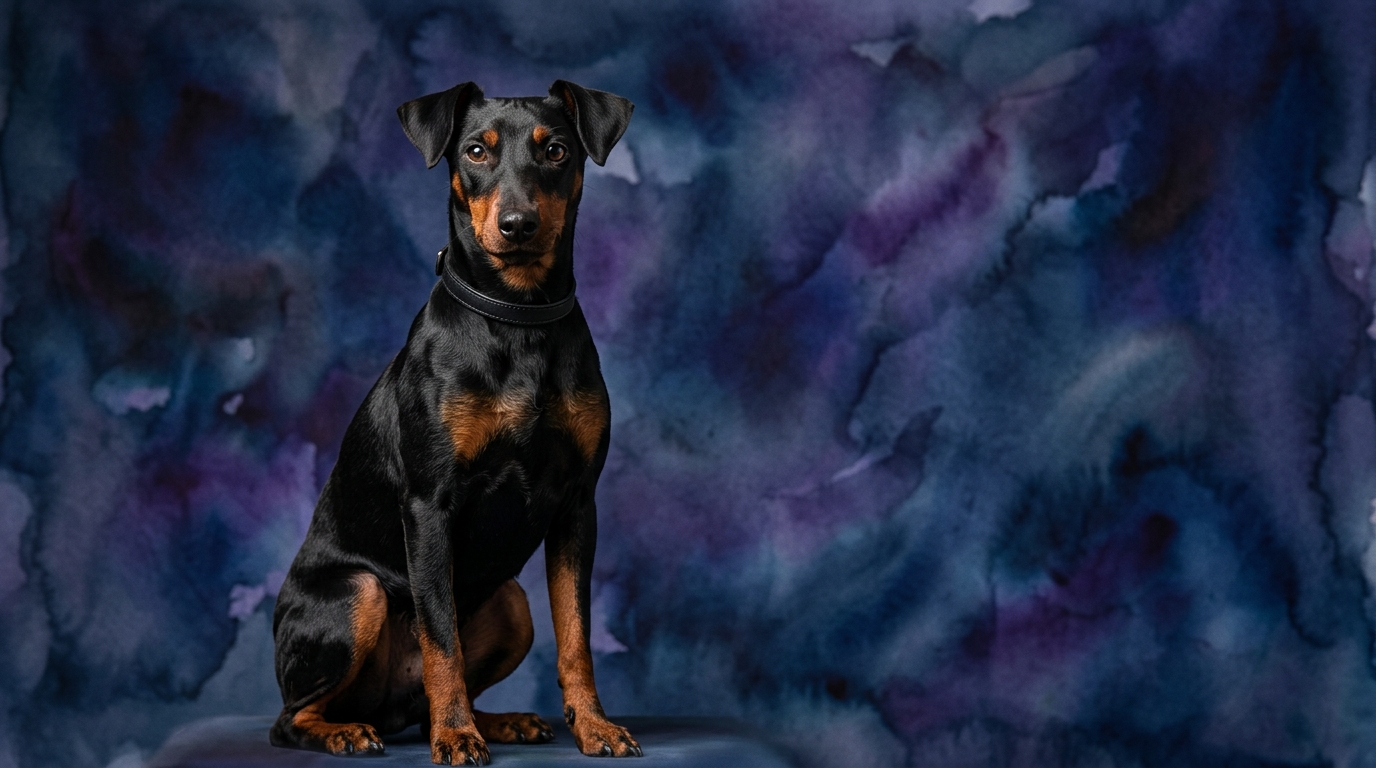
Hailing from the Terrier group, the Manchester Terrier is not included in Coren's traditional ranking, but our Pet IQ Lab assessment provides detailed insights into their cognitive makeup. Their problem-solving ability matches the Bernese at 3/5, indicating an average capacity for figuring out novel situations, often relying on learned patterns or trial and error. Training speed is a moderate 3/5, meaning they require consistent, engaging methods to master new skills, sometimes displaying the independent streak characteristic of terriers. Social intelligence is also rated 3/5; while they form strong bonds, their primary focus might be less on broad social harmony and more on their immediate human pack, potentially showing a more reserved approach to strangers. Their instinctive drive, also 3/5, speaks to their historical role as vermin hunters, manifesting as a keen prey drive and a persistent nature when pursuing a goal. Memory is a steady 3/5, allowing them to recall routines and associations effectively, though perhaps not with the same nuanced social recall as the Bernese.
Where Bernese Mountain Dog Wins Cognitively
The Bernese Mountain Dog's primary cognitive advantage lies in its exceptional social intelligence (5/5). This isn't merely about friendliness; it signifies a profound ability to read and respond to human emotions, intentions, and social cues. A Bernese can often anticipate your needs, offering comfort or companionship, and thrives on being an integrated, contributing member of a family unit. This high social IQ translates into a deeper emotional connection and a more intuitive understanding of household dynamics, making them incredibly empathetic companions. Furthermore, their superior training speed (4/5 vs. Manchester's 3/5) gives them an edge in acquiring new behaviors efficiently. This isn't just about speed; it's often tied to their strong desire for cooperation and their innate understanding of their role within a human-led structure, a remnant of their working dog heritage. Their higher instinctive drive (4/5) also means they are more inclined towards purposeful activity and working alongside humans, which can be channeled into various tasks and dog sports, providing a fulfilling mental outlet.
Where Manchester Terrier Wins Cognitively
While the Bernese excels in social nuances, the Manchester Terrier's cognitive strengths, though perhaps less pronounced in overall scores, are tailored for different challenges. Both breeds share a problem-solving score of 3/5, but the Manchester Terrier's approach often involves a tenacious, independent streak inherent to its terrier lineage. This means that while they might not devise complex solutions quickly, their persistence and determination can lead them to overcome obstacles through sheer will and focused effort, particularly when a reward is involved. Their moderate instinctive drive (3/5), while lower than the Bernese, is acutely focused on tasks like hunting and tracking, which can translate into exceptional focus and determination in scent work or agility challenges that mimic a chase. This breed's cognitive profile emphasizes self-reliance and a direct, no-nonsense approach to tasks, which can be a distinct advantage in situations requiring independent decision-making rather than collaborative effort. Their consistent 3/5 across most categories suggests a balanced, pragmatic intelligence, less prone to emotional complexities and more geared towards practical, goal-oriented pursuits.
Which is Easier to Train and Why
The Bernese Mountain Dog generally presents as the easier breed to train, primarily due to their superior social intelligence (5/5) and faster training speed (4/5). Their deep desire to please their human companions, coupled with an innate understanding of social hierarchy and cooperation, means they are highly motivated by positive reinforcement and praise. They are attentive learners who readily form associations between commands and actions, often eager to participate in training sessions as a form of bonding. This willingness to engage and their cooperative nature make them more forgiving of novice trainers and quicker to adapt to new routines.
The Manchester Terrier, with its 3/5 training speed and 3/5 social intelligence, requires a different approach. Their terrier independence means they are less inherently driven to please and more prone to follow their own instincts if not properly engaged. Training a Manchester often demands creativity, consistency, and a clear understanding of their motivations, which frequently involve prey drive or food rewards. While capable of learning, their attention can wander if training isn't stimulating or if they perceive a task as less interesting than something else in their environment. Their inherent self-reliance means they might question commands or try to find an alternative solution, requiring a trainer who can be firm, fair, and highly engaging to maintain their focus and motivation.
Which Suits Active Owners vs Relaxed Owners
For active owners, both breeds offer engagement, but with different nuances. The Bernese Mountain Dog, despite its larger size, possesses a 4/5 instinctive drive and a robust build, making it suitable for owners who enjoy regular, moderate outdoor activities like hiking, carting, or extensive walks. Their social nature means they thrive when involved in family activities and enjoy being a companion on adventures. However, their larger size and potential for joint issues mean high-impact or endurance sports might not be ideal. For relaxed owners seeking a calm, affectionate presence in the home, the Bernese is an excellent fit, provided they receive daily mental and physical stimulation. Their high social intelligence means they are content to be near their family, offering quiet companionship after their exercise needs are met.
The Manchester Terrier, a much smaller but equally spirited breed, is also well-suited for active owners who appreciate a more agile and tenacious companion. Their problem-solving (3/5) and instinctive drive (3/5) lend themselves well to activities like agility, earthdog trials, or active play sessions that challenge their quick thinking and prey drive. They possess surprising stamina for their size and enjoy consistent engagement, thriving on tasks that give them a “job” to do, even if it's just fetching. For relaxed owners, the Manchester Terrier can adapt, but their inherent energy and need for mental stimulation mean they are not content to be couch potatoes without adequate outlets. Without proper engagement, their independent nature and curiosity can lead to mischievous behaviors, requiring an owner who understands their need for structured activity and mental puzzles, even in a more relaxed household setting.
The Verdict
Choose the Bernese Mountain Dog if you seek an empathetic, cooperative, and highly social companion who integrates seamlessly into family life and thrives on collaborative activities and a predictable routine.
Opt for the Manchester Terrier if you appreciate a tenacious, independent, and agile companion who enjoys problem-solving through persistence and excels in focused, stimulating activities that tap into their innate drive.
🧠 Find Your Pet's IQ Score
Our Pet IQ Lab assessment covers 25+ tests across 5 cognitive dimensions — personalized to your breed.
Take the Full IQ Test →Frequently Asked Questions
Do Bernese Mountain Dogs get along with other pets?
Yes, their high social intelligence (5/5) means Bernese Mountain Dogs typically adapt well to living with other pets, often forming strong bonds. Early socialization is still beneficial to ensure harmonious multi-pet households.
Are Manchester Terriers good for first-time dog owners?
Manchester Terriers can be suitable for first-time owners who are prepared for their independent nature and understand the need for consistent, engaging training and mental stimulation. Their moderate training speed (3/5) requires dedication.
How much exercise do these breeds need to stay mentally sharp?
Bernese Mountain Dogs benefit from daily moderate walks and mental games that engage their cooperative nature. Manchester Terriers need regular vigorous exercise and structured play or training sessions that challenge their agility and problem-solving skills to prevent boredom.