Side-by-Side Cognitive Profiles
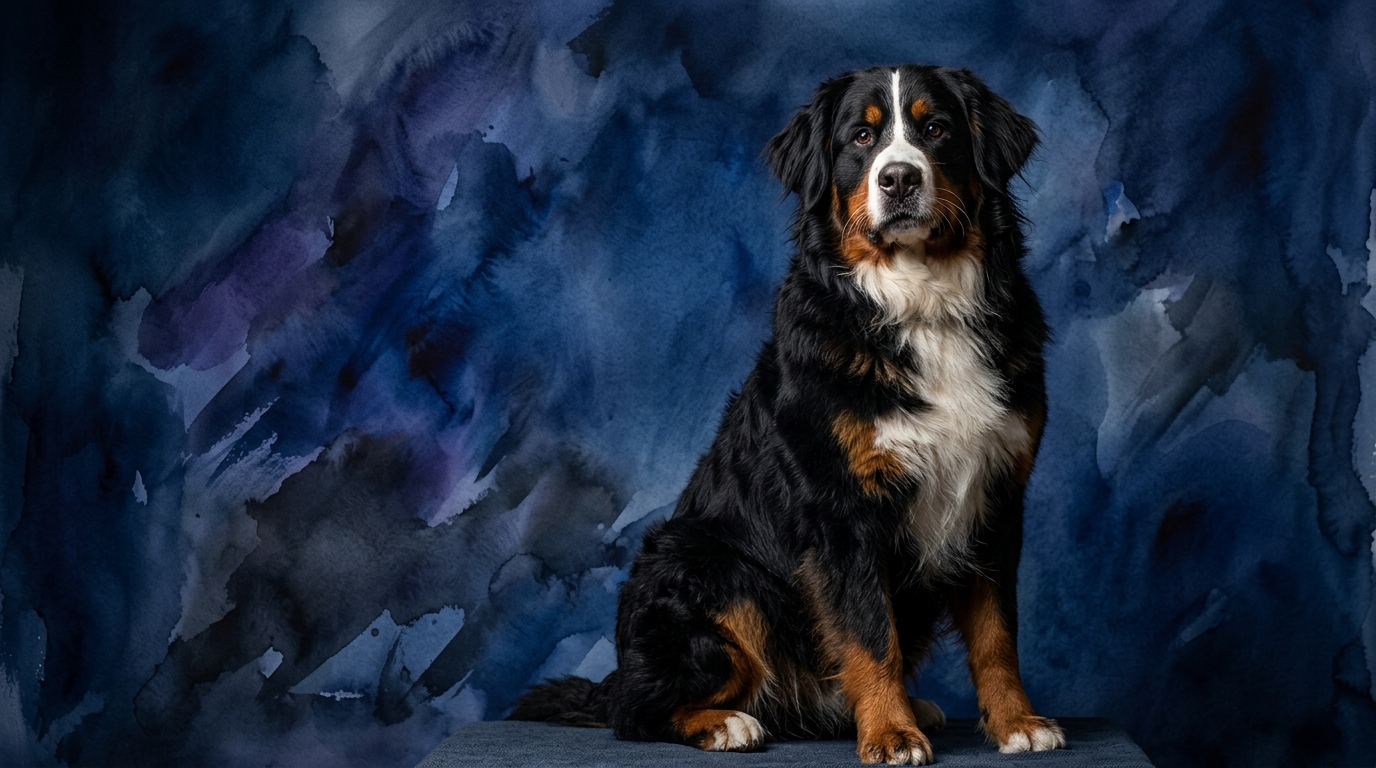
The Bernese Mountain Dog, ranked #27 by Coren for working intelligence, presents a profile rooted in companionship and steady learning. Their Problem Solving score of 3/5 indicates an ability to navigate familiar routines and environments effectively, though they may require more explicit guidance for novel, complex challenges. In Training Speed, they earn a solid 4/5, responding well to consistent, positive reinforcement and showing a genuine eagerness to please their human companions, steadily acquiring new commands. Where they truly shine is Social Intelligence, with a perfect 5/5, demonstrating an exceptional capacity to read human emotions, intentions, and subtle social cues, forming deep, empathetic bonds within a family unit. This empathy forms the core of their loyal companionship. Their Instinctive Drive, at 4/5, reflects a strong inherent desire for companionship and protection, coupled with a moderate drive for traditional working tasks like drafting. Finally, their Memory score of 3/5 suggests reliable retention of learned behaviors and familiar faces but perhaps less precision for complex sequences or infrequently practiced commands.
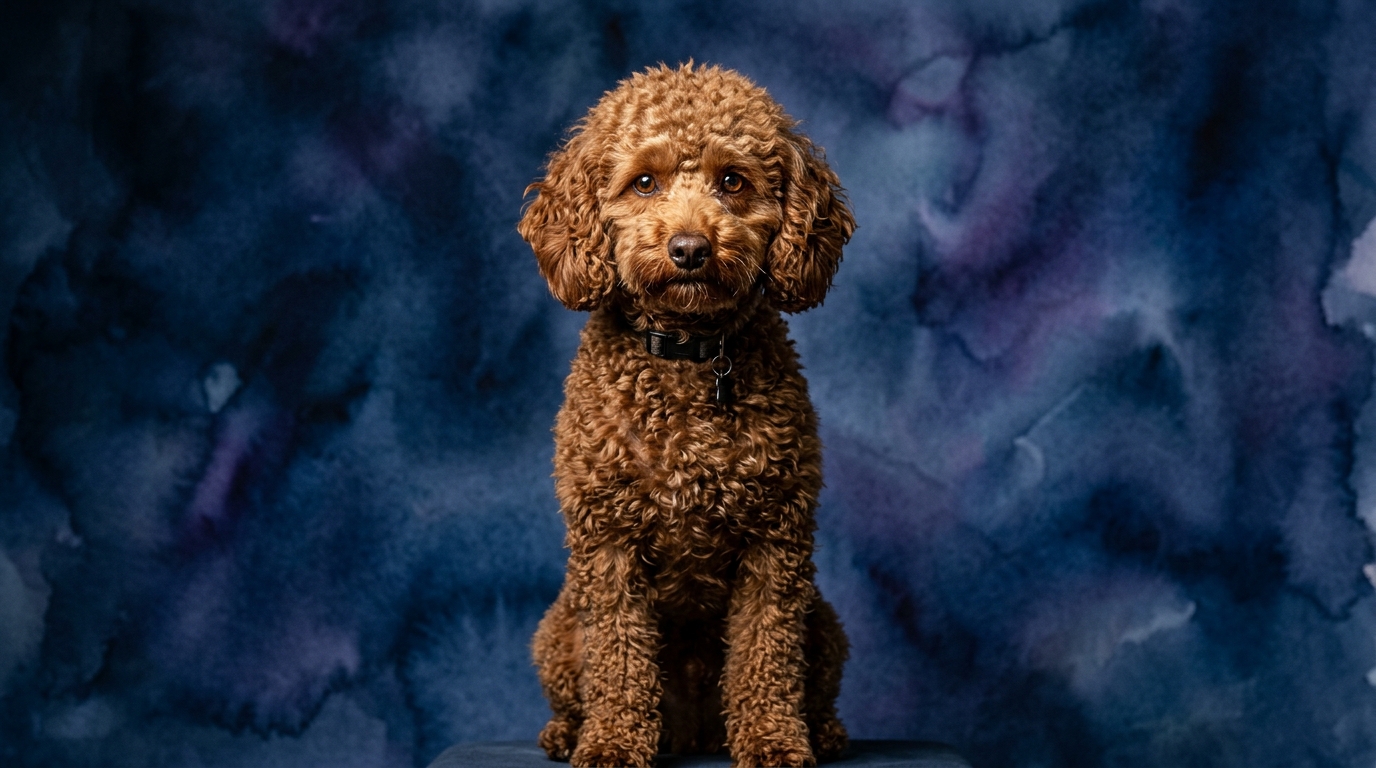
In stark contrast, the Miniature Poodle, holding an impressive Coren rank of #2, showcases a profile of sharp intellect and rapid acquisition. Their Problem Solving is a top-tier 5/5, indicating remarkable aptitude for figuring out puzzles, adapting to new situations, and independently devising solutions to challenges. They often exhibit strategic thinking. They match this with a 5/5 in Training Speed, absorbing new commands and tricks with exceptional rapidity, often requiring minimal repetitions to master a task, which makes them incredibly responsive to diverse training methodologies. Their Social Intelligence, at 3/5, allows them to understand human moods and interactions adequately, though they might be more focused on task execution or individual engagement rather than broad emotional resonance within a group, making them affectionate but sometimes less attuned to subtle social dynamics. An Instinctive Drive of 3/5 points towards a focus on companionship and engaging mental activities, with their historical water retrieving background translating into a moderate prey drive and a desire for purpose. Their Memory score of 5/5 signifies a profound capacity for recall, enabling them to remember a vast repertoire of commands, routines, and even specific situations over extended periods. This contributes to consistent performance.
Where the Bernese Mountain Dog Excels Cognitively
The Bernese Mountain Dog’s primary cognitive strength lies in their unparalleled Social Intelligence, scoring a perfect 5/5. This means they are extraordinarily adept at understanding the nuances of human emotion and communication, making them deeply empathetic and intuitive companions. They excel at sensing a child's distress, offering comfort without prompting, or adjusting their behavior based on a family member's mood. This profound ability to connect on an emotional level fosters an unwavering loyalty and makes them exceptional therapy dogs or family protectors, not through aggression, but through inherent understanding. Their solid Training Speed of 4/5, combined with social awareness, makes them willing partners in learning, eager to comply with known commands to maintain harmony. Their instinctive drive for close companionship and gentle guardianship is a direct extension of these social capabilities.
Where the Miniature Poodle Excels Cognitively
The Miniature Poodle stands out for its formidable cognitive triumvirate: Problem Solving (5/5), Training Speed (5/5), and Memory (5/5). This combination makes them incredibly versatile and quick-witted. Their superior problem-solving skills allow them to independently navigate complex situations, figure out food puzzles, or devise creative ways to get what they want. This breed rapidly grasps new concepts and can generalize learning across different contexts, meaning a command learned in one setting is easily applied elsewhere. Their exceptional training speed means they pick up intricate sequences and advanced obedience routines with astonishing ease, often making them stars in dog sports like agility, obedience, and rally. The Miniature Poodle’s flawless memory ensures they retain this vast knowledge, performing consistently and reliably even after long breaks from specific training. This mental agility translates into a dog thriving on intellectual engagement and mastering a diverse repertoire of behaviors.
Training Ease: Bernese Mountain Dog vs. Miniature Poodle
When considering training ease, the Miniature Poodle (Training Speed 5/5) holds a distinct advantage over the Bernese Mountain Dog (Training Speed 4/5). The Poodle's rapid acquisition of commands means they typically require fewer repetitions to master a new behavior, making training sessions highly efficient and often enjoyable for both dog and owner. Their sharp intellect and enthusiasm for mental challenges allow them to excel in advanced obedience and complex trick training. However, this quick wit demands consistent mental stimulation to prevent boredom, which can lead to undesirable behaviors if their minds are not adequately engaged.
The Bernese Mountain Dog, while not as lightning-fast, is still a very trainable breed. Their 4/5 Training Speed, coupled with their high social intelligence and strong desire to please, means they are willing participants in training. They absorb commands at a steady, reliable pace, preferring positive reinforcement and a calm, consistent approach. While they might take more repetitions than a Poodle, their profound loyalty often makes them eager to comply once expectations are clear. Bernese Mountain Dogs tend to be less prone to creative mischief born of boredom, instead favoring companionship and established routines. A first-time owner might find the Bernese's steady learning curve more forgiving, while the Poodle's swiftness demands an owner who can keep pace with their mental demands.
Matching Breeds to Lifestyles: Active vs. Relaxed Owners
The cognitive profiles of these two breeds naturally align with different owner lifestyles. For active owners enjoying structured activities and mental engagement, the Miniature Poodle is an exceptional match. Their top scores in Problem Solving, Training Speed, and Memory mean they thrive on challenges like agility courses, advanced obedience, puzzle toys, and learning new tricks. They require an owner who is prepared to provide consistent intellectual stimulation, not just physical exercise, to keep their sharp minds occupied and prevent boredom. Their smaller size adapts well to various activities.
Conversely, relaxed owners who prioritize companionship and a calm, predictable home environment might find the Bernese Mountain Dog a more suitable fit. While they certainly need regular exercise to maintain physical health, their cognitive needs are fulfilled more by consistent social interaction and established routines rather than constant, complex mental tasks. Their high social intelligence means they are content as a loving family presence, appreciating gentle walks and quality time. Owners who enjoy teaching foundational commands and reinforcing good manners through positive, patient methods will find the Bernese a willing and deeply affectionate partner, without the intense demand for novel mental challenges that a Miniature Poodle often presents. Their larger size and joint considerations also favor a more sedate pace as they age.
The Verdict
If you prioritize a deeply empathetic, socially attuned companion who thrives on family connection and offers unwavering loyalty, and you appreciate a steady learning pace, the Bernese Mountain Dog is an excellent choice.
However, if you seek a highly adaptable, quick-witted canine partner eager for complex mental challenges and rapid skill acquisition, and you are prepared to provide consistent intellectual engagement, then the Miniature Poodle will undoubtedly flourish in your home.
🧠 Find Your Pet's IQ Score
Our Pet IQ Lab assessment covers 25+ tests across 5 cognitive dimensions — personalized to your breed.
Take the Full IQ Test →Frequently Asked Questions
Are Bernese Mountain Dogs good at adapting to new environments?
With a Problem Solving score of 3/5 and strong social intelligence, Bernese Mountain Dogs adapt reasonably well to new environments, especially when their family is present to provide security and routine. They might take a bit longer to process novel situations compared to more cognitively agile breeds but generally adjust with consistent reassurance.
Do Miniature Poodles get bored easily if not mentally stimulated?
Absolutely. Scoring 5/5 in Problem Solving and Memory, Miniature Poodles possess active minds that require regular mental engagement. Without sufficient puzzles, training, or interactive play, they can quickly become bored, potentially leading to undesirable behaviors like excessive barking or destructive chewing.
Which breed is better for a first-time dog owner?
Both breeds can suit first-time owners, but their needs differ. The Bernese Mountain Dog's high social intelligence and desire to please (Training Speed 4/5) make them generally cooperative, while the Miniature Poodle's exceptional Training Speed (5/5) means they respond quickly to instruction. A first-time owner should consider their capacity to provide either significant social interaction (Bernese) or consistent mental enrichment and training (Poodle).