Side-by-Side IQ Profile: Bernese Mountain Dog
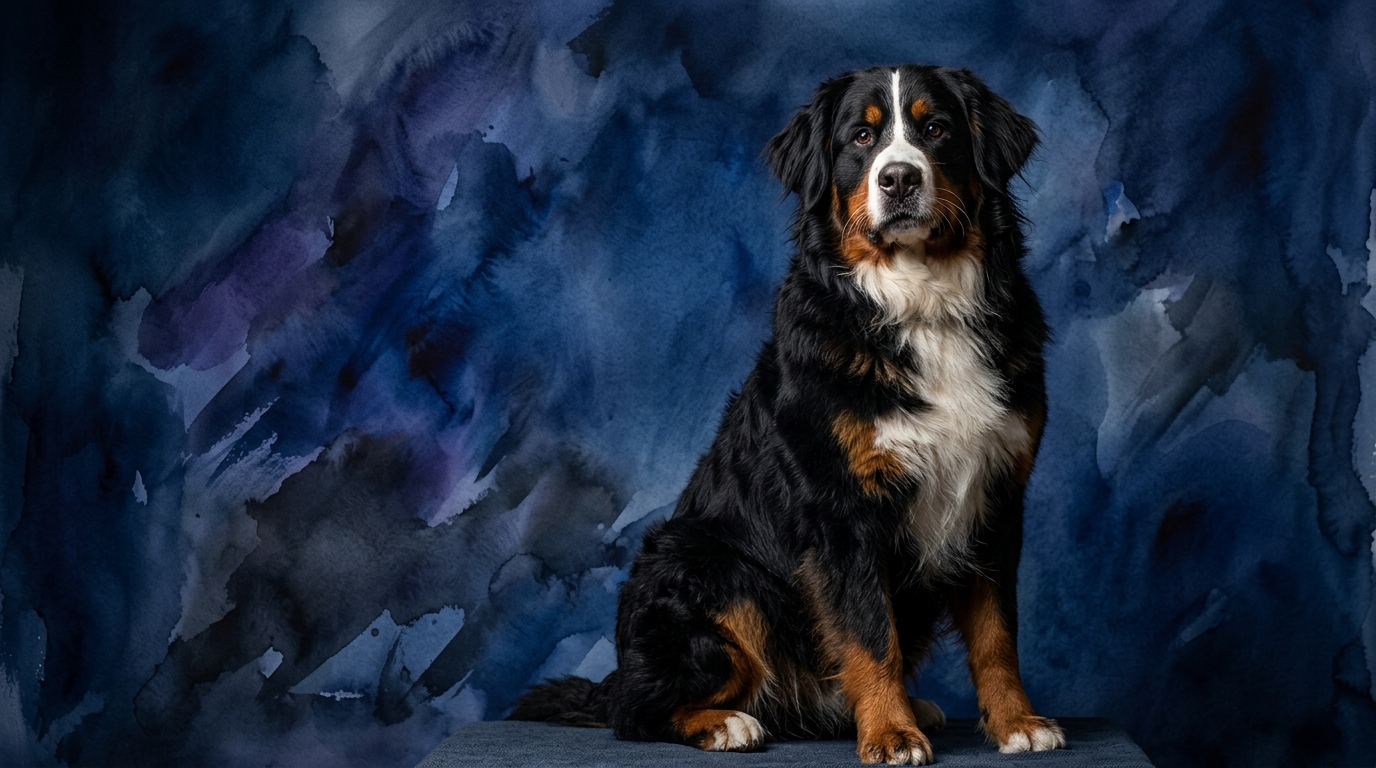
The Bernese Mountain Dog, recognized at Coren rank #27, demonstrates a balanced and cooperative cognitive profile. Their Problem Solving score of 3/5 indicates an aptitude for navigating practical challenges, such as figuring out how to open a door latch or retrieving a toy from a moderately tricky spot, without necessarily inventing complex novel solutions. They are capable of understanding cause and effect in their immediate environment.
A standout trait is their Training Speed at 4/5, reflecting an eagerness to learn and a responsiveness to consistent guidance, making them efficient students in obedience and task-oriented training. Their Social Intelligence is exceptional at 5/5, meaning they are deeply attuned to human emotions and social cues, fostering strong bonds and adapting their behavior intuitively in varied social settings. An Instinctive Drive of 4/5 points to their natural inclination for companionship, gentle guarding, and a willingness to engage in tasks like drafting. Their Memory, rated 3/5, allows them to retain learned routines, commands, and recognize familiar individuals and places over time with adequate recall.
Side-by-Side IQ Profile: Neapolitan Mastiff
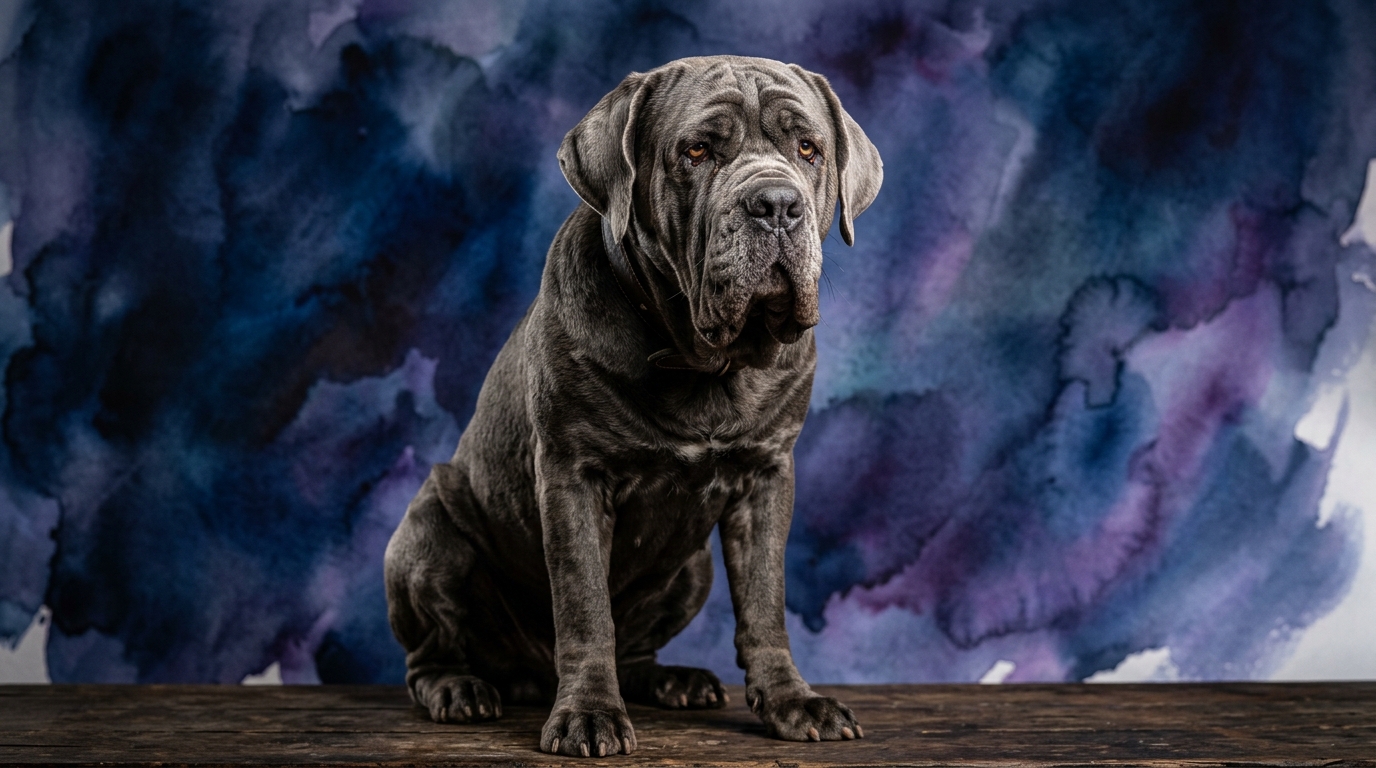
The Neapolitan Mastiff, while not Coren-ranked, possesses a distinct cognitive makeup centered around observation and protection. Their Problem Solving is rated 3/5, similar to the Bernese, suggesting an ability to address practical, immediate needs like finding the most comfortable resting place or navigating their familiar territory efficiently. This problem-solving is often self-directed towards comfort or security rather than human-initiated games.
Their Training Speed of 3/5 means they require more patience and consistency; they learn effectively but often at a deliberate pace, needing strong motivation and clear purpose in training. Social Intelligence at 3/5 reflects their deep loyalty to family but a reserved, often wary, demeanor towards strangers. Their social interactions are primarily focused on assessing their environment for potential threats or discerning who belongs. An Instinctive Drive of 3/5 is largely channeled into guarding and territorial protection, coupled with a strong desire for comfort. Their Memory, also 3/5, enables them to recall important details about their territory, family members, and perceived threats, contributing to their role as a watchful guardian.
Where the Bernese Mountain Dog Wins Cognitively
The Bernese Mountain Dog's cognitive strengths shine particularly in areas of social interaction and cooperative learning. Their unparalleled 5/5 Social Intelligence allows them to excel at understanding nuanced human intentions, emotional states, and non-verbal cues. This makes them profoundly empathetic companions, often anticipating their human's needs or reacting appropriately to subtle shifts in the environment, fostering an intuitive bond.
Furthermore, their 4/5 Training Speed, combined with their high social acumen and an inherent desire to work alongside people, makes them more adaptable and quicker to grasp new commands and routines. They often view training as a collaborative activity, eager to please and engage, which translates into a more fluid and less challenging learning experience across a wider range of activities, from basic obedience to more complex dog sports or therapy work.
Where the Neapolitan Mastiff Wins Cognitively
The Neapolitan Mastiff's unique cognitive strengths are deeply rooted in their primary purpose: discerning protection. While their social intelligence is rated 3/5, it is acutely focused on observation and assessment within their protective role. They possess a shrewd ability to analyze situations, identify potential threats, and react with measured caution or decisive action if their family or territory is perceived to be in danger. This requires a nuanced understanding of their environment and the individuals within it, a highly specialized form of intelligence.
Their 3/5 problem-solving ability, coupled with their instinctive drive, often manifests as effective independent decision-making related to security and comfort. They might excel at strategically positioning themselves for optimal oversight of their domain or finding the most secure and comfortable spot. This self-sufficiency in managing their immediate needs and guarding responsibilities showcases a practical, grounded intelligence distinct from the Bernese's more cooperative approach.
Which Is Easier to Train and Why
Based on their IQ profiles, the Bernese Mountain Dog is generally considered easier to train. Their 4/5 Training Speed indicates a readiness to absorb new information and commands efficiently, while their 5/5 Social Intelligence means they are highly motivated by human approval and connection. They quickly learn to associate actions with positive reinforcement and the desire to cooperate, making training sessions productive and often enjoyable for both dog and owner. Their background as farm dogs also instilled a cooperative working ethic.
The Neapolitan Mastiff, with a 3/5 Training Speed and 3/5 Social Intelligence, presents a more deliberate training challenge. They are not inherently eager to please in the same way; training requires immense patience, consistency, and a deep understanding of their motivations. Commands must often be presented as logical or beneficial to them, such as earning a high-value reward or establishing clear boundaries related to their protective instincts. Their independent nature means they can be stubborn if they do not perceive the immediate value or point of a command, requiring a firm yet fair and always positive approach.
Which Suits Active Owners vs. Relaxed Owners
The Bernese Mountain Dog, with its moderate problem-solving (3/5), higher training speed (4/5), and strong instinctive drive (4/5) for companionship and work, is better suited for active owners. These dogs thrive when mentally stimulated and physically engaged in activities such as obedience training, modified agility, hiking, or even carting. Their high social intelligence makes them excellent companions for varied social outings and cooperative tasks, requiring an owner who enjoys consistent interaction and shared activities.
The Neapolitan Mastiff, characterized by lower overall IQ scores and a more deliberate nature, generally suits relaxed owners who appreciate a calm, watchful presence. However, 'relaxed' does not imply 'hands-off' when it comes to their significant size and protective instincts (3/5 instinctive drive, focused on guarding). Their nature demands consistent, early socialization and firm, clear training to appropriately channel their protective tendencies. They do not require intense physical activity but benefit from secure environments and owners who are dedicated to managing their territorial nature with calm confidence and consistent boundaries. Their intelligence is focused on observation and protection, not necessarily active participation in diverse 'jobs.'
The Verdict
If you seek an empathetic, cooperative, and eager-to-learn companion who thrives on social interaction and enjoys engaging in shared activities, the Bernese Mountain Dog is an excellent choice.
If you value a calm, profoundly loyal, and discerning guardian with a majestic presence, and are prepared for a deliberate training approach focused on clear boundaries and early socialization, the Neapolitan Mastiff might be your ideal match.
🧠 Find Your Pet's IQ Score
Our Pet IQ Lab assessment covers 25+ tests across 5 cognitive dimensions — personalized to your breed.
Take the Full IQ Test →Frequently Asked Questions
Do Bernese Mountain Dogs bark a lot?
Bernese Mountain Dogs are not typically excessive barkers, but they will use their voice to alert their family to strangers or unusual occurrences. Their high social intelligence means they are often responsive to their owner's cues to quiet down, especially with consistent training.
Are Neapolitan Mastiffs good with children?
Neapolitan Mastiffs can be wonderful with children in their own family, often displaying a patient and protective nature. However, due to their immense size and strong guarding instincts, early socialization and supervision are crucial to ensure safe interactions, especially with unfamiliar children.
What kind of exercise do these breeds need?
Bernese Mountain Dogs require moderate daily exercise, enjoying walks, hikes, and engaging play sessions to keep them mentally and physically stimulated. Neapolitan Mastiffs need less intense exercise, preferring leisurely walks and a secure yard, but consistent activity is still important for their health and well-being.