Side-by-Side Cognitive Profiles
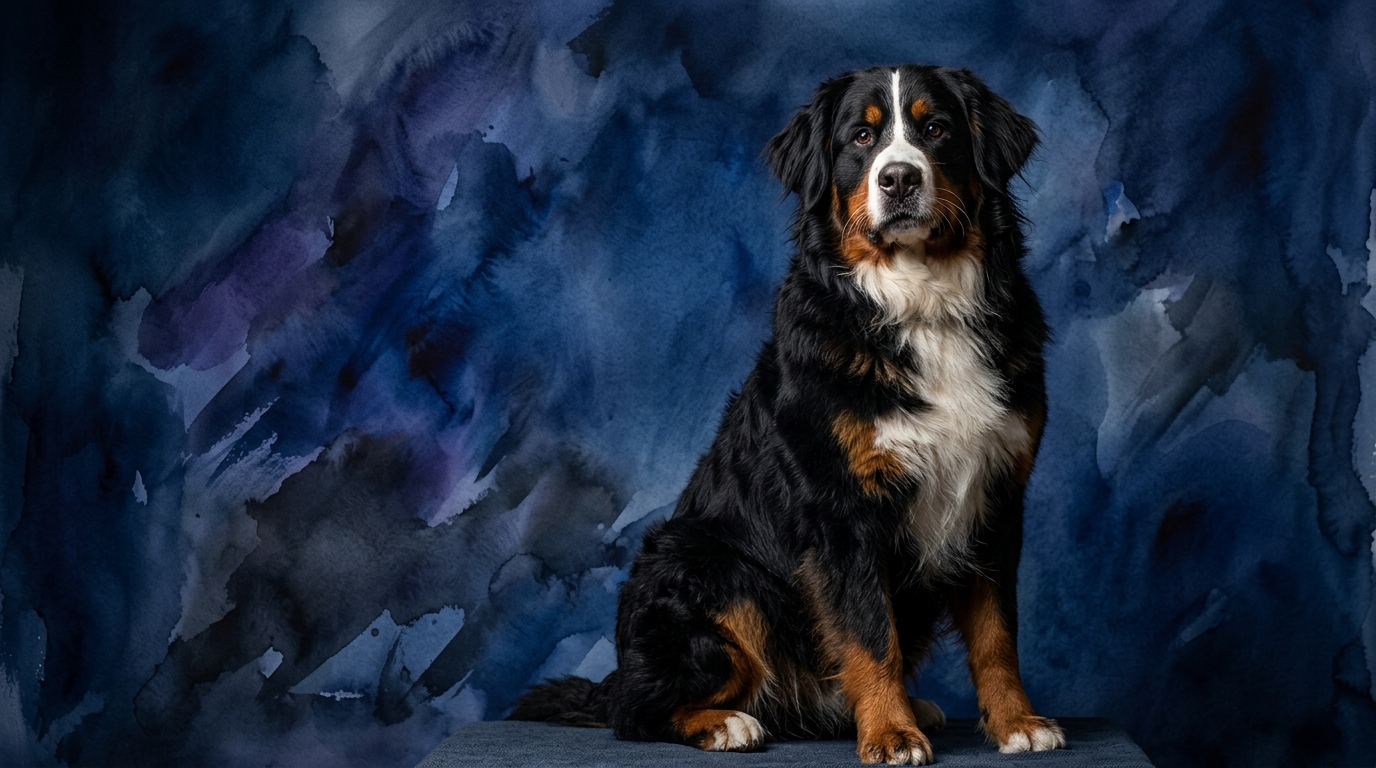
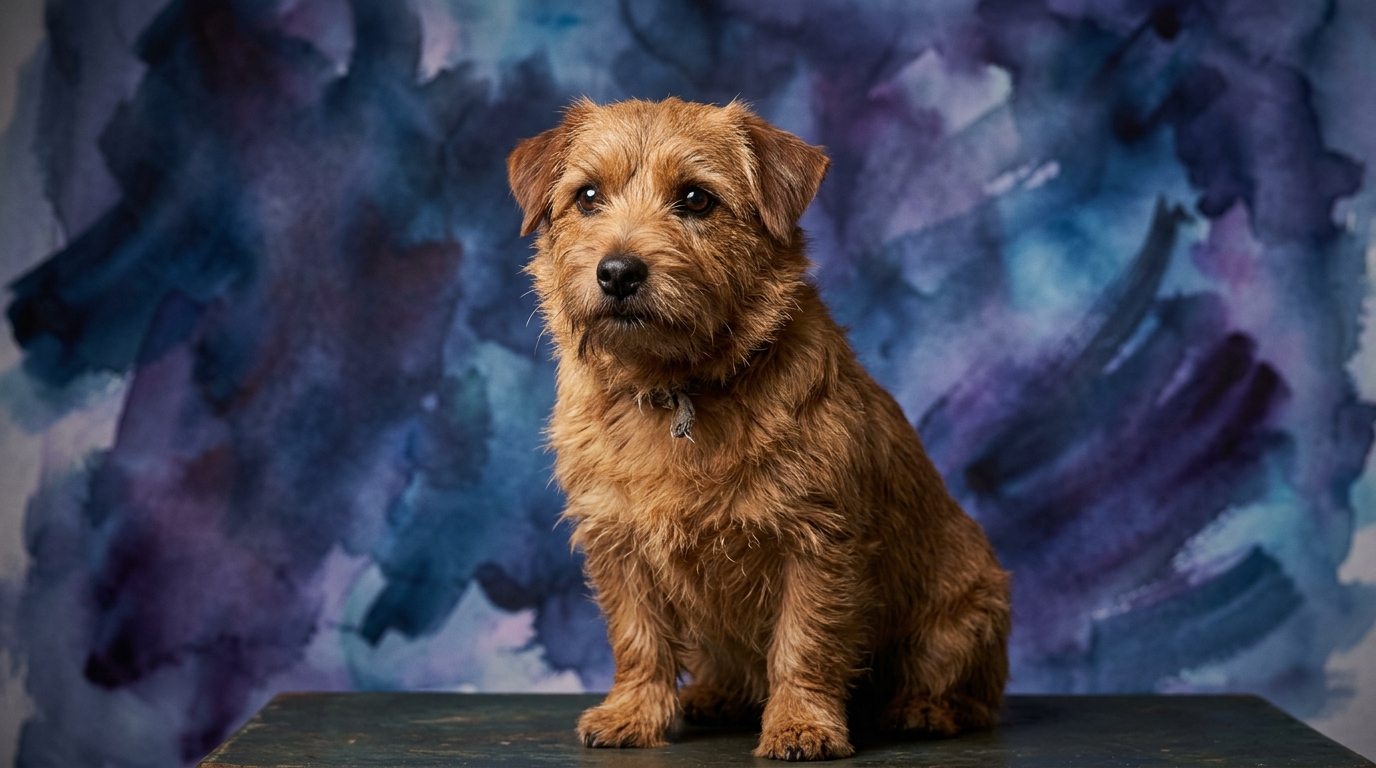
The Cosmic Pet Pet IQ Lab provides a unique framework for understanding canine intelligence across five key dimensions. Let's examine how the Bernese Mountain Dog and Norfolk Terrier measure up, considering their breed-specific manifestations of these traits.
The Bernese Mountain Dog exhibits a practical Problem Solving (3/5) ability, adept at navigating routines and finding solutions within familiar environments, reflecting their working heritage. Their Training Speed (4/5) is notable; they pick up new commands relatively quickly due to their biddable nature and eagerness to please, making them responsive learners. Where they truly excel is in Social Intelligence (5/5), possessing a profound understanding of human emotions and cues, which fosters exceptionally deep, empathetic bonds with their families. Their Instinctive Drive (4/5) manifests as a desire for purpose, such as carrying or guarding, channeling their energy into cooperative tasks. Finally, their Memory (3/5) is reliable, retaining learned behaviors and routines effectively for consistent daily life.
The Norfolk Terrier's Problem Solving (3/5) involves tenacious, practical application to achieve goals, like investigating scents or overcoming obstacles with characteristic determination. Their Training Speed (3/5) is moderate; while capable learners, their independent terrier spirit means consistency and engaging methods are crucial for retaining commands. Social Intelligence (3/5) is present but more independent; they connect with family but might not be as overtly attuned to subtle human cues, valuing companionship on their own terms. Their Instinctive Drive (3/5) is primarily focused on hunting and exploration, manifesting as a strong inclination to dig and chase, requiring appropriate outlets. Their Memory (3/5) is functional, allowing them to recall routines and learn from experiences, supporting their independent navigation of the world.
Where the Bernese Mountain Dog Excels Cognitively
The Bernese Mountain Dog's cognitive strengths are pronounced, particularly its exceptional Social Intelligence (5/5). This dimension signifies a deep capacity to understand and respond to human emotions and subtle cues, making them highly intuitive and empathetic companions. This profound connection enables them to anticipate needs, fostering remarkably communicative bonds. Their Training Speed (4/5) also surpasses the Norfolk Terrier's, indicating a quicker grasp of commands and a greater eagerness to cooperate. This responsiveness streamlines structured learning, making the training process more fluid and rewarding. Furthermore, the Bernese's Instinctive Drive (4/5), geared towards purposeful work, supports sustained engagement in cooperative tasks like carting or obedience, contrasting with the Norfolk's more independent, prey-driven instincts. This drive channels their energy constructively, reinforcing their biddable nature.
Distinct Cognitive Traits of the Norfolk Terrier
While the Norfolk Terrier doesn't outscore the Bernese, its cognitive profile boasts distinct strengths rooted in its terrier heritage. Its Problem Solving (3/5) is characterized by an unyielding, tenacious approach to obstacles, driven by curiosity and a direct pursuit of goals, reflecting independent resourcefulness. The Norfolk's Instinctive Drive (3/5), though numerically lower, is intensely focused on hunting and exploration. This translates into specialized cognitive strength for tasks requiring vigilance, independent decision-making, and relentless pursuit, making them adept at activities like earthdog trials. Their moderate Social Intelligence (3/5) allows for affectionate companionship without the constant need for human validation, appealing to owners who value a spirited dog with a strong, self-contained personality. The Norfolk's cognitive 'wins' are thus found in the highly specialized, independent, and persistent application of its faculties towards its terrier purpose.
Training Aptitude: Bernese Mountain Dog vs. Norfolk Terrier
Based on their cognitive profiles, the Bernese Mountain Dog (Training Speed 4/5) is generally easier to train than the Norfolk Terrier (Training Speed 3/5). The Bernese's higher training speed reflects its inherent biddability and strong desire to please, coupled with exceptional Social Intelligence (5/5). They are highly attuned to human cues, making them receptive to instruction and eager to participate in cooperative tasks, often motivated by praise and interaction. In contrast, the Norfolk Terrier, while capable of learning, possesses a more independent, sometimes stubborn terrier temperament. Their moderate training speed means they may require more patience and creative motivation. Their Social Intelligence (3/5) is less overtly people-centric, and their Instinctive Drive (3/5) leans towards independent exploration. While a Norfolk can be well-trained, it often necessitates a more engaging, game-based approach, potentially making the process more challenging for a novice owner compared to the naturally compliant Bernese.
Matching Cognitive Profiles to Owner Lifestyles
The choice between these breeds depends significantly on an owner's lifestyle. The Bernese Mountain Dog, with its Working group heritage and higher Instinctive Drive (4/5), thrives with active owners who provide consistent engagement and purpose. While they enjoy relaxed companionship, they require regular physical activity like long walks, hikes, or dog sports to satisfy their need for 'work.' Their strong Social Intelligence (5/5) means they deeply appreciate being involved in family activities and can become distressed if isolated. They are best suited for owners who enjoy ample outdoor time and integrate their dog into daily routines. The Norfolk Terrier, despite its size, is not a traditional 'lap dog.' Its terrier Instinctive Drive (3/5) for exploration and hunting demands regular mental and physical stimulation, including secure areas for off-leash exploration and opportunities for scent work. While adaptable to apartment living, they still require daily walks and engaging play sessions to prevent boredom. They suit owners who appreciate a spirited companion for shorter bursts of activity, enjoy interactive play, and can provide consistent mental challenges to satisfy their curious, independent nature, without needing strenuous, hours-long excursions daily.
The Verdict
Choose the Bernese Mountain Dog if you seek a deeply empathetic, cooperative companion eager to learn and participate in family activities, and you can provide ample engagement for its working dog drive.
Opt for the Norfolk Terrier if you desire a spirited, independent companion with a tenacious problem-solving approach and a keen sense of adventure, and you appreciate a dog that thrives on engaging, purposeful play without needing constant guidance.
🧠 Find Your Pet's IQ Score
Our Pet IQ Lab assessment covers 25+ tests across 5 cognitive dimensions — personalized to your breed.
Take the Full IQ Test →Frequently Asked Questions
Is the Bernese Mountain Dog too 'smart' for a first-time owner?
Not at all; their high social intelligence and training speed make them very receptive to guidance, often simplifying the learning process for new owners. Their biddable nature and desire to please mean they typically respond well to consistent, positive reinforcement, making them a rewarding first dog for those committed to training and socialization.
Do Norfolk Terriers need a lot of mental stimulation despite their moderate IQ scores?
Yes, absolutely. While their scores are moderate, their terrier lineage means they possess a strong instinctive drive for exploration and problem-solving, manifesting as a need for mental challenges. Engaging puzzle toys, scent games, and consistent training are crucial to satisfy their curious and tenacious minds, preventing boredom-related behaviors.
How does 'instinctive drive' impact daily life for these breeds?
For the Bernese, a 4/5 instinctive drive means they benefit from having a 'job' like carrying groceries or participating in obedience, channeling their energy into cooperative tasks. For the Norfolk, a 3/5 instinctive drive translates to a strong desire to chase and dig, requiring secure yards, leashed walks, and appropriate outlets like earthdog sports or supervised digging zones to satisfy their natural terrier urges.