Side-by-Side Cognitive Profiles: Bernese Mountain Dog vs. Puli
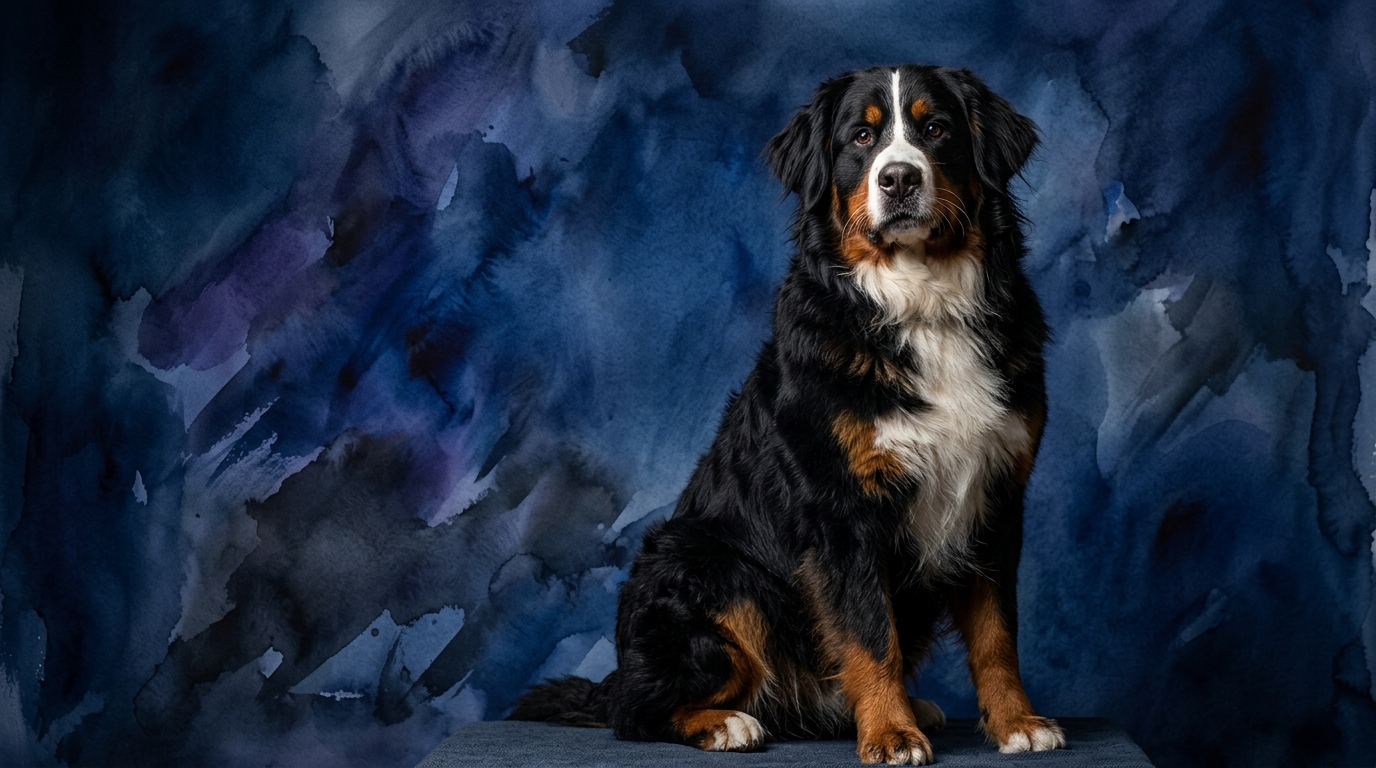
**Bernese Mountain Dog (BMD):** Hailing from the Working group, the BMD, with a Coren ranking of #27, presents a profile of balanced, socially-oriented intelligence. Their Problem Solving is rated 3/5, indicating a methodical approach to challenges rather than spontaneous innovation. Training Speed stands at 4/5, suggesting a good capacity for learning and retention, often driven by a desire to please. A standout feature is their Social Intelligence at 5/5, reflecting exceptional empathy and an acute awareness of human emotions and social cues. Their Instinctive Drive, at 4/5, points to a strong, purposeful motivation for tasks, often involving companionship or guarding. Memory is rated 3/5, sufficient for routines and learned commands but perhaps less for intricate, multi-step sequences.
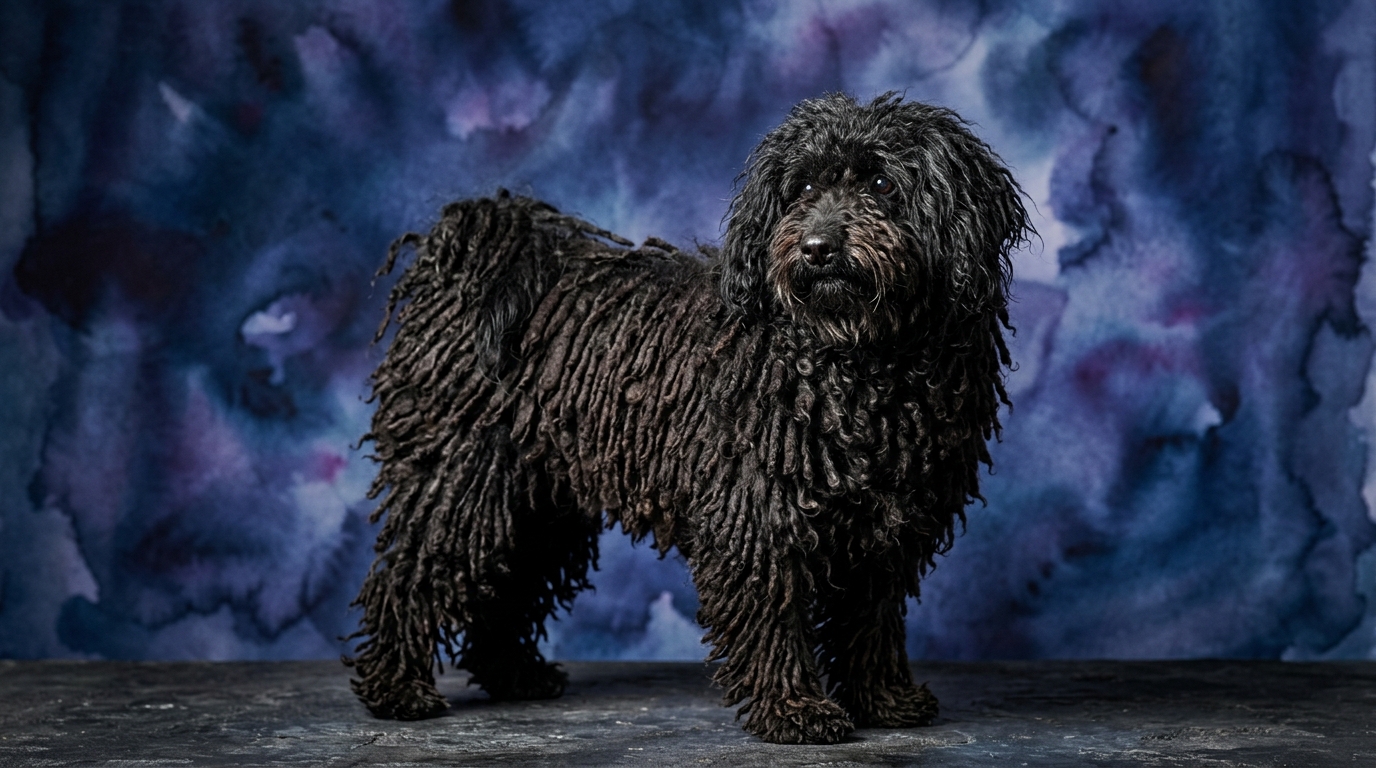
**Puli:** The Puli, a Herding breed ranked #25 by Coren, showcases a distinct cognitive architecture geared towards independent problem-solving and complex task execution. They excel in Problem Solving at 4/5, demonstrating a strategic and often independent approach to challenges, typical of a herding dog needing to adapt quickly. Their Training Speed, like the BMD, is 4/5, indicating a quick grasp of new commands, though their motivation might differ. Social Intelligence is 3/5, meaning they are capable of forming bonds but might be less overtly expressive or attuned to human nuances than the BMD, often prioritizing their task. Instinctive Drive is 3/5, focused intensely on their herding instincts, which translates into a strong need for mental engagement. Memory is a robust 4/5, crucial for recalling complex herding patterns and sequences, making them adept at remembering elaborate routines.
Where the Bernese Mountain Dog's Cognition Shines
The Bernese Mountain Dog's cognitive strengths are profoundly rooted in their exceptional Social Intelligence (5/5). This isn't merely about friendliness; it's a sophisticated capacity to read human body language, understand emotional states, and adapt their behavior to foster deep, reciprocal bonds. A BMD can sense a shift in an owner's mood, offering comfort or space as needed, making them extraordinarily empathetic companions. This high social acumen also contributes to their 4/5 Instinctive Drive, which, for a working dog, often means a drive to be useful within the family unit—whether "helping" with chores, standing guard, or simply being a steadfast presence. Their desire to participate and integrate into the family's daily rhythm is a direct manifestation of this cognitive strength, making them intuitive partners who thrive on shared experiences and collaboration. They are less about independent strategizing and more about harmonious interaction, finding their purpose in collective effort.
Where the Puli's Cognition Takes the Lead
The Puli's cognitive prowess truly stands out in their Problem Solving (4/5) and Memory (4/5) capabilities. As herding dogs, they were bred to work semi-independently, making split-second decisions to manage livestock. This translates into a dog that can assess a situation, devise a strategy, and execute it, often without direct command. Their problem-solving isn't just about figuring out how to get a treat from a puzzle; it's about understanding complex dynamics and acting proactively. Coupled with their strong Memory (4/5), Pulis can retain intricate sequences of commands, elaborate agility courses, or complex routines. This allows them to master advanced tasks and perform consistently, building upon previous learning experiences. Unlike the BMD's social-centric intelligence, the Puli's cognitive strengths are geared towards independent thought and the recall of detailed operational knowledge, making them exceptional at tasks requiring precision, foresight, and sustained mental effort.
Training Dynamics: Bernese Mountain Dog vs. Puli
Both the Bernese Mountain Dog and the Puli share an impressive Training Speed of 4/5, indicating they learn new commands relatively quickly. However, the *nature* of their trainability differs due to their other cognitive traits. A BMD's high Social Intelligence and desire to please mean they are often eager to comply, finding motivation in positive reinforcement and the approval of their human. Training a Bernese often feels like a cooperative effort, where their responsiveness stems from a deep bond and willingness to engage. They are typically forgiving of handler errors and maintain enthusiasm through connection. In contrast, the Puli's trainability, while equally fast, is fueled more by their Problem Solving and Memory. They thrive on mental challenge and the satisfaction of mastering a task. A Puli might learn quickly, but they also require consistency and clarity, as their independent nature means they might "test the rules" or find alternative solutions if the training isn't engaging or logical to them. For a Puli, training is less about pleasing and more about intellectual engagement and a clear understanding of the 'game'. Owners might find a Puli more challenging if training becomes monotonous, whereas a BMD might tolerate repetition for the sake of interaction.
Lifestyle Fit: Active Seekers vs. Relaxed Companions
When considering lifestyle, the cognitive profiles of these breeds paint clear pictures. The Bernese Mountain Dog, with its exceptional Social Intelligence (5/5) and moderate Instinctive Drive (4/5 for working tasks), thrives in environments where they are integral family members. They require consistent human interaction and companionship; their mental well-being is deeply tied to being involved in daily activities, even if those activities are simply sharing a space. While they appreciate regular exercise, their cognitive needs are more about social engagement and having a clear role within their human pack. They are suitable for owners who value a deeply connected, empathetic companion and can provide a stable, loving home with moderate physical outlets. They are not necessarily "relaxed" in the sense of being inactive, but rather in their need for constant high-intensity mental stimulation.
The Puli, on the other hand, with its superior Problem Solving (4/5) and Memory (4/5), paired with a lower Social Intelligence (3/5) and Instinctive Drive (3/5, specifically focused on herding), requires a more active and mentally stimulating lifestyle. These dogs need a "job" or consistent mental challenges to prevent boredom and potential behavioral issues. Owners who enjoy dog sports like agility, obedience, herding trials, or even complex puzzle toys will find the Puli an eager and capable partner. Their independence means they might not constantly seek human affection but instead derive satisfaction from mastering tasks. They are better suited for active owners who can dedicate time to structured training, engaging activities, and providing outlets for their innate problem-solving abilities, rather than just casual companionship. They excel with owners who appreciate a dog that thinks for itself and can handle a robust personality.
The Verdict
If your priority is an exceptionally empathetic, deeply connected, and steadfast companion who thrives on social interaction and finds purpose in being an integral part of your family's daily life, the Bernese Mountain Dog is an ideal choice.
If you seek an independent, strategic thinker who excels at complex tasks, thrives on consistent mental challenges, and you are prepared to channel their problem-solving and memory skills into engaging activities, the Puli will be a rewarding partner.
🧠 Find Your Pet's IQ Score
Our Pet IQ Lab assessment covers 25+ tests across 5 cognitive dimensions — personalized to your breed.
Take the Full IQ Test →Frequently Asked Questions
Do Bernese Mountain Dogs need a lot of exercise?
While not extreme athletes, Bernese Mountain Dogs benefit from regular, moderate exercise like daily walks and playtime. Their cognitive needs are more centered on social interaction and being part of family activities than intense physical exertion.
Are Pulis good family dogs?
Pulis can be good family dogs, especially with proper socialization and mental stimulation from a young age. They tend to bond closely with their primary caregiver but might be more reserved or independent with others compared to highly social breeds.
Which breed is better for first-time dog owners?
The Bernese Mountain Dog's higher social intelligence and eagerness to please might make them slightly more forgiving and easier for first-time owners to navigate, provided their substantial size and grooming needs are understood. Pulis require more dedicated mental engagement and consistent training, which can be challenging for novices.