Side-by-Side Cognitive Profiles
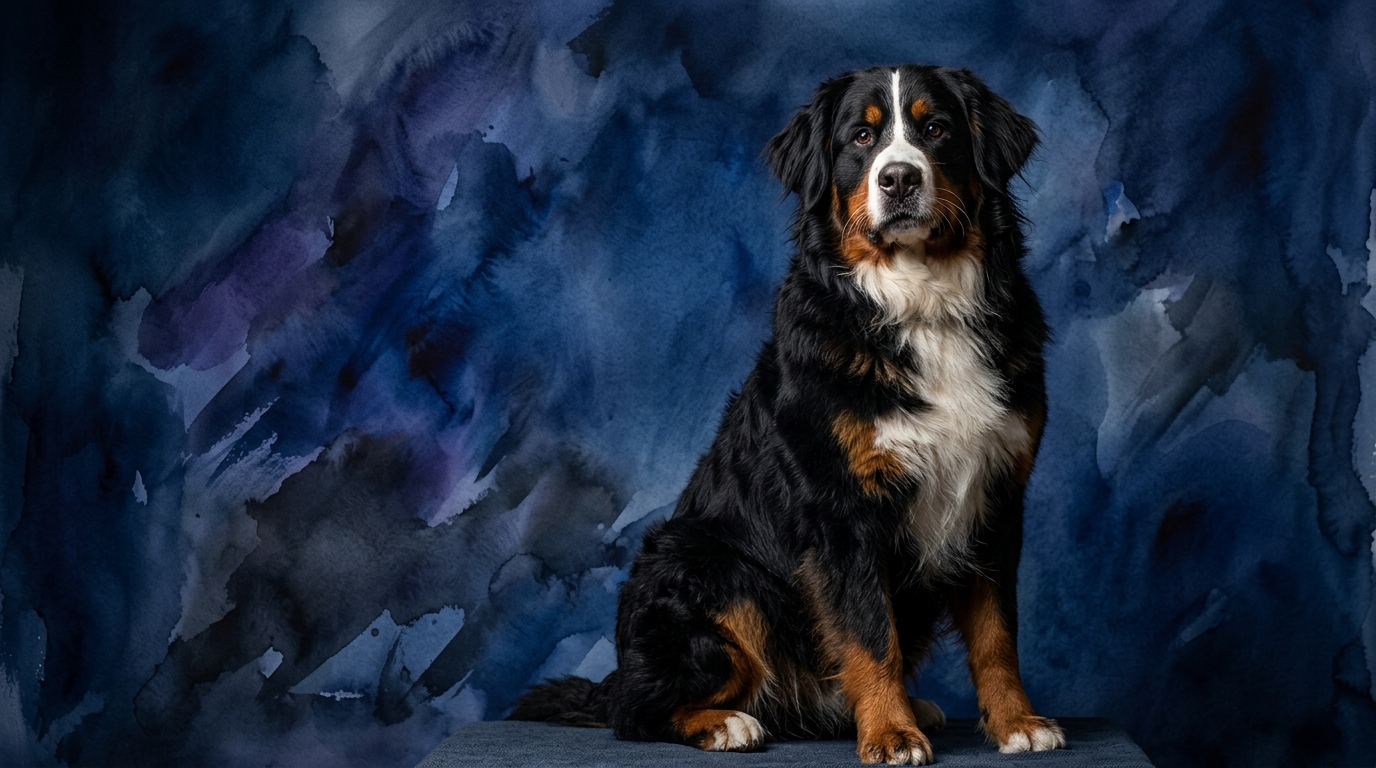
The Bernese Mountain Dog, a robust working breed, presents a cognitive profile indicating a cooperative and empathetic disposition. Their Problem Solving is rated 3/5, suggesting a methodical approach to challenges, often excelling when tasks involve their human companions. Training Speed, at 4/5, highlights their capacity to absorb new commands efficiently, driven by a desire to engage. Social Intelligence is a standout 5/5, reflecting a profound ability to interpret human emotions and cues, fostering deep bonds. An Instinctive Drive of 4/5 points to their heritage of purposeful work, whether carting or guarding, while their Memory, at 3/5, ensures solid retention of learned behaviors and routines.
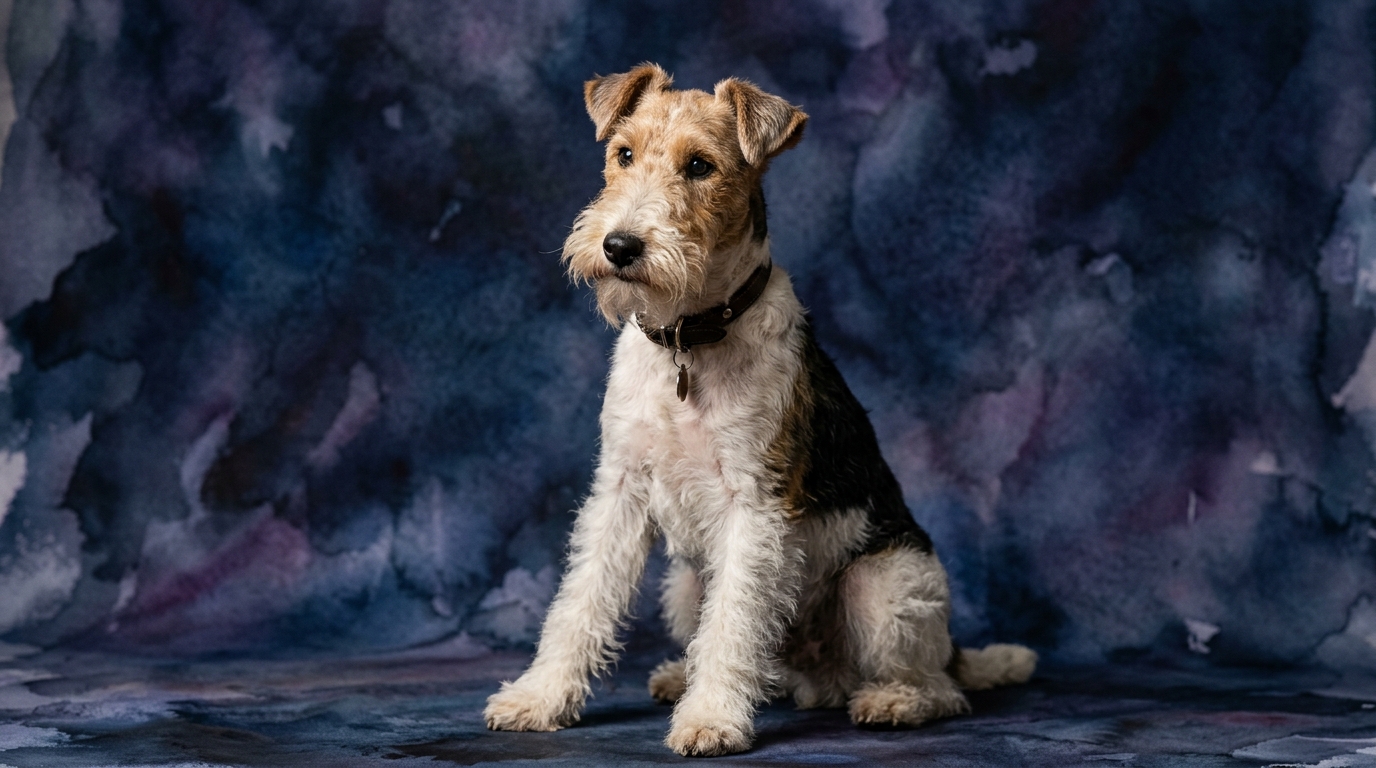
In contrast, the Wire Fox Terrier, a tenacious terrier, exhibits a more independent set of cognitive strengths. Their Problem Solving scores 3/5, indicating a resourceful and persistent approach, particularly when pursuing self-directed goals. Training Speed is 3/5, meaning they learn steadily but may require more consistent motivation than their Bernese counterpart, often viewing formal training through the lens of their own interests. Social Intelligence is 3/5, suggesting affectionate but less overtly cooperative interaction, valuing autonomy. Their Instinctive Drive, also 3/5, is powerfully geared towards hunting, digging, and exploration, guiding much of their interaction with the environment. Memory, at 3/5, is functional, allowing them to recall experiences and commands, though their independent nature can sometimes lead to selective responsiveness.
Where the Bernese Mountain Dog Excels Cognitively
The Bernese Mountain Dog's exceptional Social Intelligence, scoring a perfect 5/5, is a profound cognitive advantage. This isn't merely about being friendly; it signifies a sophisticated capacity to read human body language, vocal inflections, and emotional states, enabling them to form incredibly nuanced and empathetic partnerships. They excel in situations requiring close cooperation and an understanding of complex social dynamics within a household, often anticipating human needs and responding with remarkable sensitivity, making them highly attuned family members.
Their Training Speed, rated 4/5, positions the Bernese as a quick and willing student in structured learning environments. This efficiency stems from their inherent desire to engage with their human companions and their historical role as a working dog with a 'job' to do. They typically pick up new commands and routines with impressive alacrity, responding well to positive reinforcement and consistent guidance, eager to perform tasks that contribute to the family unit.
The Bernese Mountain Dog's Instinctive Drive of 4/5 is channeled towards cooperative and purposeful work. This manifests as a focused determination when given a task, whether it's participating in drafting sports, excelling in obedience trials, or simply maintaining a watchful and protective presence over their family. Their motivation is often deeply tied to contributing to the household and being an integral, functional part of their human's life, demonstrating a cognitive drive for utility and companionship.
Unique Cognitive Strengths of the Wire Fox Terrier
While both breeds score 3/5 for Problem Solving, the Wire Fox Terrier's approach is distinctly self-reliant and characterized by formidable tenacity. Their cognitive process often involves persistent trial-and-error to achieve *their* goal, whether it's figuring out how to retrieve a hidden toy, strategically navigating a complex scent trail, or digging under a perceived barrier. This isn't about pleasing a handler; it's about an unwavering internal drive to overcome obstacles and achieve a specific, often instinctual, objective, demonstrating an impressive mental grit and focus once a goal is identified.
The Wire Fox Terrier's Instinctive Drive, rated 3/5, while numerically lower, is intensely focused on acute environmental awareness and resourcefulness, a direct reflection of its heritage as a hunter. Cognitively, this translates into a heightened sensitivity to subtle environmental cues—a rustle in the bushes, a faint scent on the wind—and a remarkable ability to exploit these for exploration or 'hunting.' Their problem-solving often involves rapid assessment of their physical surroundings to identify opportunities for pursuit, manipulation, or investigation, showcasing a practical, action-oriented intelligence in their immediate world.
Their Social Intelligence score of 3/5, while indicating less overt focus on human emotional nuances than the Bernese, highlights a significant capacity for self-directed engagement. They don't always require constant human prompting to find mental stimulation; instead, they are adept at creating their own 'puzzles' and activities, often involving exploration or 'hunting' games. This independence means they can entertain themselves and solve challenges without continuous human oversight, a valuable trait for owners who appreciate a dog with a strong sense of autonomy and intrinsic motivation.
Ease of Training: Bernese Mountain Dog vs. Wire Fox Terrier
When it comes to formal obedience and cooperative tasks, the Bernese Mountain Dog generally presents as the easier breed to train. Their higher Social Intelligence (5/5) and Training Speed (4/5) mean they are typically attentive, eager to please, and quick to form associations between commands and actions. They thrive on positive reinforcement and consistent, gentle guidance, viewing training not just as a task but as a bonding experience. Their inherent desire to be involved with their family and their cooperative nature make them highly biddable students, often excelling in various dog sports that require teamwork.
The Wire Fox Terrier, conversely, tends to be more challenging for traditional obedience training. Their independent nature and strong instinctive drives (3/5) mean they can be easily distracted by compelling environmental stimuli, such as intriguing scents or movements. Training often requires more creativity, shorter sessions to maintain focus, and a very high-value reward system to capture and hold their attention. While intelligent, they frequently choose to use that intelligence to pursue their own interests rather than strictly adhering to human commands, especially if a more stimulating distraction arises, making patience and consistency paramount for their owners.
Matching Breeds to Owner Lifestyles
The Bernese Mountain Dog is well-suited for owners who enjoy regular, moderate exercise and desire a constant, integrated companion in their daily activities. While large, their activity needs are more focused on consistent walks, hikes, or engaging in dog sports like drafting or rally obedience, rather than frantic, high-intensity bursts. They thrive on companionship during exercise and are content to be part of family outings. They can adapt to a more relaxed pace indoors, enjoying quiet time with their people, but still require their daily dose of purposeful movement and mental engagement to maintain well-being.
The Wire Fox Terrier, despite a 3/5 instinctive drive, suits active owners who appreciate high-energy, dynamic play and can provide significant, varied mental and physical stimulation. Their energy, though perhaps not as sustained as some working breeds, is often intense and requires outlets like vigorous games of fetch, agility courses, earthdog trials, or long, exploratory walks where they can sniff and investigate to their heart's content. They are not dogs that are content with just a quick stroll around the block; they need purposeful engagement to prevent boredom and the subsequent development of undesirable, self-directed behaviors like excessive digging or chewing.
The Verdict
Opt for the Bernese Mountain Dog if you seek a deeply empathetic, cooperative canine partner who excels in family integration, learns quickly, and thrives on shared, purposeful activities. Their social intelligence and eagerness to please make them ideal for owners who value a biddable, responsive companion.
Select the Wire Fox Terrier if you admire independent thinking, tenacious problem-solving, and a spirited companion with boundless energy, and you're prepared for a more creative, patient approach to training. They suit owners who appreciate a dog with distinct opinions and a zest for self-directed exploration.
🧠 Find Your Pet's IQ Score
Our Pet IQ Lab assessment covers 25+ tests across 5 cognitive dimensions — personalized to your breed.
Take the Full IQ Test →Frequently Asked Questions
Is the Bernese Mountain Dog easier to live with for first-time dog owners?
Generally, yes. Their higher social intelligence and cooperative nature often make them more forgiving and easier to guide through the initial stages of dog ownership, especially with consistent positive reinforcement and a clear structure. They typically seek to please, which simplifies training and integration into a new home.
Do Wire Fox Terriers need more mental stimulation than Bernese Mountain Dogs?
While both breeds benefit from mental engagement, Wire Fox Terriers typically require more *varied and challenging* mental stimulation to satisfy their independent, problem-solving drives. Their terrier instincts mean they need outlets for exploring, digging, and 'hunting' games to prevent boredom and potential destructive behaviors, often demanding more creative engagement from their owners.
How do their memory scores (both 3/5) affect their everyday lives?
A 3/5 memory suggests both breeds retain learned information sufficiently for daily routines and commands. However, the Bernese Mountain Dog's higher training speed and social intelligence mean they might apply their memory more consistently to human-directed tasks, while a Wire Fox Terrier might be more selective in its application, influenced by its immediate interests and independent nature, sometimes appearing to 'forget' commands if a stronger instinctual drive takes over.