Side-by-Side IQ Profile
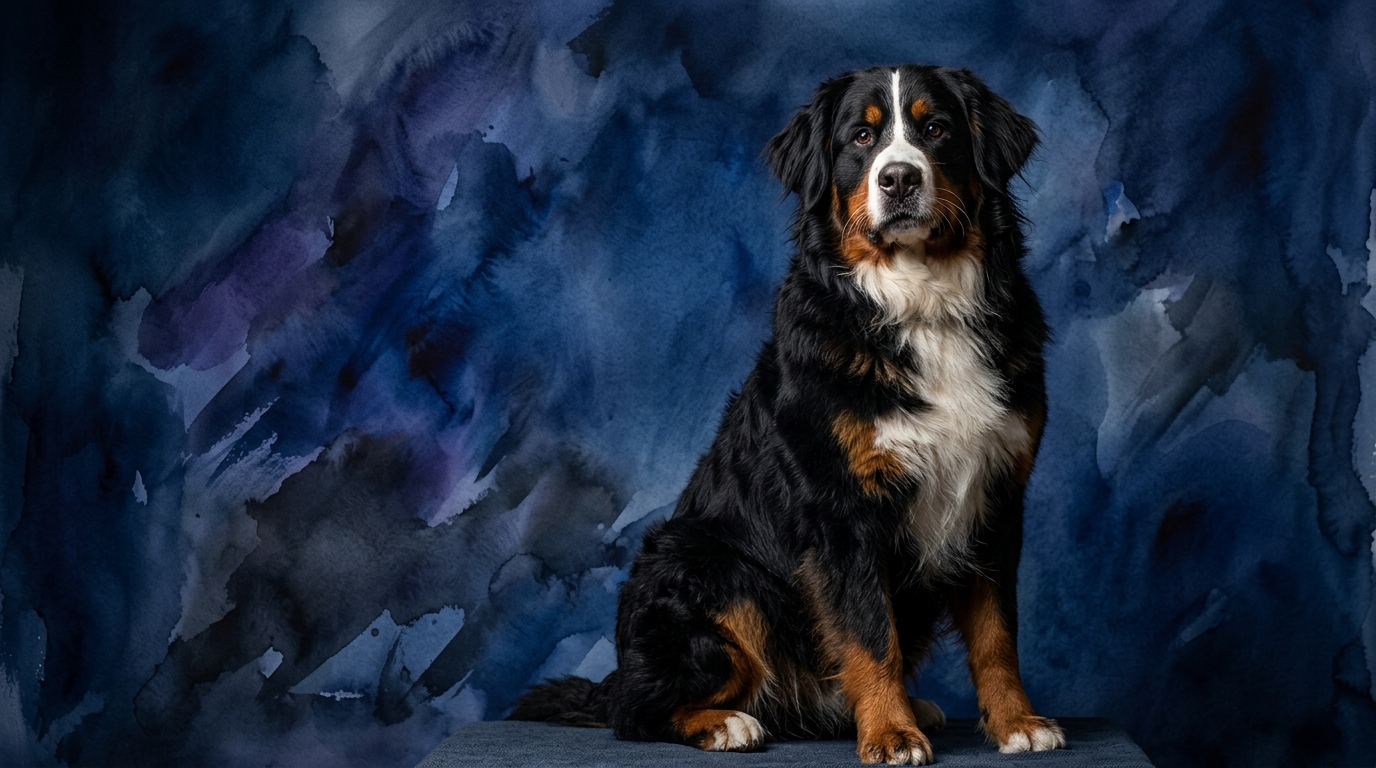
The Bernese Mountain Dog, a working breed, exhibits a cognitive profile emphasizing connection and cooperation. Their Problem Solving is 3/5, indicating practical capacity for daily challenges rather than complex abstract thought. Training Speed, at 4/5, reflects a keen willingness to learn and respond. A remarkable Social Intelligence of 5/5 highlights their exceptional ability to understand human emotions and form deep bonds. Instinctive Drive, 4/5, speaks to their farm dog heritage for purposeful work and guarding. Memory is 3/5, allowing reliable recall of behaviors.
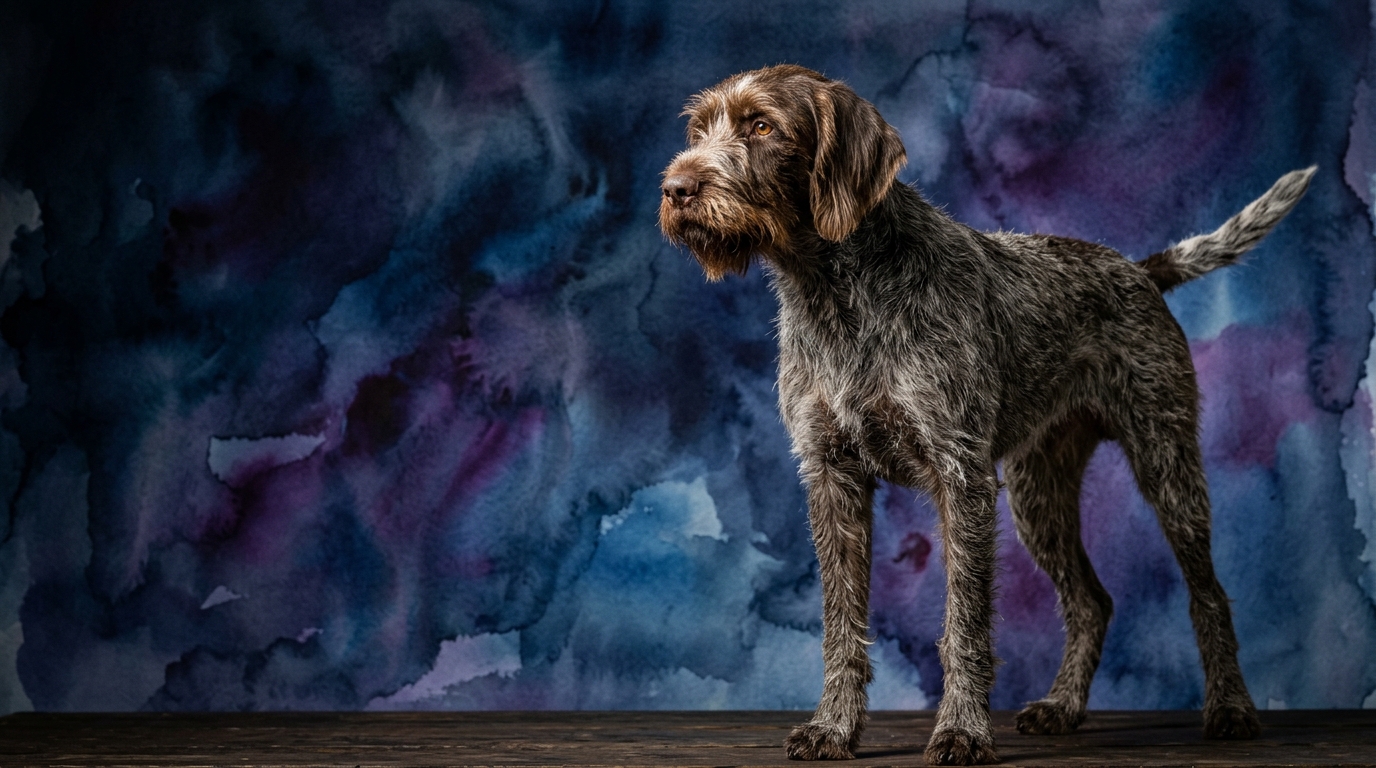
The Wirehaired Pointing Griffon, a sporting breed, possesses a cognitive makeup built for the field. Their Problem Solving is 3/5, focused on practical, task-oriented solutions for locating game. Training Speed, 3/5, indicates trainability but may require consistent, engaging methods to maintain focus, as their drive can sometimes override commands. Social Intelligence, 3/5, means they form bonds and grasp basic cues, yet lack the Bernese's deep emotional attunement. Instinctive Drive, 3/5, is specifically channeled towards pointing and retrieving, making them highly motivated in field work. Memory is 3/5, enabling effective recall of commands and terrain.
Where Bernese Mountain Dog Wins Cognitively
The Bernese Mountain Dog’s cognitive strengths truly stand out in areas of social connection and cooperative learning. With a stellar 5/5 in Social Intelligence, they possess an unparalleled capacity to read human emotions, respond to subtle cues, and form profoundly empathetic bonds. This isn't just about being friendly; it's a deep understanding of their human family's moods and intentions, making them intuitive therapy dogs and comforting presences. Their 4/5 Training Speed is directly bolstered by this social aptitude; they are eager to please and highly responsive, often requiring fewer repetitions to grasp new commands because they are so attuned to their handler's desires. This combination means a Bernese is often quicker to integrate into a family routine, understanding household rules and expectations with minimal fuss, thriving on mutual understanding and affection. Their historical role as farm dogs, working closely with people, has honed this cooperative intelligence, making them exceptional partners in tasks that require synchronized effort and a shared objective.
Where Wirehaired Pointing Griffon Wins Cognitively
While the Bernese excels in social reciprocity, the Wirehaired Pointing Griffon demonstrates a distinct cognitive edge in focused, independent task execution, particularly those tied to their sporting heritage. Their 3/5 Problem Solving, though numerically similar to the Bernese, is applied differently; it's a practical, on-the-spot intelligence for navigating complex terrain, tracking scents, and strategizing in a hunting scenario. This isn't about understanding human emotion, but about efficiently achieving a specific objective in a dynamic environment. Their Instinctive Drive, also 3/5, is precisely tailored for their pointing and retrieving work, providing an unwavering focus and stamina that the Bernese, with its more generalized working drive, might not exhibit in a field setting. Griffons possess a robust independence of thought, capable of making decisions in the field without constant handler direction, a critical trait for a successful hunting dog. This self-reliance means they are less prone to distraction by social factors when a task is at hand, allowing them to concentrate intensely on their primary objective.
Which Is Easier to Train and Why
When it comes to ease of training, the Bernese Mountain Dog generally holds a clear advantage, primarily due to their superior Social Intelligence (5/5) and Training Speed (4/5). A Bernese thrives on pleasing their human companions and is exceptionally sensitive to their owner's tone and body language. This inherent desire to cooperate makes them highly receptive to positive reinforcement and quick to pick up new commands and routines. Their social nature means they often view training as a collaborative activity, strengthening their bond with the owner. In contrast, the Wirehaired Pointing Griffon, with a Training Speed of 3/5 and Social Intelligence of 3/5, is certainly trainable but requires a different approach. Griffons possess a strong independent streak and their instinctive drives for hunting can sometimes supersede immediate handler commands. They might need more consistent, engaging, and varied training sessions to maintain interest, and their independent problem-solving can occasionally translate into finding their *own* solutions if the handler isn't clear or consistent. While a Bernese might learn a 'stay' command primarily to please, a Griffon might learn it because it directly benefits their subsequent hunting work or a valued reward.
Which Suits Active Owners vs. Relaxed Owners
The ideal owner profile diverges significantly when considering the activity levels these breeds require. The Wirehaired Pointing Griffon is unequivocally suited for active owners. As a sporting breed, their 3/5 Instinctive Drive translates into a persistent need for physical exercise and mental stimulation that taps into their hunting heritage. They thrive on long walks, runs, hikes, and engaging in canine sports like agility or scent work, ideally with opportunities for off-leash exploration in safe environments. An owner who enjoys outdoor adventures and can provide consistent outlets for their Griffon's energy and problem-solving drive will find a highly satisfied and balanced companion. Conversely, the Bernese Mountain Dog, while still needing moderate exercise to maintain health, is generally a better fit for more relaxed owners. Their 4/5 Instinctive Drive is geared towards companionship and purposeful farm-style work rather than relentless field pursuit. They enjoy daily walks, playtime in the yard, and participating in family activities, but are equally content to relax indoors with their people. Their high Social Intelligence means their primary need is for interaction and belonging, making them excellent companions for those who prioritize a deep, calm bond over constant physical exertion.
Choosing between a Bernese Mountain Dog and a Wirehaired Pointing Griffon ultimately comes down to aligning their distinct cognitive and behavioral profiles with your lifestyle and expectations. The Bernese, with its strong social intelligence and cooperative spirit, excels as a devoted family member, eager to please and quick to integrate into a communal rhythm. Their moderate activity needs and deep emotional attunement make them superb companions for those seeking a highly connected, empathetic canine presence. The Griffon, on the other hand, offers a robust, independent intelligence honed for specific tasks. Their focused drive and practical problem-solving capabilities make them an exceptional partner for active individuals or families who embrace outdoor pursuits and can provide consistent outlets for their inherent sporting instincts. Both breeds bring unique forms of brilliance to the home, but their expressions of intelligence and their requirements for fulfillment are wonderfully different.
The Verdict
Choose a Bernese Mountain Dog if you prioritize a deeply empathetic, highly trainable companion who thrives on social connection and cooperative family life, offering a calm yet purposeful presence.
Choose a Wirehaired Pointing Griffon if you seek an independent, task-oriented partner for an active outdoor lifestyle, valuing their practical problem-solving and unwavering drive for field work.
🧠 Find Your Pet's IQ Score
Our Pet IQ Lab assessment covers 25+ tests across 5 cognitive dimensions — personalized to your breed.
Take the Full IQ Test →Frequently Asked Questions
How do their problem-solving abilities compare for everyday tasks?
Both breeds have a 3/5 Problem Solving score, but they apply it differently. The Bernese uses it for practical household navigation and understanding routines, often looking to their owner for guidance. The Griffon's problem-solving is more independent and geared towards specific tasks like navigating complex terrain or strategizing during a hunt, relying less on human input for immediate solutions.
Which breed is more likely to develop separation anxiety?
Given their 5/5 Social Intelligence, Bernese Mountain Dogs are generally more prone to developing separation anxiety if left alone for extended periods. They thrive on constant human interaction and deep bonding. Wirehaired Pointing Griffons, with a 3/5 Social Intelligence and more independent nature, are less likely to suffer from severe separation anxiety, though no dog should be left isolated.
Is the Bernese Mountain Dog's higher Instinctive Drive (4/5) a challenge?
The Bernese's 4/5 Instinctive Drive is more about a desire for purposeful engagement and guarding their family than a relentless urge for physical activity. It manifests as a need for inclusion in family activities, moderate walks, and perhaps some 'work' like carrying a pack, making it generally manageable and enriching rather than a challenge.