Side-by-Side IQ Profile: Unpacking Similar Scores, Different Minds
At The Cosmic Pet Pet IQ Lab, we assess canine intelligence across five key dimensions. For both the Black and Tan Coonhound and the Ibizan Hound, each of these dimensions registers a 3/5, indicating a moderate, capable intellect. However, this identical numerical rating hides a rich tapestry of cognitive specialization dictated by their breed purpose.
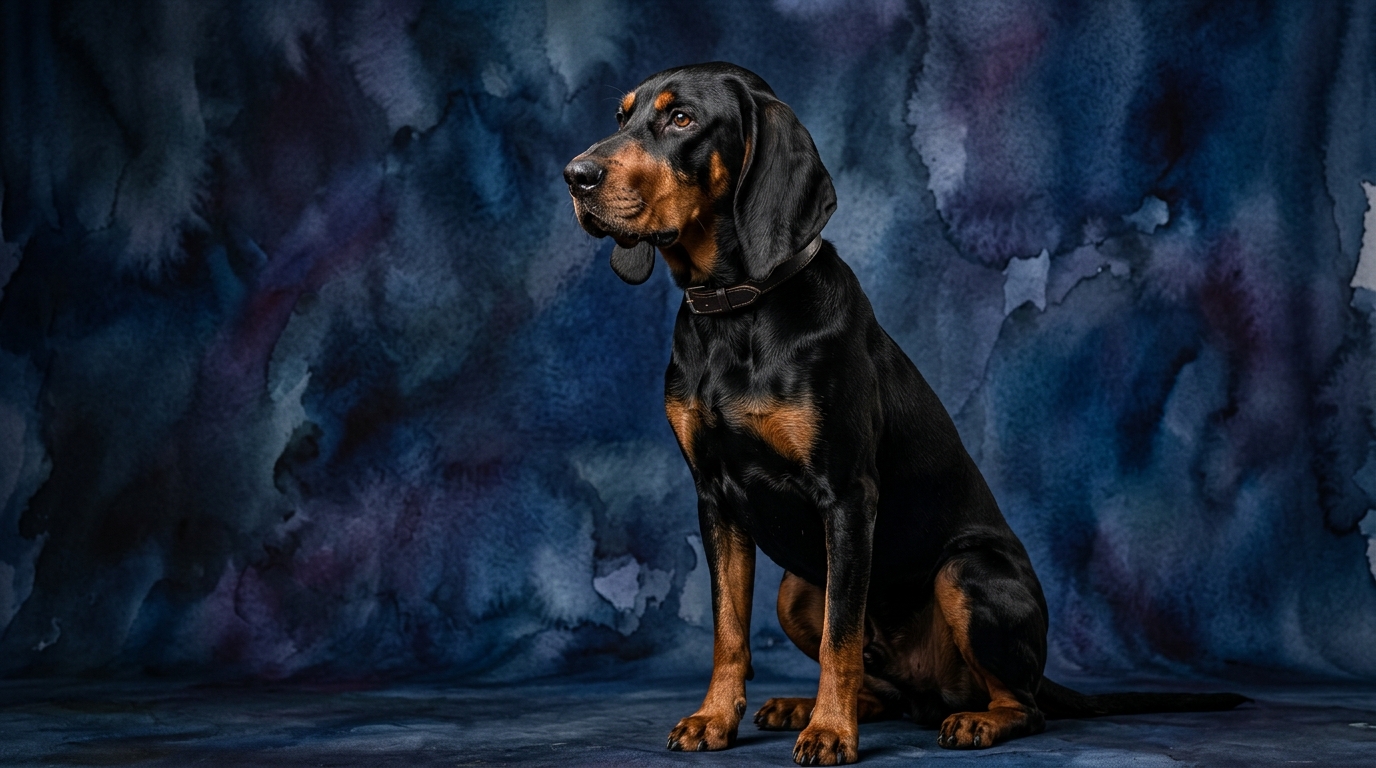
The Black and Tan Coonhound, a scent-driven breed not ranked by Coren, showcases its Problem Solving (3/5) aptitude through deciphering complex scent trails, navigating varied terrain, and persisting through obstacles to locate quarry. This relies heavily on olfactory interpretation and sustained focus, requiring a methodical approach to unraveling environmental puzzles. Their Training Speed (3/5) reflects their capacity to learn commands, though their potent olfactory drive often competes with human directives, requiring consistent, patient reinforcement to override the allure of a captivating scent. Social Intelligence (3/5) is evident in cooperative hunting dynamics within a pack and strong bonds with human family, understanding handler cues in a hunting context, though they can be reserved with strangers. Their Instinctive Drive (3/5) is profoundly geared towards tracking scent, manifesting as relentless pursuit and distinctive baying vocalizations upon finding a trail. Memory (3/5) excels in recalling specific scent patterns, complex routes, and learned commands, especially those tied to their primary tracking purpose.
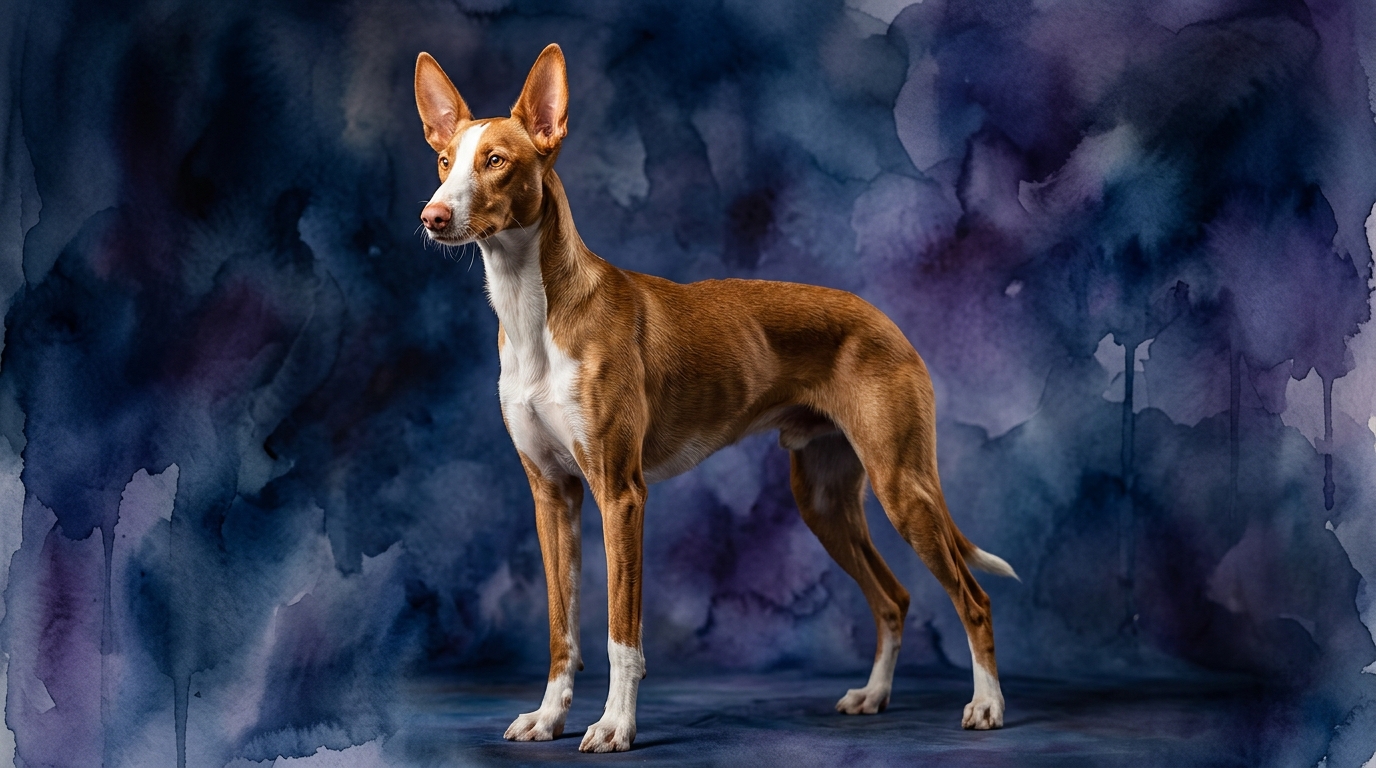
The Ibizan Hound, a visually-driven sighthound ranked #53 by Coren, demonstrates Problem Solving (3/5) through visual strategies, such as rapidly assessing a moving target's trajectory and devising optimal interception paths across diverse landscapes. This demands quick, spatial reasoning and split-second decisions based on visual stimuli. Their Training Speed (3/5), as an average working/obedience dog by Coren's metric, means they learn commands effectively, but their independent nature often means compliance is selective, requiring creative motivation. Social Intelligence (3/5) sees them forming deep, affectionate bonds with immediate family, often displaying a playful and sensitive demeanor, while tending to be reserved and observant with strangers. Their Instinctive Drive (3/5) is to chase and capture prey using sight and speed, manifesting as incredible athleticism and a keen eye for movement. Memory (3/5) is adept at recalling visual cues, remembering specific hunting areas, and retaining the sequence of events in a chase, alongside learned routines and family expectations.
Where the Black and Tan Coonhound Wins Cognitively
Despite identical numerical scores, the Black and Tan Coonhound demonstrates a cognitive edge in areas demanding sustained, singular focus and intricate olfactory interpretation. Their problem-solving, rated 3/5, shines brightest when unraveling complex scent puzzles that might span miles and hours, involving discrimination between fresh and old scents, identifying specific quarry, and adapting their search pattern based on environmental factors. This specialized cognitive function, honed over centuries for tracking game like raccoons, demands an unwavering mental tenacity that prioritizes a single sensory input. Their memory (3/5) is particularly robust for scent profiles and the geography of past successful hunts, allowing them to build an internal map of productive areas. Furthermore, their social intelligence (3/5) is finely tuned for cooperative hunting, where understanding the subtle cues of other hounds and a human handler through vocalizations and body language is paramount for a successful pursuit, excelling in a collaborative, goal-oriented cognitive framework centered around scent.
Where the Ibizan Hound Wins Cognitively
The Ibizan Hound, while sharing the same IQ metrics, exhibits distinct cognitive strengths rooted in its role as an agile sighthound. Their problem-solving (3/5) excels in dynamic, visually-driven scenarios, such as rapidly assessing a moving target's trajectory and devising an optimal interception path across varied landscapes. This requires quick, spatial reasoning and an ability to make split-second decisions based on visual input, rather than the methodical, sustained focus of a scent hound. Their instinctive drive (3/5) is expressed through unparalleled visual acuity and explosive speed, which are cognitive assets for identifying and pursuing prey from a distance. The Ibizan Hound's memory (3/5) is particularly sharp for visual landscapes and the movements of prey, allowing them to recall successful hunting strategies and terrain features. Their social intelligence (3/5), while reserved with strangers, is highly attuned to the subtle body language and energy of their immediate family, fostering deep, intuitive bonds that are crucial for a sighthound’s independent yet responsive nature, showcasing a unique blend of independent thought and responsive action in visually complex environments.
Which is Easier to Train and Why: Managing Instinct vs. Independence
Both breeds score a 3/5 in training speed, implying they are neither exceptionally quick nor particularly challenging to train, but the nature of that training experience differs significantly. The Black and Tan Coonhound's primary cognitive challenge in training stems from their overwhelming instinctive drive (3/5) for scent. While they possess good memory (3/5) for commands and can be motivated by food, any compelling scent can instantly divert their attention, making consistency crucial. Training a Coonhound often involves patiently teaching them to override or manage their potent olfactory focus, which can feel like a slower process even if they technically grasp concepts at an average pace. Their vocal nature can also be a training consideration. In contrast, the Ibizan Hound's training speed (3/5), supported by their Coren rank of 53, reflects an independent spirit rather than a sensory distraction. They comprehend commands well but often require compelling reasons to comply, as their motivation isn't always 'eager to please.' Effective training for an Ibizan Hound leverages their prey drive and playfulness, making it a game or a chase. They might learn quickly when engaged, but their selective obedience means an owner must work harder to consistently motivate them. Therefore, neither is inherently 'easier,' but the approach to training must be tailored to their distinct drives: managing scent for the Coonhound, and inspiring cooperation for the Ibizan.
Which Suits Active Owners vs. Relaxed Owners
Given their cognitive profiles and inherent drives, the Black and Tan Coonhound and the Ibizan Hound cater to different lifestyles. The Black and Tan Coonhound, with its enduring instinctive drive (3/5) for tracking and substantial stamina, is best suited for active owners who relish long walks, hikes, or even participate in scent work or tracking sports. Their cognitive need to engage their powerful nose means they thrive on consistent mental and physical exertion. A relaxed owner might find their persistent baying and unwavering pursuit of scent overwhelming without adequate outlets. They require an owner who understands and can channel their deep-seated desire to follow a trail, providing structured activities that satisfy their problem-solving (3/5) through olfactory challenges. Conversely, the Ibizan Hound, while possessing incredible bursts of speed and a strong prey drive (3/5), also appreciates periods of calm. They need active owners who can provide secure, expansive spaces for them to run freely and express their sighthound instincts, such as lure coursing or fetch in a large, fenced yard. However, once their exercise needs are met, they often transform into serene, elegant companions indoors. A more relaxed owner might struggle with their need for intense, focused bursts of activity, but they are not typically 'busy' dogs all day long. Their independent problem-solving (3/5) means they benefit from owners who respect their self-sufficiency while providing engaging, visually stimulating activities.
The Verdict
Opt for the Black and Tan Coonhound if you are an active individual or family prepared to consistently engage a powerful nose and provide outlets for relentless tracking instincts. They thrive with owners who appreciate their vocal nature and methodical problem-solving in scent-rich environments.
Select the Ibizan Hound if you seek an elegant, athletic companion requiring intense bursts of exercise in secure areas, and you appreciate an independent, visually-driven problem solver. They suit owners who value deep, quiet bonds and can channel their sighthound instincts through appropriate activities.
🧠 Find Your Pet's IQ Score
Our Pet IQ Lab assessment covers 25+ tests across 5 cognitive dimensions — personalized to your breed.
Take the Full IQ Test →Frequently Asked Questions
Do Black and Tan Coonhounds bark a lot?
Black and Tan Coonhounds are known for their distinctive 'baying' vocalization, which they use to communicate during a hunt and can extend to other situations. While not constant, their instinctive drive often leads to vocal expressions, especially if they catch an interesting scent or feel under-exercised.
Are Ibizan Hounds good with children?
Ibizan Hounds can be wonderful family dogs and are generally good with respectful children, especially if raised with them. They are often gentle and playful with their family, though their reserved nature with strangers means they might not be immediately effusive with visiting kids.
How much exercise do these breeds need daily?
Both breeds require significant daily exercise, though the type differs. Black and Tan Coonhounds need long, consistent walks or hikes to satisfy their tracking instincts, often 60-90 minutes. Ibizan Hounds need opportunities for intense, short bursts of running in a secure, fenced area, in addition to regular walks, totaling 45-60 minutes of focused activity.