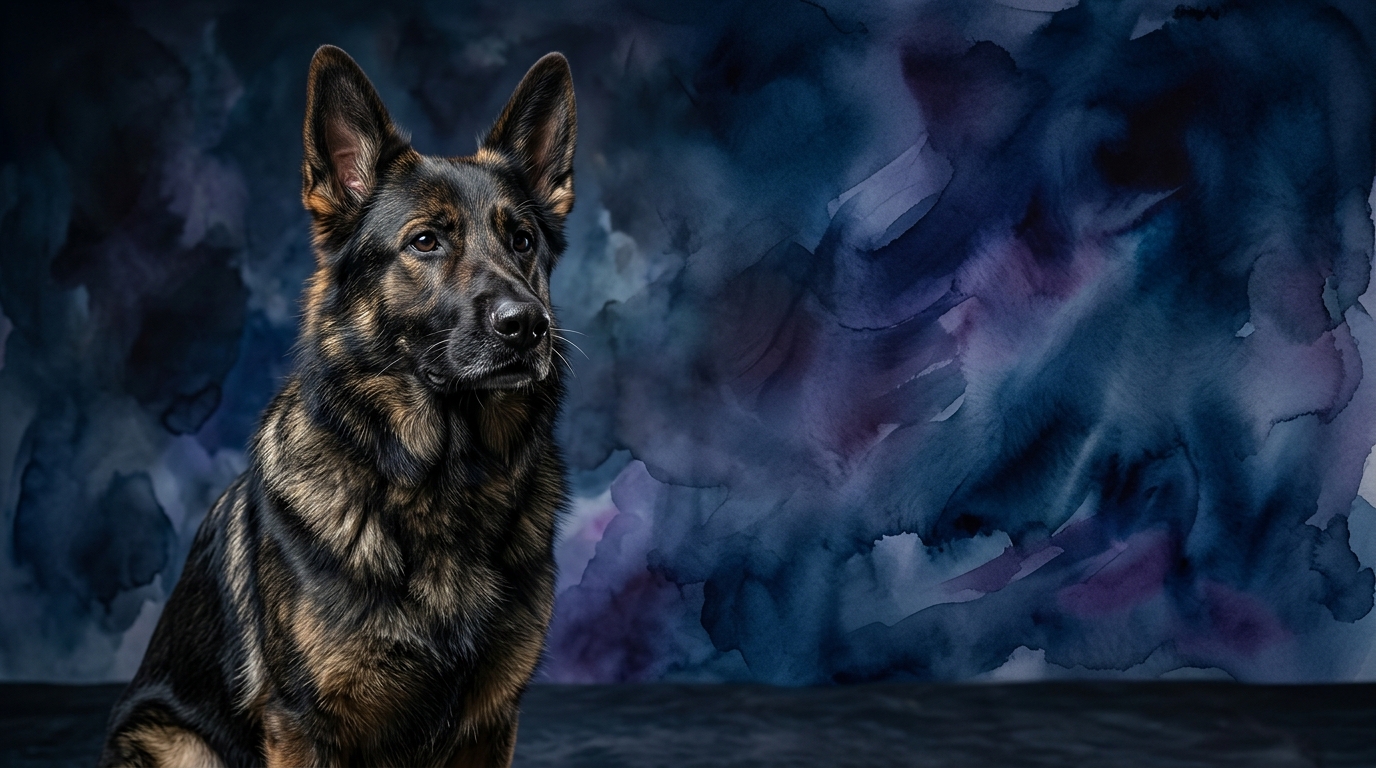
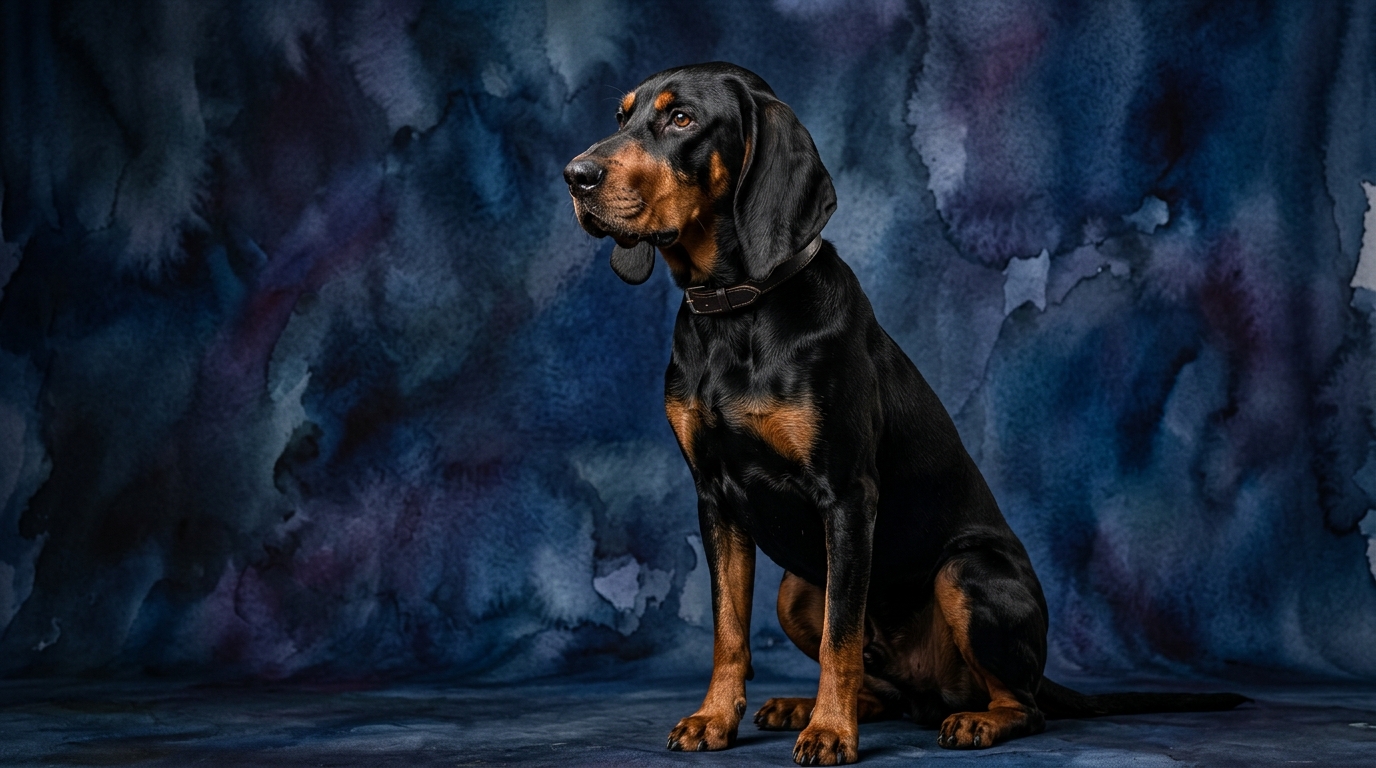
Side-by-Side IQ Profile: German Shepherd vs. Black and Tan Coonhound
The Cosmic Pet Pet IQ Lab employs a five-dimensional framework to assess canine intelligence, moving beyond simple obedience to encompass a holistic view of cognitive function. Let's examine how the German Shepherd and the Black and Tan Coonhound measure up.
For the **German Shepherd**, their scores are consistently high across the board. Their **Problem Solving (5/5)** indicates a capacity for complex, multi-step tasks, abstract thought, and strategic adaptation to novel situations, often demonstrating a comprehensive understanding of cause and effect. **Training Speed (5/5)** reflects their remarkable ability to rapidly acquire new commands, understand cues, and generalize learned behaviors, making them highly receptive to instruction. Their **Social Intelligence (5/5)** manifests as a profound ability to interpret human body language, vocal tones, and intentions, fostering deep cooperative bonds and an almost intuitive understanding of human needs. **Instinctive Drive (5/5)** is characterized by powerful herding, guarding, and protective instincts, coupled with an intense desire for purpose-driven work and mental engagement. Finally, their **Memory (5/5)** allows for excellent recall of vast repertoires of commands, intricate routines, and past experiences, contributing to their reliability and consistency in performance.
The **Black and Tan Coonhound**, while not Coren-ranked, presents a unique cognitive profile reflecting their specialized heritage. Their **Problem Solving (3/5)** is primarily focused on their scenting prowess; they excel at unraveling complex scent trails and navigating challenging terrain to locate a target, but may show less generalized cognitive flexibility in abstract, non-scent-related puzzles. **Training Speed (3/5)** suggests they can learn commands, but often require more repetition and patience than some breeds, as their independent nature and powerful nose can sometimes override traditional obedience cues. Their **Social Intelligence (3/5)** points to a strong pack orientation, forming deep bonds with their human family and other canine companions, though they might be less attuned to subtle human social cues when a compelling scent is present. The **Instinctive Drive (3/5)** of a Coonhound is overwhelmingly dominated by their scenting and tracking impulse; their drive is powerful and persistent, but highly specialized towards trailing quarry, rather than a broad spectrum of 'work' like herding or guarding. Their **Memory (3/5)** is particularly strong for scent patterns, geographical locations related to trails, and the specific nuances of their quarry, but may be less robust for arbitrary sequences of human commands without consistent reinforcement.
Where the German Shepherd Wins Cognitively
The German Shepherd's cognitive strengths lie in their unparalleled adaptability and generalized learning capacity. Their ability to quickly grasp abstract concepts and apply them across diverse scenarios sets them apart. They excel at deciphering complex human instructions, anticipating next steps in a sequence, and adjusting their behavior dynamically to achieve a desired outcome. This breed demonstrates superior multi-tasking, processing various sensory inputs while simultaneously executing precise commands, a testament to their high problem-solving and training speed scores. Their profound social intelligence allows for finely tuned communication and collaboration with humans, making them exceptional partners in intricate tasks.
Where the Black and Tan Coonhound Wins Cognitively
The Black and Tan Coonhound’s cognitive prowess shines in its specialized sensory intelligence and unwavering focus. Their olfactory problem-solving is exceptionally sophisticated, enabling them to follow ancient, faint, or highly intermingled scent trails with astonishing accuracy and persistence. This breed demonstrates remarkable independent decision-making within their specialized field, capable of navigating challenging environments and overcoming obstacles to pursue a scent without constant human direction. Their instinctive drive, while specific, allows for a single-minded dedication to task, an incredible cognitive endurance that few breeds can match when their nose is engaged.
Which is Easier to Train and Why?
The German Shepherd is generally considered easier to train for a wide variety of tasks due to their exceptional training speed and eager-to-please temperament. Their high social intelligence means they are acutely tuned into human directives and motivations, making them highly receptive to positive reinforcement and clear communication. They thrive on having a job and excel at learning complex obedience, agility, and protection work, rapidly internalizing commands and routines. Their innate desire for cooperation and purpose simplifies the training process significantly.
Conversely, the Black and Tan Coonhound, while trainable, presents a more significant challenge for many owners. Their lower training speed score reflects their independent nature and powerful, often overwhelming, scent drive. When a compelling scent is present, their focus can become singularly devoted to tracking, making it difficult to redirect their attention to human commands. Training a Coonhound requires immense patience, consistency, and an understanding that their primary motivation is often their nose, not necessarily human approval. Early and consistent positive reinforcement, coupled with engaging their natural scenting abilities in training, is crucial.
Which Suits Active Owners vs. Relaxed Owners?
The German Shepherd is an ideal companion for active owners who relish a partnership in training, outdoor adventures, and mental stimulation. They require consistent mental engagement and physical exercise to thrive, making them suitable for individuals or families committed to daily structured activities like obedience training, dog sports, long hikes, or even protection work. Their cognitive needs demand an owner who enjoys teaching and problem-solving alongside their dog, ensuring their sharp mind remains challenged and content.
The Black and Tan Coonhound, while requiring substantial physical activity, particularly for scent work, can suit owners who appreciate a more independent companion. They need ample opportunity to indulge their powerful nose on long, meandering walks or dedicated scent-tracking exercises in secure areas. While less demanding in terms of structured obedience training sessions, their physical exercise requirements are significant. Owners who enjoy exploring nature and are patient with a dog whose primary agenda is often dictated by intriguing smells will find a loyal, if occasionally single-minded, companion.
The Verdict
Choose a German Shepherd if you seek a highly cooperative, versatile partner for complex tasks, consistent training, and profound social interaction. They excel when given a clear purpose and mental challenge, forming an incredibly responsive bond.
Opt for a Black and Tan Coonhound if you appreciate a dog with specialized, instinct-driven intelligence, a strong independent streak, and a passion for scent work. They thrive with owners who can accommodate their powerful olfactory drive and enjoy their unique, sometimes stubborn, charm.
🧠 Find Your Pet's IQ Score
Our Pet IQ Lab assessment covers 25+ tests across 5 cognitive dimensions — personalized to your breed.
Take the Full IQ Test →Frequently Asked Questions
Do Black and Tan Coonhounds make good family pets?
Yes, Black and Tan Coonhounds can be wonderful family pets, known for their affectionate nature with their human pack. They are generally good with children and other dogs, but their strong prey drive means careful introductions to smaller pets are essential. Their vocal nature, including their distinctive baying, is also something to consider for family life.
Are German Shepherds good with children?
German Shepherds can be excellent with children when properly socialized and trained from a young age. Their protective instincts can make them devoted family guardians, but their strong drive and energy require supervision around very young children. Early exposure to various situations helps them become well-adjusted family members.
What kind of mental stimulation do these breeds need?
German Shepherds require diverse mental challenges like advanced obedience, puzzle toys, and learning new tricks to satisfy their high problem-solving capacity. Black and Tan Coonhounds, on the other hand, benefit most from activities that engage their powerful nose, such as scent work games, tracking, and long walks where they can follow interesting smells, fulfilling their instinctive drive.