Side-by-Side IQ Profile: Unpacking Identical Scores
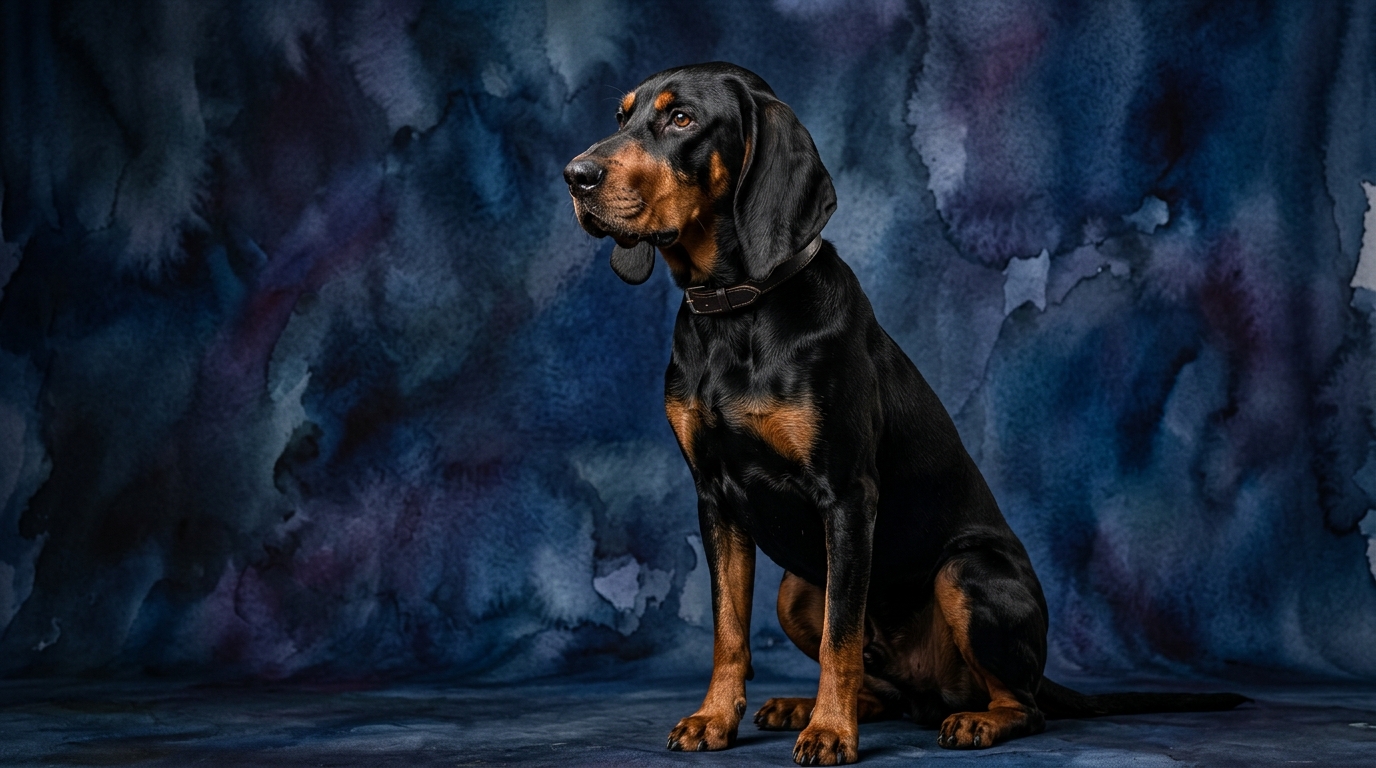
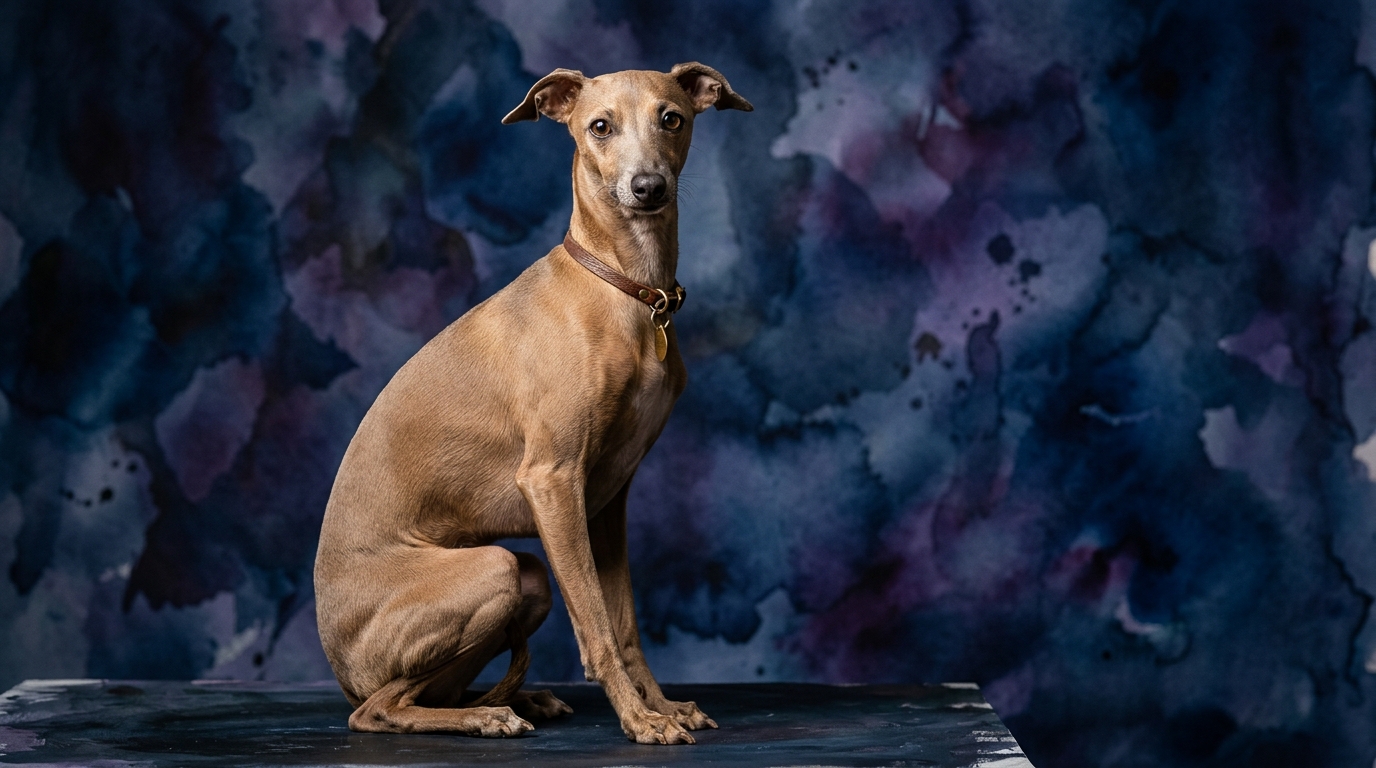
The Cosmic Pet Pet IQ Lab assesses five key cognitive dimensions, and both the Black and Tan Coonhound and the Italian Greyhound score 3/5 in each. This identical numerical outcome, however, masks a world of difference in how these capacities manifest within each breed's unique context and drives.
For the Black and Tan Coonhound, their cognitive profile is deeply intertwined with their heritage as a working scent hound.
Problem Solving (3/5): This score reflects their practical, task-oriented approach to challenges, such as navigating complex woodland terrain or interpreting subtle changes in a scent trail to locate quarry. Their problem-solving is often tied to sustained focus and overcoming environmental obstacles during tracking.
Training Speed (3/5): A 3/5 in training speed for this breed speaks to their independent nature; while capable of learning, their strong instinctive drive, particularly when on a scent, can make them appear stubborn. They learn best with consistent, positive reinforcement that acknowledges their powerful focus on the environment's rich tapestry of smells.
Social Intelligence (3/5): For the Coonhound, social intelligence largely revolves around understanding their human handler's cues in a working context or interacting within a pack. They read intentions related to shared activity or routine, often expressing affection through physical presence and shared outdoor adventures.
Instinctive Drive (3/5): This score reflects an incredibly powerful and persistent scenting drive. Once they lock onto a trail, their focus becomes almost singular, driven by centuries of selective breeding for tracking, manifesting as enduring curiosity for smells and an unwavering determination.
Memory (3/5): The Black and Tan Coonhound's memory is robust, especially concerning spatial information and scent recognition. They can recall complex scent trails, remember the location of previous finds, and retain training cues, particularly if consistently associated with rewarding outcomes or their natural drives.
The Italian Greyhound, by contrast, demonstrates a cognitive profile shaped by centuries of companionship and a sighthound's agility.
Problem Solving (3/5): The Italian Greyhound's problem-solving at 3/5 is often geared towards their comfort and social needs, such as figuring out how to burrow deepest under blankets or manipulating a human to get attention or a treat. Their solutions tend to be swift and efficient, driven by immediate gratification or comfort.
Training Speed (3/5): A 3/5 for training speed indicates they are sensitive and can learn quickly with the right approach, responding best to gentle, positive reinforcement. Their eagerness to please their beloved human often fuels their learning, but their attention span can be short if something more interesting appears.
Social Intelligence (3/5): Italian Greyhounds are deeply attuned to their human companions, and their 3/5 score reflects this profound connection. They are adept at reading human body language, tone of voice, and even subtle shifts in mood, often adjusting their behavior accordingly and thriving on companionship.
Instinctive Drive (3/5): For the Italian Greyhound, this score encompasses their sighthound heritage to chase small, fast-moving objects, demonstrating bursts of incredible speed. Beyond this chase drive, their instincts also lean heavily towards seeking warmth, comfort, and close physical proximity to their human family.
Memory (3/5): The Italian Greyhound's memory at 3/5 is excellent for routines, people, and places associated with comfort and security. They will remember where treats are kept, the schedule for walks, and which family members are most likely to provide cuddles, influencing their future interactions.
Where the Black and Tan Coonhound Wins Cognitively
Despite identical overall IQ scores, the Black and Tan Coonhound demonstrates distinct cognitive strengths rooted in their working heritage. Their superior capacity for sustained, single-minded focus on a complex sensory task, particularly scent discrimination, is a clear cognitive advantage. A Coonhound can meticulously unravel a cold scent trail over varied terrain for hours, processing a vast array of olfactory information to isolate a specific target odor. This isn't just about having a good nose; it's about the cognitive endurance to process and interpret that information over long periods, filtering out countless distractions from the environment.
Where the Italian Greyhound Wins Cognitively
Conversely, the Italian Greyhound exhibits a different set of cognitive advantages, primarily centered around their role as a companion. Their nuanced social perceptiveness and adaptability to human routines often surpass the more task-oriented Coonhound. An Italian Greyhound can be exquisitely sensitive to subtle shifts in a human's emotional state, often responding with comforting gestures or a quiet presence, showcasing a refined understanding of interpersonal dynamics. They are highly adept at learning and adhering to complex household schedules and unspoken rules, quickly understanding which behaviors elicit desired outcomes from their human family.
Which is Easier to Train and Why
Determining which breed is 'easier' to train is less about raw capacity and more about aligning training methods with their inherent motivations and behavioral tendencies. The Italian Greyhound, with their strong desire for human companionship and comfort, often responds well to positive reinforcement and gentle guidance. They learn quickly in short, engaging sessions because they are eager to please their beloved people and seek warmth and affection. However, their sensitivity means harsh corrections or inconsistent training can lead to anxiety or stubbornness, and their sighthound instinct means off-leash reliability can be a significant challenge, as a distant moving object will often override commands.
The Black and Tan Coonhound, while equally capable of learning, presents a different training dynamic. Their powerful instinctive drive to follow a scent means they can be incredibly independent and easily distracted by environmental stimuli. Training a Coonhound requires immense patience, consistency, and an understanding that their nose often dictates their priorities. They are motivated by rewards that align with their drives, such as opportunities to scent or explore, rather than solely by a desire to please. Achieving reliable recall or focus in a stimulating outdoor environment demands a dedicated, long-term commitment to counter-conditioning their natural inclinations. For a novice owner seeking a dog that prioritizes handler attention over environmental exploration, the Italian Greyhound might feel 'easier' to train initially, despite both breeds sharing a 3/5 training speed score.
Which Suits Active Owners vs. Relaxed Owners
The choice between these two breeds for active versus relaxed owners hinges entirely on the type of activity sought. The Black and Tan Coonhound is unequivocally suited for active owners who relish outdoor adventure. They possess remarkable stamina and require substantial daily exercise, ideally involving opportunities to explore varied terrain and engage their powerful sense of smell. Owners who enjoy long hikes, scent work, or extended outdoor rambles will find a Coonhound to be an enthusiastic and enduring companion. A relaxed owner, or one unable to provide consistent, vigorous outdoor activity, would likely find a Coonhound to be restless and potentially destructive indoors due to pent-up energy.
Conversely, the Italian Greyhound is a superb match for owners who appreciate a blend of moderate activity and significant periods of relaxed companionship. While they enjoy short bursts of play, sprinting around a secure yard, or a brisk walk, their delicate build and sensitivity to cold mean they are primarily indoor dogs. They excel as couch companions, thriving on close physical contact and quiet moments with their family. An active owner seeking a running partner for miles would likely find an Italian Greyhound physically unsuited for such demands. Instead, their ideal owner is one who enjoys indoor games, short walks, and values a devoted, affectionate presence by their side for much of the day.
The Verdict
Choose the Black and Tan Coonhound if you are an active, patient owner who embraces outdoor adventure and is prepared to channel a powerful, independent scent drive through consistent training and ample exercise.
Choose the Italian Greyhound if you are a relaxed owner seeking a devoted, sensitive companion who thrives on close indoor companionship, gentle play, and appreciates a dog attuned to their emotional rhythms.
🧠 Find Your Pet's IQ Score
Our Pet IQ Lab assessment covers 25+ tests across 5 cognitive dimensions — personalized to your breed.
Take the Full IQ Test →Frequently Asked Questions
Do Black and Tan Coonhounds bark a lot?
Black and Tan Coonhounds are known for their distinctive baying, a deep, melodious sound they use to alert their handlers during tracking. While not constant, they will vocalize when on a scent, when excited, or to communicate, which can be frequent in certain situations.
Are Italian Greyhounds good with children?
Italian Greyhounds can be good with older, respectful children who understand their delicate nature and need for gentle handling. Due to their fragile bones, boisterous play with very young children is generally not recommended, as accidental injury could occur.
Can Black and Tan Coonhounds live in apartments?
While physically adaptable, a Black and Tan Coonhound's high exercise requirements and vocal nature make apartment living challenging without significant dedication to daily, vigorous outdoor activity and training to manage their baying. A home with a securely fenced yard is generally more suitable.