Side-by-Side IQ Profile: Unpacking Identical Scores
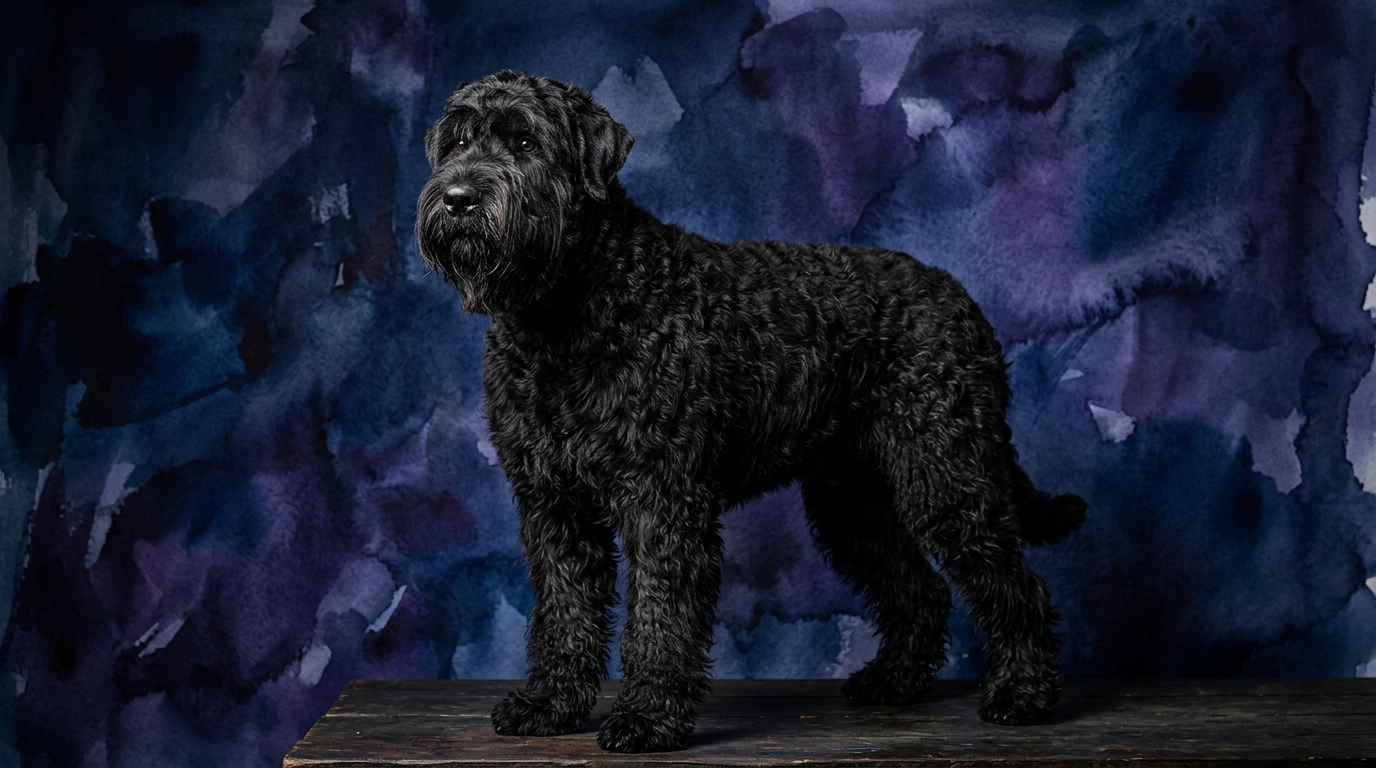
Both the Black Russian Terrier (BRT) and the Italian Greyhound (IG) register a consistent 3/5 across all five dimensions of our IQ assessment: Problem Solving, Training Speed, Social Intelligence, Instinctive Drive, and Memory. This shared numerical value doesn't suggest identical mental processes, but rather a similar level of functional competence applied within their distinct breed contexts. For the Black Russian Terrier, a Working breed, a 3/5 in Problem Solving might manifest as a methodical approach to navigating complex environments or assessing potential threats during patrol, utilizing their physical prowess to overcome obstacles. Their solutions are often robust and direct, reflecting their original purpose as military dogs.
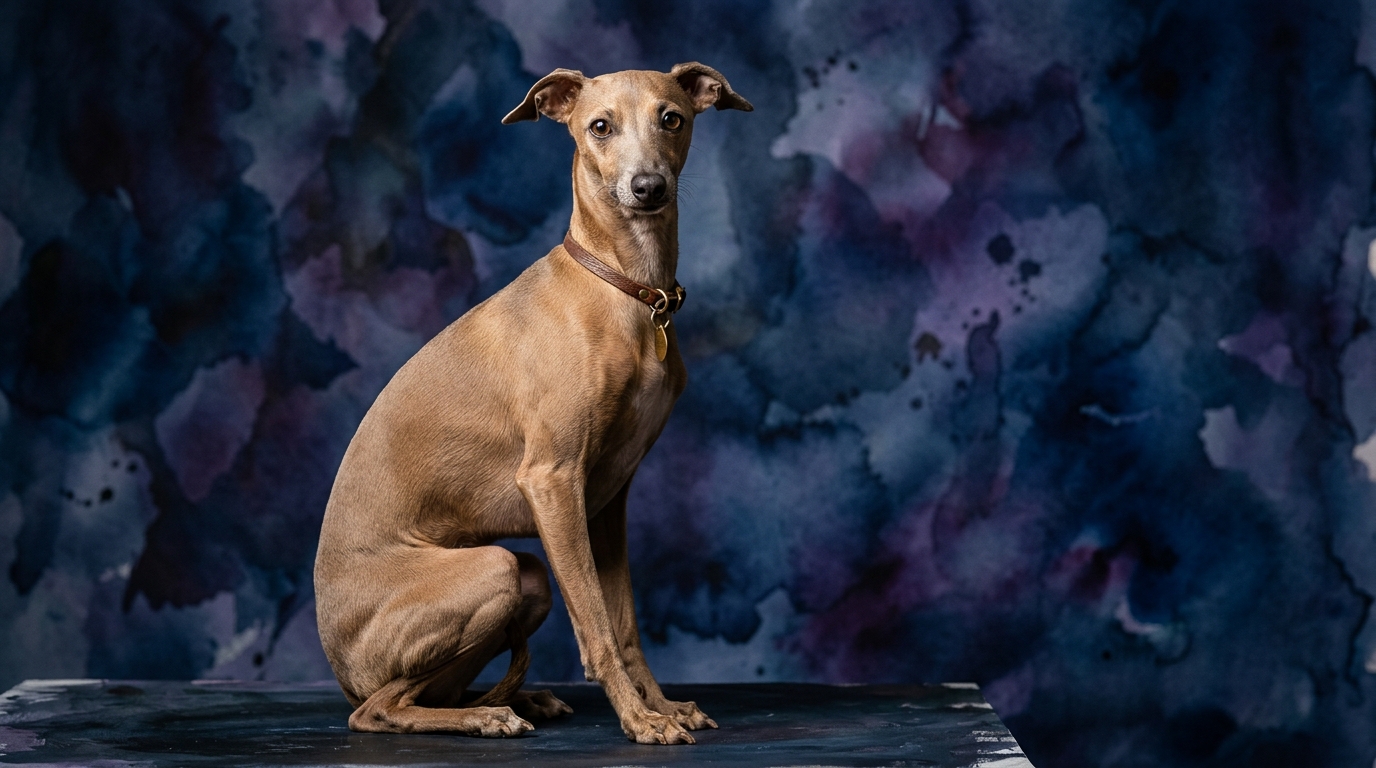
Conversely, an Italian Greyhound, a Toy breed, might apply their 3/5 Problem Solving to more nuanced, domestic challenges: cleverly finding the warmest spot for a nap, subtly communicating their desires for attention, or navigating the intricate social dynamics of a multi-pet household. Their solutions are often agile and discreet, prioritizing comfort and companionship. In Training Speed, both breeds learn at a moderate pace. For the BRT, this means consistent, clear instruction, often requiring a firm but fair hand to channel their independent spirit. For the IG, it means patient, positive reinforcement, as their sensitive nature can be easily discouraged by harsh methods. Their motivation might differ significantly, with the BRT driven by task completion and the IG by comfort and affection.
Social Intelligence at 3/5 means both breeds can read and respond to human cues. A BRT might excel at understanding commands and assessing strangers, crucial for their guarding roles, interpreting intentions with a serious demeanor. An IG, however, often displays a profound empathy, picking up on subtle emotional shifts in their human companions, leveraging their charm to foster close bonds. Their Instinctive Drive, while both rated 3/5, points to divergent innate behaviors. The BRT possesses a strong protective and territorial drive, a legacy of their military origins, coupled with a desire to 'work' or have a purpose. The IG, a sighthound, retains a significant prey drive for small, fast-moving objects, alongside a powerful instinct for comfort and close human contact. Finally, a 3/5 Memory indicates both breeds retain information effectively. The BRT might remember complex routines, boundaries, and learned threats over long periods, vital for their working capacity. The IG will remember routines related to their comfort, feeding schedules, preferred sleeping spots, and the people who provide them the most affection, often with uncanny precision.
Where the Black Russian Terrier Wins Cognitively
The Black Russian Terrier’s cognitive strengths shine in scenarios demanding resilience, strategic guarding, and robust task execution. Their 3/5 Problem Solving, paired with their impressive physical stature and instinctive drive, allows them to excel in situations requiring a more formidable presence. For example, a BRT might more effectively 'problem solve' how to deter an unwelcome visitor or navigate a physically demanding agility course designed for larger breeds. Their memory for complex sequences and boundaries, combined with their inherent protective instincts, makes them particularly adept at understanding and maintaining territorial integrity, remembering exactly which areas are 'theirs' to oversee.
Their social intelligence, while not overtly effusive, is geared towards understanding hierarchy and purpose, enabling them to integrate into a family structure with a clear sense of duty. This cognitive framework makes them more suited for roles where discernment and a strong presence are paramount, such as protection work or managing a large property. They process information with a certain gravitas, often taking a moment to assess before acting, a trait invaluable in a guardian.
Where the Italian Greyhound Wins Cognitively
The Italian Greyhound's cognitive advantages are evident in their refined social interactions and their ability to thrive in a close domestic setting. Their 3/5 Social Intelligence allows them to form incredibly deep, intuitive bonds with their human companions, often anticipating needs and moods with surprising accuracy. An IG might 'problem solve' how to best comfort a distressed owner or cleverly manipulate a situation to gain a coveted spot on the sofa, demonstrating a nuanced understanding of household dynamics. Their solutions are often subtle and charming, leveraging their inherent appeal.
Their memory, while equally rated 3/5, is particularly strong for routines related to comfort and affection, making them excellent at remembering specific times for cuddles or walks. The IG's instinctive drive, focused on companionship and warmth, means their cognitive faculties are finely tuned to seek out and maintain these bonds. They excel in environments where their sensitivity and desire for connection are valued, processing social cues with a delicate precision that can be easily overlooked in larger, more independent breeds.
Which is Easier to Train and Why
Despite both breeds having a 3/5 Training Speed, the perceived ease of training can differ significantly due to their behavioral predispositions. The Black Russian Terrier, with its powerful build and independent working dog heritage, often requires a more experienced handler. Their cognitive process during training involves assessing the command's purpose and their own motivation, which can sometimes lead to a 'what's in it for me?' attitude. While they learn commands efficiently, their sheer physical strength and stubborn streak mean that consistency, firmness, and varied, engaging tasks are crucial to prevent them from becoming bored or deciding to test boundaries. Their memory for past training sessions, both positive and negative, is robust, making early, clear training paramount.
The Italian Greyhound, on the other hand, while equally rated in training speed, responds best to gentle, positive reinforcement methods. Their sensitivity means harsh corrections can be counterproductive, potentially leading to shutdown or avoidance. Training an IG often feels easier in terms of managing their physical presence, but requires a keen understanding of their desire for comfort and companionship as primary motivators. They are acutely attuned to their owner's emotions, and a positive, encouraging tone will yield much better results. Their relatively short attention span, especially as puppies, means training sessions need to be brief, fun, and frequent, capitalizing on their memory for positive associations rather than rote repetition.
Which Suits Active Owners vs. Relaxed Owners
The Black Russian Terrier, despite identical cognitive scores, definitively leans towards owners who can provide substantial activity and mental engagement. Their 3/5 Instinctive Drive translates into a need for purpose and structured exercise. Owners who enjoy long, vigorous walks, dog sports like obedience or protection work, or who have a large property to patrol will find a BRT's cognitive and physical needs align well. Their memory for complex routes and tasks means they thrive on consistent routines and challenges that allow them to utilize their problem-solving skills in a practical, physical manner. A relaxed owner who cannot meet these demands might find a BRT becomes bored and potentially destructive, as their robust cognitive energy seeks an outlet.
The Italian Greyhound, while possessing a sighthound's burst of energy, is generally better suited for more relaxed owners who prioritize companionship and indoor comfort. Their 3/5 Instinctive Drive is more focused on close human interaction and warmth, making them content with shorter, supervised bursts of play and plenty of cuddling. While they enjoy a good sprint in a secure area, their delicate build and preference for soft surfaces mean they are not suited for strenuous, prolonged outdoor activities. Their social intelligence and memory for comfort-related routines mean they thrive on a predictable, cozy home life, making them ideal for individuals or families seeking a devoted, low-impact companion who prefers to 'work' by offering affection and warmth.
The Verdict: When to Choose Each
The Verdict
Choose the Black Russian Terrier if you are an experienced, active owner seeking a formidable, protective companion who thrives on purpose, robust physical activity, and consistent, firm guidance to channel their substantial cognitive and physical prowess.
Opt for the Italian Greyhound if you are a more relaxed owner seeking a sensitive, affectionate, and elegant companion who thrives on close human companionship, indoor comfort, and gentle, positive reinforcement in a calm domestic setting.
🧠 Find Your Pet's IQ Score
Our Pet IQ Lab assessment covers 25+ tests across 5 cognitive dimensions — personalized to your breed.
Take the Full IQ Test →Frequently Asked Questions
Do identical IQ scores mean these breeds are equally 'smart'?
No, identical 3/5 scores indicate a similar level of functional competence within their respective breed contexts. The types of problems they solve, how they learn, and what motivates them differ significantly, reflecting their historical roles and inherent temperaments.
Which breed is better for a first-time dog owner?
The Italian Greyhound is generally more suitable for a first-time owner due to their smaller size, more manageable exercise needs, and profound desire for companionship. The Black Russian Terrier's strength, independence, and strong protective instincts often require a more experienced handler.
How does 'Instinctive Drive' at 3/5 differ between these two breeds?
For the BRT, 3/5 Instinctive Drive manifests as strong protective, territorial, and working drives, requiring outlets for these deep-seated behaviors. For the IG, it signifies a strong sighthound prey drive and an intense drive for comfort and close human companionship, guiding their daily actions and preferences.