Side-by-Side IQ Profile: Interpreting Identical Scores
At first glance, the identical scores of 3/5 across all cognitive dimensions for both the Black Russian Terrier (BRT) and the Toy Fox Terrier (TFT) might suggest a similar mental makeup. However, these scores are a measure of potential and aptitude, which are applied and expressed through the lens of each breed's inherent temperament and physical capabilities. Understanding these nuances is crucial to appreciating their distinct cognitive strengths.
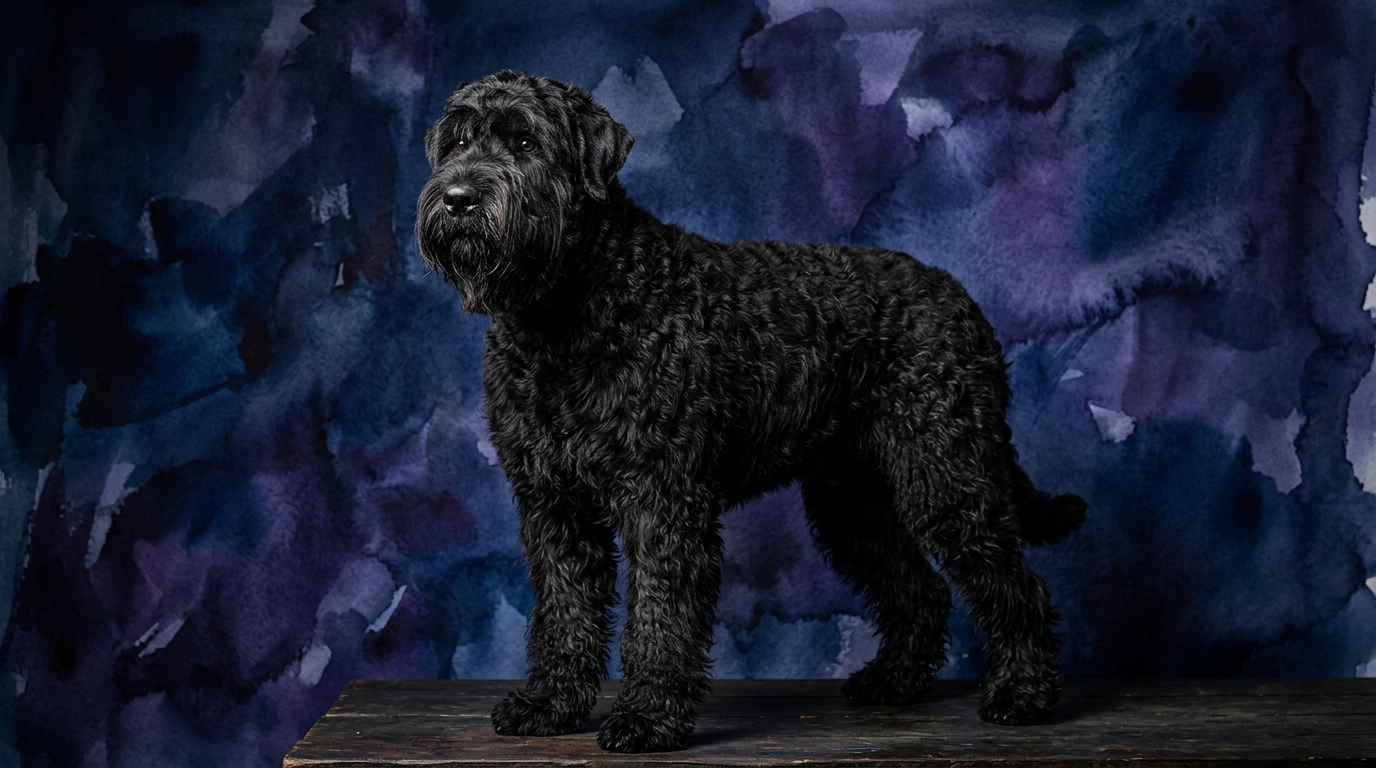
For the **Black Russian Terrier**, a 3/5 in Problem Solving indicates a moderate capacity to navigate complex situations, often applied to tasks involving protection or strategy within their environment. Their Training Speed at 3/5 suggests they learn new commands at a steady pace, requiring consistent methods to integrate new information into their robust working mindset. Social Intelligence, also 3/5, points to a discerning understanding of their human family's cues and intentions, often accompanied by a cautious approach to strangers. Their Instinctive Drive, rated 3/5, strongly leans towards guarding and territorial protection, a fundamental aspect of their breed's purpose. Finally, a Memory score of 3/5 signifies a solid ability to retain learned behaviors and past experiences, contributing to their reliability in established routines.
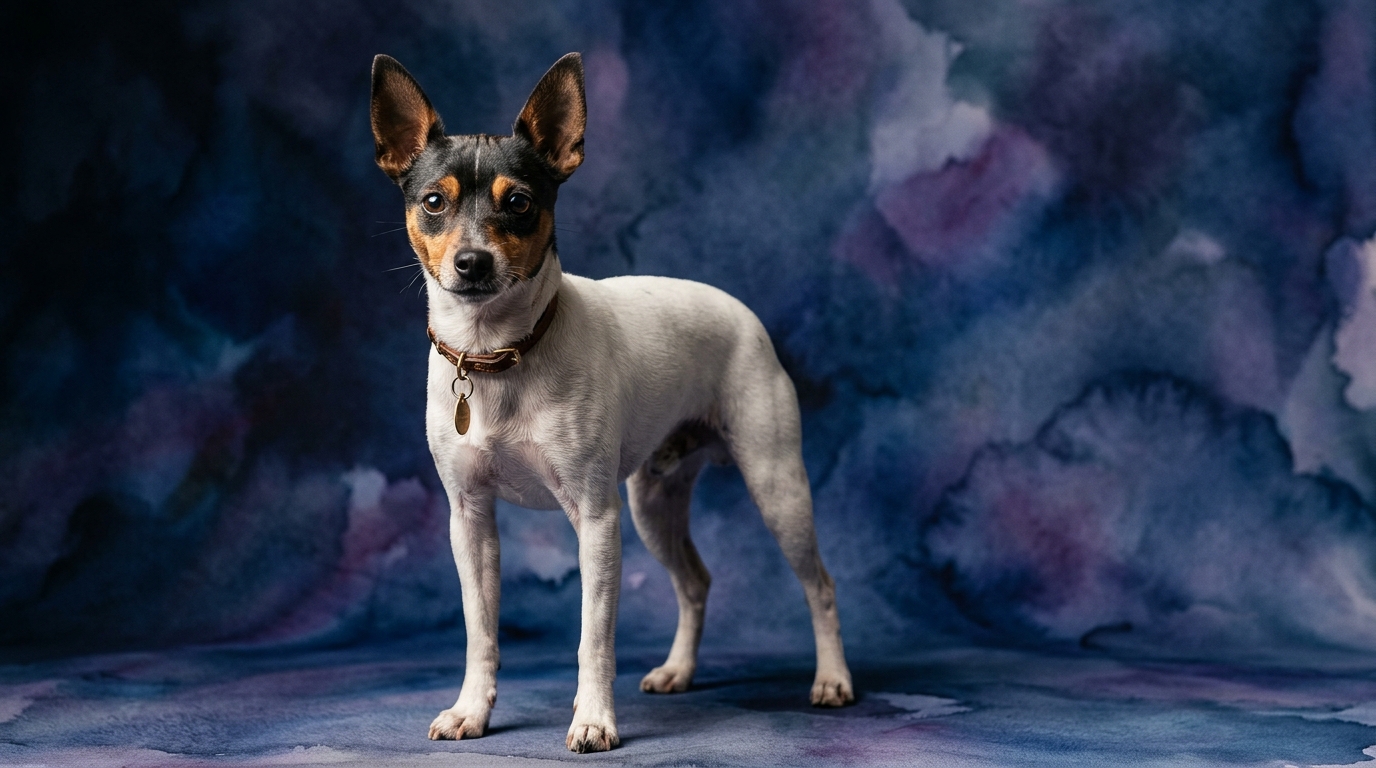
The **Toy Fox Terrier** also registers 3/5 in Problem Solving, but this often translates into cleverness in navigating household dynamics or figuring out how to achieve desired outcomes, like obtaining a treat or securing a prime napping spot. Their Training Speed of 3/5 means they are generally receptive to learning, often responding well to positive reinforcement for tricks and basic obedience, though their terrier tenacity can sometimes lead to independent thought. A 3/5 in Social Intelligence reflects their keen awareness of human emotions and social interactions, frequently using their charm to engage their companions. Their Instinctive Drive, also 3/5, often manifests as a strong prey drive towards small vermin and a lively, alert demeanor, making them excellent, albeit vocal, watchdogs for their size. Their Memory at 3/5 supports their ability to remember routines, past training, and where the best sunbeams fall.
Where the Black Russian Terrier Excels Cognitively
While both breeds share a 3/5 in problem-solving, the Black Russian Terrier's larger stature and working heritage mean its cognitive efforts are directed towards more robust, physically demanding challenges. This breed might excel in tasks requiring strategic assessment of a perimeter or understanding multi-step protective scenarios, leveraging its moderate problem-solving alongside its inherent protective instincts. For instance, a BRT's 3/5 problem-solving might enable it to methodically investigate an unusual sound in the yard, evaluating potential threats rather than reacting impulsively, a nuanced application of its social intelligence and instinctive drive.
The BRT's combination of a 3/5 in training speed and memory, coupled with a strong instinctive drive for guarding, makes them particularly adept at retaining and executing complex protective commands over time. They are capable of understanding and remembering a hierarchy of threats or specific security protocols, a cognitive strength that aligns with their historical role. Their social intelligence, while not overly effusive, allows them to accurately gauge the intentions of unfamiliar individuals, making them discerning protectors who can differentiate between a welcomed guest and a potential intruder based on subtle cues.
Where the Toy Fox Terrier Shines Cognitively
The Toy Fox Terrier, despite sharing a 3/5 in problem-solving, often applies this cognitive skill to navigating intricate indoor environments or devising clever strategies to engage its human companions. Its smaller size and agility allow it to solve spatial puzzles that a larger dog might overlook, such as finding a dropped treat in a tight spot or manipulating objects to gain access to a favorite toy. Their moderate problem-solving often manifests as ingenuity in everyday domestic situations, showcasing a quick wit within their immediate surroundings.
The TFT's 3/5 social intelligence, combined with its compact size and alert nature, allows it to excel in roles requiring keen observation and communication within a close-knit family. They are adept at picking up on subtle changes in human mood or routine, often using their moderate memory to anticipate events like mealtimes or walks. Their instinctive drive, while not for protection on a grand scale, makes them incredibly attentive to small movements and sounds, leveraging their cognitive abilities to serve as effective, vocal alerts to anything out of place in their territory.
Training Dynamics: Black Russian Terrier vs. Toy Fox Terrier
When considering ease of training, the identical 3/5 rating for Training Speed needs to be contextualized by each breed's typical temperament and physical attributes. The Black Russian Terrier, with its powerful build and strong-willed nature stemming from its working heritage, often requires a confident and consistent handler. While they absorb commands at a moderate pace, their independence and tendency to test boundaries mean that training must be firm, fair, and continuous. Their larger size and protective instincts necessitate early socialization and obedience to ensure they are manageable and well-mannered in various situations. A lack of clear leadership can lead to a BRT making its own decisions, which, given their strength, can be challenging.
The Toy Fox Terrier, conversely, often presents a different set of training considerations. Their 3/5 training speed suggests they are generally quick to learn, especially when motivated by positive reinforcement and engaging games. However, their terrier heritage imbues them with a spirited independence and a potentially short attention span, meaning training sessions need to be kept brief, fun, and varied to maintain their interest. They can be prone to selective hearing if something more exciting captures their attention, like a squirrel outside, challenging their moderate memory to recall commands amidst distraction. Their vocal nature, a manifestation of their instinctive drive, also requires dedicated training to manage barking, a task that demands patience and consistent redirection rather than sheer force.
Suitability for Active vs. Relaxed Owners
The Black Russian Terrier is unequivocally suited for active owners who can meet their substantial physical and mental exercise requirements. Their working breed origins mean they thrive on purpose and engagement; a 3/5 in instinctive drive for protection and a similar score in problem-solving means they need outlets for these traits. Daily vigorous exercise, such as long walks, jogging, or structured training sessions, is crucial to prevent boredom and destructive behaviors. Owners who enjoy outdoor activities, have experience with large, powerful breeds, and are committed to ongoing training and socialization will find the BRT a rewarding companion. Their social intelligence, while moderate, means they form deep bonds with their family but require careful introduction to new people and situations.
The Toy Fox Terrier, while energetic and playful for its size, is more adaptable to a relaxed or moderately active lifestyle, making them suitable for a broader range of owners. Their compact size means their exercise needs can often be met with indoor play sessions, short walks, and mentally stimulating games, though they certainly enjoy more vigorous activity when offered. Owners who prefer indoor companionship, enjoy teaching tricks, and appreciate a dog's keen observation skills will find the TFT a delightful fit. Their 3/5 social intelligence makes them very attuned to their human family, and their moderate instinctive drive for alertness ensures they are always ready to participate or signal an event. They are excellent companions for those living in apartments or smaller homes, provided their mental and physical needs are adequately addressed.
The Verdict
Choose the Black Russian Terrier if you are an experienced, active owner seeking a powerful, protective companion capable of serious work and dedicated training. Their cognitive strengths align with guarding and strategic problem-solving in robust environments.
Opt for the Toy Fox Terrier if you desire a lively, intelligent small companion who thrives on close interaction and can adapt to a more relaxed, indoor-centric lifestyle. Their cognitive abilities excel in domestic problem-solving and charming social engagement.
🧠 Find Your Pet's IQ Score
Our Pet IQ Lab assessment covers 25+ tests across 5 cognitive dimensions — personalized to your breed.
Take the Full IQ Test →Frequently Asked Questions
Do both breeds require extensive mental stimulation?
Yes, both breeds benefit significantly from mental engagement, despite their different sizes and roles. A Black Russian Terrier needs structured tasks and training to satisfy its working drive, while a Toy Fox Terrier thrives on puzzles, interactive toys, and learning new tricks to keep its quick mind occupied.
How do their 3/5 memory scores impact training longevity?
A 3/5 memory score means both breeds have a solid capacity to remember commands and routines, but consistent reinforcement is still key. For the BRT, regular practice reinforces complex protective behaviors, while for the TFT, consistent positive reinforcement helps solidify tricks and good manners against potential terrier distractions.
Are these breeds good with children, considering their social intelligence scores?
Their 3/5 social intelligence means both can be good with children, but require proper socialization and supervision. The BRT forms strong protective bonds, needing guidance to understand appropriate interaction, while the TFT's spirited nature means interactions should be monitored to ensure respectful play from both dog and child.