Side-by-Side Cognitive Profile: Bloodhound vs. Chihuahua
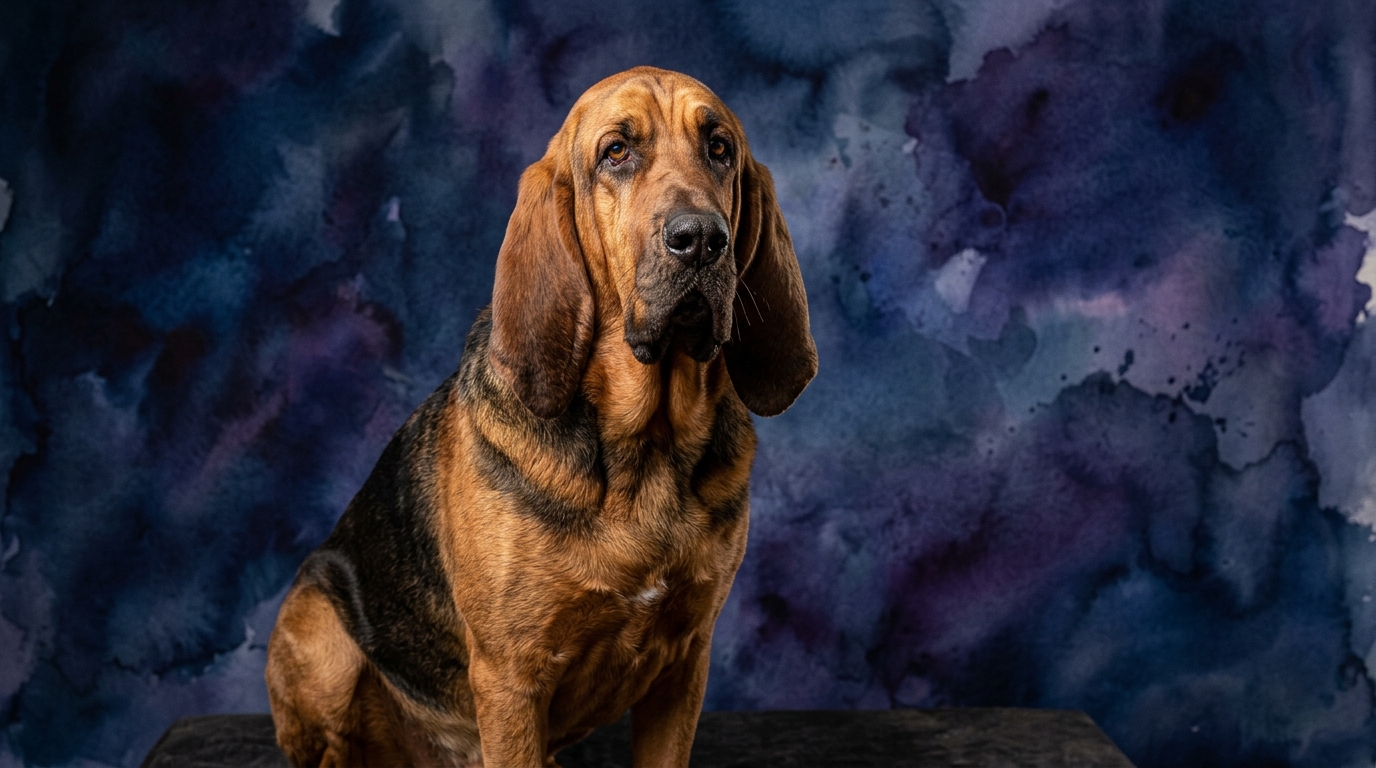
The Bloodhound's cognitive makeup is overwhelmingly shaped by its olfactory prowess and enduring focus, positioning it at Coren rank #74. Its Problem Solving ability rates a perfect 5/5, but this isn't about manipulating objects; it reflects an unparalleled capacity to decipher and follow complex, aged scent trails across varied terrains, demonstrating sophisticated spatial reasoning, an incredible ability to filter irrelevant stimuli, and persistent deduction within its specialized field of olfactory investigation. Training Speed is notably low at 1/5, indicating a strong independent streak and a tendency to prioritize environmental stimuli, particularly scents, over human directives, making new command acquisition a slow, deliberate, and often challenging process that requires immense patience. Social Intelligence scores 2/5; Bloodhounds often appear aloof, deeply engrossed in their olfactory world, and less attuned to nuanced human social cues or emotional states compared to breeds bred for close companionship, though they form deep bonds with their trusted handlers. Their Instinctive Drive is an undeniable 5/5, a relentless, all-consuming urge to track that can override all other impulses and demands. Finally, Memory is also a 5/5, specifically for retaining vast libraries of scent profiles, recognizing individual human or animal odors, and mapping intricate routes they have previously followed, a critical asset for their enduring and precise tracking work.
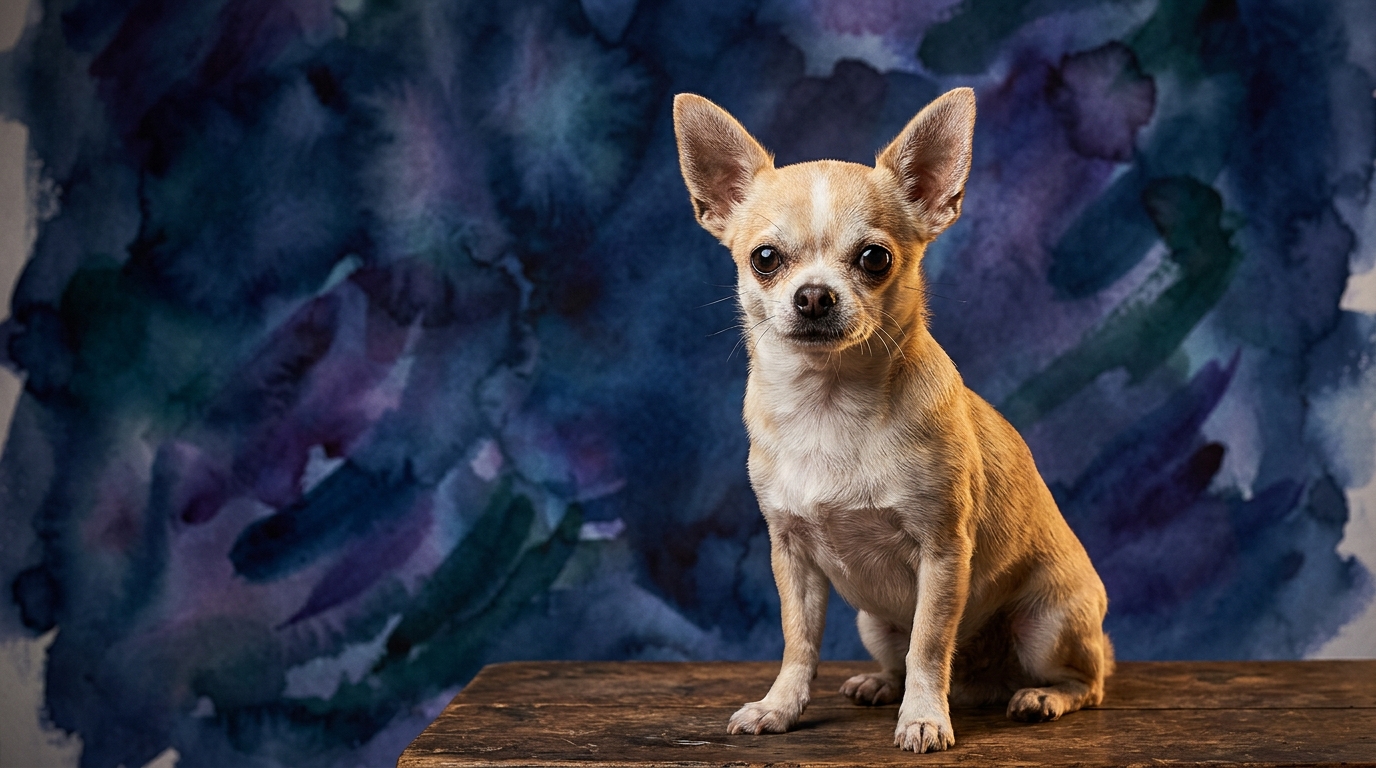
The Chihuahua, while small in stature, presents a distinct cognitive profile geared towards close human interaction and adaptability, placing it at Coren rank #67. Its Problem Solving ability is a moderate 3/5; Chihuahuas can navigate their home environments effectively, figure out how to get attention from their owners, or learn complex routines quickly, showing practical intelligence within a domestic context. They often find creative ways to get what they want. Training Speed is rated 3/5, suggesting they are capable of learning commands at a reasonable pace with consistent, positive reinforcement, often motivated by treats or the strong desire for affection and attention. Their Social Intelligence stands at a strong 4/5, reflecting a keen sensitivity to human moods and intentions, allowing them to anticipate needs, offer comfort, and foster deep emotional bonds with their primary caregivers. They often display a perceptive understanding of social dynamics within their household unit. Instinctive Drive is 3/5; while they may exhibit some territoriality, a desire to chase small objects, or a surprisingly bold demeanor for their size, this drive is generally manageable and not as overwhelming or singularly focused as in working breeds. Their Memory is a solid 4/5, enabling them to remember people, places, and learned routines with impressive accuracy, contributing to their consistency in behavior and their ability to anticipate daily events and preferred interactions.
Where the Bloodhound Excels Cognitively
The Bloodhound's undisputed cognitive strength lies in its unparalleled olfactory detection and persistent pursuit. Their 5/5 in Problem Solving is a testament to their ability to process and interpret a vast array of scent information, differentiating between countless individual odors, filtering out environmental distractions, and following a specific trail with incredible accuracy, even when it is hours or days old. This isn't just about a powerful nose; it involves complex cognitive mapping, pattern recognition of scent dispersal, and sustained focus under challenging conditions, such as varied weather or difficult terrain. Their perfect 5/5 Memory further supports this, allowing them to recall previously encountered scents or track lines with astonishing precision, building a mental database crucial for their specialized work. This unique blend of scent-driven problem-solving and memory allows them to excel in tasks no other breed can match, making them indispensable in search and rescue operations, forensics, or law enforcement, where their unique cognitive abilities save lives and solve cases.
Where the Chihuahua Excels Cognitively
The Chihuahua's cognitive prowess shines brightest in its capacity for social interaction and its remarkable adaptability within a human household. Their 4/5 Social Intelligence means they are exceptionally adept at reading human body language, vocal tones, and emotional states, allowing them to respond appropriately, whether offering comfort during distress or playfully engaging when invited. This perceptive understanding fosters robust, reciprocal bonds, making them highly responsive and deeply empathetic companions. Their 3/5 in Problem Solving, while not as specialized as the Bloodhound's, enables them to quickly grasp household rules, manipulate situations to their advantage (e.g., strategically placing themselves for preferred seating or treats), and adapt to changes in routine or environment with relative ease. This practical intelligence, combined with their social acumen and often surprisingly bold personality, allows them to seamlessly integrate into family life and become highly cherished, interactive members, despite their diminutive size.
Training Dynamics: Bloodhound vs. Chihuahua
When it comes to training, the core differences between these two breeds stem profoundly from their primary motivations and instinctive drives. The Bloodhound, with a 1/5 Training Speed and an overwhelming 5/5 Instinctive Drive, presents significant challenges for conventional obedience. Their world is dominated by scent; once a captivating odor is detected, their powerful drive compels them to follow it with single-minded devotion, often rendering human commands secondary or even unheard. This makes recall particularly difficult in stimulating environments and requires immense patience, consistency, and training methods that either integrate their scent drive into the exercise or build an incredibly strong counter-conditioning response. Owners must understand that a Bloodhound’s nose is their prime directive, and training must respect or redirect this profound cognitive bias. Conversely, the Chihuahua, with a 3/5 Training Speed and 4/5 Social Intelligence, is generally more amenable to training. Their desire to please their human companions and their attentiveness to social cues provide a strong foundation for learning. While they can have a stubborn streak or a penchant for selective hearing, their motivation often comes from positive reinforcement through praise and treats, and their smaller size makes managing any independent tendencies or potential misbehavior more straightforward. This typically leads to quicker mastery of basic commands, house rules, and even more complex tricks, especially when training is made fun and rewarding.
Lifestyle Compatibility: Active vs. Relaxed Owners
The distinct cognitive and physical needs of these breeds dictate very different ideal ownership scenarios. The Bloodhound is unequivocally suited for active owners who are prepared for a dog with immense energy, stamina, and a singular, powerful focus. Their 5/5 Instinctive Drive requires extensive outlets, meaning daily, prolonged scent walks, dedicated tracking exercises, or participation in canine sports like trailing, which directly engage their unique problem-solving and memory skills. Owners must be ready to engage deeply with their dog's powerful nose, provide consistent mental stimulation through demanding scent work, and manage a strong, independent personality that may pull relentlessly on the leash when a scent is encountered. This is unequivocally not a breed for a relaxed, sedentary owner. In stark contrast, the Chihuahua thrives with more relaxed owners. Their moderate Instinctive Drive (3/5) and smaller energy requirements mean they are perfectly content with shorter walks, indoor play, and ample cuddle time. Their high Social Intelligence (4/5) makes them ideal lap companions, deeply connected to their human families and thriving on constant interaction. They adapt exceptionally well to apartment living and prefer to be included in daily activities within the home, making them excellent choices for those seeking a devoted, low-impact companion who values emotional closeness and a perceptive, engaging presence.
The Verdict
For owners dedicated to advanced scent work, extensive outdoor activity, and who appreciate a dog with an independent, single-minded focus on olfactory tasks, requiring consistent, specialized engagement that respects their powerful drive, the Bloodhound is an ideal match.
For individuals seeking a highly social, perceptive companion adaptable to smaller living spaces, who values emotional connection and enjoys a dog that fits easily into a relaxed lifestyle, thriving on close companionship and interactive domestic life, the Chihuahua is an excellent choice.
🧠 Find Your Pet's IQ Score
Our Pet IQ Lab assessment covers 25+ tests across 5 cognitive dimensions — personalized to your breed.
Take the Full IQ Test →Frequently Asked Questions
Are Bloodhounds truly stubborn, or is it a misunderstanding of their drive?
Bloodhounds aren't stubborn in the sense of defiance; rather, their powerful 5/5 instinctive drive for scent tracking often overrides other impulses. Once they pick up a trail, their cognitive focus is so singular that human commands become secondary, appearing as stubbornness but stemming from their specialized cognitive programming.
Can Chihuahuas, despite their small size, be effective emotional support or therapy dogs?
Absolutely. Chihuahuas, with their 4/5 social intelligence and strong bond-forming capabilities, are often perceptive to human emotions, making them excellent emotional support animals. Their portable size and desire for close physical contact allow them to provide comfort and companionship effectively in various settings.
How does the Coren rank (#74 for Bloodhound, #67 for Chihuahua) relate to these specific IQ dimensions?
The Coren rank primarily assesses "working and obedience intelligence," focusing on how quickly a dog learns and obeys commands. While the Chihuahua's higher rank (67) reflects its moderate training speed and social intelligence, the Bloodhound's lower rank (74) is largely due to its low training speed and overpowering instinctive drive, which prioritizes scent over immediate obedience, not a lack of cognitive ability in its specialized field.