Side-by-Side Pet IQ Profile
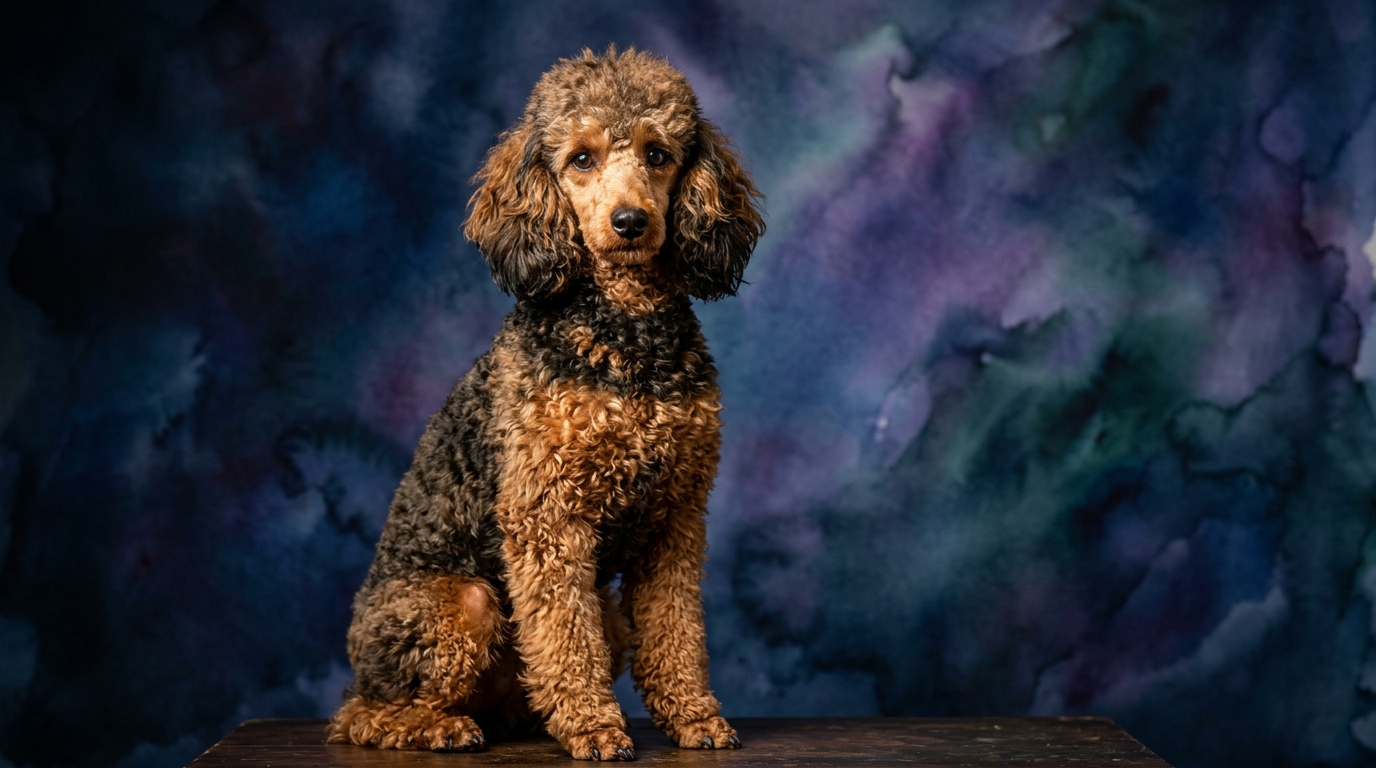
The Pet IQ Lab assesses canine intelligence across five critical dimensions, offering a nuanced view beyond simple rankings. For the Standard Poodle, a breed recognized with a Coren rank of #2, their profile is remarkably balanced and robust. They achieve a perfect 5/5 in Problem Solving, indicating a high capacity for independent thought and navigating complex scenarios. Training Speed is a top-tier 5/5, reflecting a swift grasp of new commands. Social Intelligence registers a 5/5, showcasing adeptness at interpreting human cues. Instinctive Drive is a respectable 4/5, suggesting adaptable natural inclinations, while Memory stands at an impressive 5/5 for long-term retention.
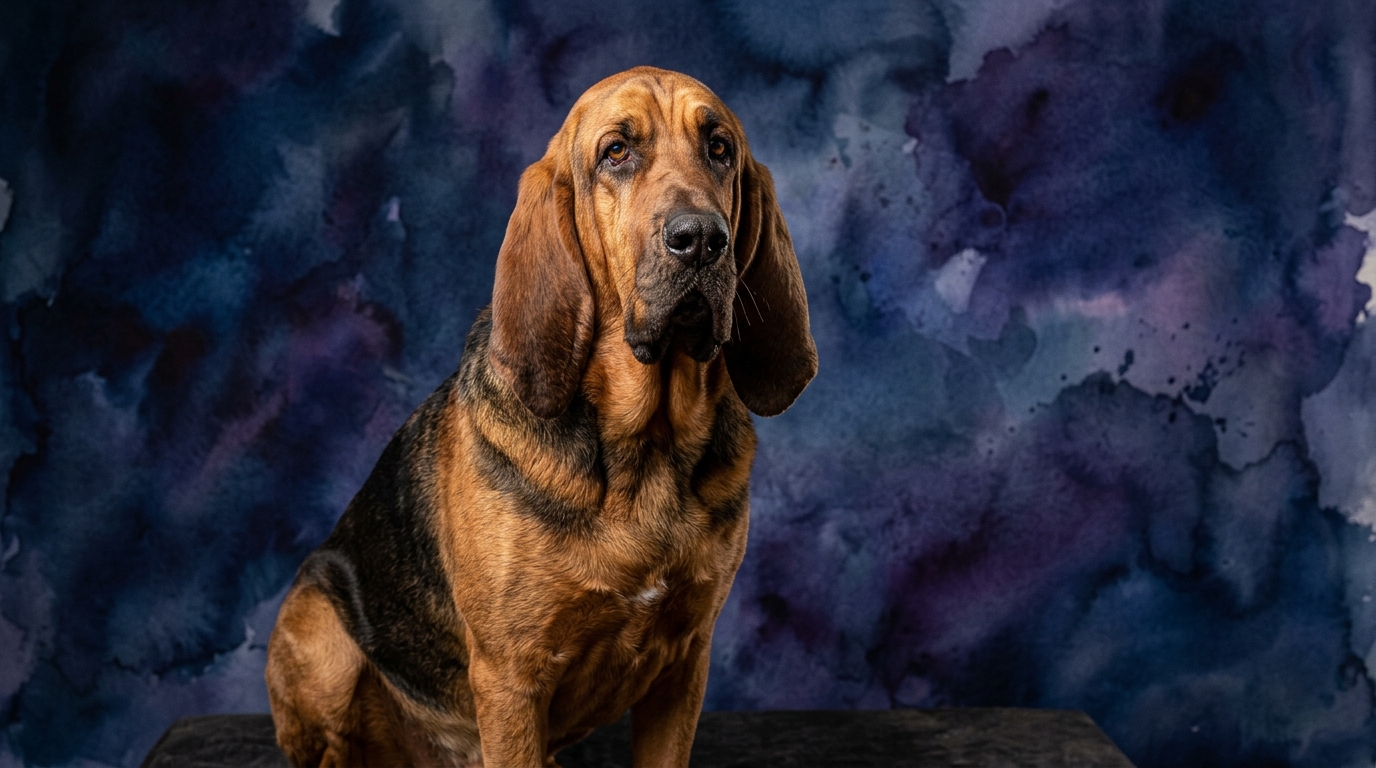
In contrast, the Bloodhound, Coren rank #74, presents a specialized cognitive architecture. Their Problem Solving also scores 5/5, but this reflects a profound ability to deconstruct and follow intricate scent trails, not general adaptability. Training Speed is a notably low 1/5, indicating a significant challenge in acquiring general obedience. Social Intelligence is 2/5, suggesting a more independent nature. Instinctive Drive, however, is an overwhelming 5/5, singularly focused on olfactory prowess. Memory is a strong 5/5, particularly for retaining scent patterns.
Where the Standard Poodle Wins Cognitively
The Standard Poodle's cognitive strengths radiate across a broad spectrum, making them exceptionally versatile. Their perfect 5/5 in Problem Solving means they don't just follow commands; they actively figure out how to achieve desired outcomes, whether it's manipulating puzzle toys, opening latches, or understanding the sequence of multi-step tasks. This cognitive flexibility allows them to adapt swiftly to novel situations, making them excellent candidates for diverse roles, from service work to performance sports. Coupled with a 5/5 in Training Speed, Poodles absorb new information and commands with remarkable alacrity, often requiring fewer repetitions than many other breeds. They pick up on subtle cues, both verbal and non-verbal, transforming training into a dynamic, responsive interaction.
Their 5/5 Social Intelligence further amplifies this, allowing them to keenly interpret human emotions, intentions, and body language, fostering a deeply communicative partnership. This capacity enables them to adjust their behavior based on their human's state, a nuanced social skill. While their Instinctive Drive is a robust 4/5, it's sufficiently malleable, allowing their strong problem-solving and training speed to be directed towards various human-assigned tasks rather than being singularly focused on one innate behavior. This comprehensive mental toolkit positions the Standard Poodle to excel in a wide array of cognitive challenges, demonstrating an all-around intellectual nimbleness.
Where the Bloodhound Wins Cognitively
The Bloodhound's cognitive superiority lies in a profound specialization, an olfactory genius unmatched in the canine world. Their 5/5 in Problem Solving is not about general adaptability but a unique capacity to methodically dissect, analyze, and reconstruct a scent trail, no matter how faint, aged, or complex. This involves an intricate mental mapping of odors, understanding their decay, and filtering out countless environmental distractions – a form of cognitive processing that is astonishingly sophisticated within its domain. Their overwhelming 5/5 Instinctive Drive is the engine behind this specialized problem-solving; it's an unwavering, almost obsessive compulsion to follow a scent once engaged. This drive dictates their focus and perseverance, enabling them to work tirelessly for hours, covering vast distances over varied terrain.
What might appear as stubbornness in general obedience is, in fact, a testament to the singular power of this drive. Their 5/5 Memory is equally specialized, allowing them to retain specific scent profiles, the intricacies of past trails, and the learned strategies for navigating complex olfactory environments. A Bloodhound can remember a scent for days, even weeks, and recall the exact path it took. This combination of hyper-specialized problem-solving, an all-consuming instinctive drive, and an exceptional memory for scent data makes the Bloodhound an unparalleled biological tracking machine, demonstrating a cognitive prowess that few, if any, other breeds can rival in their specific field.
Which Is Easier to Train and Why
When evaluating ease of training, the Standard Poodle and Bloodhound present starkly contrasting experiences, primarily due to their divergent Pet IQ Lab scores in Training Speed and Social Intelligence. The Standard Poodle, with its 5/5 Training Speed and 5/5 Social Intelligence, is a trainer's delight for general obedience. They possess an inherent eagerness to engage with their human companions, quickly grasping new commands and cues. Their social acuity means they are highly attuned to human feedback, readily understanding what is expected of them and deriving satisfaction from successful cooperation. They actively seek opportunities to learn and please, making positive reinforcement exceptionally effective and accelerating the learning process.
Conversely, the Bloodhound's 1/5 Training Speed and 2/5 Social Intelligence present significant challenges for conventional obedience training. Their overwhelming 5/5 Instinctive Drive for scent work means their attention is often profoundly absorbed by their olfactory world, making it difficult to redirect their focus to human-initiated commands. This isn't a lack of capacity to learn, but rather a profound prioritization of their natural drive. They might understand a command but choose to ignore it if a compelling scent is present. Training a Bloodhound requires immense patience, creativity, and a deep understanding of their specialized motivation. Methods must often incorporate their scent drive to maintain engagement, and progress in general obedience will be significantly slower and require far more consistent effort than with a Poodle.
Which Suits Active Owners vs. Relaxed Owners
The ideal owner profile for these two breeds diverges considerably based on their cognitive needs and inherent drives. The Standard Poodle thrives with active owners who provide consistent mental stimulation and physical engagement across various activities. Their high scores in Problem Solving, Training Speed, and Social Intelligence mean they excel in dog sports like agility, obedience, and rally. They enjoy learning new tricks and participating in family activities that challenge their intellect and provide companionship, making them suitable for owners who seek a versatile partner for hiking, running, or daily interactive play. Their adaptability allows them to integrate seamlessly into diverse active lifestyles.
The Bloodhound requires an owner whose activity aligns specifically with the breed's profound instinctive drive. A Bloodhound is best suited for owners passionate about scent work, tracking, or search and rescue. Their 5/5 Instinctive Drive demands an outlet that engages their nose and allows them to follow trails. Casual walks are insufficient; they need purposeful tracking exercises that fulfill their genetic imperative. Owners who prefer a less demanding companion or are unwilling to dedicate significant time to scent-based activities would find the Bloodhound's intense, singular focus challenging to manage.
The Verdict
For owners seeking a versatile, highly trainable companion capable of excelling across a broad range of activities and forming a deeply communicative partnership, the Standard Poodle is an excellent choice.
For owners deeply committed to exploring the profound world of canine scent work, who appreciate a breed with an unparalleled, singular drive, and are prepared to channel its unique cognitive gifts, the Bloodhound stands alone.
🧠 Find Your Pet's IQ Score
Our Pet IQ Lab assessment covers 25+ tests across 5 cognitive dimensions — personalized to your breed.
Take the Full IQ Test →Frequently Asked Questions
Does a Bloodhound's lower Coren rank mean it's less capable than a Poodle?
Not at all; Coren ranks primarily reflect a dog's ability to learn and respond to human-centric commands, not their overall cognitive capacity or specialized genius. The Bloodhound's lower rank highlights its unique, scent-driven focus rather than a general intellectual deficit.
Can a Bloodhound be a good family pet despite its specific drives?
Yes, Bloodhounds can be affectionate and gentle family pets, but their intense instinctive drive for scent work must be fulfilled. They require an owner willing to provide consistent, engaging scent-based activities to prevent boredom and manage their powerful focus.
Are Standard Poodles prone to specific behavioral issues due to their high intelligence?
Standard Poodles, with their high cognitive scores, can become bored or destructive if not provided with sufficient mental stimulation and physical exercise. Their capacity for learning means they need engaging outlets to prevent them from 'problem-solving' in ways owners might not appreciate.