Side-by-Side Cognitive Profiles
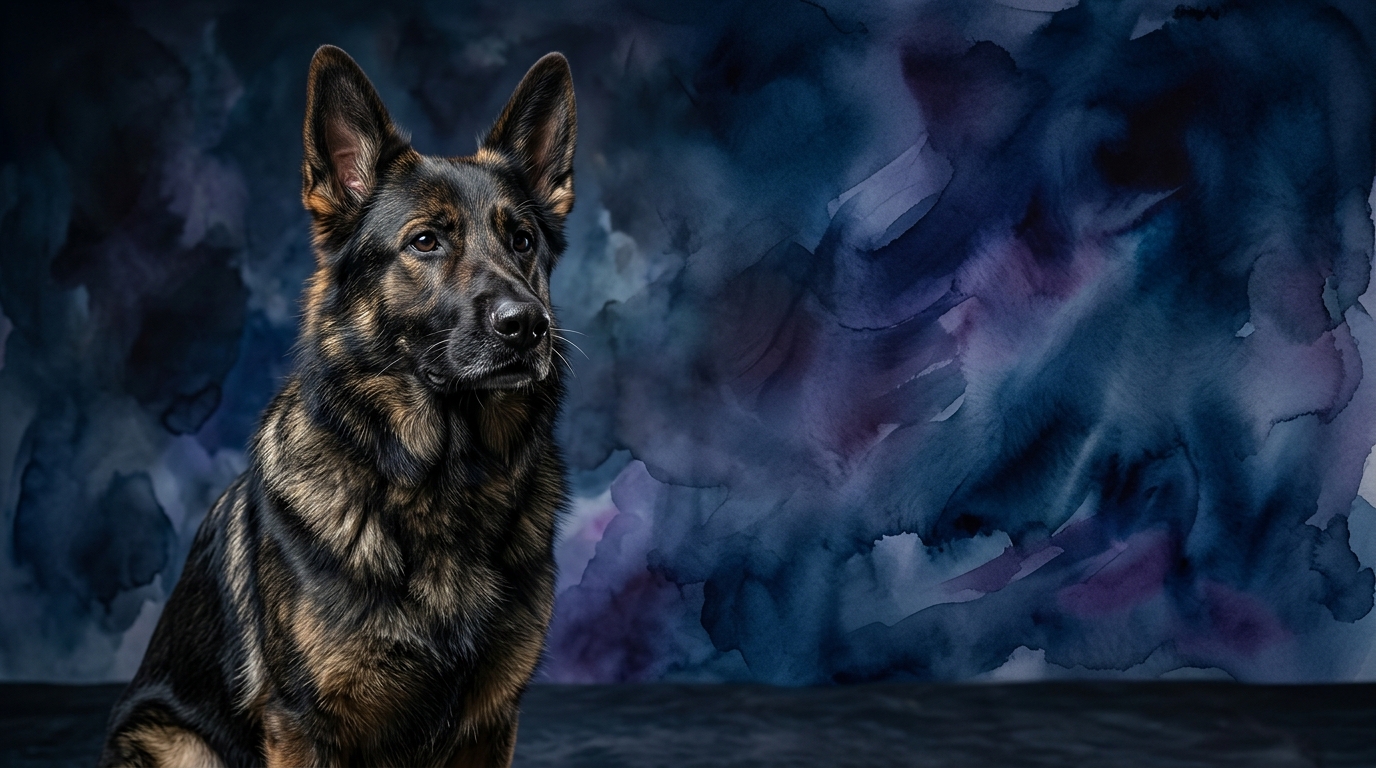
The German Shepherd, ranking #3 on the Coren scale, presents a comprehensive suite of cognitive abilities, reflective of its versatile working heritage. Its Problem Solving is rated 5/5, indicating an exceptional capacity to interpret complex situations, understand multi-step tasks, and adapt strategies to achieve desired outcomes. Training Speed is also 5/5, showcasing a rapid acquisition of new commands and an impressive ability to generalize learned behaviors across various contexts. Social Intelligence stands at 5/5, highlighting their profound understanding of human social cues, emotional states, and communication, fostering deep bonds and cooperative relationships. Their Instinctive Drive, also 5/5, encompasses strong inherent motivations for herding, guarding, and protection, which are often channeled into dedicated tasks. Finally, Memory is 5/5, signifying a robust long-term retention of commands, routines, and experiences, crucial for sustained performance in complex roles.
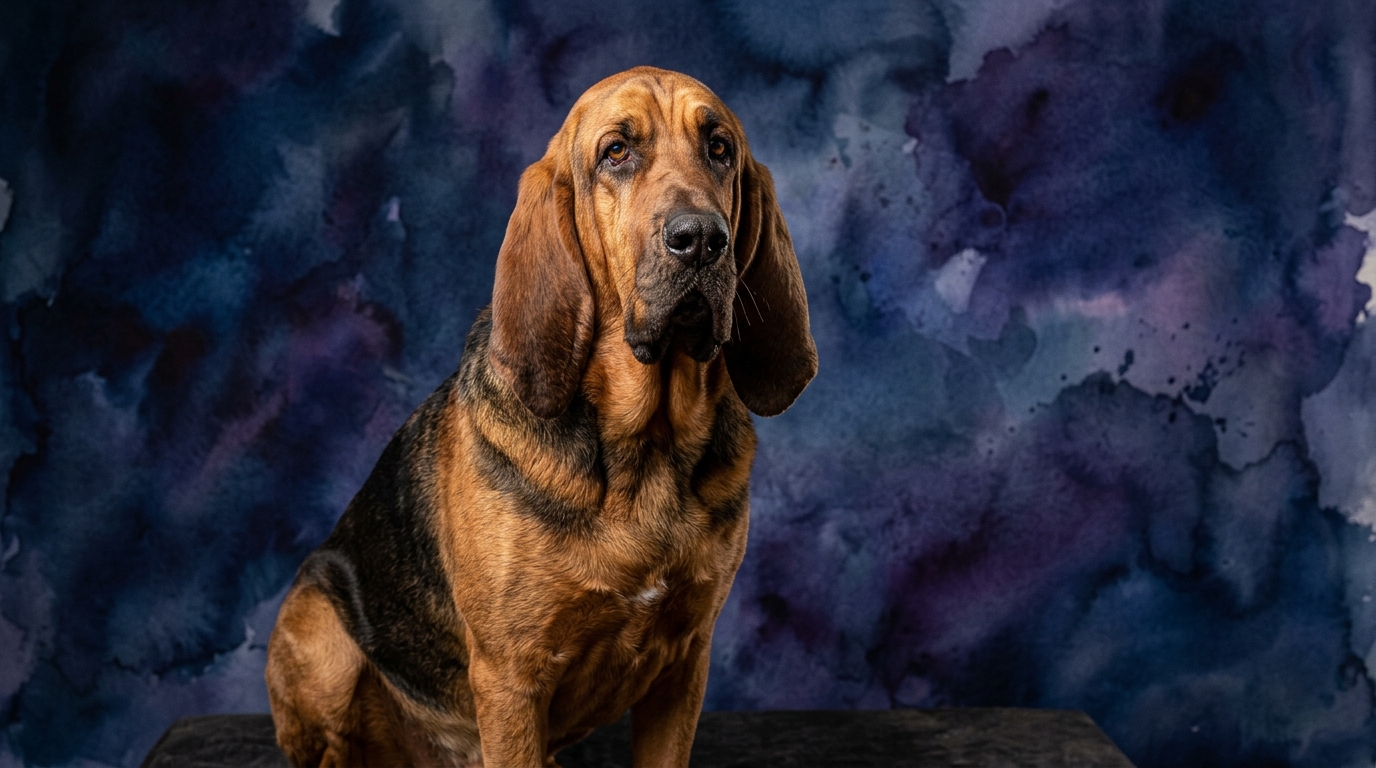
In stark contrast, the Bloodhound, ranking #74 on the Coren scale, demonstrates a highly specialized cognitive profile dominated by its olfactory prowess. Despite its lower overall Coren rank, its Problem Solving is rated 5/5, focused almost entirely on deciphering complex olfactory puzzles and navigating intricate scent trails with relentless determination. Training Speed, however, is 1/5, reflecting an independent nature and singular focus on scent work, which makes the acquisition of general obedience commands a protracted process requiring immense patience. Social Intelligence is 2/5; while generally amiable, Bloodhounds are often more independent and less attuned to subtle human social cues, their world largely defined by scent. Their Instinctive Drive is a perfect 5/5, characterized by an extraordinary, almost obsessive compulsion to track, leveraging the most acute sense of smell in the canine world. Memory is also 5/5, particularly for scents, allowing them to recall specific odor profiles and associated spatial information over long distances and extended timeframes.
Where the German Shepherd Excels Cognitively
The German Shepherd's cognitive strengths lie in its remarkable versatility and general cognitive flexibility. Unlike the Bloodhound's specialized intellect, the German Shepherd excels at adapting its problem-solving skills to a vast array of challenges beyond scent work, from intricate obedience routines to protection duties and assistance tasks. Their superior training speed allows them to rapidly integrate new information and commands, making them highly responsive partners in diverse environments. Furthermore, their peak social intelligence enables them to interpret subtle human intentions and emotional states, fostering a profound level of cooperation and partnership that extends across many facets of daily life and work. This breed’s capacity for understanding complex social structures and responding appropriately to varied commands showcases a broad cognitive aptitude for diverse challenges.
Where the Bloodhound Excels Cognitively
The Bloodhound's cognitive superiority is undeniably rooted in its singular, unparalleled olfactory intelligence. While its general cognitive profile may appear less broad, its problem-solving within the domain of scent is unmatched by virtually any other breed. A Bloodhound’s ability to meticulously follow a faint, aged trail, discriminating it from countless other environmental odors, represents an extraordinary feat of specialized cognition. Their instinctive drive to track is not merely strong; it is an all-consuming mental engagement that allows them to process and remember scent information with incredible precision and persistence. This unique form of intelligence, dedicated to the intricate world of odors, allows them to navigate complex sensory landscapes and achieve objectives that are beyond the scope of other breeds, even those with high general cognitive scores.
Ease of Training: Behavioral Differences
When it comes to general obedience and command acquisition, the German Shepherd is significantly easier to train. Their 5/5 training speed, coupled with their 5/5 social intelligence and desire to work alongside humans, translates into a highly receptive and cooperative learner. They thrive on clear instruction, consistent expectations, and the opportunity to engage in structured tasks, often picking up new commands within a few repetitions. Their inherent drive is easily channeled into productive work, making them eager participants in training sessions.
The Bloodhound, with its 1/5 training speed for general obedience, presents a far greater challenge. Their formidable 5/5 instinctive drive for scent work often overrides other motivations, making them appear stubborn or distracted in traditional training scenarios. Their lower social intelligence means they are less motivated by human approval and more by the allure of a compelling scent. Training a Bloodhound requires immense patience, creativity, and a deep understanding of their primary drive. Successful training often involves integrating scent-based games or making commands relevant to their tracking instincts, rather than expecting the rapid, generalized compliance seen in German Shepherds. Their independence means they learn at their own pace and often need more consistent, positive reinforcement over extended periods.
Suited Owners: Active vs. Relaxed Lifestyles
The German Shepherd is an ideal companion for active owners who can provide consistent mental stimulation and physical exercise. They flourish in environments where they have a 'job,' whether that's advanced obedience, sports, protection work, or simply being an engaged family member who participates in daily activities. Owners seeking a canine partner for varied adventures, structured learning, and close, responsive interaction will find the German Shepherd a deeply rewarding choice. Their high cognitive needs require an owner willing to invest time and energy into their development and engagement.
The Bloodhound, while possessing a powerful physical drive for tracking, can suit owners who appreciate a dog with a unique focus, rather than one seeking a versatile activity partner. They require dedicated outlets for their scenting drive, such as regular tracking exercises or long, sniff-intensive walks, which can be physically demanding. However, once their scenting needs are met, they can be quite relaxed and docile at home, often content to lounge. Owners must be prepared to accommodate a dog whose primary motivation is olfactory exploration, understanding that their independence and single-mindedness might not align with typical 'active companion' expectations, but rather a specialized partner in scent-driven pursuits.
The Verdict
Choose a German Shepherd if you seek a highly versatile, responsive, and engaged canine partner for a wide array of activities, protection, or integrated family life, valuing rapid learning and cooperative interaction.
Choose a Bloodhound if you are fascinated by the world of scent, prepared to accommodate a dog driven by an unparalleled, singular instinct, and appreciate a loyal yet often independent companion whose greatest joy is following a trail.
🧠 Find Your Pet's IQ Score
Our Pet IQ Lab assessment covers 25+ tests across 5 cognitive dimensions — personalized to your breed.
Take the Full IQ Test →Frequently Asked Questions
Can Bloodhounds learn advanced obedience like German Shepherds?
While Bloodhounds possess a remarkable problem-solving capacity within their scent world, their general obedience training speed is lower, making advanced, varied commands more challenging. They can learn, but it requires exceptional patience and methods that leverage their natural drives rather than fighting them.
How does 'instinctive drive' differ between the two breeds?
For the German Shepherd, instinctive drive encompasses herding, guarding, and protection, often directed and controlled by their human, leading to a desire to work. The Bloodhound's instinctive drive is almost exclusively their scenting ability, an all-consuming force that often dictates their behavior, making them follow a trail above all else.
Do both breeds require a lot of exercise?
Yes, but differently. German Shepherds need varied physical and mental exercise to prevent boredom and destructive behaviors, thriving on structured activity. Bloodhounds primarily need outlets for their scenting drive, which can involve long, focused walks or tracking exercises, though they can be quite sedentary once their scenting needs are met.