Side-by-Side Cognitive Profiles
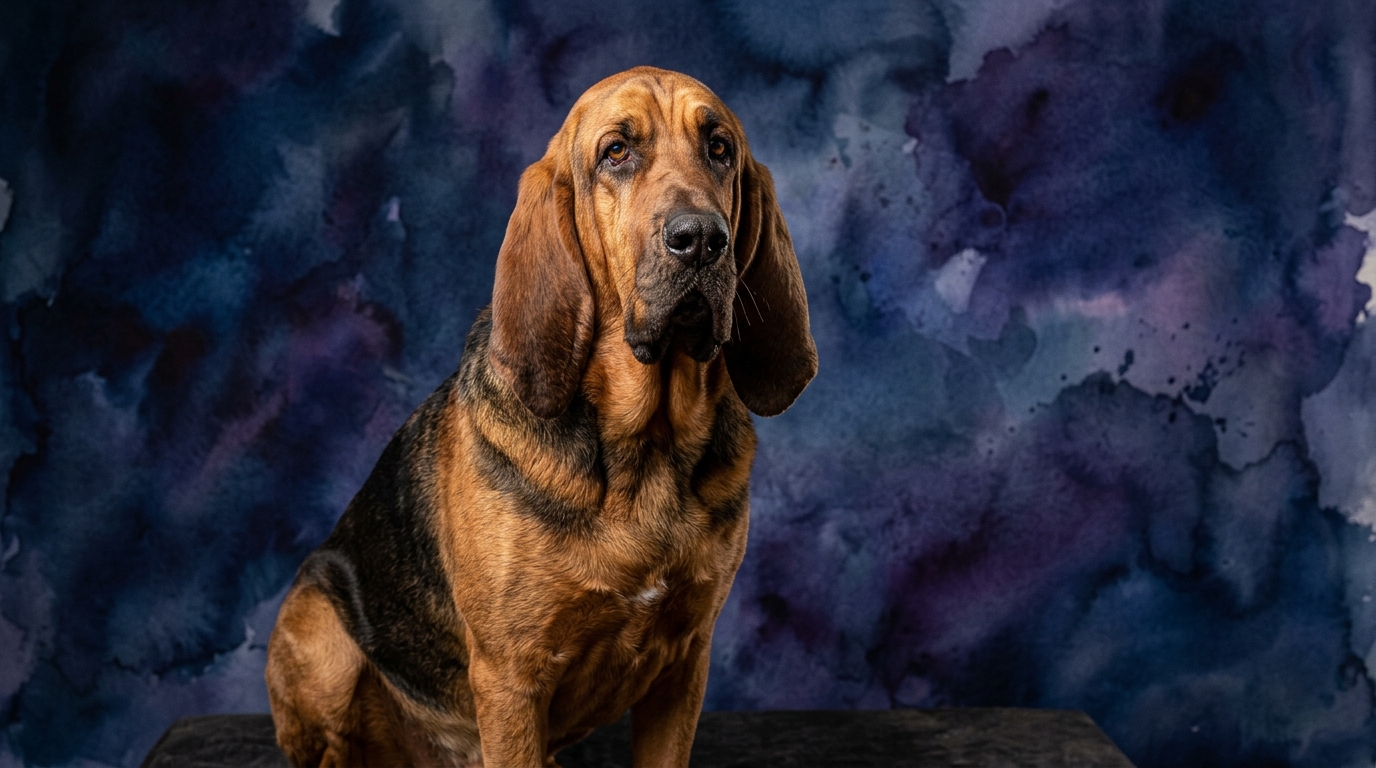
The Bloodhound's cognitive architecture is dominated by its olfactory prowess. Their Problem Solving (5/5) is hyper-specialized, focused entirely on unraveling intricate scent puzzles, navigating complex environments solely by smell, and discerning specific trails. This singular focus contributes to a low Training Speed (1/5) for general obedience, as their intrinsic reward lies in the pursuit of scent. Social Intelligence (2/5) is present for bonding, but their independent working style means human cues are often secondary to a compelling trail. Their Instinctive Drive (5/5) for tracking is all-consuming, defining their very being, complemented by an exceptional Memory (5/5) for retaining detailed olfactory information and trail patterns.
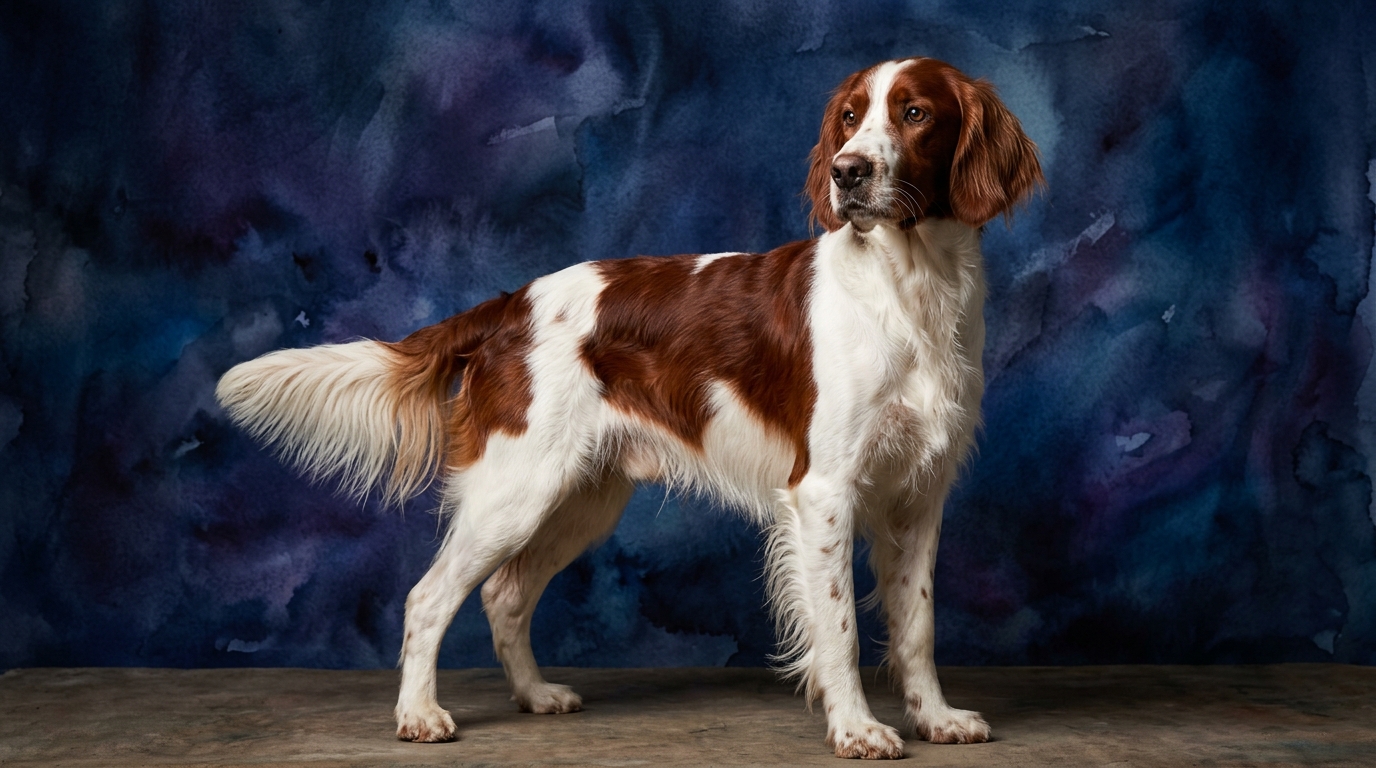
The Irish Red and White Setter presents a more balanced cognitive profile, geared towards cooperative field work. Their Problem Solving (3/5) is practical, enabling them to efficiently locate game and navigate terrain, demonstrating adaptability rather than singular specialization. A moderate Training Speed (3/5) means they grasp commands with consistency, often eager to please, and their Social Intelligence (3/5) allows them to be highly attuned to human companions, thriving on interaction. Their Instinctive Drive (3/5) for pointing and retrieving is strong and purposeful but manageable, not typically overriding their responsiveness. Memory (3/5) is good, supporting their ability to learn routines, commands, and recall field locations effectively.
Where the Bloodhound Excels Cognitively
The Bloodhound's cognitive superiority lies in its unparalleled olfactory processing and relentless persistence. No other breed can match their capacity for untangling complex, aged scent trails across diverse environments, a testament to their exceptional Problem Solving (5/5) within this specialized domain. Their ability to retain and recall specific scent profiles and intricate spatial details related to a track, reflected in their Memory (5/5), is foundational to their legendary status. This dedication allows them to filter out irrelevant stimuli and maintain focus on a singular objective, showcasing a depth of specialized cognitive function that is truly unique. Their entire mental framework is optimized for one purpose: the pursuit of scent, making them the ultimate canine detective.
Where the Irish Red and White Setter Excels Cognitively
The Irish Red and White Setter's cognitive strengths lie in its balanced adaptability and cooperative nature. With a moderate Problem Solving (3/5) score, they demonstrate a practical intellect, adept at navigating varied situations and learning diverse tasks beyond a singular focus. Their higher Social Intelligence (3/5) enables them to interpret a wider range of human cues and respond more readily in collaborative, non-tracking contexts, making them versatile partners. This balanced cognitive profile, combined with their moderate Training Speed (3/5), allows them to excel in general obedience, agility, and a variety of canine sports, where a cooperative spirit and a willingness to engage with human direction are paramount. They offer a broader spectrum of cognitive engagement for a wider array of activities.
Training Dynamics: Bloodhound vs. Irish Red and White Setter
Training a Bloodhound, with its Training Speed of 1/5, presents a distinct challenge compared to the Irish Red and White Setter (3/5). The Bloodhound's formidable Instinctive Drive (5/5) to track means their nose often dictates their agenda, making conventional obedience a secondary concern. Once on a scent, external motivators pale in comparison to the intrinsic reward of the trail. Successful Bloodhound training demands immense patience, creativity, and a deep understanding of their specialized motivations, often requiring methods that integrate their scent drive rather than suppress it. Their social intelligence, while sufficient for bonding, doesn't translate into a strong desire for human-directed tasks that don't align with their primary instinct.
In contrast, the Irish Red and White Setter's balanced Instinctive Drive (3/5) allows their natural urges to be channeled more effectively through training. Their moderate Training Speed (3/5) and higher Social Intelligence (3/5) mean they are generally more responsive to commands and eager to please, thriving on positive reinforcement and cooperative learning. They are less likely to become singularly fixated, making them more amenable to a wider range of obedience, trick training, and canine sports. Their desire to work alongside their human companions makes them generally easier and more rewarding to train for a variety of tasks, provided their energy is appropriately managed.
Suiting Lifestyles: Active Owners vs. Relaxed Owners
Neither breed is suited for a truly relaxed, sedentary owner, as both possess significant needs for engagement. The Bloodhound demands an owner dedicated to channeling their profound Instinctive Drive (5/5) through structured scent work, long exploratory walks where their nose is paramount, or formal tracking activities. An "active" owner for a Bloodhound means someone who provides purpose-driven mental engagement above all else, understanding that a bored Bloodhound will find its own (often destructive) ways to engage its nose. Their physical stamina for tracking also necessitates ample outdoor time.
The Irish Red and White Setter, with its robust energy levels, thrives with owners who enjoy vigorous outdoor activities like hiking, running, or participation in field sports. They need consistent physical outlets to maintain their balance and contentment, making them excellent companions for active families seeking a dog to join them in various adventures. While adaptable, their need for both physical exertion and social interaction means they are best suited for owners who can consistently provide a dynamic and engaging lifestyle. Owners must be prepared to integrate them into an active household, not just offer occasional walks.
The Verdict
Choose the Bloodhound if you are captivated by the unparalleled world of scent work, prepared to dedicate yourself to nurturing their specialized tracking instinct, and understand that their unique cognitive focus requires patient, creative training.
Choose the Irish Red and White Setter if you seek an energetic, cooperative companion for active outdoor pursuits, valuing a balanced cognitive profile that thrives on diverse training, social interaction, and shared adventures.
🧠 Find Your Pet's IQ Score
Our Pet IQ Lab assessment covers 25+ tests across 5 cognitive dimensions — personalized to your breed.
Take the Full IQ Test →Frequently Asked Questions
Are Bloodhounds good family pets despite their low social intelligence score?
Bloodhounds can be incredibly gentle and devoted family members, forming strong bonds with their human companions, especially children. Their lower social intelligence score primarily reflects their independent, mission-driven focus when on a scent, not a lack of affection or ability to connect emotionally within a family setting.
Do Irish Red and White Setters need a lot of exercise?
Yes, Irish Red and White Setters are energetic sporting dogs bred for stamina in the field. They require substantial daily exercise, including vigorous play, long runs, or active outdoor adventures, to maintain their physical and mental well-being and prevent potential boredom-related behaviors.
Can an Irish Red and White Setter be trained for scent work?
While not possessing the Bloodhound's extreme specialization, Irish Red and White Setters can certainly engage in and enjoy various forms of scent work. Their practical problem-solving and good memory skills, combined with their willingness to learn, make them capable and enthusiastic participants in activities like nose work or recreational tracking.