
Side-by-Side Cognitive Profiles
The Bloodhound, a venerable Hound breed, presents a cognitive profile sculpted by centuries of specialized work. Its Problem Solving ability is rated an impressive 5/5, though this often manifests in complex olfactory puzzles rather than abstract tasks. Training Speed, however, registers at a challenging 1/5, reflecting a deep-seated independence when a scent trail calls. Social Intelligence is 2/5, indicating a dog more focused on its environment than intricate human social cues. Its Instinctive Drive is a commanding 5/5, singularly dedicated to tracking, complemented by an exceptional Memory of 5/5 for scent information and routes.
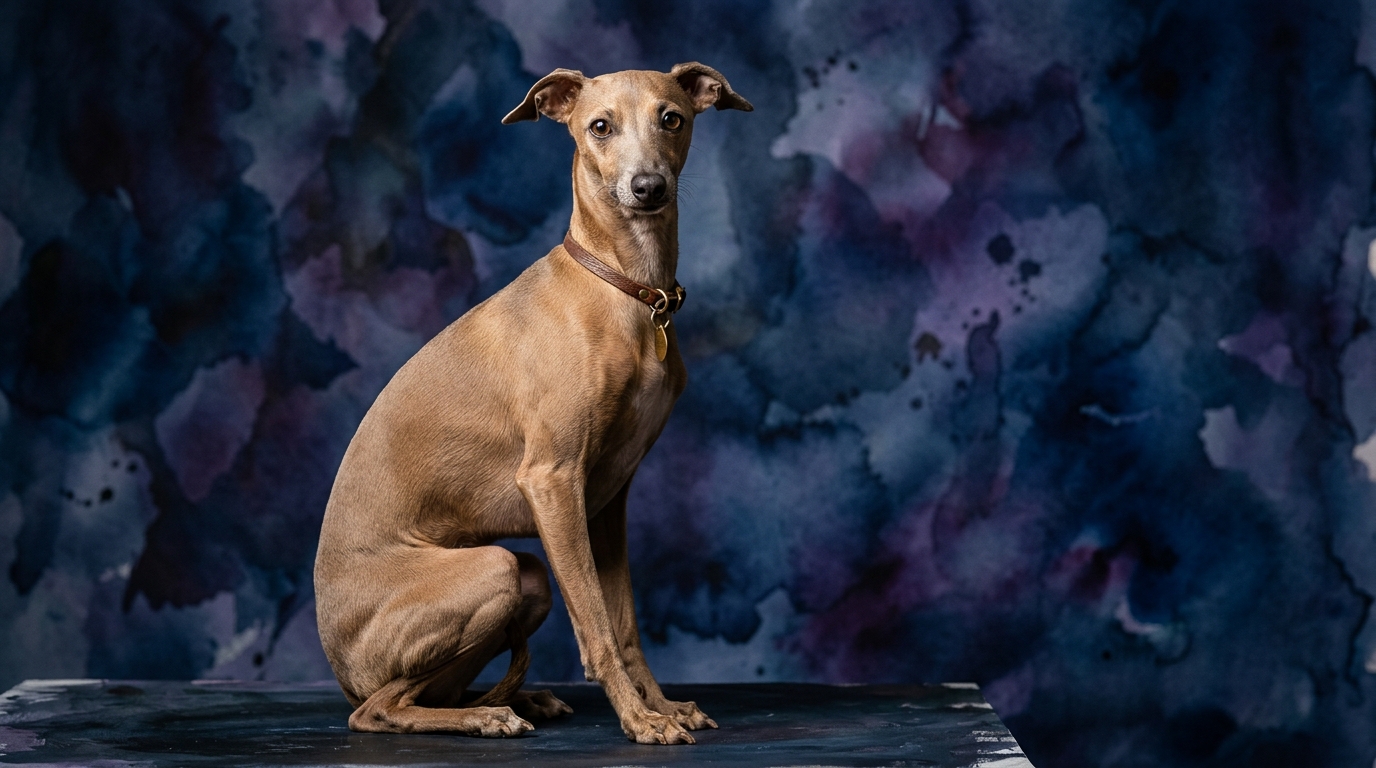
In contrast, the Italian Greyhound, a graceful Toy breed, showcases a more balanced and moderately rated cognitive blueprint. With Problem Solving at 3/5, they demonstrate a capable but not obsessive approach to navigating their environment and learning routines. Their Training Speed is 3/5, suggesting a reasonable responsiveness and willingness to learn with consistent guidance. Social Intelligence also stands at 3/5, making them generally observant of human interactions and adaptable companions. Their Instinctive Drive is a moderate 3/5, present but typically less overwhelming than that of specialized working breeds, and their Memory at 3/5 is sufficient for daily life and learned behaviors.
Where the Bloodhound Excels Cognitively
The Bloodhound's cognitive superiority undeniably lies in its olfactory prowess and the complex mental mapping associated with scent work. Its Problem Solving at 5/5 is almost entirely dedicated to deciphering intricate scent puzzles, following trails that are hours or even days old over varied terrain. This isn't just about smelling; it's about discriminating, prioritizing, and systematically working through a cascade of information. Their 5/5 Memory is intrinsically linked to this, allowing them to recall specific scent signatures and the spatial context of previous trails, making them unparalleled in tasks requiring persistent, detail-oriented sensory processing.
While they may not excel at learning parlor tricks quickly, the Bloodhound's mind is a master of a very specific, demanding craft. Their 5/5 Instinctive Drive ensures an unwavering commitment to this task, pushing them to continue a search long after other breeds would lose interest. This singular focus, while sometimes a challenge in other areas, is the core of their cognitive strength, enabling them to process and remember scent data with an intensity and accuracy unmatched in the canine world.
Where the Italian Greyhound Shines Cognitively
The Italian Greyhound's cognitive strengths emerge from its balanced and adaptable profile, making it a more versatile domestic companion. With 3/5 across all cognitive dimensions, they possess a multi-faceted Problem Solving ability, capable of figuring out how to open a cupboard, navigate a complex home environment, or understand a new routine. Their moderate Social Intelligence (3/5) means they are generally more attuned to human moods and social cues than the scent-focused Bloodhound, making them more responsive to companionship and less likely to become singularly engrossed in an independent pursuit.
Their 3/5 Training Speed indicates a dog that can learn commands and house rules at a reasonable pace, a significant advantage over the Bloodhound's more deliberate learning style. This moderate trainability, coupled with a manageable 3/5 Instinctive Drive, allows them to integrate more seamlessly into various household dynamics. They are capable of adapting their behaviors to suit human expectations, demonstrating a cognitive flexibility that prioritizes social cohesion and environmental understanding over a singular, overwhelming drive.
Which is Easier to Train, and Why?
Between these two, the Italian Greyhound is generally considered easier to train, primarily due to its balanced cognitive scores and less overwhelming instinctive drives. Their Training Speed of 3/5 means they are receptive to learning and can pick up new commands with consistent, positive reinforcement. Their Social Intelligence of 3/5 allows them to better understand and respond to human intentions and corrections, making them more amenable to structured lessons and daily routines. They are motivated by praise, treats, and the desire for companionship, making the training process a collaborative effort.
The Bloodhound, with its 1/5 Training Speed, presents a much greater challenge. This isn't due to a lack of capacity to learn, but rather an unparalleled 5/5 Instinctive Drive for scent work that often overrides human direction. Once a Bloodhound catches a compelling scent, its focus becomes singular, making it difficult to redirect. Training requires immense patience, creativity, and an understanding that their primary motivation is their nose. Owners must learn to work with this drive, rather than against it, often incorporating scent games into their training to hold their interest, as their memory (5/5) is exceptional for things related to scent.
Suited for Active vs. Relaxed Owners
The Bloodhound is best suited for owners who are active in a very specific, dedicated way. While they don't necessarily need to be running marathons, their 5/5 Instinctive Drive demands consistent engagement of their nose. This means owners must be prepared for long, deliberate scent walks, tracking exercises, or participating in nose work sports. Their powerful problem-solving mind needs constant olfactory stimulation, which can be mentally exhausting for an owner not prepared for such commitment. When their scenting needs are met, they can be quite relaxed indoors, but neglecting this fundamental cognitive requirement will lead to a restless and potentially destructive companion.
The Italian Greyhound, with its more moderate and balanced cognitive profile, offers greater flexibility for both active and relaxed owners. While they possess a 3/5 Instinctive Drive that includes a desire for short, exhilarating sprints, these bursts of energy are typically manageable. They thrive on companionship and are content with moderate daily walks, indoor play, and plenty of cuddle time on the couch. Their adaptability (reflected in their balanced scores) allows them to adjust to various lifestyles, making them suitable for individuals who enjoy occasional activity but also appreciate a calm, affectionate presence during downtime, without the overwhelming singular focus of a working breed.
The Verdict
Choose a Bloodhound if you are deeply passionate about canine scent work and are prepared to dedicate significant time and effort to engaging their unparalleled olfactory problem-solving and instinctive drive.
Opt for an Italian Greyhound if you seek a moderately active, adaptable companion who is generally easier to train and offers a balanced blend of playful energy and affectionate relaxation.
🧠 Find Your Pet's IQ Score
Our Pet IQ Lab assessment covers 25+ tests across 5 cognitive dimensions — personalized to your breed.
Take the Full IQ Test →Frequently Asked Questions
Does a Bloodhound's low training speed mean it cannot learn?
Not at all; a Bloodhound's 1/5 training speed indicates a strong independence and singular focus on scent, not a lack of learning capacity. They possess exceptional memory and problem-solving skills, primarily applied to olfactory tasks, meaning training requires immense patience and methods that leverage their natural drives.
How does an Italian Greyhound's moderate social intelligence affect its companionship?
An Italian Greyhound's 3/5 social intelligence means they are generally attuned to human interactions and make adaptable, affectionate companions. They are observant of their surroundings and human cues, fostering a strong bond and making them responsive to social learning within a family setting.
Are Bloodhounds only good for tracking, or can they excel in other cognitive areas?
While Bloodhounds are unparalleled in scent tracking due to their 5/5 instinctive drive and memory, their problem-solving is primarily geared towards these olfactory challenges. They can learn other tasks, but their single-minded focus on scent means they are less inclined to excel in, or even engage with, cognitive areas outside their primary drive without significant motivation and redirection.