Side-by-Side IQ Profile: Bloodhound vs. Shiba Inu
At The Cosmic Pet Pet IQ Lab, we evaluate canine intelligence across five key dimensions. The Bloodhound and Shiba Inu, while both dogs, present distinct cognitive landscapes.
**Bloodhound:**
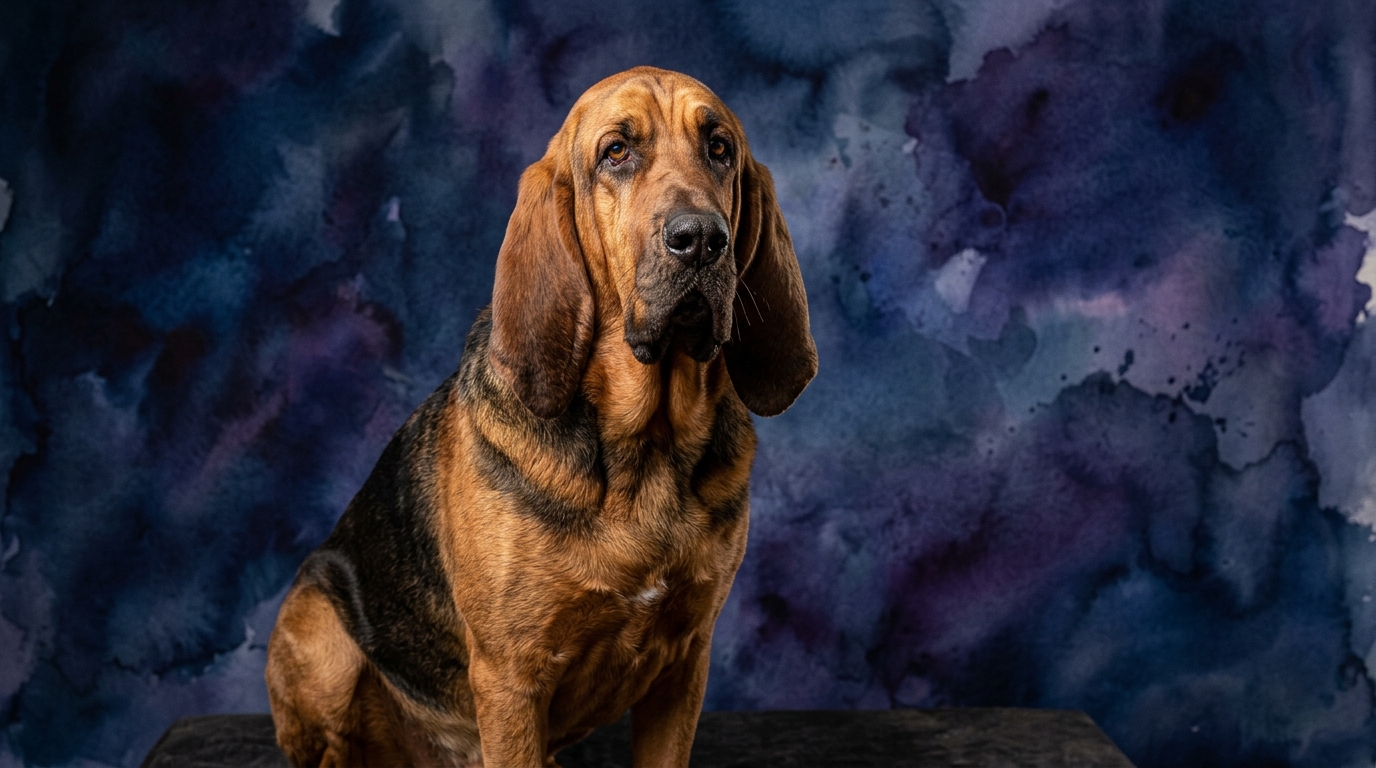
**Problem Solving (5/5):** The Bloodhound's exceptional problem-solving centers on its unparalleled ability to interpret and follow complex scent trails, navigating diverse environments with incredible precision and endurance. This score reflects a highly specialized, persistent focus on olfactory puzzles, often to the exclusion of other stimuli.
**Training Speed (1/5):** Bloodhounds learn general obedience at a very slow pace. Their profound instinctive drive for scent frequently overrides human commands, making them appear stubborn and requiring immense patience and highly motivating rewards for even basic compliance.
**Social Intelligence (2/5):** While gentle and amiable, Bloodhounds exhibit relatively low social intelligence, often less attuned to subtle human social cues or complex pack dynamics. Their interactions are typically straightforward, focused more on their primary handler or scent world than nuanced social engagement.
**Instinctive Drive (5/5):** This breed is overwhelmingly driven by its sense of smell, compelling them to track relentlessly. This powerful primal urge dictates their behavior, making them single-minded and often oblivious to their surroundings when on a scent trail.
**Memory (5/5):** Their memory is intrinsically linked to their olfactory prowess, allowing them to recall specific scent profiles and intricate trail patterns over long durations. This enables them to return to previous trails or recognize individual scents with remarkable long-term recall.
**Shiba Inu:**
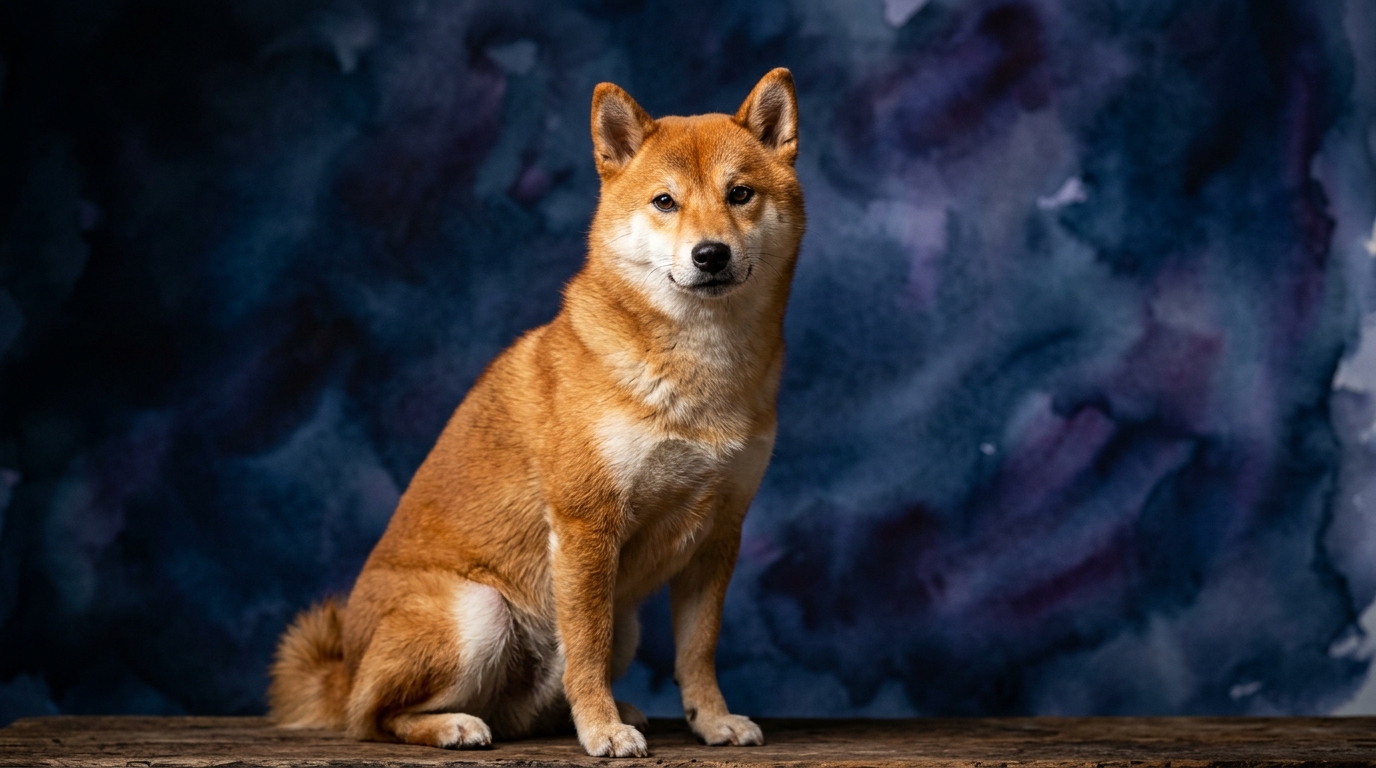
**Problem Solving (4/5):** The Shiba Inu displays a practical, independent form of problem-solving, adept at figuring out how to achieve self-serving goals like escaping or manipulating for treats. Their cognitive approach is driven by cleverness and an understanding of their environment, though less specialized than the Bloodhound's scent work.
**Training Speed (2/5):** Shibas are intelligent but possess a strong independent streak, making them moderately challenging to train. While they can learn commands faster than Bloodhounds, their willingness to comply is often conditional, requiring creative, engaging methods to overcome their self-determination.
**Social Intelligence (3/5):** Shibas possess moderate social intelligence, observing and interpreting human moods and intentions to inform their interactions. They form strong bonds with chosen family and navigate social situations with a discerning yet often reserved nature.
**Instinctive Drive (5/5):** This breed's powerful instinctive drive encompasses a strong prey drive, territoriality, and profound independence. It manifests as a desire to hunt small animals, patrol their perceived territory, and make their own decisions, often acting on their own initiative.
**Memory (4/5):** Shibas have a good memory, retaining learned behaviors, routines, and past experiences. This recall aids their independent problem-solving and social navigation, allowing them to remember interactions and inform future decisions.
Where the Bloodhound Excels Cognitively
The Bloodhound's cognitive superiority undeniably lies in its unparalleled olfactory processing and memory (5/5 in both). Their ability to discriminate, follow, and remember scent trails is a marvel of evolutionary specialization. No other breed can match their dedication to a scent puzzle, exhibiting a problem-solving aptitude that, while narrow in scope, is incredibly deep and persistent. This singular focus allows them to filter out distractions that would overwhelm other dogs, dedicating their entire cognitive capacity to the intricate world of airborne molecules. Their memory for these olfactory landscapes is equally profound, enabling them to return to a specific trail or differentiate between countless individual scent signatures over extended periods, a feat of recall unmatched in the canine world.
Where the Shiba Inu Excels Cognitively
The Shiba Inu (Problem Solving 4/5, Social Intelligence 3/5) excels in areas requiring adaptable social navigation and independent, self-motivated problem-solving. Their higher social intelligence allows them to more astutely interpret human cues and environmental dynamics, making them discerning companions who understand nuanced interactions. While a Bloodhound might be lost in a scent, a Shiba is often observing, processing, and deciding how best to interact with their surroundings and the people within it. Furthermore, their problem-solving, though not as specialized as the Bloodhound's, is broader and often driven by practical outcomes for themselves, such as finding ways to access resources or circumvent obstacles. This self-reliant cognitive approach makes them clever and resourceful in everyday situations.
Training Challenge: Bloodhound vs. Shiba Inu
Neither breed is considered particularly straightforward to train, but the Shiba Inu, with a training speed score of 2/5, edges out the Bloodhound's 1/5. The Bloodhound's training challenge stems from its overwhelming instinctive drive for scent (5/5), which acts as a powerful, near-constant distraction from human commands. Once on a scent, a Bloodhound can become oblivious to its handler, making recall and general obedience incredibly difficult to establish. Their cognitive architecture is simply not geared towards eager compliance with human directives when a scent trail beckons.
In contrast, the Shiba Inu's training difficulty arises from its independence and discerning nature. While they *can* learn faster than a Bloodhound, their willingness to obey is often a choice. They weigh the reward against their own desires or perceived effort, and if the motivation isn't compelling enough, they may simply choose not to comply. Real behavioral differences include the Bloodhound's single-minded tracking versus the Shiba's 'what's in it for me?' attitude. Training a Bloodhound requires redirecting an innate, biological imperative, whereas training a Shiba involves convincing a clever, self-possessed individual that your idea is better than theirs.
Matching Breeds to Owner Lifestyles
Both breeds require engaged ownership, but their needs diverge significantly. The Bloodhound, despite its low training speed, suits an owner who is highly active in a specific way: dedicated to long, purposeful walks, tracking activities, or offering ample opportunities for scent work. Their immense instinctive drive and stamina mean they need significant outlets for their olfactory talents, often resulting in miles of purposeful sniffing. A relaxed owner who expects a Bloodhound to be a couch potato without mental and physical stimulation will quickly find themselves with a frustrated, potentially destructive dog. Their physical activity isn't about high-speed runs but about sustained, focused exploration.
The Shiba Inu, while also possessing a high instinctive drive (5/5), suits an owner who is active in a different sense – one who can provide varied physical exercise, mental challenges, and consistent, engaging training, but also respects their independent nature. Shibas enjoy walks, hikes, and play, but they also appreciate periods of calm and personal space. They are not typically 'velcro dogs' and can be content observing their surroundings. A relaxed owner might find their independent streak less demanding than a Bloodhound's relentless scent-driven wanderlust, provided the Shiba's needs for exercise and mental engagement are met through shorter, more varied activities rather than sustained, single-minded efforts. They suit owners who appreciate a dog with a distinct personality and are prepared for a dog that won't always seek to please.
The Verdict
Choose a Bloodhound if you are captivated by the power of scent, are prepared for extensive, patient training focused on managing their tracking instinct, and can provide a life rich in olfactory exploration and long, meandering walks.
Choose a Shiba Inu if you appreciate a dog with a strong, independent personality, are ready for consistent, creative training to earn their cooperation, and desire a companion who is discerning, clever, and provides both playful engagement and quiet companionship.
🧠 Find Your Pet's IQ Score
Our Pet IQ Lab assessment covers 25+ tests across 5 cognitive dimensions — personalized to your breed.
Take the Full IQ Test →Frequently Asked Questions
Are Bloodhounds good family dogs despite their low social intelligence score?
Bloodhounds are generally gentle and tolerant with family members, especially children, despite their lower social intelligence score (2/5). Their amiable nature means they are rarely aggressive, but they may not be as attuned to subtle social cues or as overtly affectionate as some other breeds, often preferring to follow a scent than engage in complex social play.
Can a Shiba Inu be trained for off-leash activities given their high instinctive drive?
Training a Shiba Inu for reliable off-leash activities is exceptionally challenging due to their powerful prey drive and strong independent nature (5/5 instinctive drive). Their instinctive urge to chase small animals or explore can easily override commands, making a secure leash or enclosed area crucial for their safety.
How does the Bloodhound's memory benefit them beyond tracking?
While primarily tied to scent, the Bloodhound's exceptional memory (5/5) also helps them remember routines, specific locations, and the general layout of areas they've explored. This aids in their navigation and understanding of their environment, though their primary recall strength remains in the olfactory domain.