Side-by-Side IQ Profile
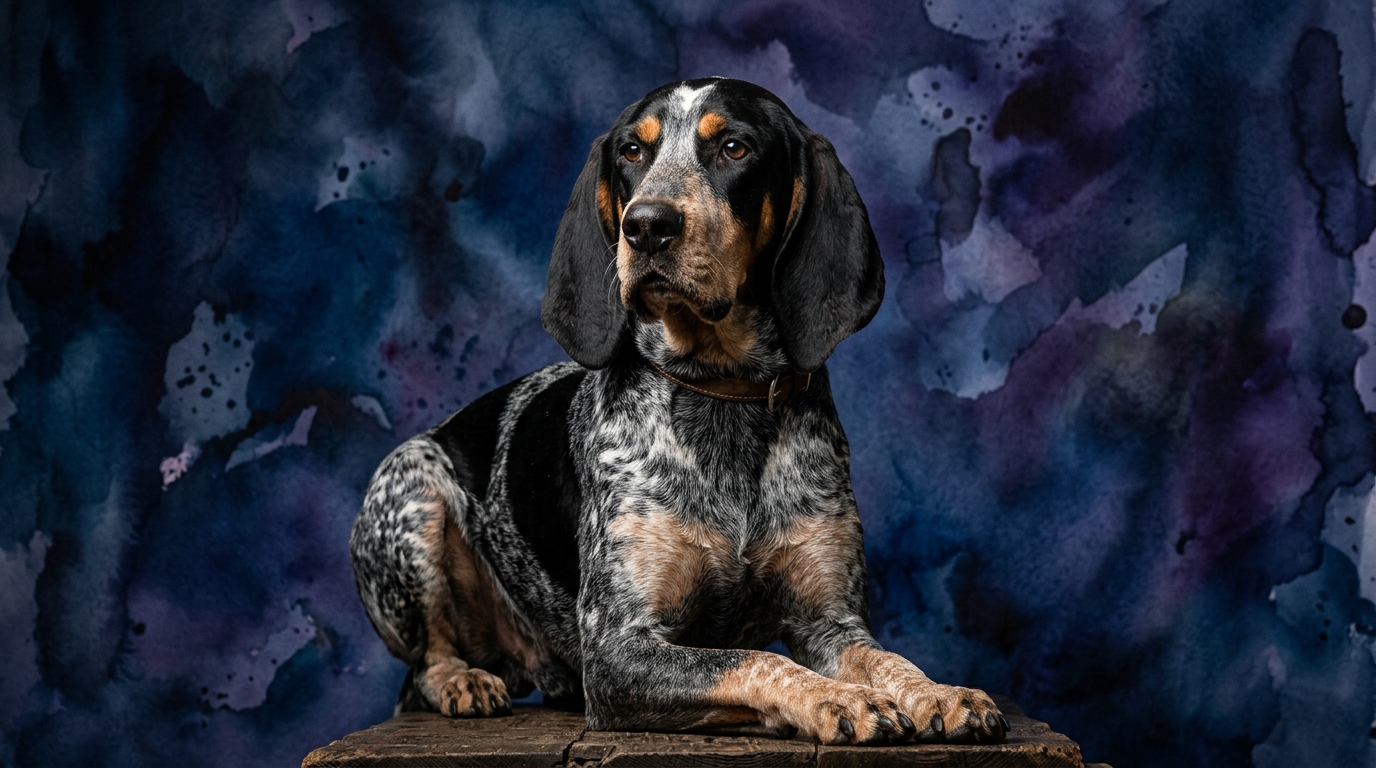
The Bluetick Coonhound exhibits a moderate capacity for problem-solving (3/5), particularly when it relates to complex scent trails. Their cognitive strengths lie in independently dissecting environmental cues to locate quarry, a skill honed over generations of solitary or small-pack hunting. However, this focus can sometimes translate into stubborn persistence on a single task, making it challenging to redirect their attention if a more "human-approved" solution is desired. Learning new commands for a Bluetick is a steady process, not a rapid one (Training Speed 3/5). Their independent spirit means they require consistent, patient, and engaging training methods. While they can grasp concepts, their intrinsic motivation often leans towards following a scent rather than immediately complying with a human directive, meaning repetitions are key to solidifying learned behaviors. Blueticks generally possess a moderate level of social intelligence (3/5), forming deep bonds with their primary human companions and pack members. They understand social hierarchies within their family unit and often communicate their needs clearly through vocalizations. However, they can be reserved or even aloof with strangers, taking time to assess new individuals before fully accepting them into their social sphere. This breed showcases a robust instinctive drive (3/5), primarily centered around scent work and vocal communication. Their powerful olfactory senses are paramount, guiding their every move in the field. This drive is a core component of their identity, manifesting as a persistent desire to explore with their nose, often accompanied by their characteristic "baying" when on a trail. Bluetick Coonhounds demonstrate a solid memory (3/5) for important locations, familiar people, and established routines. They recall scent patterns and previous hunting grounds effectively. In a domestic setting, they remember commands and house rules, but their recall for specific directives might wane without regular reinforcement, especially if a compelling scent distraction arises.
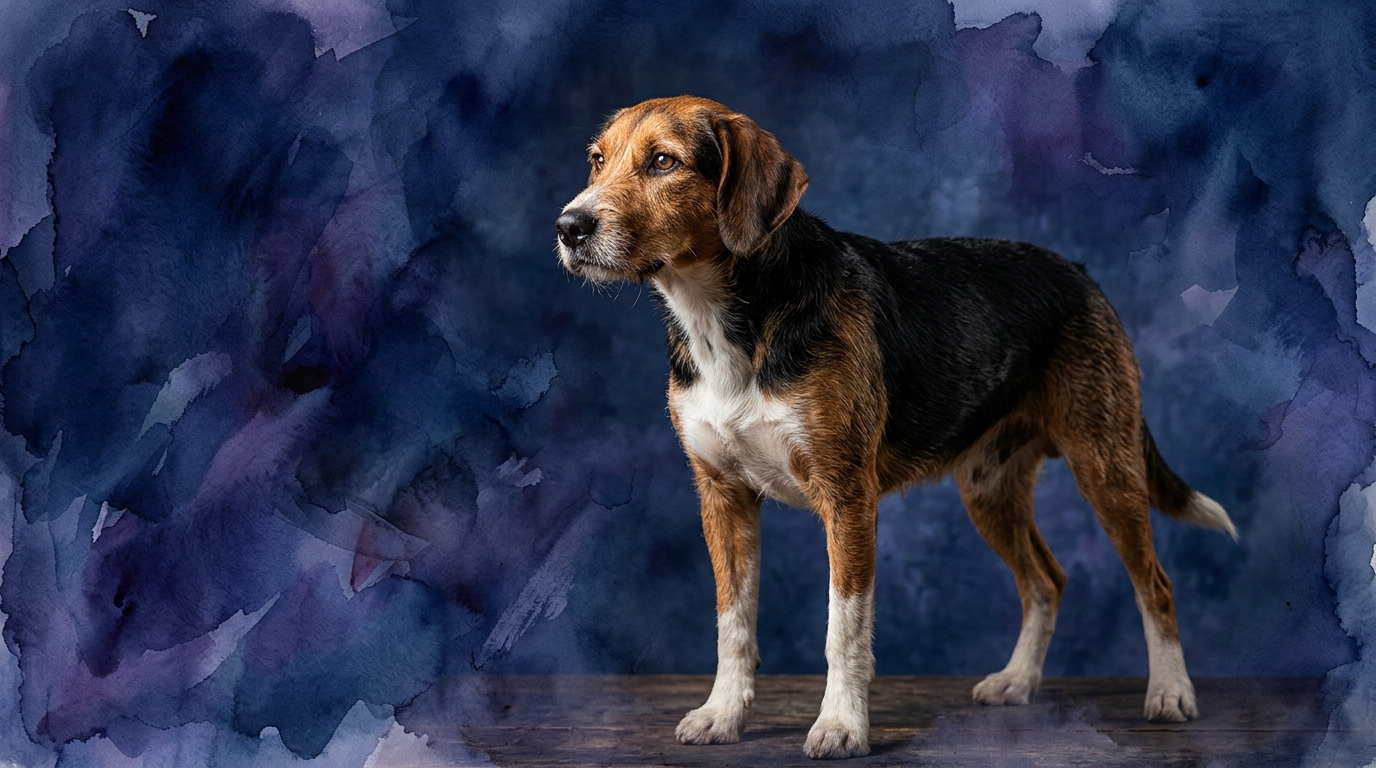
Harriers display a moderate problem-solving aptitude (3/5), often applying their keen senses and agility to navigate varied terrains during a hunt. They are adept at finding paths through obstacles to maintain a chase. While capable of figuring out practical solutions in their environment, their exuberance and high energy can sometimes lead to impulsive actions rather than carefully considered strategies, requiring redirection. Harriers learn at a moderate pace (Training Speed 3/5), thriving on positive reinforcement and engaging, game-like training sessions. Their pack-oriented nature can make them more amenable to instruction when they feel part of a team effort. However, their high energy and occasional stubbornness mean that training sessions need to be kept exciting and relatively short to maintain their focus and prevent boredom. With a strong emphasis on pack dynamics, Harriers exhibit moderate social intelligence (3/5). They are typically gregarious with their family and other dogs, readily understanding social cues within their established group. They are generally more outgoing than Blueticks with new people, though their initial greeting might be enthusiastic and boisterous, reflecting their high energy and desire to engage. Harriers possess a strong instinctive drive (3/5), primarily focused on pursuit and group cooperation in the hunt. Their energy levels are consistently high, fueled by a powerful prey drive that demands an outlet. This drive manifests as an eagerness to run, chase, and work collaboratively, often accompanied by excited vocalizations during activity. Harriers have a good memory (3/5) for places, people, and learned routines, especially those associated with positive experiences. They remember training commands and household boundaries, particularly when these are consistently applied and reinforced. Their recall is generally reliable, but can be temporarily overridden by an intense chase instinct or an exciting new scent.
Where Bluetick Coonhound Wins Cognitively
While both breeds score identically, the Bluetick Coonhound often demonstrates a nuanced cognitive edge in independent, focused scent discrimination. Their problem-solving, rated 3/5, is particularly refined for complex, cold trails, where they must meticulously process faint olfactory information without constant human guidance. This independence, stemming from their history of working solo or in small pairs, means they excel at sustained, self-directed investigation. Their memory (3/5) for intricate scent patterns and geographical layouts can also be remarkably precise, allowing them to retrace steps or remember specific quarry locations over time, contributing to a methodical and persistent approach that sets them apart in certain tracking scenarios.
Where Harrier Wins Cognitively
The Harrier, while equally rated, shines in cognitive areas related to dynamic, collaborative pursuit and adaptable engagement. Their social intelligence (3/5) is geared towards group cohesion, making them particularly adept at understanding and responding to the movements and cues of a pack, whether canine or human. This facilitates a more fluid, responsive problem-solving (3/5) approach in fast-paced hunting scenarios, where quick adjustments and teamwork are paramount. Their memory (3/5) seems to integrate well with their energetic nature, allowing them to recall multiple strategies or paths quickly in pursuit, adapting their efforts based on immediate environmental feedback rather than a purely linear, independent track.
Which is Easier to Train and Why
Determining which breed is 'easier' to train, given their identical 3/5 training speed, hinges on their underlying behavioral traits. The Bluetick Coonhound's independence and powerful, singular focus on scent can make training a test of patience. They aren't inherently disobedient, but their natural inclination is often to follow their nose rather than a verbal command, especially outdoors. This requires persistent, engaging reinforcement and a strong recall foundation to counteract their instinctive drive. In contrast, the Harrier's pack-oriented nature can sometimes make them appear more amenable to training, as they enjoy being part of a group effort and thrive on interaction. However, their boundless energy and tendency for boisterous enthusiasm can present their own challenges, requiring consistent structure and exercise to manage their exuberance and maintain focus. While both demand dedication, the Harrier's desire to please and engage with their 'pack' might make them *feel* slightly more responsive to a trainer who can channel their energy effectively, whereas the Bluetick requires a trainer who respects and can subtly redirect a deeply ingrained independence.
Which Suits Active Owners vs. Relaxed Owners
Both the Bluetick Coonhound and the Harrier are unequivocally suited for active owners, not relaxed ones. Their 3/5 instinctive drive signifies a profound need for physical and mental engagement. A Bluetick Coonhound thrives with owners who can provide ample opportunities for scent work, long walks, or secure off-leash exploration where they can follow their nose. Their energy, while not always overtly frantic, is deep-seated and requires consistent outlets to prevent boredom and destructive behaviors. Similarly, the Harrier, with its high energy and pack drive, demands owners who embrace an active lifestyle. Daily vigorous exercise, such as running, hiking, or participation in dog sports, is non-negotiable. They are not dogs content with short strolls around the block; both breeds require substantial daily activity to maintain their cognitive and physical well-being, making them unsuitable companions for a predominantly sedentary household.
The Verdict
Choose a Bluetick Coonhound if you value a dog with profound independent problem-solving skills in scent work, appreciate a more reserved social demeanor, and are prepared for a dog whose training requires patience to work with their strong, focused independence. They are ideal for owners who can provide consistent, engaging scent-based activities and respect a dog's self-directed nature in the field.
Opt for a Harrier if you seek a highly energetic, pack-oriented companion who thrives on collaborative activities and is more outwardly gregarious. They suit owners who can channel abundant energy into vigorous exercise and structured training, appreciate their boisterous enthusiasm, and enjoy a dog that readily integrates into family group dynamics.
🧠 Find Your Pet's IQ Score
Our Pet IQ Lab assessment covers 25+ tests across 5 cognitive dimensions — personalized to your breed.
Take the Full IQ Test →Frequently Asked Questions
Are Bluetick Coonhounds good family dogs?
Bluetick Coonhounds can be excellent family dogs, forming strong, loyal bonds with their immediate human pack. They are generally patient and gentle with children they know, though their reserved nature means they might not be immediately effusive with strangers. Early socialization helps them adapt to various family situations.
Do Harriers bark a lot?
Harriers are known to be quite vocal, often using their voices to express excitement, alert their owners, or during play. Their strong pack and prey drive can lead to frequent barking or "baying," especially if they are bored, under-exercised, or detect an interesting scent. Consistent training and sufficient activity can help manage their vocal tendencies.
What's the main difference in their hunting styles?
The main difference lies in their approach: Bluetick Coonhounds are typically independent trackers, excelling at following cold trails alone or in small pairs, often baying to signal their progress. Harriers, conversely, are historically pack hunters, working collaboratively with other dogs and human handlers to flush and pursue quarry, relying more on group coordination and speed.