Side-by-Side IQ Profile
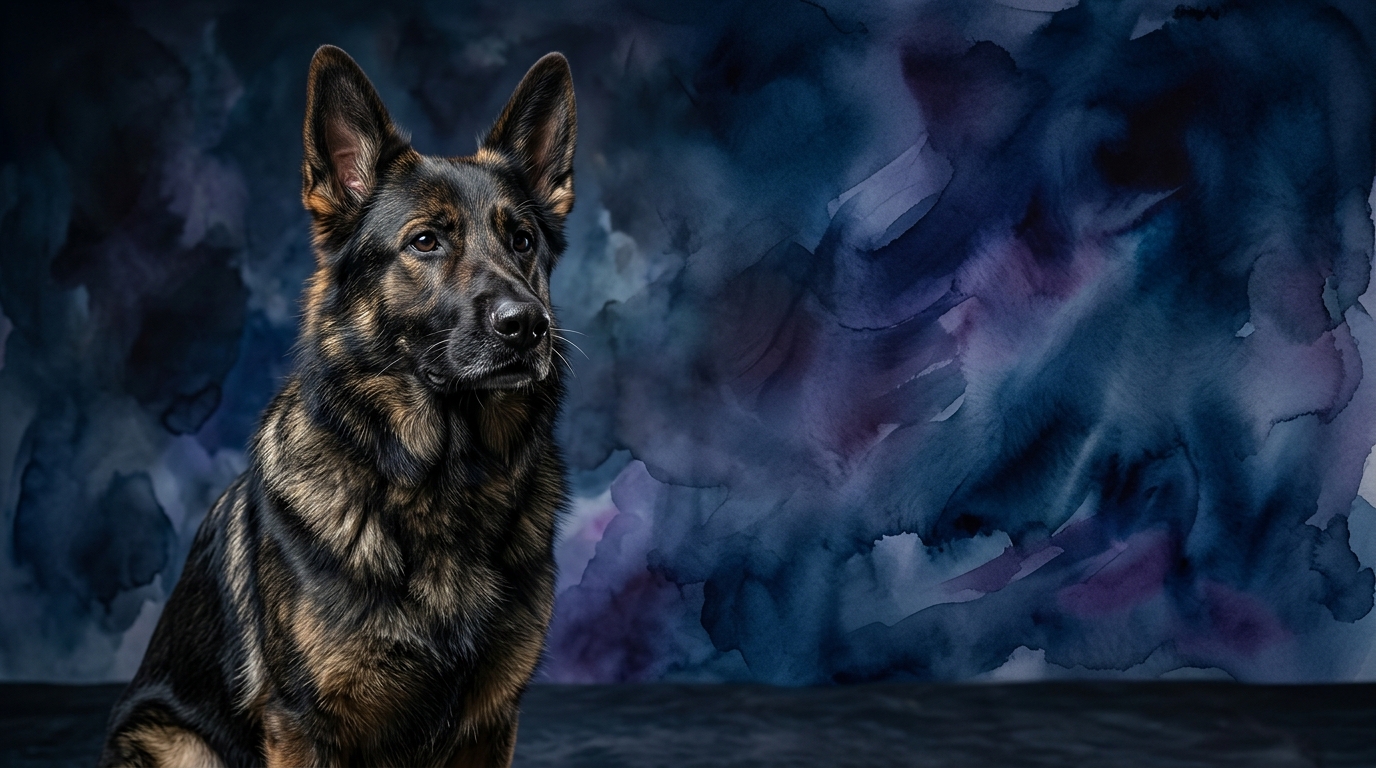
The Cosmic Pet Pet IQ Lab provides a comprehensive framework to understand canine cognitive abilities, using five key dimensions. For the German Shepherd, a breed consistently celebrated for its versatility, all dimensions register an impressive 5/5. This signifies an exceptional capacity for Problem Solving, allowing them to analyze and navigate complex, novel situations with remarkable efficiency. Their Training Speed is equally outstanding, indicating a rapid grasp of new commands and an eagerness to learn intricate routines. Social Intelligence for the German Shepherd is at its peak, reflecting their keen ability to interpret human cues, intentions, and emotional states, fostering deep cooperative bonds. Their Instinctive Drive, a powerful 5/5, fuels their purpose-driven nature, whether herding, guarding, or performing service tasks, channeling innate behaviors into productive work. Finally, their Memory, also 5/5, enables them to retain vast amounts of information, from complex sequences of commands to intricate spatial layouts and social interactions. This culminates in their Coren rank of #3, underscoring their broad cognitive prowess.
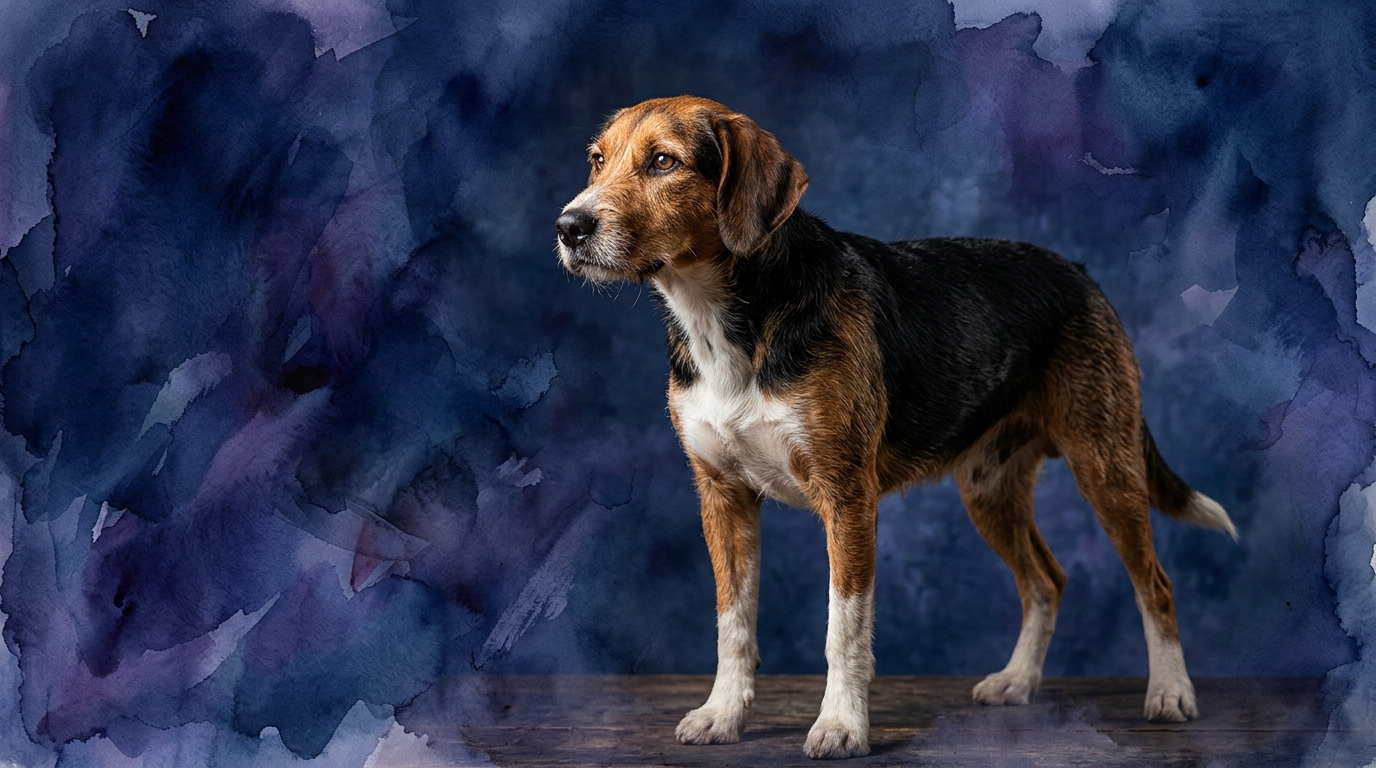
In contrast, the Harrier, a robust scent hound, presents a distinct cognitive profile, with all five dimensions rated at 3/5. Their Problem Solving ability at 3/5 suggests a persistent, methodical approach, often relying on their primary sense of smell to unravel environmental puzzles rather than abstract reasoning. A Training Speed of 3/5 means Harriers learn at a steady pace, but their independent, scent-driven focus can sometimes make them less immediately responsive to human direction compared to breeds bred for close cooperation. Their Social Intelligence, also 3/5, indicates they engage well with humans and other dogs, but their primary social drive often revolves around pack dynamics and shared pursuit rather than nuanced human-canine communication. The Harrier's Instinctive Drive, 3/5, is powerfully geared towards hunting and tracking, a relentless pursuit of scent that can override other impulses. Lastly, their Memory at 3/5 is well-adapted for recalling scent trails and established routines, though perhaps less for complex, abstract sequences. The Harrier is not Coren-ranked, reflecting its specialized cognitive strengths which aren't always captured by general obedience metrics.
Where the German Shepherd Wins Cognitively
The German Shepherd's cognitive strengths manifest in their unparalleled adaptability and their capacity for multi-faceted roles. Their 5/5 Problem Solving score means they don't just follow instructions; they can assess novel situations, anticipate outcomes, and make independent decisions that align with their handler's goals. For instance, a German Shepherd working as a service dog might learn to identify and alert to specific medical conditions, or a police dog might navigate a complex urban environment to track a suspect, requiring dynamic decision-making beyond rote commands. This ability to generalize learned behaviors to new contexts and to think critically on the fly is a hallmark of their cognitive superiority. Their exceptional Social Intelligence (5/5) allows for a depth of communication that few breeds can match, enabling them to pick up on subtle body language and vocal inflections, fostering an almost telepathic working relationship. This makes them highly receptive to training nuances and capable of intricate cooperative tasks. Furthermore, their superior Memory (5/5) allows them to master and retain vast repertoires of commands, procedures, and social cues, making them reliable partners in demanding scenarios where precision and recall are paramount.
Where the Harrier Wins Cognitively
While the German Shepherd excels in broad, cooperative intelligence, the Harrier's cognitive victories lie in its specialized, relentless pursuit of scent. Their 3/5 Problem Solving, though lower numerically, is perfectly optimized for their ancestral purpose: finding game. A Harrier's “problem” isn't a complex puzzle box, but an elusive scent trail across varied terrain. Their genius is in their unwavering focus and persistence, following a faint odor for miles, deciphering subtle changes in air currents and ground conditions. This isn't about rapid human-directed learning; it's about an independent, sustained cognitive effort driven by their potent Instinctive Drive (3/5). Their olfactory memory, a specific facet of their overall 3/5 Memory, is phenomenal, allowing them to differentiate between countless individual scents and recall specific trails over time. This specialized intelligence means they can perform tasks that would overwhelm a German Shepherd's primary sensory focus, demonstrating a unique form of cognitive superiority within their niche. Their social intelligence, while not geared towards human-centric tasks, shines in a pack environment, showcasing cooperative hunting strategies and communication among fellow hounds, a distinct form of social cognition.
Which is Easier to Train and Why
Without question, the German Shepherd is significantly easier to train, a direct consequence of their 5/5 Training Speed and Social Intelligence. They possess an inherent desire to work alongside humans, making them highly motivated to learn and eager to please. Their ability to quickly grasp complex commands, coupled with their keen understanding of human communication, means they can be taught a wide array of behaviors with relative speed and consistency. They thrive on structured learning environments and quickly form strong associations between commands and actions. Real behavioral differences include their natural inclination to maintain focus on their handler, their responsiveness to verbal cues and hand signals, and their capacity to inhibit impulses when instructed. This makes them ideal candidates for advanced obedience, agility, protection work, and service roles.
The Harrier, by contrast, presents a greater training challenge due to their 3/5 Training Speed and dominant Instinctive Drive. Their primary motivation is often the pursuit of scent, making it difficult to capture and maintain their attention when a compelling odor is present. They are independent thinkers, bred to follow a trail without constant human intervention, which translates into a strong-willed nature during training. While they can learn, it requires immense patience, consistency, and creative use of positive reinforcement that capitalizes on their prey drive. For example, recall can be particularly difficult for a Harrier once they've locked onto a scent, as their drive to follow is often stronger than their desire to return to their owner. Training a Harrier means understanding their natural instincts and finding ways to integrate them into desired behaviors, rather than expecting immediate, eager compliance.
Which Suits Active Owners vs. Relaxed Owners
Both the German Shepherd and the Harrier require active owners, though their activity needs stem from different cognitive and physical blueprints. The German Shepherd, with its 5/5 Instinctive Drive and need for mental engagement, thrives with owners who provide structured activities, consistent training, and a clear purpose. They excel in dog sports like agility, obedience, tracking, and protection work, and need daily opportunities to use both their bodies and their minds. A “relaxed” owner who offers minimal mental stimulation or physical exercise will likely find their German Shepherd developing behavioral issues stemming from boredom and unchanneled energy. These dogs need a job, whether it's guarding the home, learning new tricks, or participating in organized activities.
The Harrier also demands an active lifestyle, but primarily to satisfy its boundless physical energy and powerful scent drive. These dogs need extensive daily exercise, often involving off-leash opportunities where they can run, explore, and follow interesting smells. Their stamina is legendary, and a short walk around the block is simply insufficient. While they don't necessarily require the same level of structured mental “work” as a German Shepherd, they do need engagement that stimulates their olfactory senses and allows them to express their natural hunting behaviors. A “relaxed” owner who cannot commit to hours of physical activity, often in varied environments, will find a Harrier quickly becoming restless, destructive, or prone to excessive vocalization. Neither breed is suitable for a truly “relaxed” or sedentary owner; both demand a significant investment of time and energy, albeit channeled differently.
The Verdict
Owners seeking a dedicated, highly trainable partner for complex tasks and deep companionship will find the German Shepherd an unparalleled choice, excelling in cooperative work and nuanced communication.
For those who appreciate an independent, scent-driven companion with boundless energy for outdoor adventures, the Harrier offers persistent charm and a unique bond, thriving on exploration and olfactory challenges.
🧠 Find Your Pet's IQ Score
Our Pet IQ Lab assessment covers 25+ tests across 5 cognitive dimensions — personalized to your breed.
Take the Full IQ Test →Frequently Asked Questions
Are Harriers untrainable?
No, Harriers are trainable, but their scent-driven nature and independent streak require patient, consistent methods focused on their natural motivations rather than strict obedience, often benefiting from training that incorporates scent work.
Can a German Shepherd be a good family dog?
Absolutely, German Shepherds are often loyal and protective family members when properly socialized from a young age and given a clear role within the household, thriving on inclusion and mental engagement.
What kind of activities do Harriers enjoy most?
Harriers excel in activities like scent work, tracking, lure coursing, and long hikes or runs where they can engage their powerful noses and boundless stamina, making them ideal partners for active, outdoor pursuits.