
Side-by-Side Pet IQ Profile: Boerboel vs. Lakeland Terrier
The Cosmic Pet Pet IQ Lab provides a unique framework for understanding canine cognition across five distinct dimensions. For both the Boerboel and the Lakeland Terrier, all five categories — Problem Solving, Training Speed, Social Intelligence, Instinctive Drive, and Memory — are rated at a balanced 3/5. While numerically identical, the manifestation of these cognitive aptitudes varies significantly between these two breeds, reflecting their divergent histories and purposes.
The Boerboel, a formidable South African mastiff type bred primarily for guarding and protection, exhibits its 3/5 Problem Solving as a strategic assessment of its territory, understanding complex family dynamics, and discerning potential threats with a calm, calculated approach. Its 3/5 Training Speed indicates a moderate learning curve, capable of grasping intricate commands, though often requiring a firm, consistent handler to channel its substantial will. Social Intelligence at 3/5 is evident in its ability to read human intentions, identify intruders, and integrate into a family unit with a clear hierarchical understanding. Its Instinctive Drive, also 3/5, is powerfully expressed through a deep protective and territorial instinct, coupled with an unwavering bond to its human family. Finally, a 3/5 Memory allows it to retain routines, recall boundaries, and remember individuals it has encountered, reinforcing a stable environment.
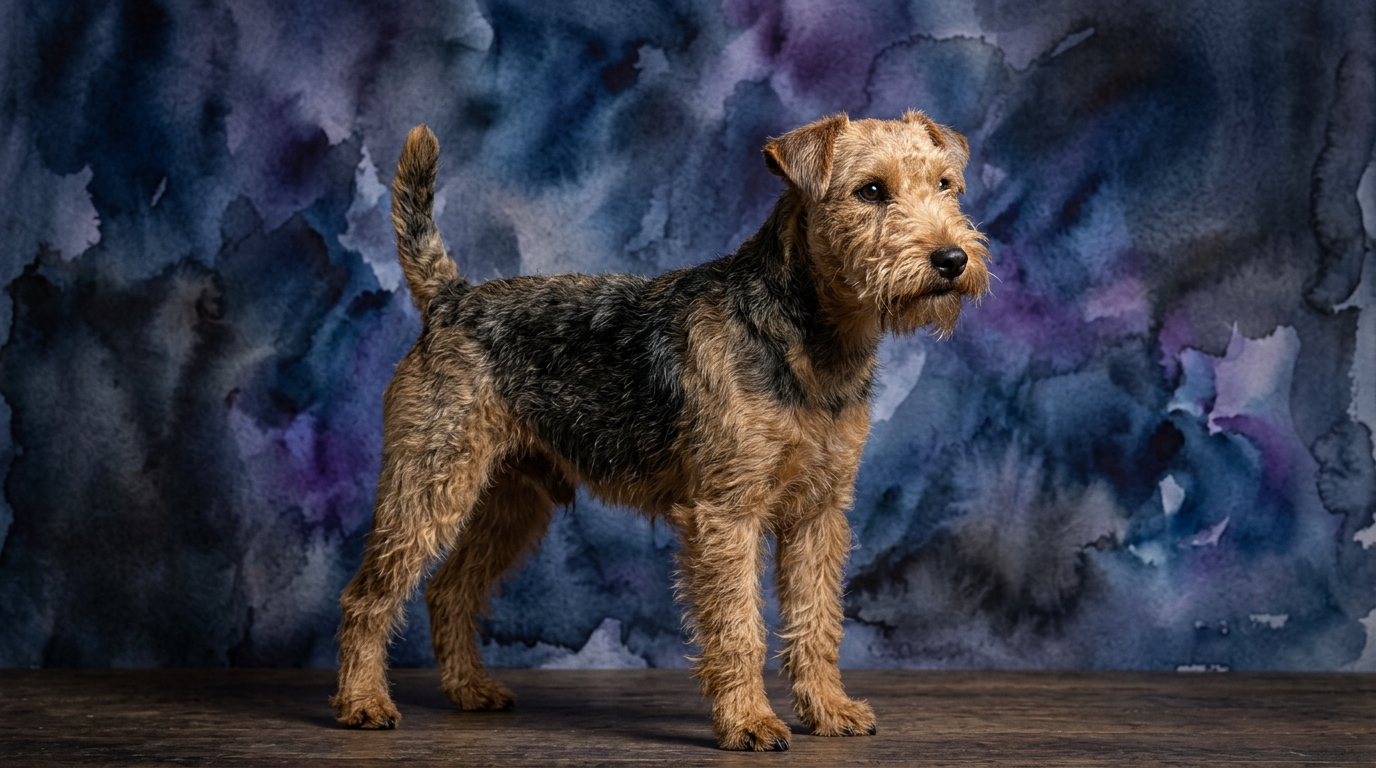
In contrast, the Lakeland Terrier, an energetic and plucky British terrier originally developed for hunting vermin, showcases its 3/5 Problem Solving through clever pursuit of prey, navigating confined spaces like burrows, or devising ingenious ways to reach an interesting scent. Its 3/5 Training Speed suggests a moderate pace of learning, though its independent spirit can sometimes be mistaken for stubbornness, necessitating engaging and varied methods to maintain focus. Social Intelligence at 3/5 is demonstrated by its ability to interact effectively within a pack (human or canine), gauge social dynamics, and respond to handler cues in fast-paced activities. The Lakeland’s 3/5 Instinctive Drive is powerfully manifested in its tenacious prey drive, digging habits, and a relentless pursuit of any perceived quarry. Its 3/5 Memory enables it to remember hunting grounds, specific scent trails, and retain learned commands crucial for various activities and dog sports.
Where the Boerboel Cognitively Excels
Despite sharing identical IQ scores, the Boerboel’s cognitive strengths are distinctly geared towards complex, large-scale environmental assessment and strategic protection. Its 3/5 in Problem Solving often translates into an intuitive understanding of property boundaries and a calculated approach to perceived threats, favoring deliberate action over impulsive reactions. This strategic thinking, combined with its 3/5 Social Intelligence, allows the Boerboel to accurately differentiate between a harmless stranger and a genuine intruder, making nuanced judgments about safety within its family unit. The breed’s memory, while rated 3/5, is particularly effective in retaining a vast mental catalog of acceptable and unacceptable behaviors, reinforcing a predictable and secure environment through consistent enforcement. A Boerboel’s 3/5 Instinctive Drive, primarily focused on guardianship, means its cognitive resources are consistently channeled into vigilance and protective decision-making, making it adept at anticipating and mitigating threats before they fully materialize.
Where the Lakeland Terrier Cognitively Shines
The Lakeland Terrier, with its identical 3/5 scores, demonstrates its cognitive prowess in agility, resourcefulness, and tenacious persistence, especially within challenging and often confined environments. Its 3/5 in Problem Solving is acutely tuned to navigating complex physical spaces, such as underground burrows, or devising creative, immediate solutions to access intriguing scents or objects. This isn't about grand strategic planning, but about tactical ingenuity in the moment. The Lakeland’s 3/5 Instinctive Drive, centered on relentless prey pursuit, fuels a focused determination that can appear as exceptional cognitive stamina when tracking or working a scent. Its 3/5 Social Intelligence often shines in dynamic, fast-paced interactions, allowing it to quickly read cues from handlers or other dogs in competitive or working scenarios, adapting its behavior on the fly. The breed's memory, while also 3/5, is particularly adept at recalling intricate pathways or sequences of actions, which is vital for its original hunting roles and its modern success in dog sports requiring precise recall of patterns.
Training Dynamics: Boerboel vs. Lakeland Terrier
When considering ease of training, the identical 3/5 Training Speed scores for both breeds don't fully capture the nuanced experience; their underlying temperaments and drives significantly influence the training journey. The Boerboel, as a working breed, often approaches training with a serious demeanor and a desire to please its leader, making them generally responsive to clear, consistent commands and a structured routine. Their 3/5 Social Intelligence aids in understanding human expectations, and their 3/5 Problem Solving helps them grasp the ‘why’ behind commands, especially when tied to their protective instincts. However, their physical power and potential for stubbornness mean that a confident, firm, and experienced handler is crucial to establish authority and prevent them from using their problem-solving skills to find loopholes in rules or boundaries.
The Lakeland Terrier, though also scoring 3/5 in Training Speed, presents a different set of training challenges and rewards. Its terrier tenacity and independent spirit, stemming from its 3/5 Instinctive Drive for hunting, can make it less inclined to blindly follow commands. Training a Lakeland requires creativity, patience, and a strong understanding of positive reinforcement to keep them engaged and motivated. Their 3/5 Problem Solving ability means they can quickly learn, but also quickly figure out how to get their own way if the training isn't stimulating or rewarding enough. While capable of learning a wide array of commands and excelling in activities like agility, their inherent desire to chase and dig requires consistent redirection and early socialization to channel their considerable energy and focus effectively. Neither breed is inherently 'easy' in the sense of being highly biddable; both demand dedicated, informed handlers who understand their specific motivations and cognitive applications.
Lifestyle Suitability: Active vs. Relaxed Owners
For active owners, both the Boerboel and the Lakeland Terrier present compelling, albeit distinct, propositions for engagement. The Boerboel, despite its imposing size, requires consistent physical exercise to maintain its powerful physique and mental equilibrium. Long, structured walks, controlled play, and opportunities for mental stimulation through training or puzzle toys are essential. Owners who enjoy outdoor activities and are prepared to integrate a large, protective companion into their lifestyle will find a Boerboel rewarding. However, a Boerboel can also transition to a relatively relaxed indoor demeanor once its needs are met, often content to supervise its family from a comfortable spot. For truly relaxed owners who prefer minimal physical exertion, the Boerboel’s significant exercise requirements and need for mental engagement would likely be overwhelming, leading to potential behavioral issues.
The Lakeland Terrier, on the other hand, is a compact dynamo built for action. Its 3/5 Instinctive Drive and energetic nature demand regular, vigorous exercise and mental challenges to prevent boredom and destructive behaviors. Owners who enjoy hiking, jogging, dog sports like agility or earthdog trials, or simply extended periods of active play will find the Lakeland an enthusiastic partner. Their curiosity and problem-solving skills thrive on novelty and engagement. While they are smaller and can adapt to smaller living spaces, their need for activity is non-negotiable. A truly relaxed owner who isn't prepared for daily vigorous activity and ongoing mental stimulation would struggle to meet the Lakeland’s inherent needs, potentially leading to a frustrated and mischievous companion. Neither breed is suitable for a truly 'relaxed' owner in the sense of minimal daily interaction and activity; both require a commitment to their physical and mental well-being.
The Verdict
Choose the Boerboel if you seek a dedicated, strategic protector for your family and property, are prepared for consistent, firm leadership, and can accommodate a large dog’s exercise and training needs.
Opt for the Lakeland Terrier if you desire a tenacious, spirited, and clever companion for active pursuits, enjoy engaging in stimulating training, and appreciate a dog with an independent, adventurous streak.
🧠 Find Your Pet's IQ Score
Our Pet IQ Lab assessment covers 25+ tests across 5 cognitive dimensions — personalized to your breed.
Take the Full IQ Test →Frequently Asked Questions
Do identical IQ scores mean Boerboels and Lakeland Terriers are equally easy to train?
Not necessarily. While both score 3/5 in Training Speed, their differing temperaments and instinctive drives mean the approach to training and the experience of training will vary significantly. Boerboels often respond best to clear leadership; Lakelands thrive on engaging, reward-based methods to counter their independent nature.
How does a 3/5 in Problem Solving manifest differently in these two breeds?
For a Boerboel, 3/5 problem-solving often involves strategic assessment of their environment for protection or understanding complex family dynamics related to their family unit. For a Lakeland Terrier, it typically manifests as clever tactical solutions in pursuit of prey, navigating confined spaces, or outsmarting a handler during play or training.
Given their similar IQ profiles, what's the biggest difference in their cognitive application?
The most significant difference lies in their primary motivations and how their cognitive abilities are deployed. The Boerboel applies its intelligence towards guardianship, protection, and understanding its place within a family hierarchy, while the Lakeland Terrier channels its cognitive skills into tenacious hunting, exploration, and resourceful pursuit of perceived quarry.