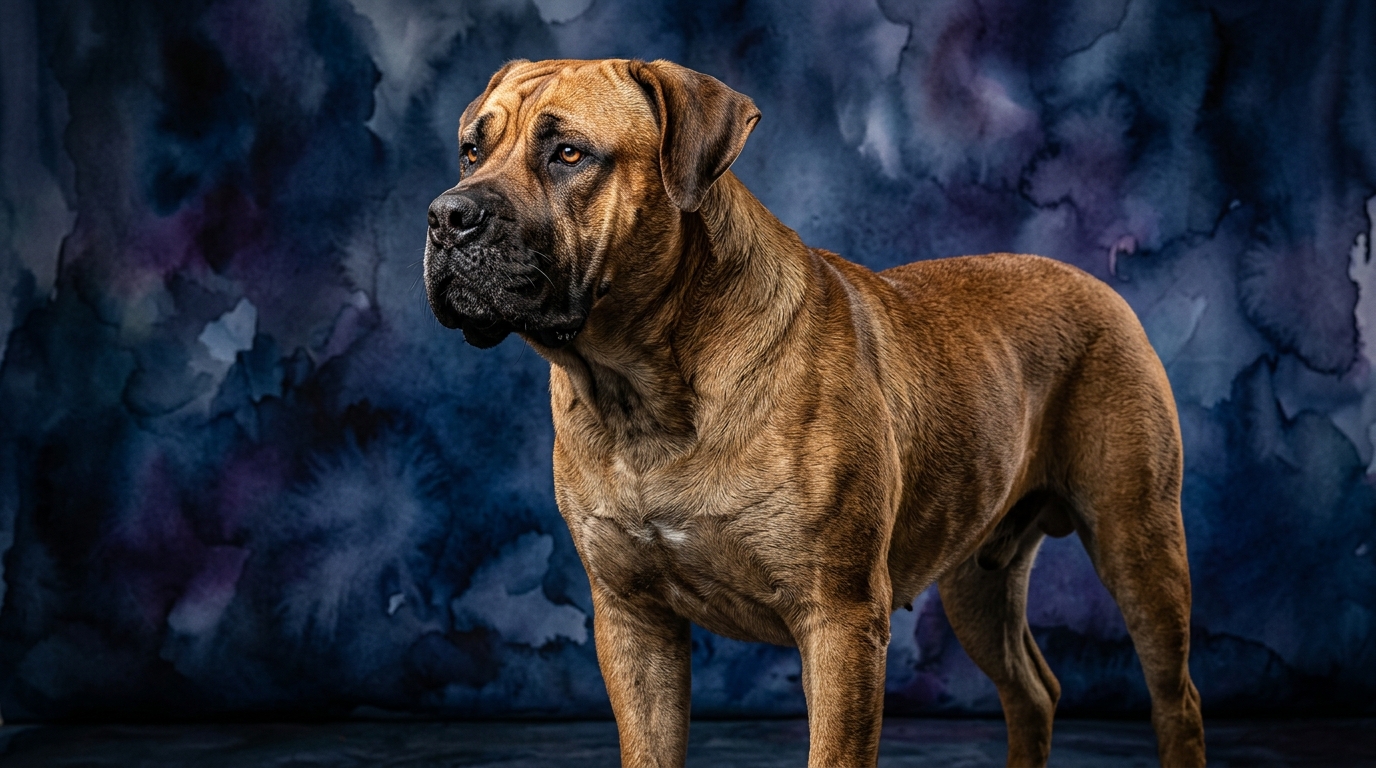
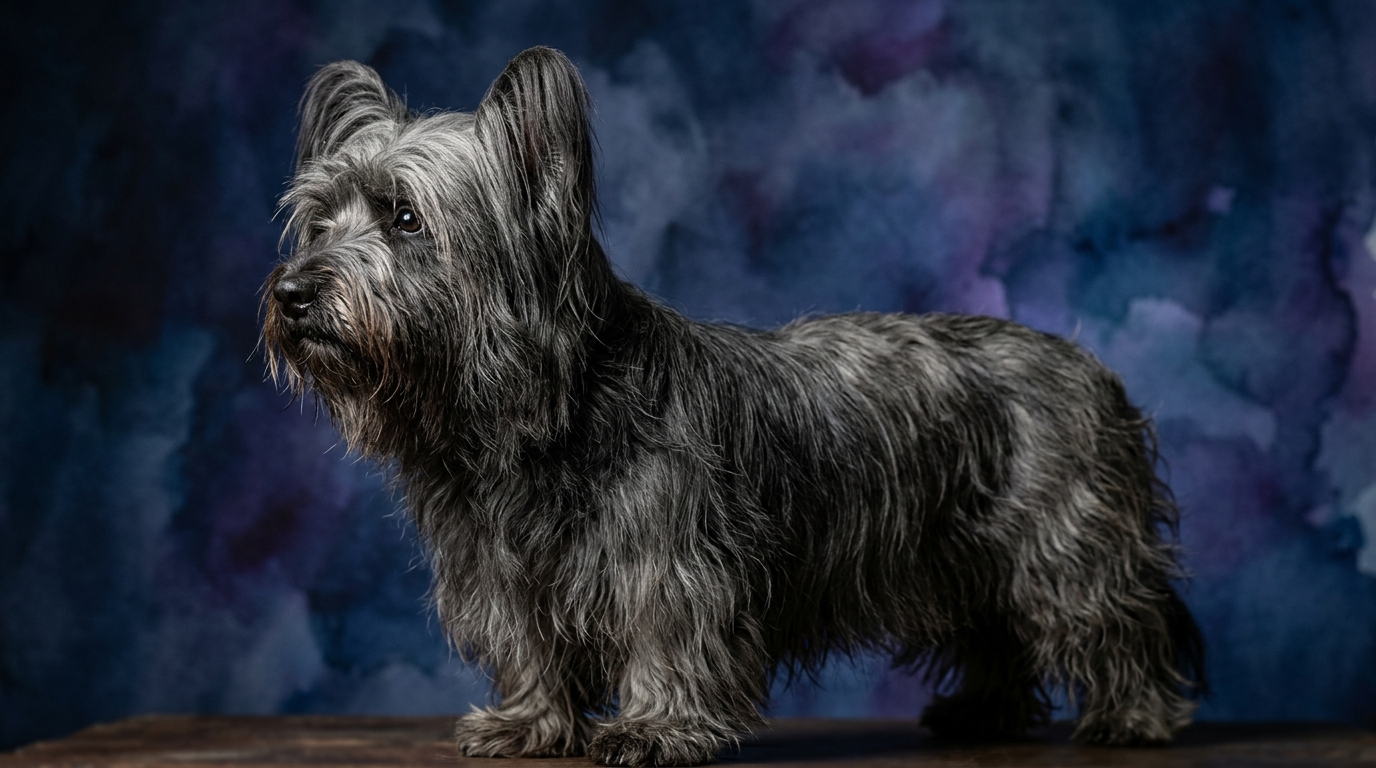
Side-by-Side Cognitive Profile: Boerboel vs. Skye Terrier
For the Boerboel, a 3/5 in problem solving manifests as practical intelligence geared towards protection; it assesses threats and intercedes, but might not engage in abstract puzzles with the same enthusiasm. The Skye Terrier, also scoring 3/5, showcases its problem-solving acumen through tenacious independence, such as devising methods to reach a burrowing animal or navigating complex terrain; its solutions are often self-serving and instinct-driven, reflecting its historical role.
The Boerboel’s 3/5 training speed indicates a steady learner who grasps commands and routines, yet its strong protective instincts and independent will mean that consistent, firm, and fair handling is crucial for optimal compliance and retention. Similarly, the Skye Terrier’s 3/5 rating reflects its capacity to learn, but its inherent terrier stubbornness and discerning nature mean that training must be engaging, varied, and reward-based to maintain its interest and commitment.
A Boerboel's social intelligence, rated 3/5, is deeply rooted in its family bond and guarding role; it keenly observes and understands the dynamics within its human pack, often anticipating needs for protection and comfort, though it can be reserved or wary with strangers. The Skye Terrier, also at 3/5, displays social intelligence through its discerning attachments, forming deep bonds with its chosen few and subtly reading their moods, but it often possesses a dignified independence, not always seeking constant interaction.
The Boerboel’s 3/5 instinctive drive is powerfully channeled into its territorial and protective behaviors, exhibiting a strong innate desire to guard its home and family, often with a formidable presence and a deep sense of responsibility. The Skye Terrier’s 3/5 instinctive drive is predominantly expressed through its strong prey drive, its compulsion to dig, and its independent hunting spirit, reflecting centuries of selective breeding for tenacious quarry work.
Both breeds score 3/5 in memory. The Boerboel demonstrates a robust memory for routines, learned commands, and, critically, for individuals and situations it perceives as either safe or potentially threatening, building a detailed mental map of its world. The Skye Terrier’s memory allows it to recall specific training cues, preferred routes, and past experiences, particularly those related to its independent pursuits or interactions with its favored humans, often remembering subtle environmental cues.
Where the Boerboel Wins Cognitively
The Boerboel often demonstrates a superior cognitive advantage in scenarios demanding a nuanced understanding of territory and threat assessment. Its substantial protective instinct, coupled with its moderate problem-solving abilities, allows it to evaluate potential dangers and react with measured, appropriate responses, rather than indiscriminate aggression. This breed’s social intelligence shines in its ability to intuit its family's security needs, often positioning itself strategically to observe and protect, a complex cognitive act involving spatial awareness and anticipatory behavior. Its memory further bolsters this, enabling it to recall past encounters and apply learned caution or acceptance to new situations, making it a highly discerning guardian.
Where the Skye Terrier Wins Cognitively
The Skye Terrier frequently excels in cognitive domains requiring independent initiative and persistent focus on a self-assigned task, particularly those related to its foundational terrier drives. Its problem-solving, while not always human-directed, is exceptionally strong when it comes to navigating obstacles to reach a goal, like accessing a hidden treat or exploring a new scent. This breed’s instinctive drive to hunt and dig, combined with a 3/5 memory, means it can persistently work towards an objective, remembering where it last left off or which approach proved successful. Its discerning social intelligence also allows it to be less susceptible to external pressures, making its decisions often based on its own assessment rather than immediate human approval.
Training Dynamics: Boerboel vs. Skye Terrier
Neither the Boerboel nor the Skye Terrier can be categorized as "easy" to train in the conventional sense, largely due to their independent natures, both scoring 3/5 in training speed. The Boerboel requires an owner who can establish clear, consistent leadership from a young age, blending positive reinforcement with firm boundaries to manage its powerful physique and protective instincts. Its training is about shaping a formidable partner through mutual respect and structure, where inconsistencies can lead to a powerful dog making its own decisions. The Skye Terrier's training demands creativity, patience, and a deep understanding of its terrier spirit; rote drills often bore it, and a heavy-handed approach can lead to stubborn refusal. Engaging its mind with games, varied exercises, and high-value rewards works best, as it thrives on making choices and being persuaded rather than simply commanded. Therefore, the "easier" is subjective, depending on an owner's training style and what type of canine personality they are equipped to manage.
Lifestyle Match: Active vs. Relaxed Owners
The Boerboel, despite its calm demeanor indoors, is best suited for owners who are prepared for active engagement and structured routines. Its substantial physical presence and protective instincts necessitate regular, purposeful exercise that includes long walks, supervised outdoor time, and mental stimulation to prevent boredom and channel its drives constructively. A truly relaxed owner might struggle with the commitment required to manage its strength and ensure its socialization. The Skye Terrier, while not requiring the same level of strenuous activity as the Boerboel, thrives with owners who can provide consistent, moderate exercise and, crucially, ample mental engagement. A "relaxed" owner for a Skye Terrier means one who appreciates quiet companionship but is also willing to engage its inquisitive mind with varied walks, puzzle toys, and interactive play, rather than leaving it to its own devices for extended periods. Both breeds demand an owner who is actively involved, just in different capacities.
The Verdict
Choose the Boerboel if you are an experienced dog owner seeking a dedicated, protective companion and are prepared for a significant commitment to consistent training and substantial physical management.
Opt for the Skye Terrier if you appreciate a discerning, independent, and charming canine friend, willing to engage with its unique terrier spirit and provide thoughtful, patient guidance.
🧠 Find Your Pet's IQ Score
Our Pet IQ Lab assessment covers 25+ tests across 5 cognitive dimensions — personalized to your breed.
Take the Full IQ Test →Frequently Asked Questions
Are Boerboels generally good with children and other pets?
Boerboels can be excellent family dogs, especially when raised with children and other pets from a young age, as their social intelligence allows them to bond deeply with their family. However, their protective instincts mean they require consistent socialization and supervision, particularly with new introductions.
Do Skye Terriers require extensive grooming?
Yes, Skye Terriers possess a double coat that requires regular grooming to prevent matting and maintain its health. Weekly brushing is typically necessary, along with occasional professional grooming to keep their distinctive long coat in prime condition and manage shedding.
How do these breeds compare in terms of vocalization or barking?
Boerboels tend to be reserved barkers, using their voice primarily for alerts or perceived threats, making them effective guardians without excessive noise. Skye Terriers, as terriers, can be more vocal, often barking to express excitement, alert to strangers, or when their independent spirit feels a need to communicate, though this can be managed with training.