Side-by-Side IQ Profile
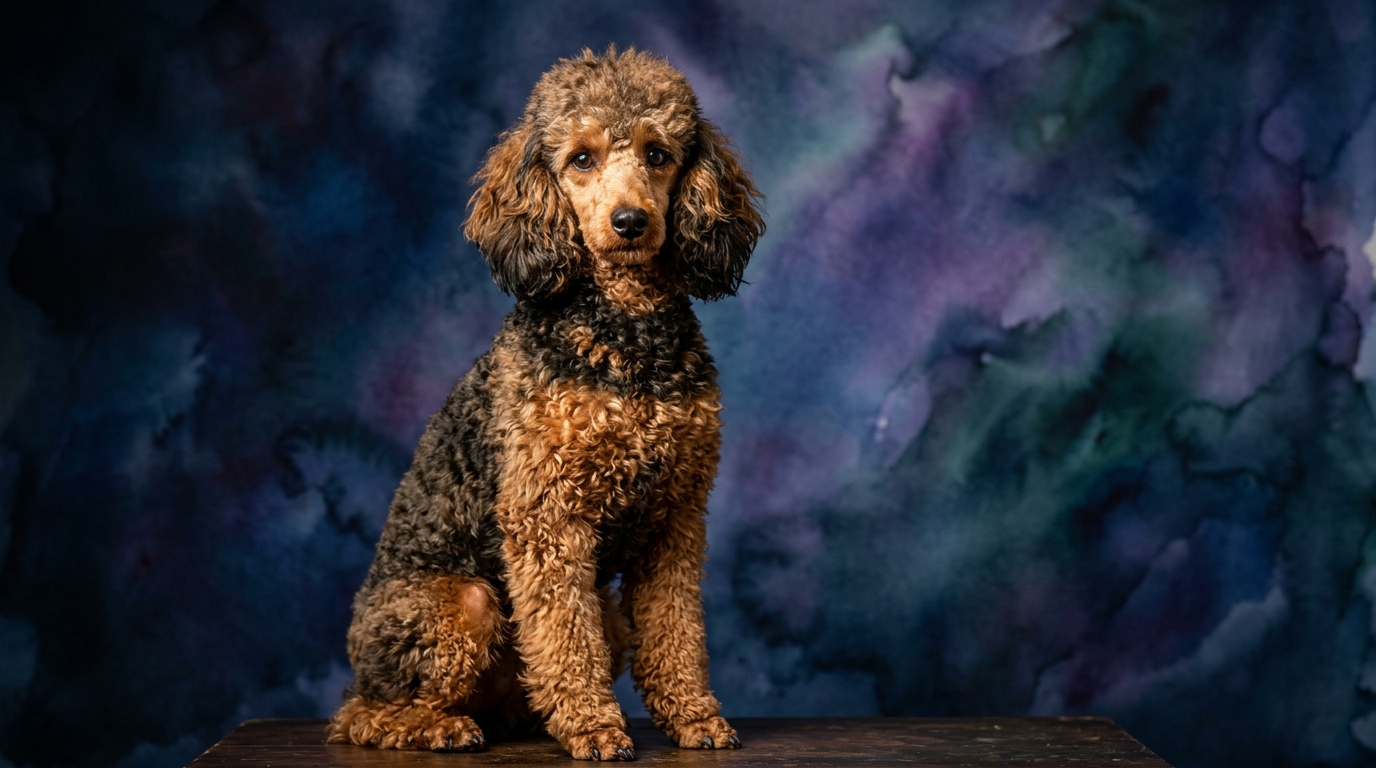
The Cosmic Pet Pet IQ Lab assesses canine cognition across five key dimensions, providing a granular view of each breed's mental aptitude. For the Poodle (Standard), our metrics paint a picture of exceptional cognitive agility. They score a perfect 5/5 in Problem Solving, indicating an impressive capacity to navigate novel situations and devise solutions independently. Their Training Speed also rates 5/5, suggesting they grasp new commands and concepts with remarkable quickness, often requiring minimal repetitions. Social Intelligence, a measure of their ability to interpret human cues and adapt to social contexts, is another 5/5, highlighting their attunement to their human companions. Memory stands at a robust 5/5, allowing them to recall learned behaviors and past experiences with precision. Their Instinctive Drive, while strong, registers at 4/5, meaning they possess natural predispositions that can be channeled effectively.
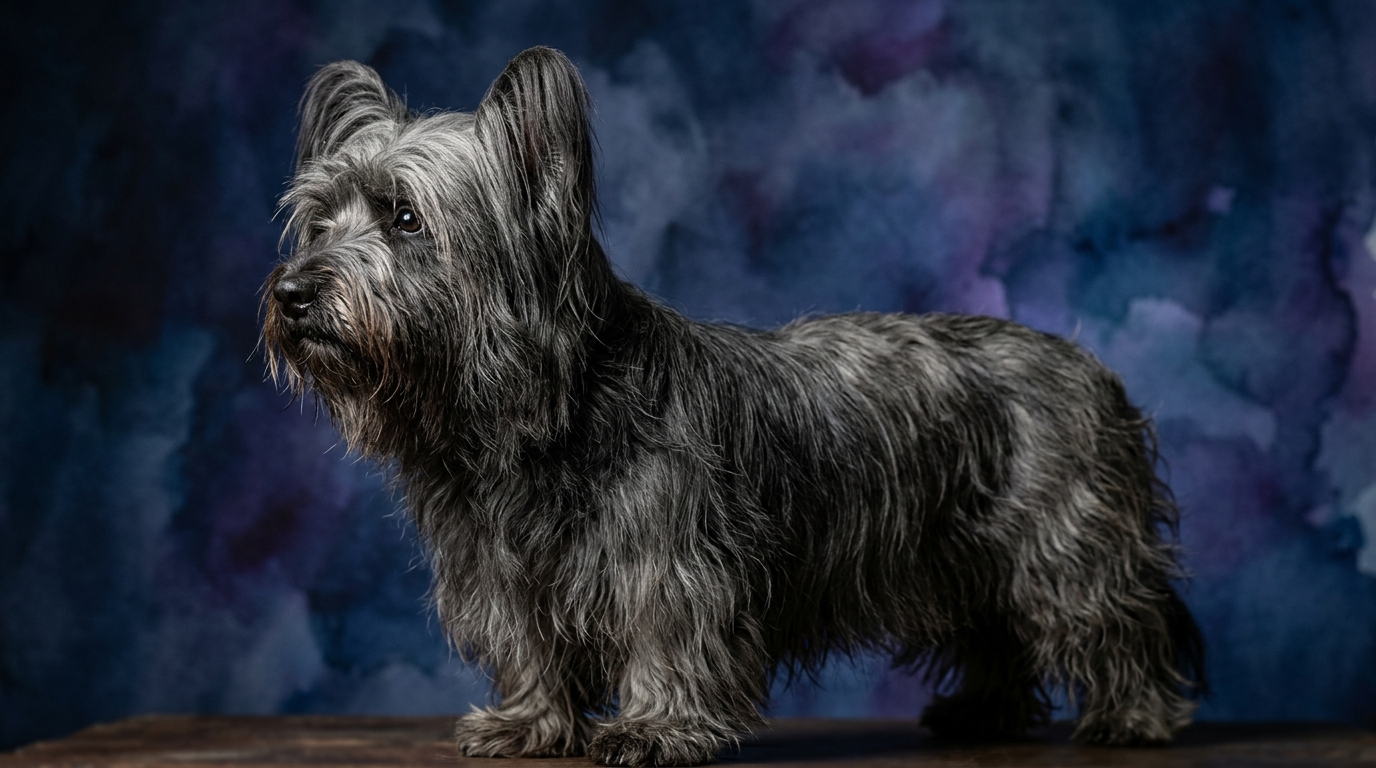
In contrast, the Skye Terrier presents a different cognitive profile, reflecting its heritage and temperament. Across all five dimensions—Problem Solving, Training Speed, Social Intelligence, Instinctive Drive, and Memory—the Skye Terrier consistently scores 3/5. This indicates a competent but more deliberate approach to cognitive tasks compared to the Poodle. A 3/5 in Problem Solving means they can resolve challenges, though perhaps with less immediate insight or a more tenacious, trial-and-error method. Their 3/5 Training Speed suggests they require more patience and repetition to master new commands, learning steadily rather than swiftly. Social Intelligence at 3/5 implies they are aware of human interactions but might prioritize their own internal motivations more than constant human direction. An Instinctive Drive of 3/5 points to a moderate level of intrinsic motivation, often focused on their traditional terrier roles, while their 3/5 Memory indicates they retain information, though perhaps not with the same immediate recall as a higher-scoring breed.
Where the Poodle (Standard) Wins Cognitively
The Poodle (Standard) demonstrates clear cognitive advantages across several domains. Their 5/5 in Problem Solving means they can quickly analyze complex situations, whether it's figuring out how to open a child-proof gate or navigating an intricate agility course. This isn't about brute force, but rather an elegant, almost intuitive understanding of cause and effect, allowing them to adapt and innovate with ease. Coupled with a 5/5 in Memory, a Poodle can not only solve a new puzzle but also recall the solution long after the initial encounter, making them highly effective learners in varied environments.
Their superior Social Intelligence (5/5) allows Poodles to excel at understanding human communication, often anticipating intentions before a command is even fully delivered. This deep attunement to their owners' moods, gestures, and vocal tones fosters a highly collaborative relationship, making them exceptionally responsive partners. This cognitive trait, combined with their 5/5 Training Speed, means Poodles often pick up new tricks, complex routines, or advanced obedience commands in just a few repetitions. They demonstrate an eagerness to engage in learning, not just for a reward, but often for the sheer joy of interaction and mental stimulation, making them prime candidates for advanced dog sports and service work where precise, rapid learning is paramount.
Where the Skye Terrier Wins Cognitively
While the Skye Terrier's IQ scores are generally more moderate, their cognitive profile presents distinct strengths that cater to specific owner preferences and lifestyles. Their consistent 3/5 across all categories indicates a balanced, steady cognitive approach rather than a rapid, high-intensity one. This can translate into a dog less prone to overstimulation or anxiety from constant complex mental demands. For an owner seeking a companion with a more grounded demeanor, the Skye's moderate Problem Solving (3/5) means they will still tackle challenges, but perhaps with a tenacious, persistent effort rather than a lightning-fast solution, which can be admirable in its own right.
The Skye Terrier's 3/5 in Social Intelligence, while lower than the Poodle's, often translates into a strong sense of self-reliance and an independent spirit. They form deep, loyal bonds with their families but are less inclined towards constant people-pleasing or seeking validation, a trait some owners deeply appreciate. This independence can be a cognitive 'win' for those who value a dog with its own strong personality, less susceptible to external pressures and more driven by an internal compass. Their 3/5 Instinctive Drive, though not as high as some working breeds, is often keenly focused on their terrier heritage—alertness, a keen sense of smell, and a determined pursuit of their own interests. This focused persistence, rather than broad adaptability, can be a cognitive asset in specific contexts where tenacity and self-direction are valued.
Which is Easier to Train and Why
When considering ease of training, the Poodle (Standard) stands out significantly due to its 5/5 Training Speed and 5/5 Social Intelligence. Poodles possess a remarkable eagerness to learn and please, combined with an exceptional ability to understand and respond to human cues. This means they often pick up new commands in as few as one to five repetitions, quickly generalizing what they've learned to different environments. Their strong memory (5/5) ensures that once a behavior is learned, it is retained effectively, making proofing and advanced training a smoother process. Poodles thrive on positive reinforcement and mental engagement, often viewing training as a collaborative game, making them highly rewarding partners for obedience, agility, or rally.
The Skye Terrier, with its 3/5 Training Speed and 3/5 Social Intelligence, presents a different training experience. They are not untrainable, but they require more patience, consistency, and a deeper understanding of their independent terrier nature. Skyes may take more repetitions to grasp new concepts, and their lower social intelligence means they might not always prioritize human direction over their own instincts or preferences. They can exhibit a characteristic terrier stubbornness if not motivated effectively, often requiring owners to make training highly engaging and relevant to their natural drives. Success with a Skye Terrier often hinges on building a strong, trust-based relationship, utilizing positive reinforcement, and accepting that their learning curve will be more gradual and deliberate compared to the Poodle's rapid assimilation of information.
Which Suits Active Owners vs. Relaxed Owners
For owners with an active lifestyle that includes significant mental engagement, the Poodle (Standard) is an exceptional match. Their high scores in Problem Solving, Training Speed, and Memory mean they thrive on consistent mental stimulation, complex training sessions, and opportunities to use their cognitive abilities. An 'active owner' for a Poodle isn't just someone who enjoys long walks; it's someone who delights in teaching new tricks, participating in dog sports like agility or obedience, or providing puzzle toys that challenge their sharp minds. Their 4/5 Instinctive Drive also benefits from outlets such as retrieving games or scent work, ensuring their energy is channeled constructively. A Poodle can become bored and potentially destructive if their cognitive needs are not met.
The Skye Terrier, with its more moderate cognitive profile (all 3/5s), generally suits owners who prefer a more relaxed pace, yet still appreciate consistency and a strong bond. While they benefit from regular walks and consistent, patient training, they typically don't demand the same level of intense, complex mental exercise as a Poodle. A 'relaxed owner' for a Skye might be someone who enjoys quiet companionship, steady routines, and is content with moderate daily exercise and less demanding mental games. Their independent nature means they can be content with their own company for periods, making them suitable for individuals who appreciate a dog with a strong, self-possessed character that doesn't constantly seek instruction or validation, provided their basic needs for activity and companionship are met.
The Verdict
Choose the Poodle (Standard) if you seek a highly responsive, adaptable companion eager for complex training, mental challenges, and deep social interaction.
Opt for the Skye Terrier if you value a loyal, independent companion with a steady temperament, a unique character, and appreciate a more patient, persistent approach to training.
🧠 Find Your Pet's IQ Score
Our Pet IQ Lab assessment covers 25+ tests across 5 cognitive dimensions — personalized to your breed.
Take the Full IQ Test →Frequently Asked Questions
Are Poodles good for first-time dog owners?
Yes, Poodles can be excellent for first-time owners who are prepared to meet their significant needs for mental stimulation and consistent, positive training. Their eagerness to learn and strong social intelligence make them very receptive to guidance.
Do Skye Terriers need a lot of exercise?
Skye Terriers have moderate exercise needs; regular daily walks and some playtime are usually sufficient. While not overly athletic, they do benefit from consistent activity to maintain physical and mental well-being, but they don't require intense, high-impact activities.
What specific challenges might a Skye Terrier present in training?
Skye Terriers can present challenges in training due to their independent nature and potential for stubbornness. Owners may need to be very patient, consistent, and creative in motivating them, as they might not respond as quickly or eagerly to commands as more biddable breeds.