Side-by-Side Cognitive Profiles
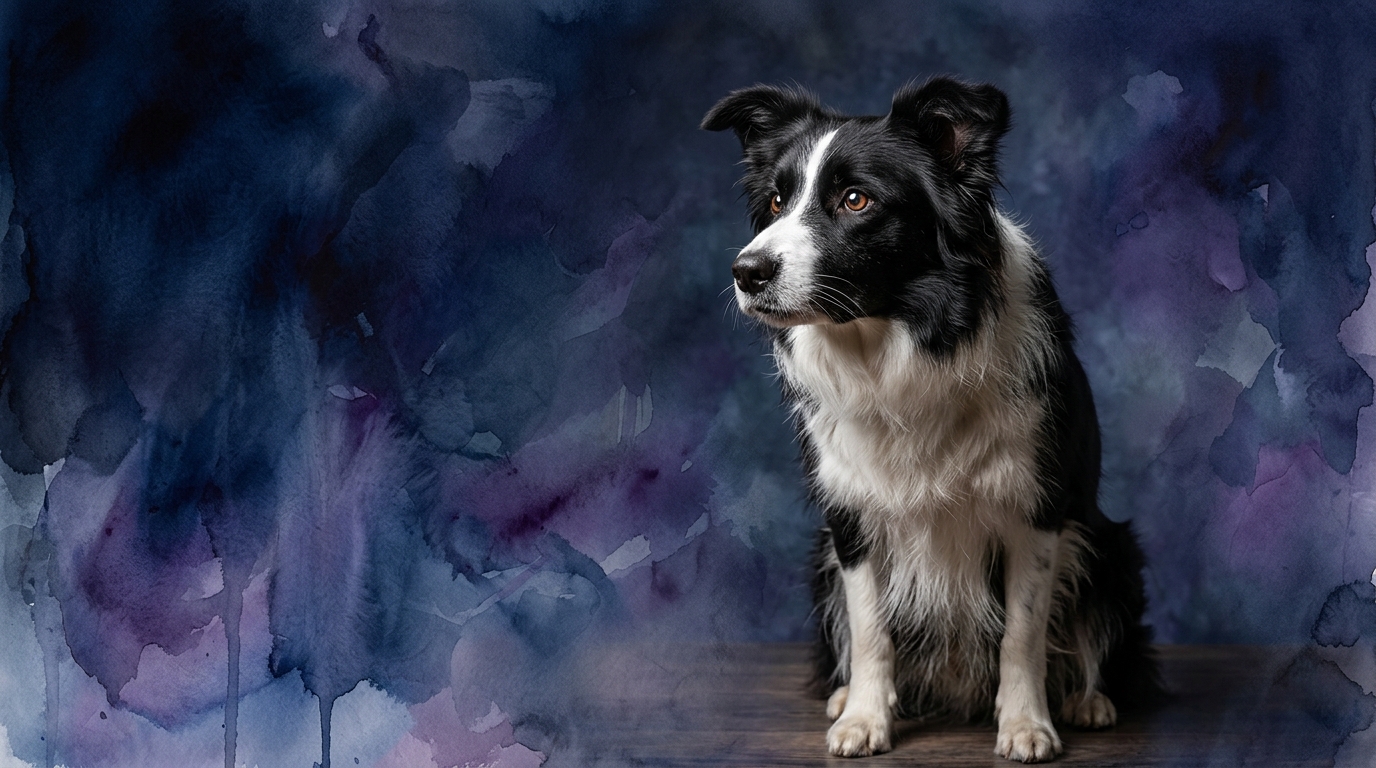
The Cosmic Pet Pet IQ Lab provides a comprehensive view of each breed's cognitive strengths across five key dimensions. For the Border Collie, we see a pinnacle of problem-solving ability, marked at 5/5. This breed demonstrates an exceptional capacity to analyze novel situations and devise effective solutions independently. Their training speed also clocks in at a perfect 5/5, indicating rapid acquisition of new commands and complex sequences. Social intelligence stands strong at 4/5, reflecting their ability to interpret and respond to human cues and social dynamics. An instinctive drive of 5/5 underscores their profound natural herding instincts and an inherent need for purposeful activity. Finally, their memory, crucial for recalling vast arrays of commands and experiences, is rated at 5/5.
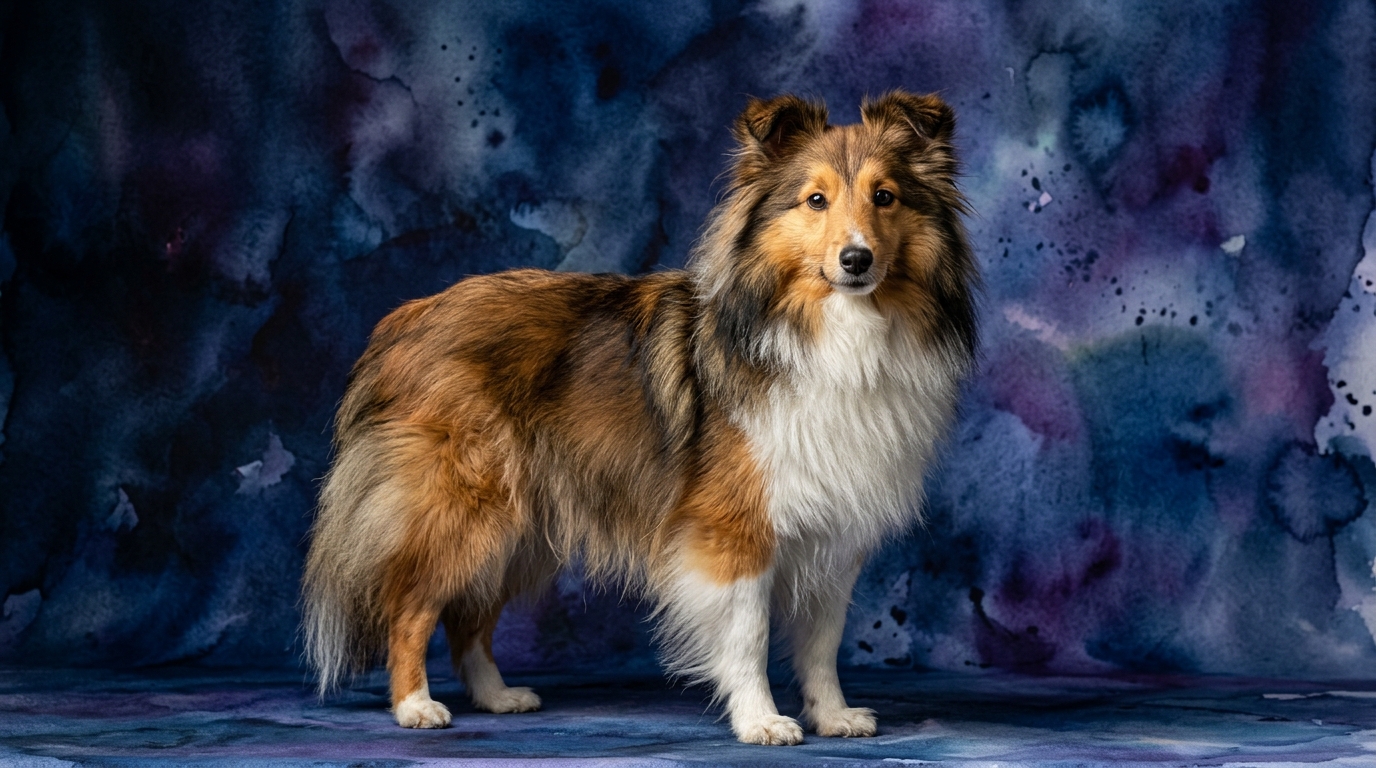
Turning to the Shetland Sheepdog, we observe a profile that, while remarkably similar in many aspects, holds subtle yet significant differences. Their problem-solving score of 4/5 signifies a highly capable mind, adept at learning patterns and executing complex tasks, though perhaps with a slightly lesser propensity for purely novel, independent strategizing compared to the Border Collie. Training speed is also a stellar 5/5, showing they are quick studies who absorb new information readily. Social intelligence matches the Border Collie at 4/5, pointing to their keen awareness of their human companions' emotional states and intentions. Like their larger counterpart, Shetland Sheepdogs possess a powerful instinctive drive rated at 5/5, a clear indicator of their herding heritage. Their memory is equally impressive, scoring 5/5, allowing them to retain a vast repertoire of learned behaviors and social cues.
Where the Border Collie Leads Cognitively
The Border Collie’s distinct advantage lies squarely in its Problem Solving score of 5/5, a full point above the Shetland Sheepdog's 4/5. This difference is not merely academic; it translates into a tangible capacity for abstract thought and independent strategizing. A Border Collie is more likely to assess a complex, unfamiliar situation—like a gate with an unconventional latch or a flock of sheep scattered across varied terrain—and independently deduce a novel, effective approach to achieve its goal. Their minds are constantly processing variables, predicting outcomes, and innovating solutions, even without prior instruction. This means they excel at tasks demanding improvisation, intricate puzzle-solving, or devising new methods to overcome obstacles that aren't part of a learned sequence, often surprising owners with their ingenuity in figuring things out on their own.
Furthermore, this heightened problem-solving, combined with a 5/5 instinctive drive, means Border Collies are less content with mere repetition; they actively seek intellectual challenges. This cognitive profile makes them exceptional candidates for advanced canine sports requiring complex decision-making, such as agility courses where they must adjust their path on the fly, or herding trials where they adapt to unpredictable livestock behavior without direct handler intervention. Their mental engine runs at a higher RPM when it comes to figuring things out from scratch, rather than simply recalling learned responses.
Where the Shetland Sheepdog Excels Cognitively
While the Shetland Sheepdog's problem-solving score is slightly lower, its unique blend of cognitive attributes allows it to excel in specific contexts, particularly within a domestic environment where intricate social interaction and consistent adherence to learned rules are paramount. The Sheltie's 4/5 Problem Solving, combined with its 5/5 Training Speed and 5/5 Memory, means it quickly learns and flawlessly executes complex routines. Where a Border Collie might innovate, a Sheltie often excels by consistently applying learned solutions with precision, making them incredibly reliable in structured environments and when adhering to established household protocols. This can be a significant cognitive advantage for owners who prioritize predictability and consistent compliance over independent strategizing.
Additionally, the Sheltie's 4/5 Social Intelligence, coupled with its robust memory, positions them as exceptionally perceptive companions who are highly attuned to subtle human cues. Their slightly less intense, yet still 5/5, instinctive drive compared to the Border Collie's application of it often translates into a dog that is less prone to 'self-employment' by constantly inventing new tasks or challenges. Instead, they often channel their cognitive energies into understanding and responding to their family’s emotional landscape and social rituals, making them masters of cooperative engagement. This cognitive disposition fosters an endearing attentiveness and willingness to please that makes them feel deeply connected to their human counterparts, a distinct win in the realm of sophisticated interspecies social understanding.
Training: Border Collie vs. Shetland Sheepdog
Both breeds boast a perfect 5/5 Training Speed, meaning they both absorb new commands and behaviors with remarkable alacrity. However, the ease of training for an average owner diverges due to other cognitive factors. A Border Collie's 5/5 Problem Solving and 5/5 Instinctive Drive means they not only learn rapidly but also constantly seek opportunities to apply their intellect and drive. If not provided with ample mental and physical stimulation, they will apply their problem-solving skills to unintended 'jobs' like escaping the yard, reorganizing household items, or developing complex attention-seeking behaviors. Training a Border Collie requires an owner who can consistently outthink and out-plan their dog, offering continuous, varied cognitive challenges to prevent boredom and undesirable self-directed activities.
Conversely, while the Shetland Sheepdog also has a 5/5 Training Speed and 5/5 Instinctive Drive, their 4/5 Problem Solving score often makes them ‘easier’ in practice for many owners. They learn commands equally fast, but are generally more content to stick to the learned rules and routines without constantly trying to innovate or 'improve' upon them. Their desire to please and their strong social intelligence (4/5) often makes them highly compliant and focused on their handler’s directions, rather than becoming independently distracted by novel solutions. This predictability, combined with their eager-to-please nature, can make them feel more manageable and less demanding of constant cognitive redirection during training sessions, even for novice owners.
Family Pet Suitability: Active vs. Relaxed Owners
For active owners seeking a true canine partner for demanding activities, the Border Collie stands out. Their exceptional 5/5 Problem Solving and 5/5 Instinctive Drive means they thrive when engaged in a rigorous schedule of complex training, competitive dog sports like advanced agility, flyball, or actual herding work. They demand constant mental stimulation and physical outlets; an owner who can provide daily, varied intellectual challenges and significant exercise will find an unparalleled companion in a Border Collie. These dogs are not content to merely observe; they need a ‘job’ and an outlet for their relentless drive and cognitive prowess, making them unsuitable for passive companionship.
For owners who are active but also appreciate a more adaptable and slightly less intensely demanding canine companion, the Shetland Sheepdog offers an excellent balance. While still requiring regular exercise and mental engagement due to their 5/5 Instinctive Drive and 4/5 Problem Solving, their needs are often more flexible. They enjoy active play, walks, and learning new tricks, but may not possess the same relentless, independent drive to 'work' every waking moment as a Border Collie. Their strong social intelligence (4/5) and memory (5/5) make them highly responsive, affectionate family members who excel in dynamic household environments. They adapt well to varied family rhythms, providing keen companionship without the intense, unwavering cognitive demands of a top-ranked working Border Collie.
The Verdict
Choose the Border Collie if you are an experienced, active owner dedicated to providing relentless mental and physical challenges, thriving on a dog that actively seeks to outsmart and problem-solve alongside you.
Opt for the Shetland Sheepdog if you desire a highly intelligent, eager-to-please companion who excels at learning, is socially attuned, and offers robust cognitive engagement within a slightly more adaptable lifestyle.
🧠 Find Your Pet's IQ Score
Our Pet IQ Lab assessment covers 25+ tests across 5 cognitive dimensions — personalized to your breed.
Take the Full IQ Test →Frequently Asked Questions
Do Border Collies and Shetland Sheepdogs bark a lot?
Both breeds, originating as herding dogs, can be vocal. Border Collies may use barks to direct livestock or when bored, while Shetland Sheepdogs are known for their alert barking as excellent watchdogs, often communicating perceived threats or excitement.
Are Shetland Sheepdogs easier to live with in an apartment than Border Collies?
Generally, yes. While both require exercise, a Shetland Sheepdog's smaller size and slightly less intense independent problem-solving drive often make them more adaptable to apartment living, provided they receive adequate daily walks and mental stimulation indoors.
Do these breeds get along well with children?
Both breeds, with their strong social intelligence, can be excellent with respectful children when properly socialized from a young age. However, their herding instincts might lead them to 'herd' children, requiring supervision and training to manage this natural behavior effectively.