Side-by-Side IQ Profile: Dissecting Canine Genius
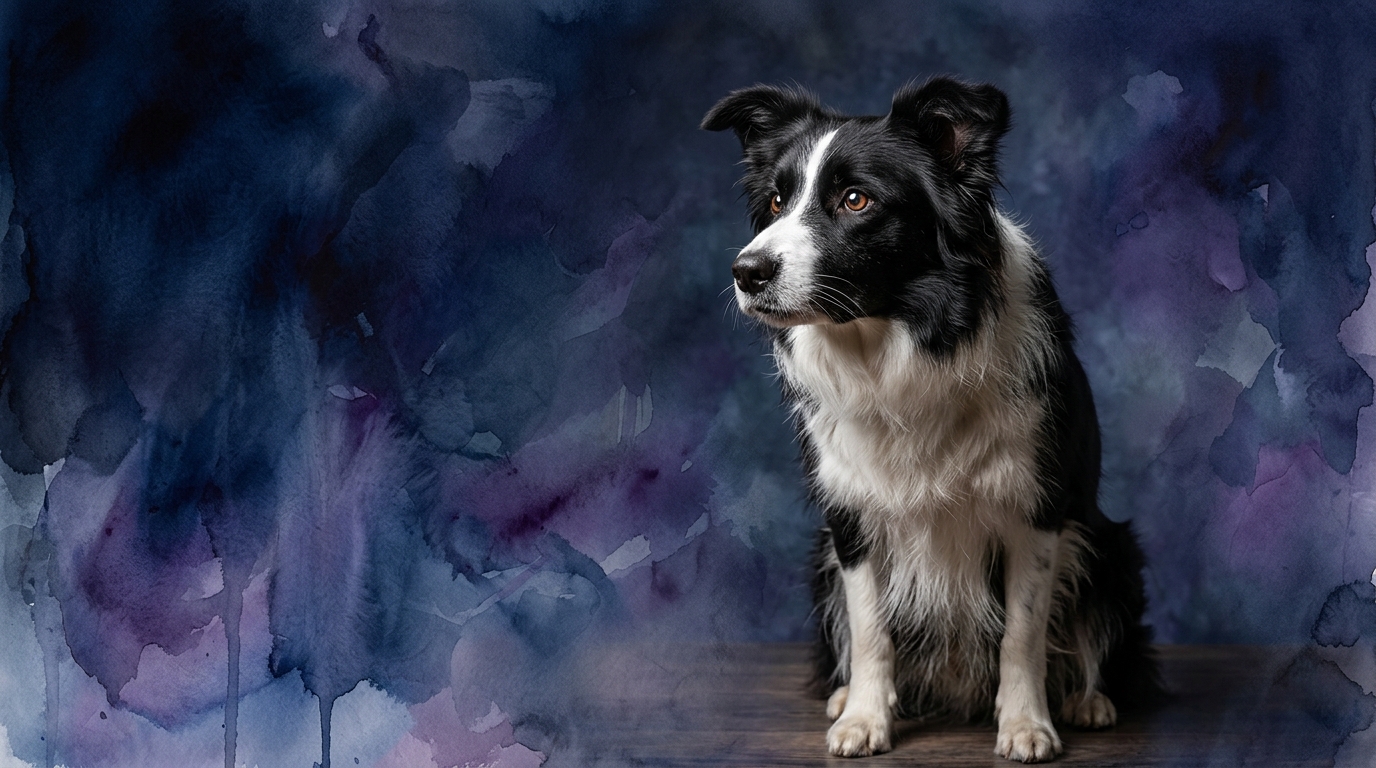
The Cosmic Pet Pet IQ Lab employs a comprehensive five-dimensional assessment to map a breed's cognitive landscape. For the Border Collie, a consistent 5/5 in Problem Solving, Training Speed, Instinctive Drive, and Memory, alongside a 4/5 in Social Intelligence, paints a picture of a dog engineered for intricate tasks and rapid learning. Their problem-solving excels in dynamic, multi-variable scenarios, such as strategically maneuvering livestock across varied terrain, requiring constant adaptation and predictive thought. The 5/5 in Training Speed highlights their uncanny ability to acquire new commands and complex sequences with minimal repetition, driven by an innate desire for purpose. This breed's Instinctive Drive, a perfect 5/5, is overwhelmingly channeled into herding, manifesting as an intense focus on control and movement. Their 5/5 Memory allows them to recall extensive repertoires of commands, intricate routines, and strategic approaches to tasks, contributing to their reliability in complex work. The 4/5 Social Intelligence score indicates a profound understanding of their handler's cues and intent, often prioritizing work over casual social interaction with strangers, showing discernment rather than deficiency.
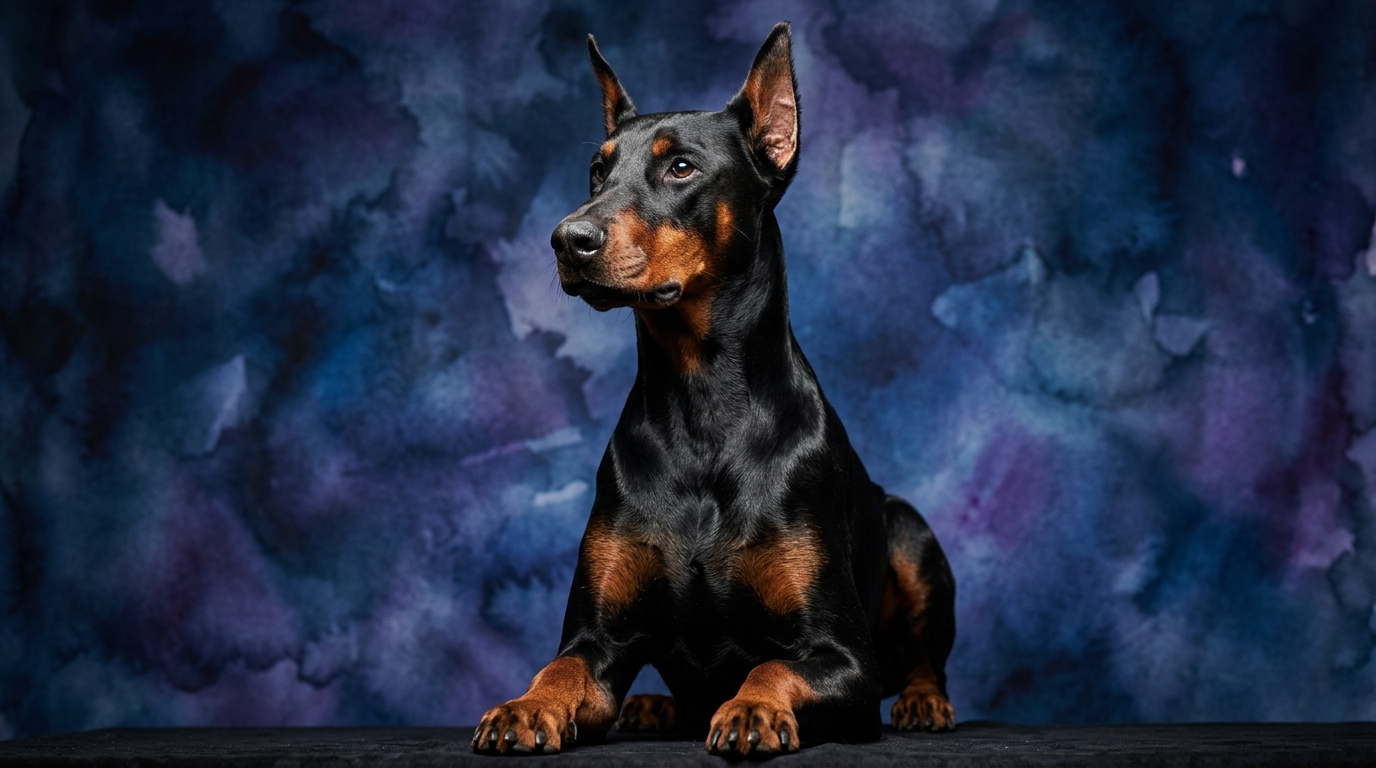
The Doberman Pinscher also achieves impressive scores: 5/5 in Problem Solving, Training Speed, Instinctive Drive, and Memory, with a 4/5 in Social Intelligence, mirroring the Border Collie's numerical profile but with distinct applications. Their 5/5 Problem Solving manifests in tasks requiring vigilance, threat assessment, and navigating complex environments to fulfill protection or working roles. This might involve discerning friend from foe, identifying unusual patterns, or executing precise actions under pressure. The Doberman's 5/5 Training Speed reflects their quick assimilation of commands, particularly those demanding precision, discipline, and unwavering focus, often driven by a strong desire to please their handler and fulfill their protective role. Their 5/5 Instinctive Drive is rooted in guarding and protection, translating into a profound sense of territoriality and a readiness to act when perceived threats arise. With a 5/5 Memory, Dobermans exhibit excellent recall of training, specific individuals, and past experiences, which is crucial for their reliability in high-stakes working capacities and their steadfast loyalty. The 4/5 Social Intelligence for a Doberman signifies a deep, discerning bond with their immediate family, combined with a natural aloofness or suspicion towards strangers, which is a functional aspect of their protective nature.
Where the Border Collie Leads Cognitively
The Border Collie's cognitive edge lies in its unparalleled capacity for proactive, adaptive problem-solving within fluid, unpredictable environments, a direct legacy of their herding ancestry. While both breeds score 5/5 in Problem Solving, the Border Collie's application is often characterized by initiative and independent strategy formulation to achieve a goal, such as gathering scattered sheep or navigating an agility course with minimal handler input beyond initial direction. Their instinctive drive isn't just strong; it's a finely tuned instrument for analysis and control, enabling them to anticipate movements and make split-second decisions that alter outcomes. This breed excels at processing multiple concurrent stimuli and adjusting their approach continuously, showcasing a cognitive flexibility that allows them to learn and apply new strategies on the fly. Their memory supports this by retaining vast amounts of learned patterns and sequences, allowing for rapid recall and application in novel situations, making them exceptionally versatile in roles requiring continuous mental engagement and self-directed task completion.
Where the Doberman Pinscher Excels Cognitively
The Doberman Pinscher's cognitive strength is rooted in its decisive, focused application of intelligence, particularly in structured roles demanding precision, loyalty, and discernment. Their 5/5 Problem Solving, while numerically identical to the Border Collie, is often geared towards assessing specific situations, identifying potential threats, and executing precise, pre-learned responses with unwavering confidence. This breed shines in tasks requiring intense focus, discipline, and the ability to operate under pressure, where reliability and consistency are paramount. Their instinctive drive for protection and guarding is not merely a reactive trait; it's a cognitive framework that drives them to constantly observe, analyze, and make calculated judgments about their environment and the individuals within it. The Doberman's memory reinforces their reliability, ensuring that complex obedience commands, protection protocols, and the identities of trusted individuals are retained with absolute clarity. This allows them to perform with remarkable consistency and precision, making them exceptional in roles that demand steadfastness and a strong sense of purpose.
Training Dynamics: Nuances of Ease and Motivation
Both the Border Collie and the Doberman Pinscher boast a 5/5 Training Speed, indicating a rapid capacity to learn commands. However, the 'ease' of training often depends on the specific goals and the handler's approach, reflecting their distinct behavioral drivers. Border Collies are often perceived as 'easier' to train for a vast repertoire of tricks, complex sequences, and agility, largely due to their insatiable desire for mental stimulation and a purpose-driven existence. Their instinctive drive to work and control makes them eager participants in learning novel tasks, often excelling with positive reinforcement and engagement that challenges their problem-solving abilities. Their training is most effective when it provides a continuous outlet for their cognitive energy, preventing boredom and potential misdirection of their intense drive.
Dobermans, while equally quick to learn, respond exceptionally well to clear, consistent leadership and purpose-driven training that taps into their protective instincts and desire for a defined role within their family unit. They excel in obedience, protection work, and roles requiring unwavering focus and precision, often thriving on structured routines and commands that reinforce their sense of duty. For a Doberman, 'easy' training means providing a framework of trust and authority, where commands are precise and expectations are clear. While they may not seek out novel tricks with the same frantic energy as a Border Collie, their dedication to mastering tasks for their handler's approval and their inherent reliability make them incredibly rewarding to train for specific, important functions. Their social intelligence, while 4/5, translates into a deep loyalty that fuels their desire to cooperate and perform for their trusted humans.
Matching Breeds to Owner Lifestyles: Active vs. Engaged
Neither the Border Collie nor the Doberman Pinscher are suitable for truly relaxed owners, as both breeds require significant physical and mental engagement to thrive. However, their ideal owner profiles diverge based on the *type* of activity and interaction they require. The Border Collie is the quintessential companion for an owner who embraces a highly active lifestyle centered around competitive dog sports, herding, or complex interactive play. They require an owner who can consistently provide an outlet for their intense herding drive and insatiable need for mental challenges, whether through agility, flyball, disc dog, or advanced obedience. Their cognitive needs demand an owner who enjoys teaching new things constantly, engaging in problem-solving games, and spending considerable time in structured activities that mimic a 'job.' An owner who cannot meet this demand risks a frustrated, potentially destructive dog.
The Doberman Pinscher, while also requiring robust daily exercise, thrives with an owner who provides structured activity, consistent leadership, and deep companionship. Their ideal owner is active, but perhaps more inclined towards long walks, jogs, structured obedience training, or protection work rather than constant novelty-seeking sports. They need an owner who understands and respects their protective instincts, providing clear guidance and socialization to channel these traits appropriately. A Doberman benefits from an owner who is confident, consistent, and values a strong, loyal partnership. While they appreciate physical exertion, their mental fulfillment often comes from feeling secure within their family unit and having a clear role, making them excellent companions for owners who enjoy a powerful, devoted presence and are prepared to engage in serious training and socialization.
The Verdict
Choose a Border Collie if you are an owner eager to provide constant, varied mental and physical challenges, delighting in a partner for advanced dog sports, herding, or intricate problem-solving tasks.
Opt for a Doberman Pinscher if you seek a fiercely loyal, protective companion who thrives on structured training, consistent leadership, and a clear sense of purpose within a devoted family unit.
🧠 Find Your Pet's IQ Score
Our Pet IQ Lab assessment covers 25+ tests across 5 cognitive dimensions — personalized to your breed.
Take the Full IQ Test →Frequently Asked Questions
Do Border Collies require more mental stimulation than Doberman Pinschers?
While both breeds demand significant mental engagement, Border Collies typically require more varied and novel cognitive challenges to prevent boredom. Their herding drive necessitates constant problem-solving and adaptation in dynamic environments, often leading them to seek out new tasks and puzzles more readily than Dobermans.
Are Doberman Pinschers difficult to socialize due to their guarding instincts?
Doberman Pinschers require early, consistent, and extensive socialization to channel their natural guarding instincts appropriately. With proper exposure and training, they can be well-adjusted, discerning companions, though they will often remain reserved or aloof with strangers, valuing their family above all.
Which breed is better for a first-time dog owner?
Neither breed is generally recommended for a first-time dog owner due to their intense drives, high energy levels, and significant training requirements. Both demand experienced handlers who understand their specific cognitive and behavioral needs to ensure a well-adjusted companion.