
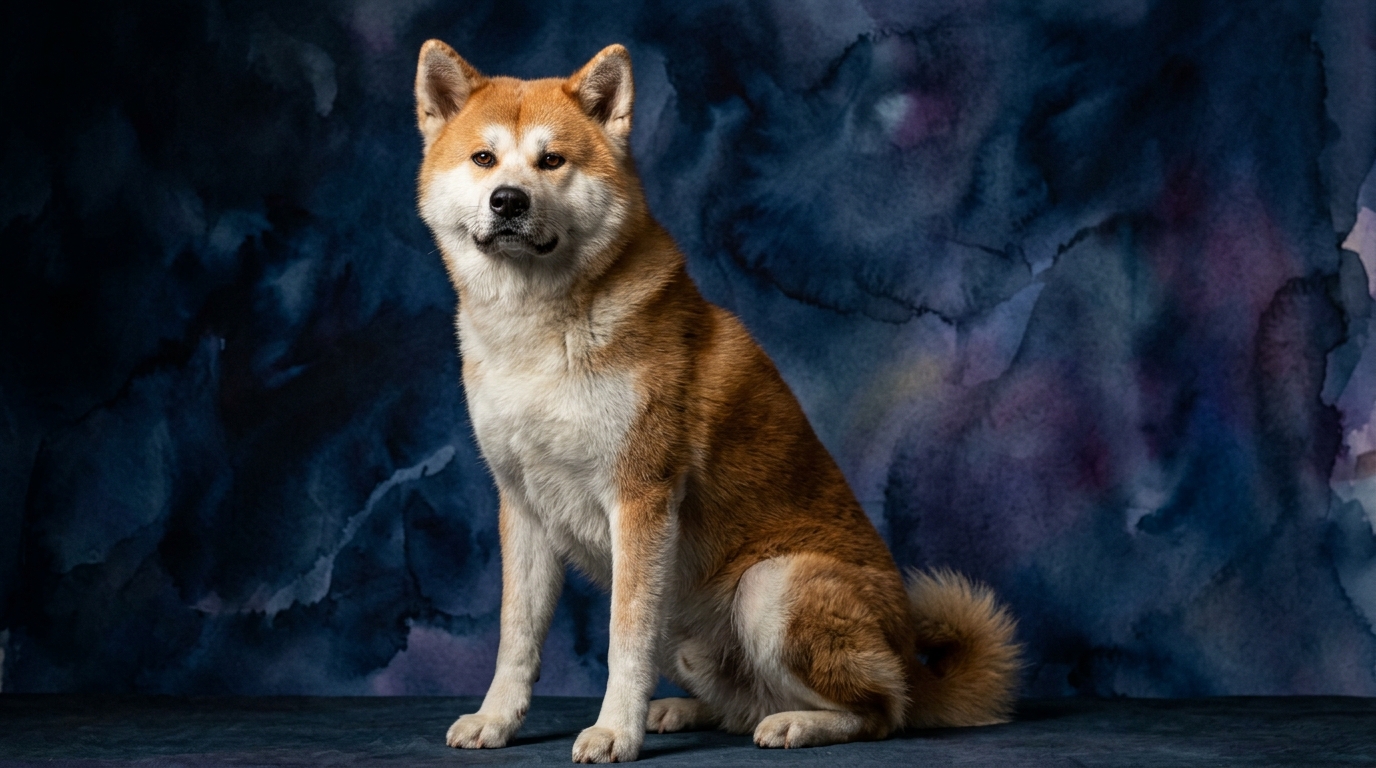
Side-by-Side IQ Profile
**Border Collie (Coren Rank #1, Herding Group):**
**Problem Solving (5/5):** This breed exhibits exceptional aptitude for dissecting complex situations, such as maneuvering livestock or solving multi-step puzzle toys. Their cognitive flexibility allows them to adapt strategies and devise novel solutions, often anticipating outcomes.
**Training Speed (5/5):** Border Collies are renowned for their almost instantaneous grasp of new commands and routines. They form rapid associations between cues, actions, and rewards, often requiring only a handful of repetitions to internalize a new behavior, making them highly responsive.
**Social Intelligence (4/5):** Border Collies possess a sophisticated understanding of human body language, tone, and intent. They are acutely attuned to their handler's desires, striving for partnership and demonstrating a strong desire to work collaboratively, often predicting next steps.
**Instinctive Drive (5/5):** Their powerful herding instinct is a central component of their cognitive makeup. This drive manifests as intense focus on movement, a natural inclination to gather and control, and an inherent motivation to pursue a "job," demanding purposeful activity.
**Memory (5/5):** This breed demonstrates remarkable long-term recall for an extensive vocabulary of commands, complex sequences of behaviors, and intricate routines. They retain learned information and tasks even after extended periods, contributing to consistent performance.
**Akita (Coren Rank #54, Working Group):**
**Problem Solving (3/5):** Akitas approach problem-solving practically, often self-servingly. They assess environmental challenges, like finding a comfortable spot, but are less inclined towards abstract human-initiated puzzles or repetitive tasks lacking clear utility from their perspective.
**Training Speed (2/5):** While capable, Akitas typically require more patience and repetition. Their independent nature means they often evaluate a command's purpose before complying, leading to slower acquisition. Consistency and positive reinforcement are paramount.
**Social Intelligence (3/5):** Akitas exhibit discerning social intelligence. They form deep bonds with family, understanding cues, but are reserved towards strangers. Their communication is subtle, observing and assessing interactions rather than seeking constant engagement.
**Instinctive Drive (5/5):** The Akita's profile is heavily influenced by strong guarding and protective instincts. This drive manifests as keen awareness of territory, natural vigilance towards perceived threats, and powerful loyalty compelling them to act as guardians, sometimes with an underlying prey drive.
**Memory (4/5):** Akitas possess good memory, particularly for people, places, routines, and territorial boundaries. They recall important lessons and experiences, though they may not retain an extensive repertoire of complex, non-essential commands with the same precision if not regularly reinforced.
Where Border Collie Wins Cognitively
The Border Collie's cognitive strengths lie in their unparalleled adaptability and proactive engagement with novel challenges. Their superior problem-solving (5/5) allows them to generalize learned concepts to entirely new situations, quickly devising effective strategies for tasks they haven't encountered before. This breed excels in sequential learning, stringing together multiple distinct actions into fluid routines, a cognitive feat less central to the Akita's independent approach. Their intrinsic motivation for collaborative work also means they consistently apply their cognitive resources to human-directed objectives.
Where Akita Wins Cognitively
The Akita's cognitive edge manifests in their independent decision-making and discerning judgment. Their strong instinctive drive (5/5) for protection, coupled with their unique social intelligence (3/5), allows them to assess potential threats and react appropriately without constant human direction. They possess a keen observational intellect, often noticing subtle changes in their environment or human demeanor that might escape other breeds. This self-reliance in evaluation and action, especially within their perceived domain, is a distinct cognitive advantage, requiring less immediate input from their handler compared to the highly collaborative Border Collie.
Which is Easier to Train and Why
The Border Collie is unequivocally easier to train. Their exceptional training speed (5/5), combined with a powerful desire to work in partnership, means they actively seek to understand and execute commands. They thrive on the mental engagement of learning new tasks, often anticipating the next instruction and offering behaviors readily. This breed's instinctive drive is intrinsically tied to collaborative herding, making them highly receptive to channeling that energy into structured training. In contrast, the Akita's independent nature and lower training speed (2/5) demand a more patient, consistent, and reward-based approach. An Akita often requires convincing of a command's utility, and while they learn, their compliance is frequently a matter of choice rather than an inherent drive to please or collaborate constantly. Their instinctive drive leans towards self-sufficiency and protection, not necessarily rapid-fire obedience.
Which Suits Active Owners vs Relaxed Owners
The Border Collie is ideally suited for active owners who can meet their immense cognitive and physical requirements. These dogs demand structured mental stimulation through advanced training, dog sports like agility or obedience, or a genuine working role. Owners must be prepared to engage with them constantly, providing complex challenges to prevent boredom and redirected energy, which can lead to undesirable behaviors. A "relaxed" owner, in the sense of minimal engagement, would find a Border Collie overwhelming.
The Akita, while requiring consistent exercise, fits better with owners who appreciate a more self-possessed and dignified companion. "Relaxed" for an Akita owner means providing clear boundaries, patient training, and respecting their independent nature. They need moderate, purposeful physical activity and mental engagement that often taps into their guarding instincts, such as patrolling the yard or scent work. Owners seeking a dog for constant, high-intensity collaborative activities might find the Akita's independent streak frustrating; instead, they thrive with owners who understand their need for personal space and discerning social interactions.
The Verdict
Choose a Border Collie if you are an experienced owner seeking a highly interactive, endlessly trainable partner for advanced dog sports, demanding work, or a life filled with complex cognitive challenges and constant engagement.
Choose an Akita if you are an experienced owner who values a dignified, independent, and fiercely loyal protector, willing to invest in consistent, patient training and appreciate a companion who thinks for themselves.
🧠 Find Your Pet's IQ Score
Our Pet IQ Lab assessment covers 25+ tests across 5 cognitive dimensions — personalized to your breed.
Take the Full IQ Test →Frequently Asked Questions
Does Akita's lower training speed mean they can't learn?
Not at all. Akita's lower training speed primarily reflects their independent nature and tendency to evaluate commands rather than immediately comply. They are capable of learning a wide range of commands and behaviors but require more patience, consistency, and motivation tailored to their self-possessed disposition.
Can a Border Collie be a good family pet for a first-time owner?
A Border Collie is generally not recommended for first-time owners due to their intense cognitive and physical demands. Their high instinctive drive and problem-solving aptitude require consistent, experienced guidance and extensive daily engagement to prevent behavioral issues from boredom or undirected energy.
How do their instinctive drives impact their daily lives?
The Border Collie's strong herding drive compels them to seek a "job," often manifesting as an urge to gather family members or other pets. The Akita's powerful guarding instinct leads to vigilance over their territory and family, making them naturally protective but also requiring early socialization to manage their reactions to strangers.