Side-by-Side IQ Profile: Border Collie vs. Chesapeake Bay Retriever
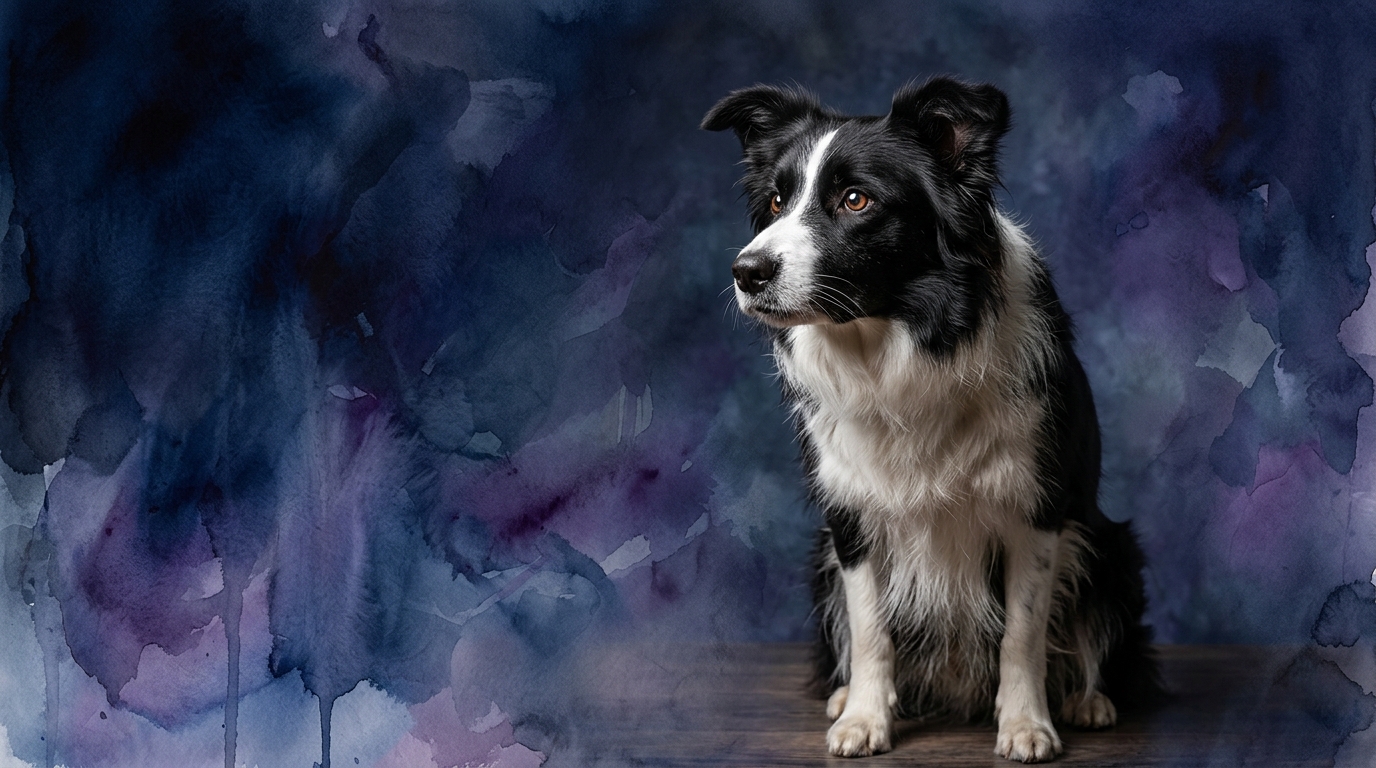
The Border Collie, holding the Coren rank of #1, showcases a remarkable suite of cognitive abilities. Their Problem Solving is rated 5/5, indicating an exceptional capacity for complex thought, strategic planning, and adapting to novel challenges. Training Speed also stands at 5/5, meaning they grasp new commands and concepts with minimal repetition. Social Intelligence is 4/5, reflecting their strong attunement to human intent and emotional states, while their Instinctive Drive is a powerful 5/5, fueling their intense focus and desire to work. Finally, their Memory, at 5/5, allows them to retain vast amounts of information and intricate sequences over long periods.
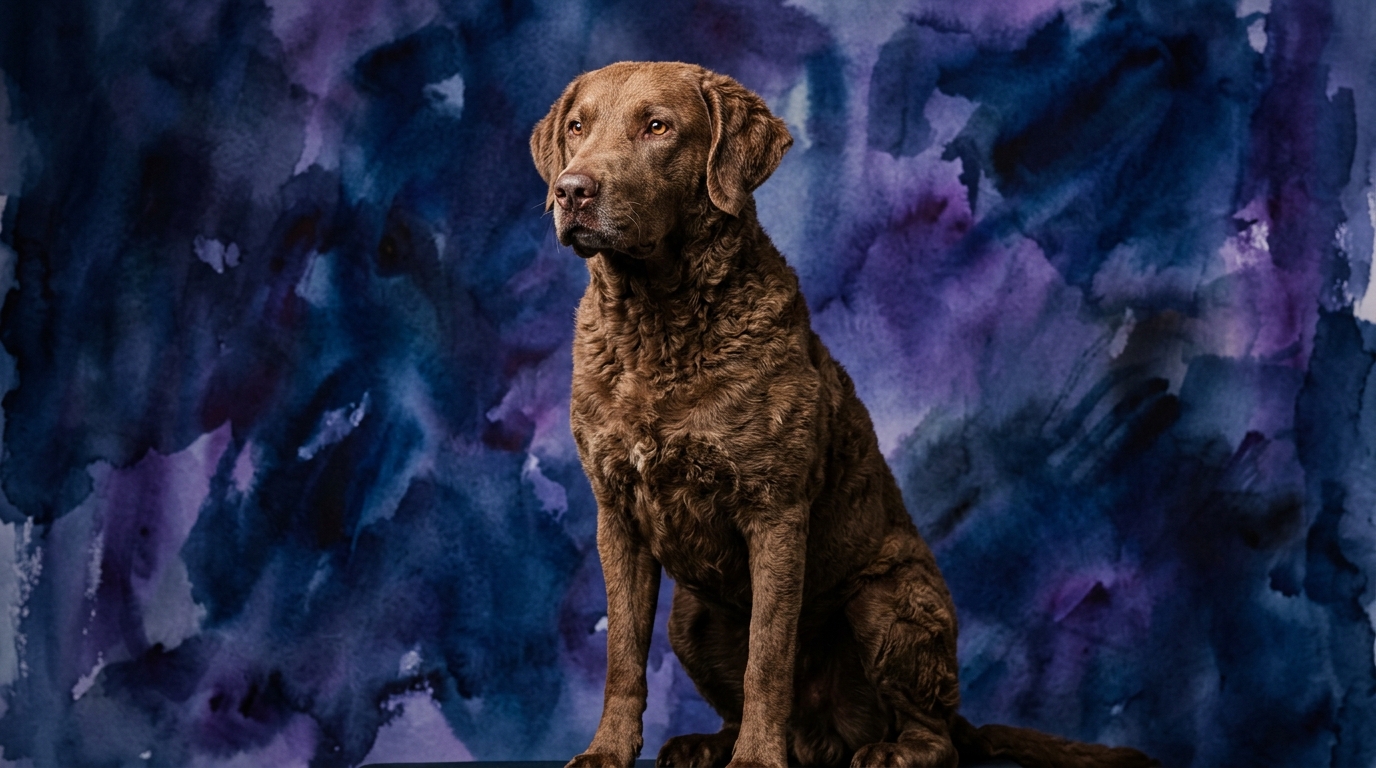
In contrast, the Chesapeake Bay Retriever, ranked #27 by Coren, presents a different, yet highly effective, cognitive profile. Their Problem Solving is rated 4/5, demonstrating practical intelligence, particularly in task-oriented scenarios, but perhaps less abstract reasoning than a Border Collie. Training Speed is 4/5, indicating they are capable learners with consistent guidance. Social Intelligence is 3/5, suggesting a more independent nature and less overt sensitivity to subtle human cues, though they form deep bonds. Instinctive Drive is 3/5, robustly focused on retrieving and water work, but not with the same all-encompassing intensity as a herding dog. Their Memory is 4/5, enabling them to recall commands and locations effectively, especially within their working domain.
Where the Border Collie Excels Cognitively
The Border Collie’s cognitive prowess truly shines in areas requiring abstract reasoning and rapid, multi-faceted learning. Their 5/5 Problem Solving isn't just about figuring out simple puzzles; it's about devising strategies for complex tasks, understanding cause-and-effect in intricate scenarios, and even anticipating outcomes. This manifests in their ability to navigate agility courses with fluid precision, learn elaborate trick routines, or master multi-step obedience sequences that demand strategic thinking and adaptability.
Furthermore, their perfect scores in Training Speed and Memory mean a Border Collie can acquire a vast vocabulary of commands and behaviors with astonishing efficiency. They don't just learn 'sit'; they learn 'sit, stay, wait for the treat, then come around my left leg and lie down.' This allows them to excel in competitive dog sports, working roles, and therapy work where a broad and flexibly applied skill set is paramount. Their superior social intelligence also allows them to pick up on subtle handler cues and intentions, often making them seem telepathic to their dedicated owners.
Where the Chesapeake Bay Retriever Excels Cognitively
The Chesapeake Bay Retriever, while not matching the Border Collie in raw processing speed or abstract strategic thinking, demonstrates a different kind of cognitive strength: resilient, task-specific intelligence. Their 4/5 Problem Solving is geared towards practical application, particularly in challenging environments. A Chessie excels at navigating complex terrain, breaking ice, or locating downed game in dense cover—tasks that require determination, physical endurance, and independent decision-making rather than intricate, handler-directed strategy.
Their 3/5 Instinctive Drive, while lower than a Border Collie’s, is incredibly focused and enduring within their retrieving domain. This translates to an unwavering commitment to a task once engaged, often showing remarkable stamina and resolve in adverse conditions. Their slightly lower Social Intelligence rating doesn't imply a lack of loyalty, but rather a more self-reliant approach; they often don't require constant human validation to perform, making them exceptionally independent and dependable working partners. Their 4/5 Memory is highly effective for recalling precise retrieving locations and learned hunting protocols, cementing their reliability in the field.
Which is Easier to Train and Why
When considering ease of training, the Border Collie (Training Speed 5/5) generally presents a faster initial learning curve for a wide array of commands. Their innate desire to work, coupled with their exceptional memory and quick grasp of concepts, means they can pick up new behaviors in very few repetitions. They are eager to please and highly responsive to cues, making them a dream for experienced trainers seeking to teach complex routines or advanced skills. However, this speed also means they require consistent mental engagement; boredom can quickly lead to self-directed problem-solving that might not align with owner expectations.
The Chesapeake Bay Retriever (Training Speed 4/5), while certainly capable, typically requires more patience and consistency in training. They might need more repetitions to solidify a command, and their independent streak, stemming from their 3/5 Social Intelligence and working heritage, means they can occasionally be more discerning about obeying. They respond best to clear, firm, and fair methods, often thriving when training is framed around their natural retrieving drive. A Chessie might not be as eager to learn a purely abstract trick as a Border Collie, but will show immense dedication to tasks that resonate with their purpose, like retrieving or scent work.
Suitability for Active vs. Relaxed Owners
For the active owner, particularly one keen on dog sports, advanced obedience, or working roles, the Border Collie is an unparalleled match. Their 5/5 Instinctive Drive and 5/5 Problem Solving demand constant mental and physical stimulation. An owner must be prepared to dedicate significant time daily to structured activities like agility, flyball, herding, or complex puzzle solving. A Border Collie thrives on having a 'job' and will become restless, anxious, or even destructive if their profound cognitive and physical needs are not adequately met. They are partners for those who embrace a deeply engaged and active lifestyle with their canine companion.
The Chesapeake Bay Retriever, while also requiring regular exercise, is perhaps better suited for owners who are active outdoors but might not seek the same level of intricate mental engagement. Chessies need vigorous physical activity, especially swimming and retrieving, to be content. They enjoy long hikes, runs, and water excursions, and once exercised, they are generally content to relax at home. Their 3/5 Instinctive Drive is channeled towards specific activities, making them less prone to the broad mental restlessness a Border Collie might exhibit. They suit owners who appreciate a robust, independent companion for outdoor adventures and a calmer demeanor indoors, provided their physical needs are met.
The Verdict
Choose the Border Collie if you are an experienced, dedicated owner seeking a highly engaged canine partner for advanced training, dog sports, or a demanding working role that thrives on intricate mental challenges.
Choose the Chesapeake Bay Retriever if you appreciate a resilient, independent companion for outdoor adventures, particularly water activities, and can provide consistent, firm guidance and a purpose-driven life.
🧠 Find Your Pet's IQ Score
Our Pet IQ Lab assessment covers 25+ tests across 5 cognitive dimensions — personalized to your breed.
Take the Full IQ Test →Frequently Asked Questions
Can a Chesapeake Bay Retriever perform in advanced obedience or agility?
Yes, a CBR can achieve high levels in obedience and agility, though they might require more consistent training and motivation than a Border Collie. Their robust build and independent nature mean they excel when tasks align with their natural drive and stamina, showcasing their determination.
Are Border Collies good family dogs?
Border Collies can be excellent family dogs if their significant mental and physical exercise needs are met, and they are properly socialized. They form strong bonds, but their intensity might overwhelm very young children, and they thrive best with active families who can engage them daily in stimulating activities.
How do their social intelligence differences manifest in daily life?
A Border Collie's higher social intelligence often means they are more attuned to subtle human cues and emotions, potentially making them more responsive to nuanced communication and highly sensitive to their handler's mood. A Chesapeake Bay Retriever, with a slightly lower social intelligence, might be more independent and less outwardly demonstrative, often requiring clearer, more direct communication but offering steadfast, unwavering loyalty to their chosen family.