
Side-by-Side IQ Profile: Deconstructing Canine Cognition
The Border Collie, a Herding group member, occupies the coveted Coren rank #1, indicating a profound capacity for understanding and execution. Their Problem Solving is rated 5/5, reflecting an exceptional ability to analyze situations, devise strategies, and adapt to novel challenges, whether navigating a complex flock or mastering intricate tasks. Training Speed also stands at 5/5, signifying an unparalleled quickness in grasping new commands and concepts, often requiring very few repetitions. Social Intelligence, at 4/5, points to a strong attunement to human cues and a cooperative disposition, though their focus can often be task-driven. An Instinctive Drive of 5/5 underscores their powerful innate urge to work, herd, and engage with purpose. Finally, their Memory, rated 5/5, allows them to retain vast amounts of information, sequences, and routines with remarkable accuracy.
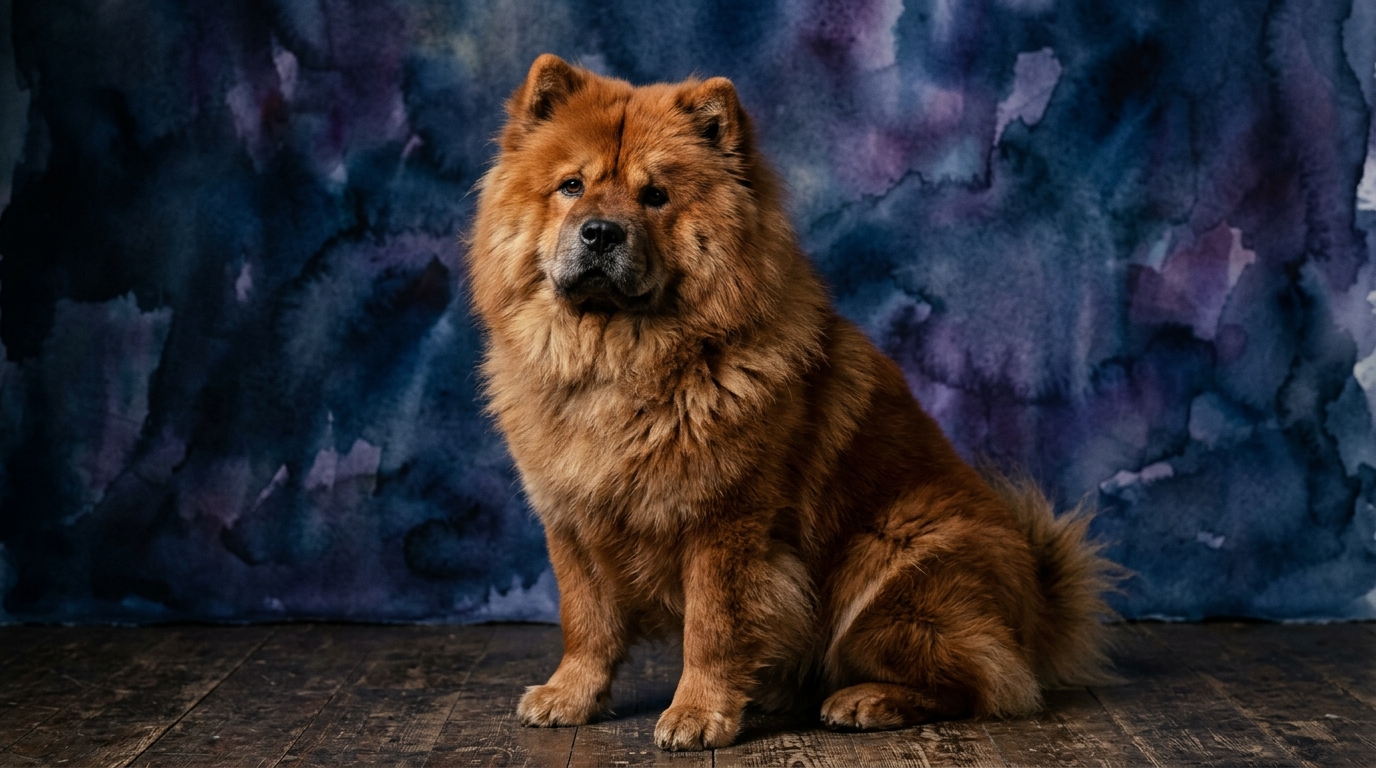
In stark contrast, the Chow Chow, hailing from the Non-Sporting group, holds Coren rank #76, suggesting a different cognitive emphasis. Their Problem Solving is rated 3/5; while capable of practical solutions, they may not actively seek out intellectual challenges or complex puzzles, often preferring established routines. Training Speed is 3/5, indicating a moderate learning pace that benefits from consistency, clear motivation, and patience, rather than rapid acquisition. Social Intelligence, also 3/5, describes a reserved and discerning nature; they are loyal to their inner circle but typically not effusive or overtly eager to please strangers. Their Instinctive Drive, rated 3/5, reflects a generally lower inclination for intense activity or constant engagement, favoring self-sufficiency. Memory, at 3/5, suggests they retain information pertinent to their immediate environment and key relationships, though perhaps not with the broad scope or detail of a Border Collie.
Where the Border Collie Excels Cognitively
The Border Collie's cognitive prowess shines in scenarios demanding intricate mental processing and adaptive execution. Their 5/5 Problem Solving allows them to excel at tasks requiring multi-step planning, such as outsmarting a stubborn sheep or navigating an advanced agility course with precision. This breed routinely demonstrates the ability to generalize learned concepts to new situations, showcasing a flexible intelligence that is always seeking an efficient solution. Their exceptional Memory (5/5) means they can recall vast repertoires of commands, associate abstract concepts, and remember complex patterns of movement or behavior over long periods, making them ideal for competitive obedience or advanced working roles. Furthermore, their high Instinctive Drive (5/5) is not merely about energy but a deep-seated desire to engage their intellect in purposeful activity, consistently applying their cognitive abilities to achieve goals.
Where the Chow Chow Offers Unique Cognitive Strengths
While not seeking the same type of intellectual engagement as a Border Collie, the Chow Chow possesses distinct cognitive strengths rooted in their ancient guardian role. Their 3/5 Social Intelligence, often perceived as aloofness, is better understood as a discerning social awareness; they are masters of subtle communication and selective interaction, forming deep, quiet bonds with their chosen few. This discernment allows them to independently assess situations and individuals, making judgments without constant human direction. Their Problem Solving (3/5) is often geared towards self-preservation and comfort, such as finding the most advantageous resting spot or subtly influencing their environment to meet their needs, rather than performing tasks for others. They exhibit a strong memory for routines and their established territory, demonstrating a practical intelligence focused on maintaining order and security within their perceived domain.
Training Ease: A Tale of Two Temperaments
The disparity in Training Speed between the Border Collie (5/5) and the Chow Chow (3/5) creates vastly different training experiences. Border Collies are eager collaborators, often learning new commands within a handful of repetitions due to their high desire to engage their intellect and their strong social intelligence that prioritizes human interaction. Their inherent drive to work makes them receptive to direction, viewing training as a fulfilling challenge. They thrive on positive reinforcement and complex sequences, quickly understanding what is expected and how to achieve it.
Conversely, training a Chow Chow requires significant patience, consistency, and a deep understanding of their independent nature. Their moderate training speed means they will learn, but at their own pace, often requiring more repetitions and clear, consistent motivation. Their lower social intelligence score means they are less inclined to perform simply to please; instead, they need to perceive a clear benefit or logical reason for compliance. Commands must be presented as a choice they want to make, rather than an order, and their problem-solving might lead them to question why a particular action is necessary. This does not mean they are untrainable, but rather that their training journey demands a different approach, focusing on building trust and respect rather than relying on an innate eagerness to obey.
Owner Suitability: Active Engagement vs. Serene Companionship
The cognitive profiles of these two breeds dictate very different ideal living situations. The Border Collie, with its 5/5 Instinctive Drive and Problem Solving, is best suited for active owners who can provide consistent mental and physical stimulation. They thrive in environments where they have a 'job' to do, whether it's herding, agility, obedience, or complex trick training. Owners must be prepared to engage their dog's mind daily, preventing boredom that can manifest as destructive behaviors. This breed requires an owner who enjoys an active lifestyle and is committed to ongoing training and intellectual challenges.
The Chow Chow, with its more moderate Instinctive Drive (3/5) and reserved Social Intelligence (3/5), is better suited for relaxed owners who appreciate a self-sufficient and independent companion. They do not demand constant activity or effusive attention but enjoy quiet companionship and a predictable routine. While still requiring regular walks and appropriate socialization, their exercise needs are generally lower than a Border Collie's. The ideal owner understands and respects their discerning nature, valuing a loyal presence over an overtly demonstrative one, and is comfortable with a dog that often makes its own decisions within established boundaries.
The Verdict: Choosing Your Canine Companion
The Verdict
Choose a Border Collie if you are an active, dedicated owner eager to engage in advanced training, dog sports, and provide consistent mental challenges for a highly responsive and task-oriented companion.
Opt for a Chow Chow if you seek a dignified, independent, and discerning companion who offers quiet loyalty and requires a relaxed household, respecting their self-sufficient nature.
🧠 Find Your Pet's IQ Score
Our Pet IQ Lab assessment covers 25+ tests across 5 cognitive dimensions — personalized to your breed.
Take the Full IQ Test →Frequently Asked Questions
Can a Chow Chow learn complex tricks or commands?
Yes, a Chow Chow can learn complex tricks and commands, but it will typically require more patience, repetition, and consistent motivation than with a Border Collie. Success often hinges on finding what truly motivates the individual Chow Chow and making the training feel like their own decision.
Do Border Collies get bored easily if not adequately stimulated?
Absolutely. Border Collies possess an exceptional cognitive capacity and high instinctive drive that demands consistent mental and physical stimulation. Without sufficient engagement, they can quickly become bored, leading to frustration and potentially destructive or neurotic behaviors.
Is a Chow Chow truly 'not smart' due to its Coren rank?
No, a Chow Chow's Coren rank of #76 does not mean they are 'not smart'; rather, their intelligence manifests differently. They exhibit a practical, discerning intelligence focused on independence, loyalty, and self-preservation, rather than an eager desire to perform complex tasks on command.